

HCPCS code E0198: Water pressure pad billing guide
HCPCS code E0198 is a water pad for a standard mattress HCPCS code E0198 is the ...

Last Updated: Oct 13, 2026
G0179 is the HCPCS Level II code for physician or allowed practitioner re-certification for medicare-covered home health services under a home health plan of care (patient not present), including contacts with home health agency and review of reports of patient status required by physicians and allowed practitioners to affirm the initial implementation of the plan of care.
The code is maintained by the Centers for Medicare and Medicaid Services (CMS) and sits alongside G0180, which certifies a new episode. Billing one where the other belongs denies as an incorrect or duplicate code.
One detail in the official descriptor shapes several of the billing rules below. G0179 is billed with the patient not present, so no visit of any kind is billed under this code. The physician's work is the review of the agency's reports and the signature on the recertified plan.
Let Pabau's smart automation suggest the right codes, reduce claim denials, and keep your practice compliant—effortlessly.
Automate repetitive tasks and focus on what matters most—your patients.
Reduce coding errors and ensure compliance with the latest regulations.
Clean claims, fewer denials, and faster reimbursements.
Powerful insights and reporting to help your practice thrive.
HIPAA compliant SOC 2 certified GDPR-compliant Trusted by 4,000+ clinics worldwide

HCPCS Code G0179 bills the physician recertification of a Medicare home health plan of care. G0180 covers the initial certification.
G0179 is a patient-not-present code, so no visit of any kind is billed under it.
Bill it once per 60-day certification period, with a signed plan of care and a documented clinical review.
Eligible providers include physicians, nurse practitioners, clinical nurse specialists, and physician assistants, depending on current CMS guidance.
Pabau’s claims management software tracks certification periods and flags missing documentation before a claim goes out.
HCPCS Code G0179 covers physician recertification of a patient’s plan of care for Medicare home health services. The certifying physician reviews the patient’s clinical status, confirms that home health services remain medically necessary, and signs the recertification.
The code falls under Medicare Part B and is maintained by CMS in the HCPCS Level II code set, which is updated quarterly.
CMS publishes the official descriptor as one long line. Split into its three clauses, it reads:
Two details in that wording drive the rules that follow. The patient is not present, and one claim covers one re-certification period.
G0179 recertifies a home health plan of care that already exists. G0180 certifies a new one at the start of an episode. Billing the wrong one denies as an incorrect or duplicate code, and correcting it usually means a full resubmission.
If it is the patient’s first home health certification episode, use G0180. For every 60-day period after that, where the physician confirms continued necessity, use HCPCS Code G0179. Solid patient care management processes track which period a patient is in, so the right code is selected at claim time.
Physicians, nurse practitioners, clinical nurse specialists, and physician assistants can bill G0179. The eligible provider performs the clinical review, signs the plan of care, and submits the claim under their own NPI.
According to MAC guidance from AAPC’s HCPCS code database and WPS Government Health Administrators, eligible providers include:
NP and PA eligibility for G0179 runs through both current CMS regulations and state scope-of-practice law. Those rules have changed over time, so check current CMS guidance and your MAC’s billing articles first. Incident-to billing does not apply to G0179, so the eligible provider must bill under their own NPI. Adjustment and remark codes on the ERA separate a contractual write-off from a genuine denial.
Incomplete documentation is the single biggest driver of G0179 denials. The certifying provider has to leave a paper trail showing they reviewed the patient’s condition, rather than counter-signing a form.
Required documentation for a compliant HCPCS Code G0179 claim includes:
Practices using digital certification forms can make fields mandatory and timestamp signatures, which cuts incomplete submissions. Storing the signed POC in the patient record also speeds up any audit response.
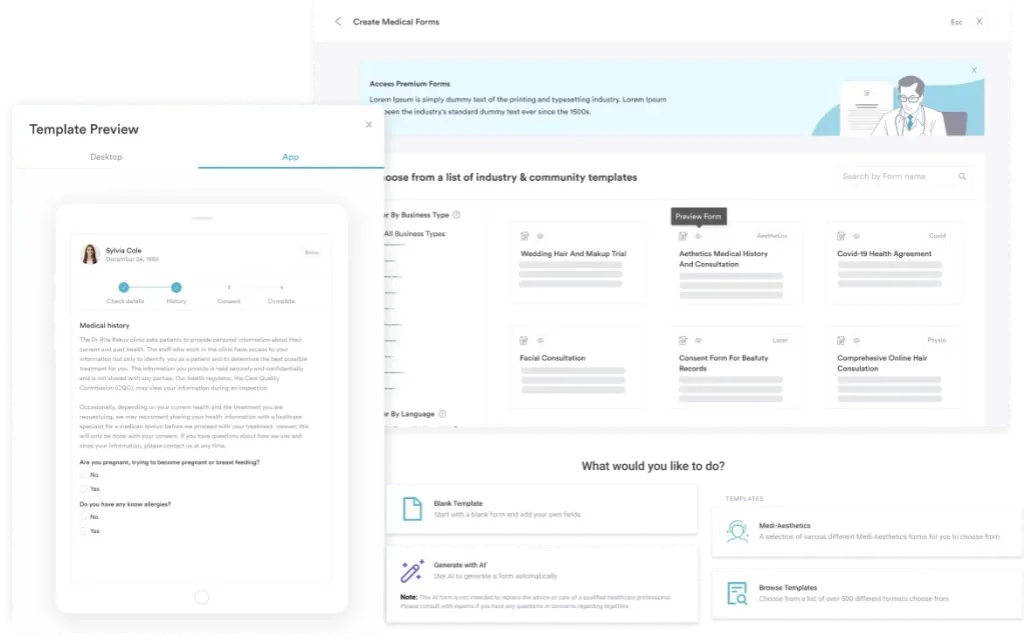
Audit a sample of your G0179 claims each quarter. Pull 10 random claims and check whether the patient record holds both a signed POC and a separate clinical review note. If a claim only shows a countersigned form with no independent clinical notation, that is an audit vulnerability. Fix it before a MAC review finds it.
Frequency, place of service, and modifier use decide whether a G0179 claim pays. Each one is a common denial trigger when it is handled wrong.
Practices handling a high volume of recertifications lean on automated workflows that flag a certification period before it expires. That prevents last-minute recertifications and billing outside the eligible window.
Medicare reimbursement for G0179 is set through the CMS Physician Fee Schedule (PFS) and varies by MAC jurisdiction and geographic practice cost index (GPCI). Rates are updated annually as part of the CMS PFS final rule.
The table below shows the payment parameters. Always confirm current-year figures in the CMS PFS lookup tool, since rates change each January.
Because MAC jurisdiction affects the payment amount, practices covering several regions should look up rates by locality. The CMS PFS lookup tool takes both code and locality inputs, then returns the non-facility and facility amounts separately.
HCPCS Code G0179 sits in a family of home health billing codes. G0181 and G0182 turn up alongside it in practices managing complex home-based panels. Knowing where each one starts prevents unbundling errors and missed revenue.
G0181 and G0182 both require at least 30 minutes of physician time per calendar month on care plan oversight. That work covers reviewing reports and talking to the home health team, so it never stands in for the certification itself.
Medicaid programs and commercial plans that accept S-codes report the same monthly oversight under S0271 instead. That code is a 30-day case rate covering physician management of a home care or hospice patient. S0270 is the standard monthly case rate for the same management when the patient is not in hospice.
A primary care EHR with an integrated billing module tracks oversight time separately from certification events, which keeps all four codes accurate.
Home health episodes often include skilled therapy.
Most G0179 denials are preventable. The same handful of documentation and process errors repeats across MAC jurisdictions.
Practices that run pre-submission checks with compliance management tools catch most of these errors before a claim reaches the payer.
Set a recurring calendar rule or system alert for day 50 of each certification period. That gives your billing team a 10-day buffer. The physician can review the plan, sign the recertification, and add a clinical note before the window closes. Late recertifications are a preventable, recurring revenue leak.
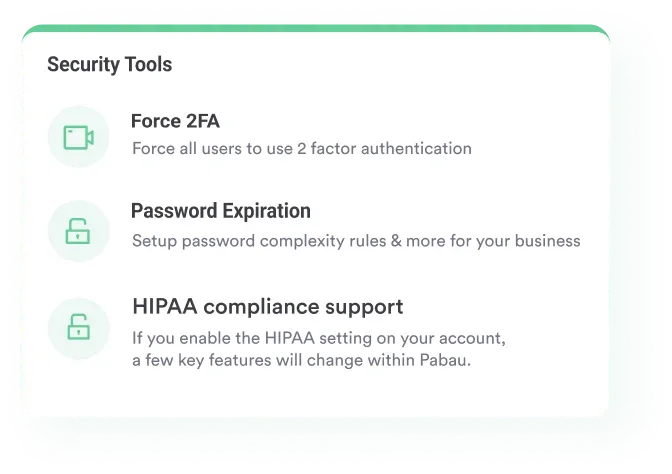
Tracking 60-day certification periods by hand across a large panel is where G0179 denials start. A billing team with 50 or more concurrent home health patients needs expiration dates surfaced automatically. It also needs incomplete documentation flagged before the claim goes out.
Its claims management tools replace the spreadsheet where certification windows usually live. Automated alerts flag an approaching expiration date, so late submissions and out-of-window billing stop happening.
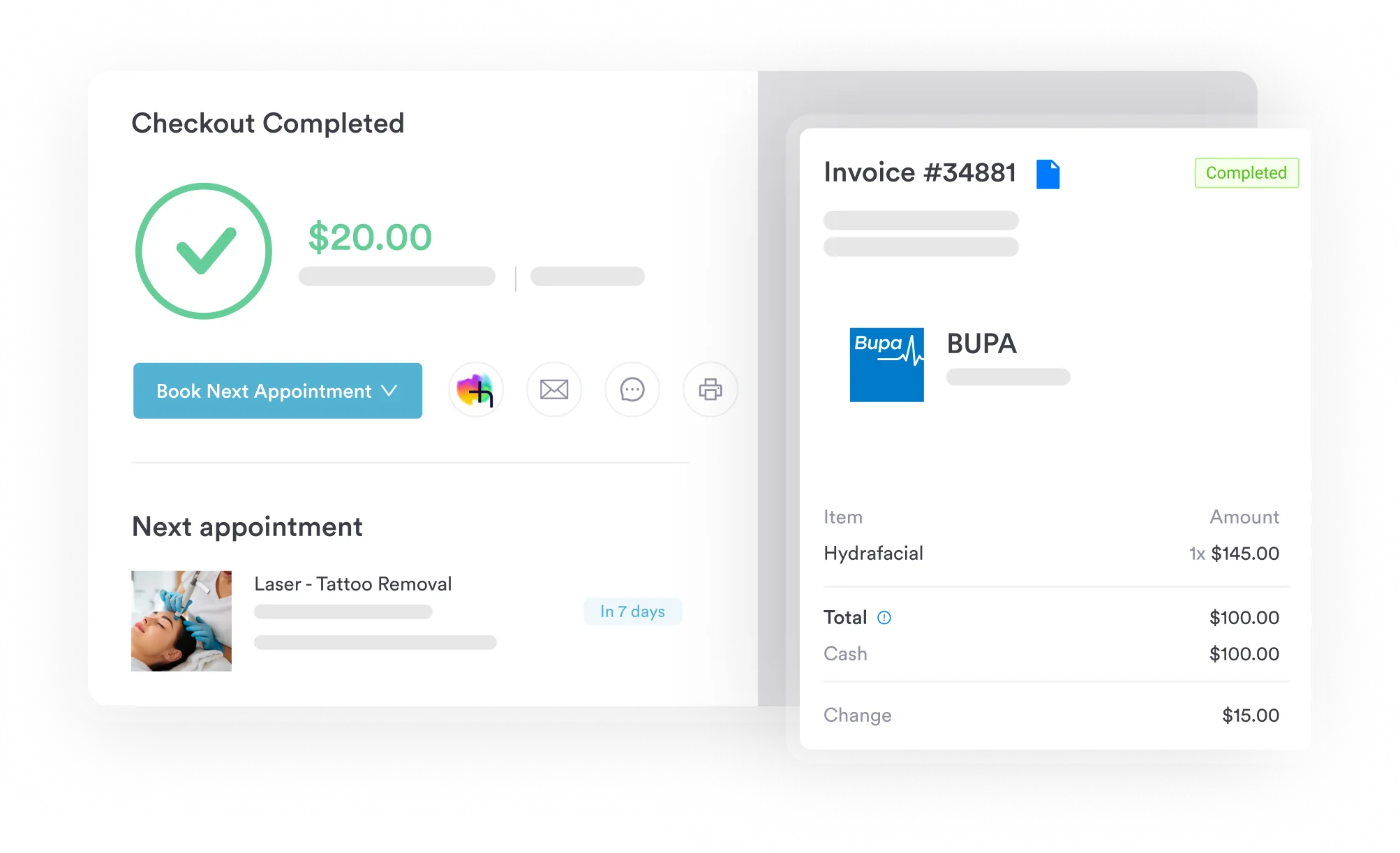
Role-based access keeps each provider’s documentation separate and traceable when physicians and NPs bill G0179 under their own NPIs.

Pabau helps home health billing teams track certification periods, manage documentation, and submit cleaner claims with fewer manual steps.

G0179 is a small code with a strict process around it. The money is lost on signatures, place of service, and dates rather than on the code selection.
Treat the certification period as the unit of work, not the claim. Once a team watches the 60-day clock and expects a clinical note alongside every signature, most of the denial patterns above stop appearing.
Pabau builds those checks into the billing process, so home health certification documentation stays audit-ready. Book a demo to see how it handles certification tracking for your team.

Billing community support services? community support billing guide explains why an expired ISP or wrong modifier is the top cause of denials.
Billing multisystemic therapy for a juvenile? multisystemic therapy billing guide covers how each 15-minute unit of direct MST service time gets billed under state Medicaid.
Billing an IV push medication? methyldopate billing guide explains why this drug pairs with 96374 for an IV push and never 96372.
Billing therapy assistant time in the home? G0157 explains the units and documentation behind each visit.
Coding skilled nursing time in outpatient rehab? G0128 sets out the 10-minute units and the rate that applies.
HCPCS Code G0179 is used to bill for physician recertification of a Medicare home health plan of care. It applies when a physician reviews an existing home health episode and confirms continued medical necessity. The physician then signs the recertified plan of care for another 60-day period. It is distinct from G0180, which covers initial certification.
G0179 covers recertification of a home health plan of care that already exists, from the second period onward. G0180 covers the initial certification at the start of a new home health episode. Billing G0180 for a recertification, or vice versa, results in a claim denial as incorrect code.
Eligible providers include physicians (MD/DO), nurse practitioners, clinical nurse specialists, and physician assistants, subject to current CMS guidance and state scope-of-practice law. Each provider bills under their own NPI. Incident-to billing does not apply to G0179.
G0179 may be billed once per 60-day home health certification period. Submitting the code more than once within the same period results in a duplicate claim denial.
The most frequent causes are a missing or illegible physician signature on the plan of care and billing outside the 60-day certification window. Incorrect place of service and duplicate billing within the same period also come up often. The last common cause is documentation that does not show an independent physician review.
Use the physician’s usual billing location, which is normally POS 11 for the office. G0179 is billed with the patient not present, so no visit location applies to it. Verify place of service requirements with your MAC jurisdiction.



