



CCSD code G5100: Bypass of duodenum billing guide
CCSD code G5100 bills a bypass that leaves the duodenum in place CCSD code G5100...

Last Updated: Oct 16, 2026

CPT code 15792 describes a chemical peel of a nonfacial area at the epidermal (outermost) skin layer. The AMA maintains it under the integumentary system section.
CPT 15793 is not an add-on to 15792. It is the dermal-depth counterpart for the same nonfacial sites. Only one of the two codes applies per treated area, based on the depth the peel actually reached.
Medicare typically classifies chemical peels as cosmetic. Reimbursement requires a specific ICD-10 diagnosis code and documented medical necessity per your MAC’s LCD.
Pabau’s claims management software supports chemical peel billing workflows with built-in code validation, procedure note templates, and claim scrubbing.
Nonfacial chemical peel claims are among the most frequently denied aesthetic procedure codes in US medical billing. The reason is rarely a typo. Billers usually land on the right code family, but the problem is depth. CPT code 15792 and CPT code 15793 describe the same nonfacial sites at two different peel depths. Payers deny claims when the documented depth does not match the code billed, or when medical necessity and the ICD-10 code are missing entirely. This guide covers every component of accurate 15792 billing, from the official AMA description to modifier rules and Medicare reimbursement rates. It also covers the denial patterns that cost dermatology and aesthetic practices the most time in appeals.
The sections below follow the structure that billing teams in dermatology and aesthetic practices use when setting up a new procedure. That includes the definition, depth-pairing logic with 15793, reimbursement benchmarks, diagnosis code pairing, documentation checklist, modifiers, prior authorization, and denial defense.
CPT code 15792 describes a chemical peel of a nonfacial area at the epidermal level, as defined by the American Medical Association’s (AMA) CPT code set. It sits within the “Other Repair (Closure) Procedures” section of the AMA CPT codebook, under the integumentary system. A physician or qualified provider applies a chemical agent to the outermost skin layer on a nonfacial site: the neck, chest, hands, or arms. Typical agents include an alpha-hydroxy acid (AHA), retinoic acid, or low-concentration trichloroacetic acid (TCA). The agent exfoliates damaged surface cells and encourages new epidermal growth.
Practices billing 15792 span dermatology, plastic surgery, and medical aesthetics. The code applies specifically to epidermal-depth peels performed away from the face. A facial epidermal peel is reported under CPT code 15788 instead, not 15792. When the same nonfacial peel penetrates through to the dermis, using phenol or a higher-concentration TCA, the correct code is CPT 15793, not 15792. Practices using skin clinic software with integrated CPT code validation catch this site-and-depth mismatch before the claim goes out.
CPT 15792 and CPT 15793 are not a primary-and-add-on pair. Unlike some CPT code families, the two codes represent different peel depths on the same class of nonfacial sites, not different amounts of area treated. CPT 15792 reports an epidermal-depth peel. CPT 15793 reports a dermal-depth peel on the same nonfacial anatomy. 15793 is not restricted to being billed only alongside 15792, and it is not billed “per additional 20 sq cm.” Each code stands on its own, describing a distinct depth of the same procedure.
In practice, only one of the two codes applies per treated area, based on the depth the chemical agent actually reached, not on which agent was used alone. Some TCA peels are epidermal at lower concentrations and dermal at higher ones. The treating clinician’s documented depth of penetration, not the product name, is what drives code selection. Billing 15793 when the peel only reached the epidermis is upcoding. Billing 15792 for a peel that reached the dermis undercodes the service and can look like a pattern of systematic under-billing on audit.
Medicare reimbursement for chemical peel procedures depends on the physician’s setting (facility vs. non-facility), geographic location, and the current year’s Physician Fee Schedule. Rates update annually on January 1. The figures below reflect national averages from the CMS fee schedule tool. Verify current-year rates before billing.
Medicare generally classifies chemical peels as a cosmetic procedure. That means it will not reimburse CPT code 15792 without documented medical necessity and a supported diagnosis code. Commercial payers vary. Some cover a nonfacial chemical peel for actinic keratosis or documented photodamage with prior authorization, while others apply blanket cosmetic exclusions. Always verify your specific MAC’s local coverage determination (LCD) and any applicable national coverage determinations (NCD) before assuming coverage.
Selecting the right ICD-10-CM code is the single most important step in establishing medical necessity for a nonfacial chemical peel. A cosmetic indication, such as voluntary skin smoothing or general photorejuvenation, will not support a claim. A documented medical condition with a supporting diagnosis code gives the claim its best chance at reimbursement.
Never rely on a single secondary code when the primary diagnosis is borderline. Document the condition’s duration, prior treatment failures, and functional impact in the patient record. This clinical narrative is what differentiates a covered chemical peel claim from a cosmetic exclusion. Reviewing the AAPC CPT code lookup alongside CMS LCD crosswalk tools can confirm which diagnosis codes your MAC currently accepts for this procedure.
Missing or thin documentation is the primary cause of CPT 15792 denials. The procedure note for a nonfacial chemical peel must address each of these elements to survive a payer audit.
Practices using intake and procedure forms with structured templates find it easier to capture every required field before the patient leaves. A structured note template for a nonfacial chemical peel closes the most common omission: the missing medical necessity statement. For dermatology and aesthetic billing teams, dermatology EMR documentation workflows that tie procedure note fields directly to the claim reduce rework significantly. Aesthetic practices already using a standard esthetician client intake form can extend the same template to capture peel depth and consent fields.
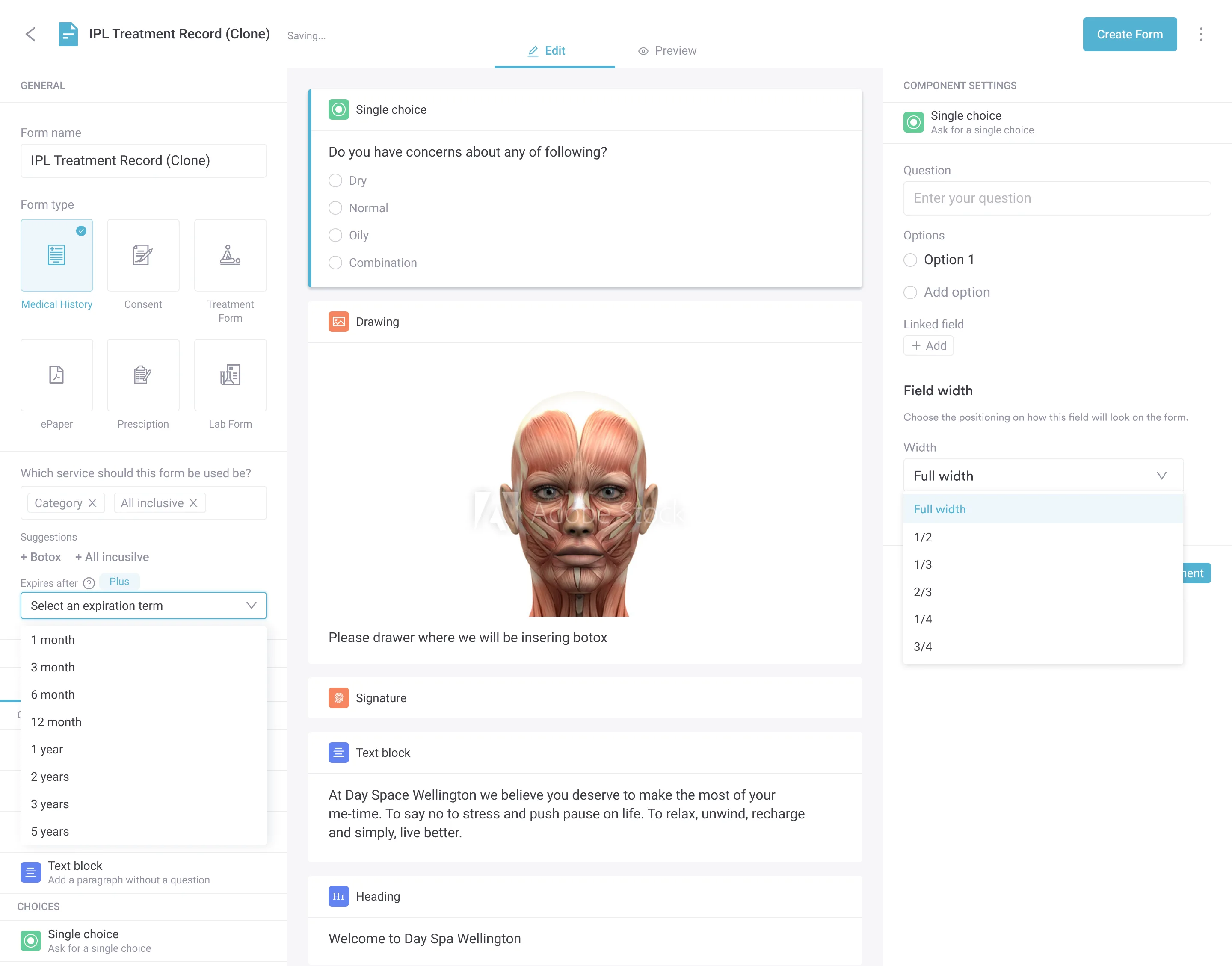
Review your chemical peel procedure note template against your MAC’s current LCD for CPT 15792. Most denials trace back to three issues: no documented peel depth to distinguish 15792 from 15793, absent prior-treatment history, and no explicit medical necessity statement. Build these into a required field checklist in your intake workflow.
CPT code 15792 follows standard integumentary procedure billing rules. It comes with a few modifier scenarios that billers encounter regularly, most tied to the fact that chemical peels are frequently cosmetic. The claims management software you use should flag applicable NCCI edits automatically, but understanding the rules manually prevents submission errors.
NCCI bundling edits govern which codes can be billed together with 15792. Before billing a nonfacial peel alongside laser resurfacing (CPT 17000 series) or a facial chemical peel code (CPT 15788/15789), confirm the current NCCI edit table for your code pair. Because 15792 and 15793 both describe nonfacial peels, most payers also expect only one of the two on a claim for the same treated site. Bundling and depth-mismatch issues are the most common audit trigger in this code family.
Prior authorization requirements for a nonfacial chemical peel vary by payer, plan, and geographic region. Medicare does not require prior authorization for most Part B procedures. The cosmetic classification means the service may simply not be covered without an approved medical necessity exception. Commercial payers such as Aetna, UnitedHealthcare, and Cigna each publish their own chemical peel policies. Many require pre-authorization before any skin resurfacing procedure, regardless of the ICD-10 code attached.
When seeking prior authorization, submit the following with the request:
Practices managing high volumes of skin resurfacing procedures benefit from tracking prior auth status within their practice management system. For multi-specialty practices, the dermatology EMR environment needs to capture auth numbers and expiration dates in the patient record. A sticky note at the front desk will not hold up under audit.
Auditing your practice’s chemical peel denial patterns is worth 30 minutes of a billing manager’s time each quarter. The top five reasons CPT 15792 claims are denied are predictable and fixable.
Appeals for cosmetic exclusion denials succeed most often when the physician submits a peer-to-peer request with clinical photographs and a structured medical necessity letter. Keep a templated appeal letter for chemical peel claims. It should include the diagnosis code, clinical indication, treatment history, and the specific language from the payer’s own LCD that supports coverage.
Billing accuracy for chemical peel procedures depends on connecting three workflows that typically exist in separate systems: documentation, coding, and claim submission. When those systems are integrated, the failure points behind most 15792 denials close on their own.
Pabau’s claims management software supports dermatology and aesthetic billing teams by validating CPT codes against payer rules before submission. It flags NCCI edit conflicts and attaches procedure notes directly to the claim record. The platform’s AI-assisted clinical documentation tools help providers capture the structured procedure note elements that CPT code 15792 requires. That includes the peel depth that distinguishes it from 15793. That reduces the back-and-forth between clinical and billing teams. For practices managing multiple skin resurfacing procedures in the same session, built-in code logic helps surface the correct site-and-depth code instead of defaulting to whichever was billed last time. Most avoidable denials on this code trace back to eligibility verification that was never run. Practices that review a sample of notes each month catch documentation level drift before a payer does.
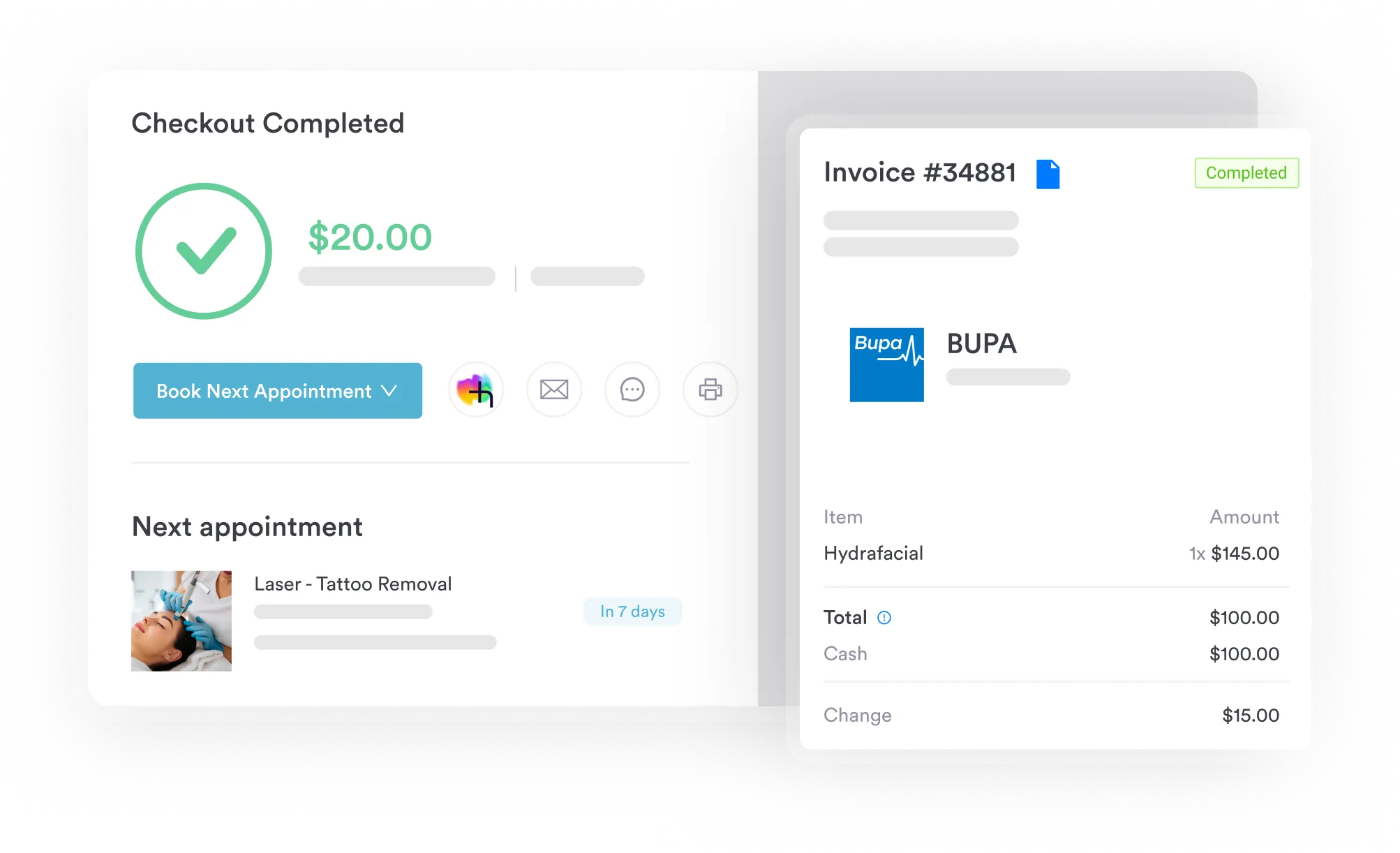

Pabau’s claims management tools flag depth-mismatch and NCCI bundling conflicts before your 15792 and 15793 claims go out. See how it works for dermatology and aesthetic practices.

Most CPT code 15792 denials are preventable. The code itself is straightforward once the depth distinction from 15793 is clear. What remains is documentation that satisfies payer medical necessity requirements and diagnosis codes that match your MAC’s LCD. Get those elements right, add clean modifier usage and prior authorization tracking. Nonfacial chemical peel claims then fall in line with the reimbursement the procedure deserves.
Pabau supports dermatology and aesthetic billing teams with integrated claims management that connects procedure documentation, CPT code validation, and claim scrubbing in one platform. Book a demo to see how Pabau helps your practice code and bill nonfacial chemical peels correctly the first time.

Billing a related integumentary repair procedure? CPT code 15834: hip lipectomy billing guide covers modifiers and reimbursement for another code in the same CPT repair section.
Need the rules for a nonfacial skin excision? CPT code 15839 skin excision billing guide walks through documentation and reimbursement for this related integumentary procedure.
Handling an eyelid procedure claim? CPT code 15823 upper eyelid blepharoplasty billing guide covers modifier usage and payer documentation requirements.
CPT code 15792 covers a chemical peel of a nonfacial area performed at the epidermal level. Agents such as alpha-hydroxy acids, retinoic acid, or low-concentration TCA exfoliate the outermost skin layer on sites like the neck, chest, hands, or arms. It does not cover dermal-depth peels on the same sites, which are reported under CPT 15793, or facial peels, which use CPT 15788/15789.
CPT 15792 and CPT 15793 both describe nonfacial chemical peels, but at different depths, not different amounts of area. CPT 15792 is the epidermal-depth peel. CPT 15793 is the dermal-depth peel. The depth the chemical agent actually reached, documented in the procedure note, determines which code applies. CPT 15793 is not an add-on code, and it is not billed “per additional 20 sq cm.”
Medicare typically classifies chemical peels as cosmetic. That means CPT code 15792 is generally not reimbursed unless the physician documents a specific medical indication, such as actinic keratosis or photodamage. The diagnosis needs an appropriate ICD-10-CM code, and the treating MAC’s local coverage determination (LCD) must allow coverage for that indication. Always verify with your specific MAC before billing.
Billing CPT 15792 requires a procedure note covering the medical indication, the nonfacial site treated, and the chemical agent and concentration used. It must also state the depth achieved (epidermal) and a clear medical necessity statement. The patient record should also document prior conservative treatment attempts and clinical photographs if required by the payer’s policy.
Prior authorization requirements vary by payer and plan. Medicare Part B generally does not require prior authorization for Part B procedures, but coverage depends on medical necessity and MAC LCD policy. Most commercial payers require prior authorization for a chemical peel, particularly when the service could be classified as cosmetic. Check your specific payer’s policy before scheduling.
CPT 15792 and CPT 15793 both describe nonfacial peels at different depths, so most payers expect only one of the two per treated site. Billing both for the same site usually signals a documentation or coding error rather than two separate services. A nonfacial peel (15792 or 15793) can be billed alongside a separately documented facial peel (15788 or 15789) in the same session. Use modifier -59 to show the distinct procedural service. Always verify the current NCCI edit table before submitting either combination.



