CCSD code G5100: Bypass of duodenum billing guide
CCSD code G5100 bills a bypass that leaves the duodenum in place CCSD code G5100...

Last Updated: Oct 16, 2026

CPT code 15823 describes upper eyelid blepharoplasty with excessive skin weighing down the lid (dermatochalasis), billed by ophthalmologists and oculoplastic surgeons.
Medicare covers CPT 15823 only when functional impairment is documented. That means a superior visual field defect of 12 degrees or more, an MRD of 2mm or less, or supporting photographic evidence.
Billing without a complete documentation package (Humphrey visual field test, standardized photos, physical exam findings) is the most common reason for claim denial.
Pabau’s claims management software helps oculoplastic and aesthetic surgery practices track pre-authorization status and store visual field test results. It also manages denial workflows for procedures like CPT 15823.
Most blepharoplasty claims that get denied were documentable. The procedure qualified, the patient had a measurable visual field defect, and the surgeon did exactly the right thing. What failed was the paperwork trail. That omission costs practices thousands in preventable write-offs.
CPT code 15823 is the functional upper eyelid blepharoplasty code. It applies specifically when excessive skin weighs down the lid enough to impair vision. Medicare and most commercial payers cover it, but only with the right clinical evidence. This guide covers the official descriptor, Medicare coverage criteria, and documentation requirements. It also breaks down applicable modifiers, ICD-10 codes, RVU values, and the 15822 vs 15823 distinction that trips up even experienced coders. Claim accuracy is cheaper to build at entry than to repair in an appeal.
CPT code 15823 describes a single procedure with a precise functional threshold. The American Medical Association (AMA) maintains the official CPT code set, and the verbatim descriptor for 15823 is:
Official AMA descriptor: “Blepharoplasty, upper eyelid; with excessive skin weighing down lid”
Clinically, “excessive skin weighing down lid” means the upper eyelid skin is redundant enough to rest on the eyelashes or encroach on the visual axis. The condition is called dermatochalasis. It differs from ptosis, where the levator muscle is weak. It differs from cosmetic skin excess, where the visual field is unaffected. CPT 15823 applies only when that excess skin creates a documented functional deficit.
Medicare covers CPT 15823 under Local Coverage Determinations (LCDs) maintained by Medicare Administrative Contractors. The Centers for Medicare and Medicaid Services (CMS) sets the framework, and MACs like Novitas Solutions apply it. At least one of the following criteria must be met and documented before billing CPT 15823 as a covered service:
All three criteria reinforce each other but only one is required. In practice, most successful claims document at least two. The CMS Medicare Coverage Database article on blepharoplasty and eyelid services is clear on this point. Procedures performed purely for cosmetic improvement are non-covered, regardless of how much skin is present. An Advance Beneficiary Notice (ABN) is required when Medicare coverage is uncertain.
Humphrey automated perimetry is the accepted standard for visual field testing in blepharoplasty coverage determinations. The American Academy of Ophthalmology (AAO) publishes a coding fact sheet that specifies the following protocol requirements:
Standardized pre-operative photographs are also required. The AAO recommends neutral-background, consistent-lighting photos showing the lid in the primary gaze position, without the patient raising their brows. Brow-raising artificially elevates the lid and understates the functional deficit. Practice management software like Pabau can build a photography checklist into its digital intake forms. That keeps every required image captured and stored before the claim goes out.

Incomplete documentation is the leading cause of CPT 15823 denials. Every element below should be in the medical record before the procedure, not reconstructed after a denial letter arrives.
Proper ICD-10-CM diagnosis code documentation practices apply here too: the diagnosis code must map directly to the procedure, and both must appear on the claim. A ptosis surgery documentation template can help standardize the exam findings and attestation language. It’s a useful reference for practices that handle a mix of functional and cosmetic eyelid cases.
Skin and reconstructive procedures generate detailed claims, so comparing the best plastic surgery software is worth the time.
The diagnosis codes below are the primary ICD-10-CM codes used to establish medical necessity for CPT code 15823. Verify against the current-year ICD-10-CM code set and the applicable LCD for your MAC jurisdiction, as code lists are updated annually.
Use the most specific laterality code available. H02.839 is a fallback for unspecified laterality and should not appear on claims where the operative report specifies which eye was treated. Payers may reject claims using unspecified codes when the clinical documentation clearly identifies the eye.
Modifier selection for upper eyelid blepharoplasty modifiers depends on laterality, payer policy, and whether the procedure is cosmetic or functional. Some MACs prefer eyelid-specific modifiers over the standard bilateral modifier. Verify with your MAC before submitting claims.
For bilateral functional blepharoplasty, billing 15823-E1 and 15823-E3 on separate lines generally produces cleaner adjudication than using modifier -50 alone. Medicare typically reimburses the second eye at 50% of the allowable. Confirm with the applicable MAC’s Local Coverage Article for exact modifier sequencing rules.
When both eyelids are treated, submit CPT 15823 on two separate claim lines with modifiers -E1 and -E3 rather than a single line with modifier -50. This prevents automatic bilateral adjustment logic from triggering incorrectly in some Medicare systems and makes audit review cleaner.
Medicare payment for CPT 15823 is calculated using the CMS Physician Fee Schedule with a geographic adjustment factor applied based on practice location. The values below reflect the 2026 Medicare Physician Fee Schedule national rates, using the $33.40 non-APM conversion factor. Use the FastRVU RVU lookup for location-specific adjustments.
RVU values and Medicare payment rates change annually with each MPFS update. Geographic Practice Cost Indices (GPCIs) also affect the final payment amount by location. The conversion factor applied to RVUs shifts each calendar year. Always verify current figures against the live CMS fee schedule before using them in billing projections or patient cost estimates.
The 15822 vs 15823 distinction is the most frequent coding error in upper eyelid blepharoplasty billing. Both cover upper eyelid blepharoplasty, but the clinical threshold separates them. Using 15822 when 15823 is appropriate results in lower reimbursement. Using 15823 without the documentation to support “excessive skin weighing down lid” risks a recoupment audit.
Downcoding from 15823 to 15822 to avoid assembling the documentation package is not compliant billing. If the clinical record supports 15823, that is the correct code regardless of convenience. The skin must truly weigh down the lid and impair the visual field.
Upper eyelid blepharoplasty procedures often appear alongside ptosis repair and brow lift codes. Understanding the family of related codes helps avoid unbundling errors and ensures the claim reflects the full scope of work performed. Other IVF procedure billing codes demonstrate similar complexity when multiple related procedures are performed in the same surgical session.
CPT 67904 and 15823 can sometimes be billed together when genuine ptosis repair and blepharoplasty are performed separately on the same patient. The National Correct Coding Initiative (NCCI) edits govern whether a modifier is needed. Review the current NCCI table before submitting both codes. The AAPC provides code lookup tools via the AAPC Codify CPT search for crosswalk verification.
Functional blepharoplasty billing requires more workflow discipline than most procedure codes. The combination of cosmetic-vs-functional ambiguity, documentation requirements, and bilateral billing rules creates several distinct failure points.
Practices managing high volumes of functional blepharoplasty cases benefit from compliance management tools that flag incomplete documentation before the procedure date. That catches problems before the denial arrives, not after. The denial management cycle for CPT 15823 is expensive: appeals require reassembling the original documentation package and physician attestations, often weeks after the procedure.

Ophthalmology and oculoplastic surgery practices handling functional blepharoplasty face a specific billing challenge. The documentation package is more complex than for most outpatient surgical procedures, and the cosmetic-vs-functional line requires active tracking per patient. General-purpose billing software often lacks the structure to manage this reliably. A practice management platform built for clinical workflows addresses this differently.
Pabau’s claims management software helps oculoplastic and aesthetic surgery practices track authorization status and store visual field test documentation against the patient record. It also flags claims that lack required attachments before submission. For practices managing a mix of cosmetic and functional cases, tagging procedures by coverage type routes documentation requirements accordingly. That reduces the denial rate on functional blepharoplasty claims.
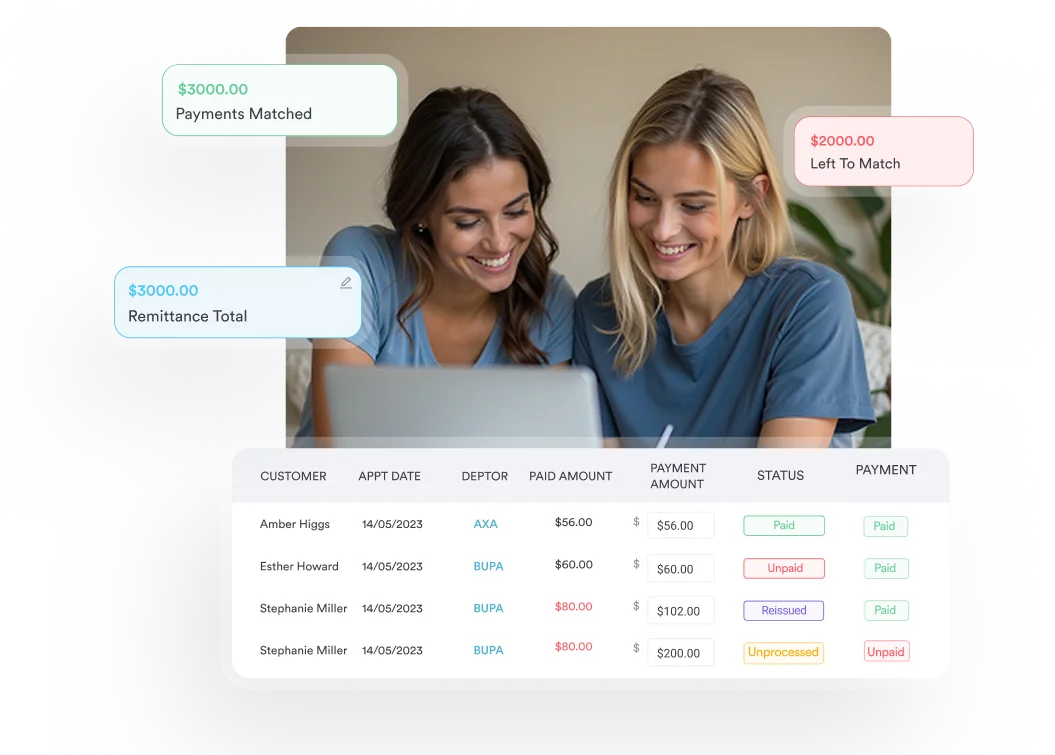

Pabau helps oculoplastic and aesthetic surgery practices track pre-authorization, store visual field results, and reduce CPT 15823 denials with organized documentation workflows.

CPT 15823 rewards practices that treat documentation as part of the procedure, not an afterthought. Build the visual field test, photographs, and attestation into the pre-operative workflow, and the claim submits itself. Leave that assembly until after surgery, and even a clinically sound case can stall in appeals.
The trade-off is upfront effort: a documentation checklist, a pre-authorization check, and the right modifier take a few extra minutes per case. Skip them, and those minutes come back as hours spent on appeals. Book a demo to see how Pabau keeps CPT 15823 documentation organized and denials down.

Coding a facial nerve repair alongside eyelid surgery? CPT code 15842 covers billing for facial nerve paralysis grafts using free muscle transplantation.
Handling a chemical peel claim for the same patient? CPT code 15788 breaks down billing for facial epidermal chemical peels.
Need the dermabrasion billing rules too? CPT code 15792 covers reimbursement and documentation for dermabrasion.
Coding a body-contouring procedure for the same patient? CPT code 15834 explains billing, modifiers, and reimbursement for thigh lipectomy.
CPT code 15823 is used to bill upper eyelid blepharoplasty when excessive skin weighs down the eyelid and impairs the patient’s visual field (dermatochalasis). It is a functional procedure code covered by Medicare and most commercial payers when specific clinical criteria are documented. Cosmetic blepharoplasty, by contrast, is non-covered.
CPT 15822 covers upper eyelid blepharoplasty without the functional impairment threshold. CPT 15823 specifically requires that the excessive skin weighs down the lid enough to cause a documented visual field defect. CPT 15823 carries a higher Work RVU (6.64 vs 4.50) and is covered by Medicare when functional criteria are met. CPT 15822 is generally treated as cosmetic and non-covered.
Yes, Medicare covers CPT 15823 when functional impairment is documented. Coverage requires at least one of three findings. A superior visual field defect of 12 degrees or more on Humphrey perimetry, tested with and without tape. A margin-reflex distance of 2mm or less. Photographic evidence of the lid margin resting on or below the pupil also qualifies. Without this documentation, Medicare treats the procedure as cosmetic and non-covered.
The primary modifiers are -E1 (upper left eyelid) and -E3 (upper right eyelid) for laterality. For bilateral procedures, many MACs prefer separate line items with E1 and E3 rather than a single -50 modifier. Modifier -GY applies when the procedure is cosmetic and the patient is a Medicare beneficiary. Modifier -GA indicates an ABN is on file when coverage is uncertain.
Sometimes. CPT 67904 covers ptosis repair via tarso-levator resection or advancement. It can be billed with CPT 15823 when both procedures are genuinely performed and documented separately. NCCI edits still apply. Review the current NCCI edit table for the code pair before submitting both. A modifier -59 or XS may be required to indicate a distinct procedural service.
The approximate 2026 Medicare non-facility reimbursement for CPT 15823 is around $633, based on a total RVU of 18.95 and the current $33.40 conversion factor. Facility rates are lower, at approximately $482, and all figures vary by geographic location. Verify current rates using the CMS Physician Fee Schedule search tool or a dedicated RVU calculator, as rates change annually with each MPFS update.