HCPCS Code K0900: Customized DME billing and coding guide
HCPCS Code K0900: Official descriptor and code overview HCPCS Code K0900 is a CM...

Last Updated: Nov 18, 2026
S1700 is the CCSD code for the delay, division or inset stage of a distant flap. UK private medical insurers, such as Bupa and AXA Health, use it on specialist invoices.
The flap is raised and transferred under S1900, and each later stage is coded S1700. The code sits in chapter 15 of the CCSD schedule, section 15.4.1 Flaps.
Let Pabau's smart automation suggest the right codes, reduce claim denials, and keep your practice compliant—effortlessly.
Automate repetitive tasks and focus on what matters most—your patients.
Reduce coding errors and ensure compliance with the latest regulations.
Clean claims, fewer denials, and faster reimbursements.
Powerful insights and reporting to help your practice thrive.
HIPAA compliant SOC 2 certified GDPR-compliant Trusted by 4,000+ clinics worldwide

CCSD code S1700 covers the delay, division or inset stage of a distant flap, listed in chapter 15, section 15.4.1 Flaps
The CCSD Group maintains the schedule that UK private medical insurers such as Bupa and AXA Health use, but it does not set fees
Each stage is a separate operation weeks apart, so every stage needs its own dated operative note and the same diagnosis
Get the insurer’s pre-authorisation before the first stage, and ask it to cover every planned stage of the flap
CCSD lists S1900, S3100, S3102, S4230 and W0951 as unacceptable combinations with S1700 on the same claim
CCSD code S1700 covers the delay, division or inset stage of a distant flap. The CCSD schedule lists its official descriptor as Distant flap – delay/division/inset, in section 15.4.1 Flaps. The code was added to the schedule on 20 January 2010, and raising and transferring the flap is coded separately as S1900.
The Clinical Coding and Schedule Development (CCSD) Group maintains that schedule. UK private medical insurers, including Bupa and AXA Health, read the CCSD codes specialists use on every invoice. Most of those invoices travel electronically through Healthcode, the UK clearing service for private healthcare billing.
The CCSD Group decides what each code means. It does not set fees or decide cover, so each insurer applies its own fee schedule and rules to S1700.
A distant flap moves tissue from a donor site that is not next to the defect. The flap stays attached to its blood supply while it heals into the recipient site. That is why the work runs across separate operations.
The delay partly interrupts the flap’s blood supply without detaching the tissue. The surgeon incises around the flap margins and may ligate some feeding vessels. The remaining pedicle dilates, and the flap adapts to a lower blood supply.
This conditioning improves the flap’s survival once the pedicle is divided. The delay is a separate operative session and needs its own operative note.
Once the flap has built enough blood supply from the recipient bed, the surgeon divides the pedicle completely. Timing depends on the flap’s size and the surgeon’s assessment of its perfusion.
The operative note should record the date of the previous stage and the signs used to judge timing. It should also describe how the pedicle was divided and ligated.
The inset sutures the flap into the recipient defect and completes the closure. The note should give the defect and flap dimensions and the closure technique. It should also say how the donor site was managed: direct closure, a skin graft or healing by secondary intention. A full-thickness graft on the trunk or limbs has its own CCSD codes, with S3623 for each additional 25 cm² of graft. A split-thickness autograft on the trunk or limbs, up to 25 cm² in area, is coded S3500.
Distant flaps are used when local tissue is unavailable or not enough to close the defect. Where local tissue can close it, a local flap such as S2503 is coded instead. Common reasons include large traumatic soft-tissue wounds and defects left after cancer surgery. Others are exposed bone or metalwork in a limb without local cover, and reconstruction after burn excision. Dressing the burn before that stage is a separate procedure, banded by TBSA and starting at S5532. A deep head or neck wound that can be debrided and closed by primary suture needs no flap. It is billed under code S4182. Where the defect follows primary excision of a skin cancer on the head or neck, the excision itself is billed under code S0602.
A delay stage is chosen when the flap is long relative to the width of its pedicle. Without it, the far end of the flap is more likely to die after transfer.
Insurers look closely at the indication. The pre-authorisation request should explain why a distant flap was chosen over a simpler repair. It should also show the reconstruction is medically necessary rather than cosmetic.
S1700 covers the staged work on a distant flap. Elevating and transferring the flap, and several related repairs, carry their own codes.
Insurers differ on whether each stage is invoiced as its own S1700 line on its operative date. Confirm the insurer’s rule before you send a second S1700 invoice for the same reconstruction.
CCSD publishes a list of codes that should not be billed with S1700 for the same operation. Picking the wrong code from this group is a common trigger for an insurer query. The Bupa CCSD codes guide explains how insurers use the wider schedule.
S1900 and S1700 describe different stages of the same reconstruction. If the operation raised and transferred the flap, the code is S1900. If it delayed, divided or inset a flap raised earlier, the code is S1700. Set out session by session, each operation takes one code and one invoice.
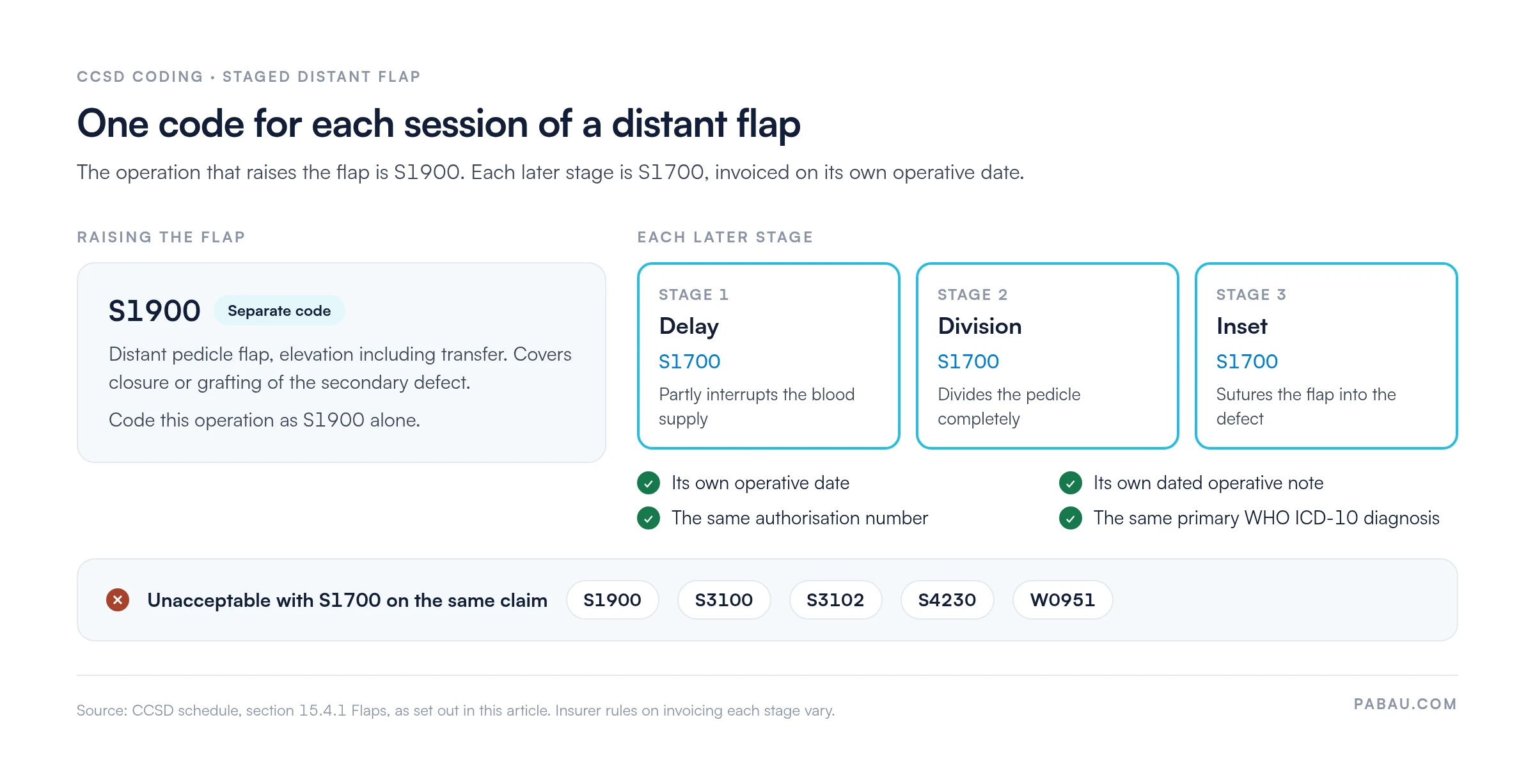
Check the CCSD unacceptable combinations list for S1700 before you build the invoice. The schedule sits behind a free login on the CCSD website, and the list can change between releases.
UK insurers expect a WHO ICD-10 diagnosis code on the invoice, not a US ICD-10-CM code. The diagnosis should explain why the defect needed a distant flap. The categories below are common starting points.
Code to the full character the insurer requires, and use the same primary diagnosis on every stage of the reconstruction.
The CCSD code tells the insurer what was done. The fee comes from that insurer’s own schedule, and it can differ between Bupa, AXA Health, Aviva and Vitality.
Ask the insurer for pre-authorisation before the first stage. A request sent after the delay has already happened can put every later stage at risk. Tell the insurer up front how many stages you plan, so later invoices are not read as duplicates.
A strong pre-authorisation request for S1700 usually includes:
A thin operative note is the fastest route to an insurer query on S1700. Because the procedure spans several sessions, each stage needs its own dated note. A digital theatre note template that prompts for each field keeps those notes consistent.
Each operative note should include these elements:
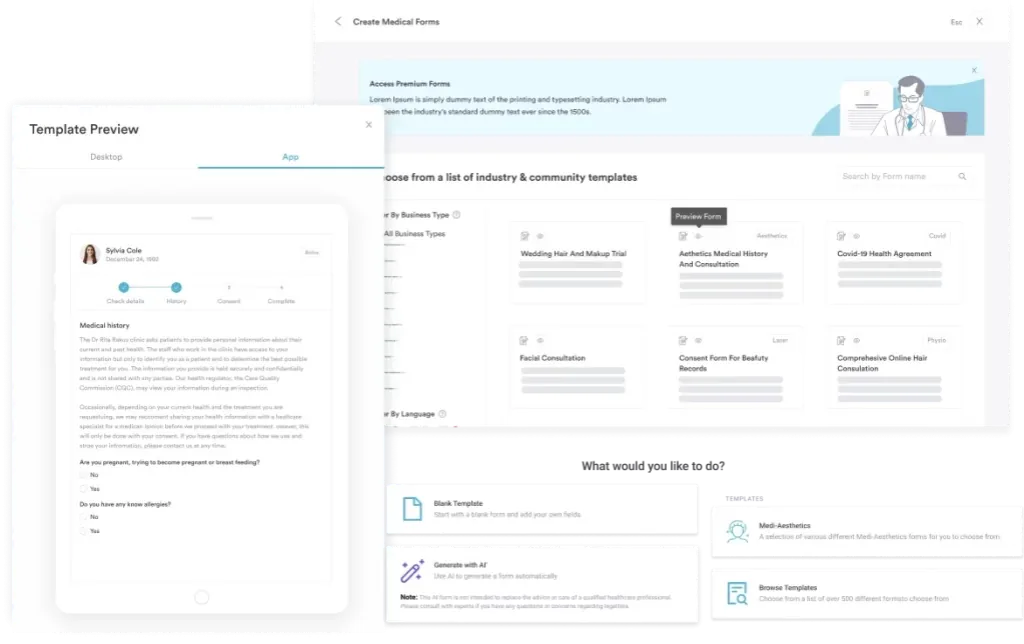
Build one theatre note template for each stage of S1700: delay, division and inset. Each template prompts for the fields that stage needs, so each dated note carries the details an insurer checks.
Most S1700 queries start because the stages are invoiced weeks apart. The insurer then has to match several invoices to one authorised reconstruction.
An anaesthetist who attends a stage sends their own invoice to the insurer for that session. Ask the insurer how it expects the anaesthetist’s fee to be coded for this procedure. Both invoices should carry the same authorisation number and diagnosis.
Some insurers pay a separate fee for a surgical assistant and some do not. Confirm the insurer’s position before the operation, and tell the patient if they will pay that fee themselves.
A staged flap creates admin that runs for weeks between operations. Pabau keeps the authorisation, the theatre notes and the invoices for that reconstruction on one patient case. That matters most in a plastic surgery practice running several reconstructions at once.
The practice records the insurer’s authorisation code on the case, with its dates and the number of authorised sessions. Pabau warns staff when an authorisation is missing, before a later stage is invoiced without one.
Theatre notes sit on the same patient record as the invoice. Pabau’s claims management then sends the invoice to UK insurers through Healthcode, and directly to Bupa.
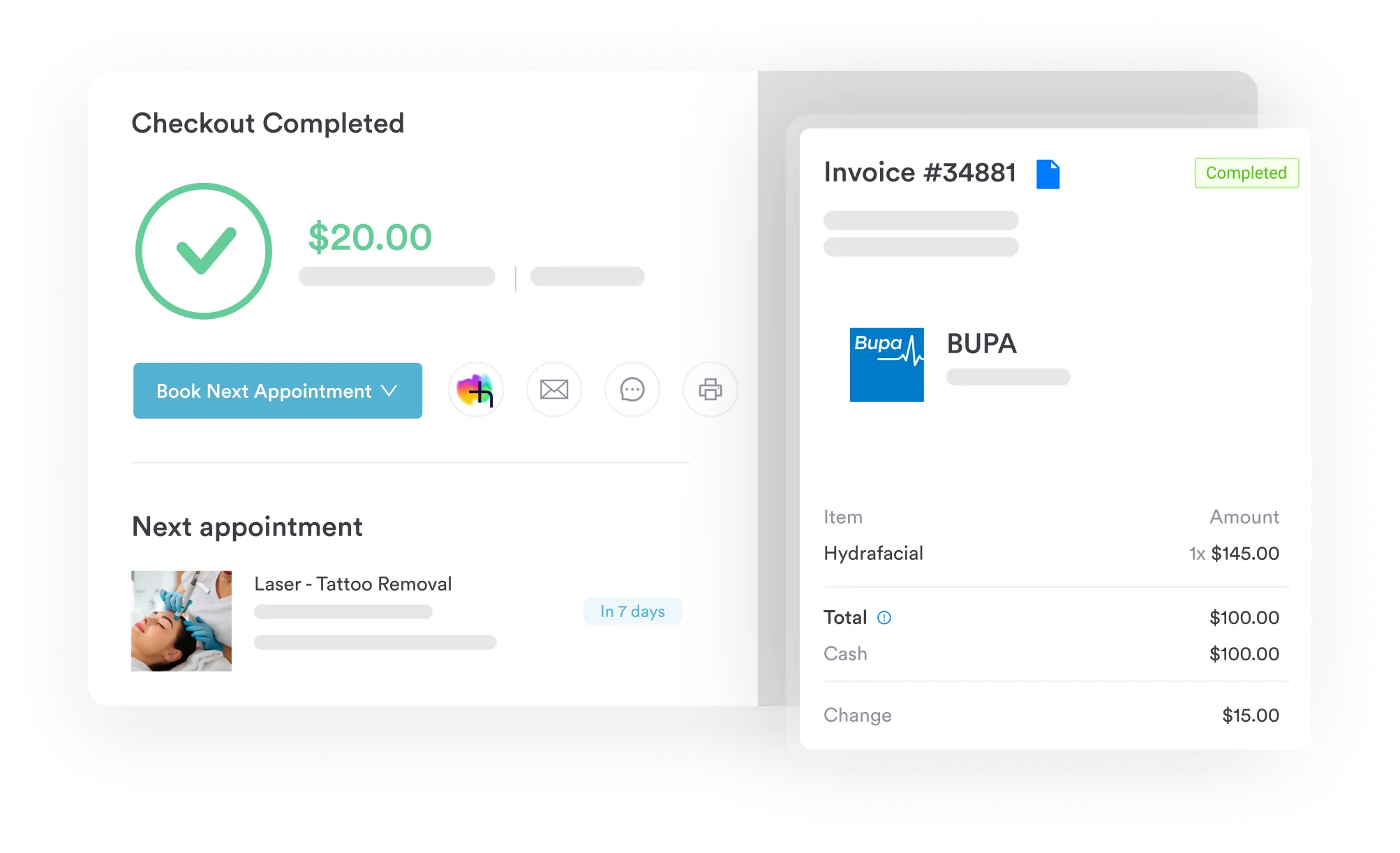

Pabau helps UK practices record the insurer’s authorisation code, dates and sessions on each case. Theatre notes and invoices sit on one record, and invoices go to insurers through Healthcode.

S1700 is straightforward to code and easy to lose on paper. The procedure is clear, but the claim stretches across weeks and several invoices.
Code the operation that raised the flap as S1900, and each later stage as S1700. Authorise every planned stage before the first one, and keep the diagnosis and authorisation number constant. Do that, and each stage reaches the insurer as part of one reconstruction.
Book a demo to see how Pabau tracks authorisations and invoices across a staged reconstruction.

Removing a head and neck lesion with a local flap? CCSD code S0655 covers benign lesion removal that needs flap closure.
Debriding a deep wound before reconstruction? CCSD code S4183 covers debridement and primary suture of trunk and limb wounds with deeper tissue involved.
Need the wider CCSD picture? Bupa CCSD codes explains how UK insurers use the CCSD schedule.
CCSD code S1700 covers the delay, division or inset stage of a distant flap. It sits in chapter 15, section 15.4.1 Flaps, of the CCSD schedule. UK private medical insurers such as Bupa and AXA Health use it. Raising and transferring the flap is coded separately, as S1900.
The Clinical Coding and Schedule Development Group maintains it. Its members include UK private medical insurers. The group defines what each code means, but it does not set fees. Each insurer applies its own fee schedule and rules.
Not for the same operation. CCSD lists S1900 as an unacceptable combination with S1700. Code the operation that raised and transferred the flap as S1900. Code each later delay, division or inset as S1700.
Each stage is a separate operation on its own date. Insurers set their own rules on invoicing each stage. Tell the insurer how many stages you plan at pre-authorisation. Then date each invoice to its session and quote the same authorisation number.
Each stage needs a dated operative note. It should describe the donor and recipient sites, the flap size and the stage performed. It should also give the date of the previous stage, the perfusion findings and the donor-site management. Use the same primary WHO ICD-10 diagnosis on every stage.
Yes, for most UK private medical insurers. Ask before the first stage and describe the full staging plan. Include clinical photographs and the diagnosis code. A request made after the delay stage can put later invoices at risk.