HCPCS Code Q4135: Billing Guide for Biovance Amniotic Membrane
HCPCS Code Q4135: Official Descriptor and Product Details HCPCS Code Q4135 is a ...

Last Updated: Nov 16, 2026
S4183 is the CCSD code for debridement and primary suture of wound with involvement of deeper tissue – trunk and limbs. It applies when the surgeon excises contaminated or devitalised tissue and closes the wound at the same sitting. The wound must reach below the subcutaneous fat into fascia, muscle sheath or muscle.
The code sits in chapter 15 of the CCSD schedule, under Repair. UK private medical insurers use it to authorise and pay for the procedure. A wound that stops at the subcutaneous fat takes S4213, and a deep head or neck wound takes S4182.
Let Pabau's smart automation suggest the right codes, reduce claim denials, and keep your practice compliant—effortlessly.
Automate repetitive tasks and focus on what matters most—your patients.
Reduce coding errors and ensure compliance with the latest regulations.
Clean claims, fewer denials, and faster reimbursements.
Powerful insights and reporting to help your practice thrive.
HIPAA compliant SOC 2 certified GDPR-compliant Trusted by 4,000+ clinics worldwide

CCSD code S4183 covers debridement and primary suture of a wound with deeper tissue involvement on the trunk and limbs
Debridement and primary suture must both happen in the same session, and the wound must reach below the subcutaneous fat
A wound limited to skin and subcutaneous fat is S4213, which CCSD lists as an unacceptable combination with S4183
UK private medical insurers such as Bupa, AXA Health, Aviva and Vitality use the CCSD schedule and expect pre-authorisation before treatment
Pabau’s clinical note templates and Healthcode integration help practices capture the wound detail and send insurer invoices electronically
CCSD code S4183 describes debridement and primary suture of a wound with involvement of deeper tissue on the trunk and limbs. It sits in chapter 15 (Skin and subcutaneous tissue) of the CCSD schedule, under Repair. The CCSD Group’s schedule holds the standard procedure codes for the UK private healthcare sector.
UK private medical insurers, including Bupa, AXA Health, Aviva and Vitality, use the schedule to classify procedures and set fees.
Three elements must all be present for S4183 to apply:
The anatomical restriction sits in the descriptor itself: trunk and limbs. The matching deeper tissue code for the head and neck is S4182.
Deeper tissue wound repair is a stepwise surgical procedure that goes well beyond irrigation and stitch closure. The clinical sequence helps clarify when S4183 is the right code and when a simpler wound code fits.
Anaesthesia may be local or general, depending on wound size, depth, patient cooperation and theatre availability. The anaesthetic route does not change the procedure code. An anaesthetist who gives a general anaesthetic invoices the insurer separately.
S4183 applies to traumatic and post-surgical wounds on the trunk and limbs that reach below the subcutaneous fat. The wound must also be dirty or devitalised enough to need formal debridement before closure. Common clinical scenarios include:
The trunk covers the front and back of the torso: chest wall, abdomen, back, flanks and buttocks. The limbs cover the upper and lower extremities. Head and neck wounds take S4182. If you are unsure whether a site counts as trunk or limb, check the CCSD schedule or ask the insurer before billing.
Deeper tissue involvement means the wound extends below the skin and subcutaneous fat into fascia, muscle sheath or muscle. The threshold is anatomical depth, not wound length. A 10 cm laceration confined to skin and fat belongs under S4213. A 3 cm wound that opens into the fascial plane qualifies for S4183, provided debridement and primary closure are both performed.
Clinical notes must name the tissue layers encountered and debrided. If an insurer queries the claim, phrases such as “fascia exposed and debrided” or “muscle sheath breached” justify the code.
Two neighbouring codes in CCSD chapter 15 cover the same procedure at a different site or depth. The table below sets out the differences. Check exact descriptors against the current CCSD schedule and the Bupa CCSD procedure codes list before billing. To check a neighbouring code’s own billing rules, search the CCSD code library.
CCSD also lists S5712 as an unacceptable combination with S4183. Neither S5712 nor S4213 should appear on the same claim as S4183. The three checks below settle which of the three wound codes applies.
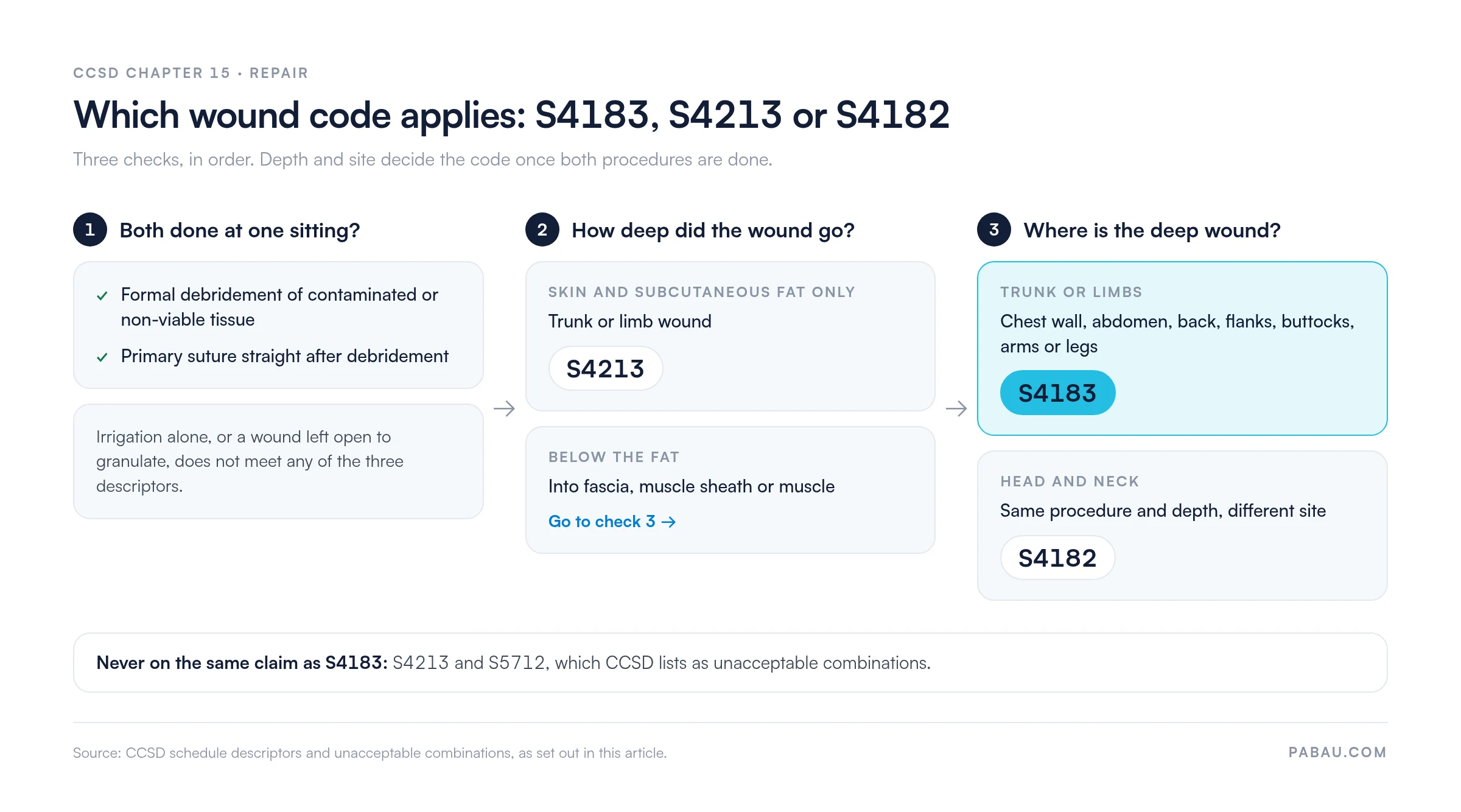
Before selecting S4183, ask two questions. Was formal debridement performed, not just irrigation? Did the wound reach fascia, muscle sheath or muscle? Both must be true. A trunk or limb wound that stopped at the subcutaneous fat is S4213.
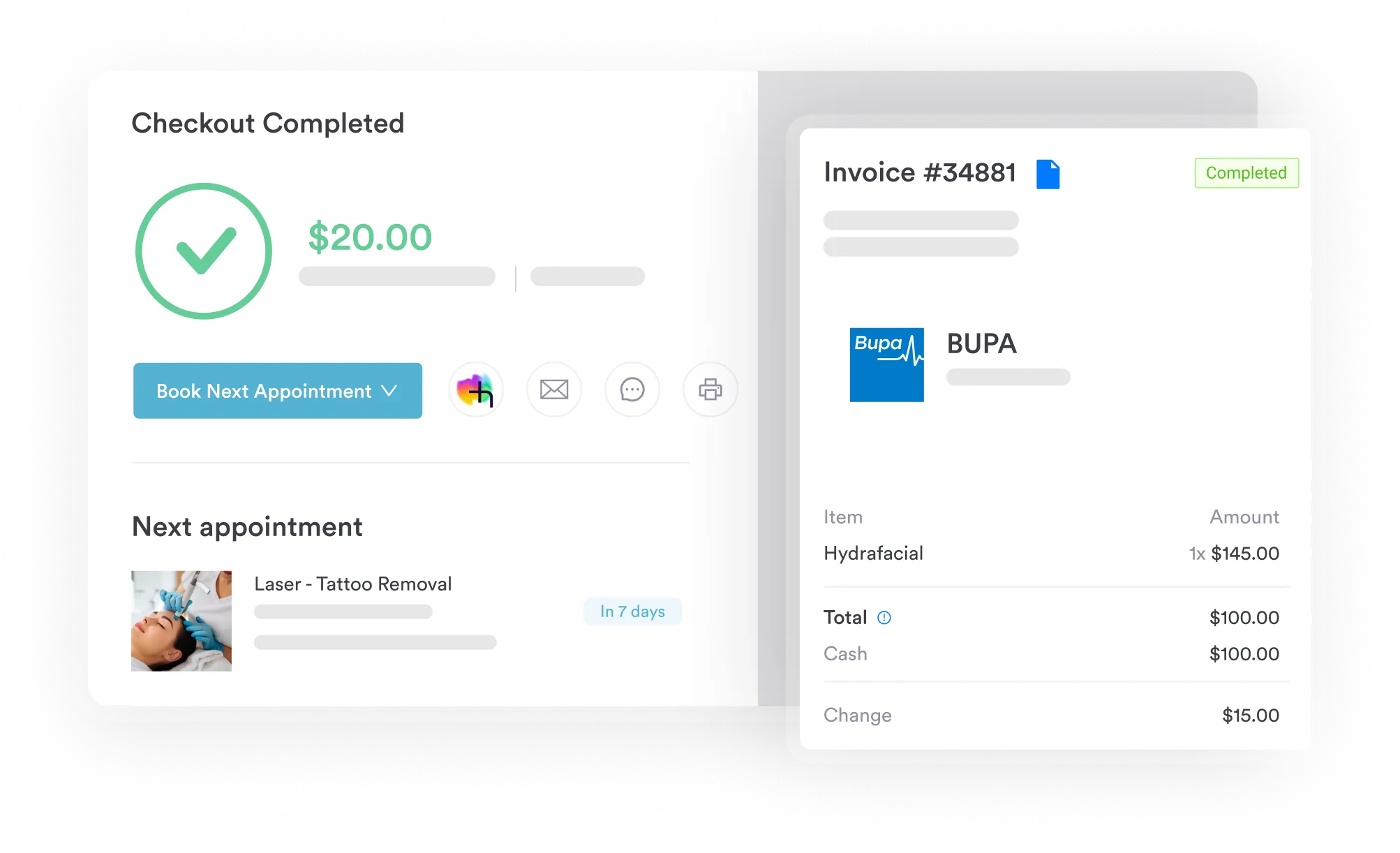
A clean S4183 claim needs the correct code, the insurer’s pre-authorisation number, and notes that prove deeper tissue involvement and debridement. Most UK practices send insurer invoices electronically through Healthcode. Pabau, the practice management platform we build, sends those invoices from the patient record through its claims software for insurers.
Where an insurer asks for an ICD-10 diagnosis code, the examples below are a starting point, not a mandate. Select the code that most accurately matches the documented presentation.
Each UK insurer sets its own pre-authorisation rules, so check before every planned procedure.
Record the authorisation number on the invoice and keep the insurer’s confirmation in the clinical file.
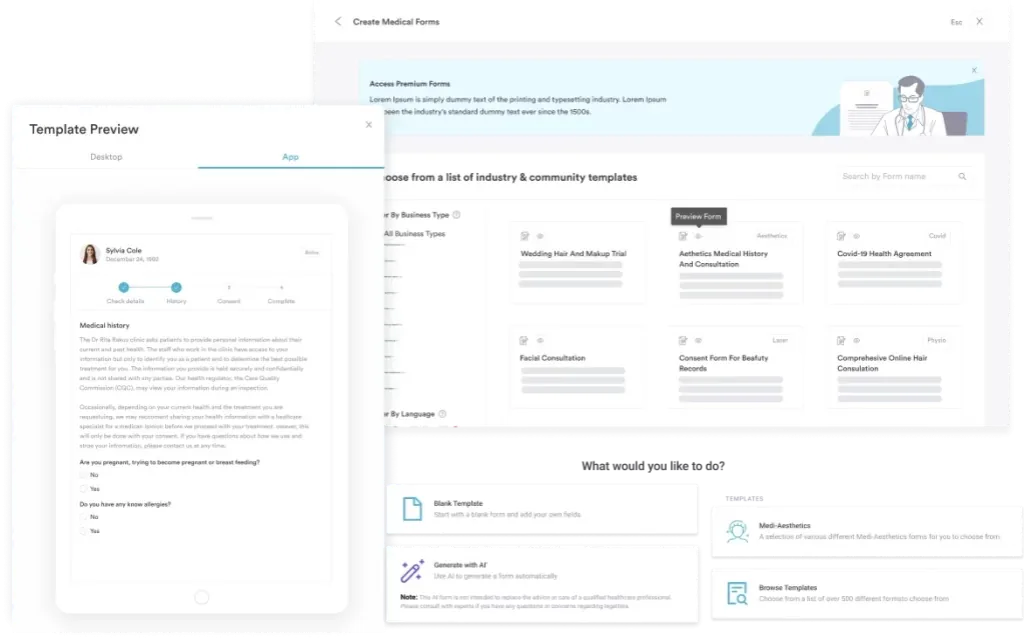
When an insurer queries an S4183 claim, it looks for clinical evidence of deeper tissue involvement and formal debridement. Structured digital clinical forms capture those details at the point of care. Nobody then has to reconstruct them after a query.
The following elements must appear in the clinical record:
A complete operative record also settles the S4213 question. It shows the wound went below the subcutaneous fat, which is the line between the two codes.
Insurers set their fees against CCSD codes and enforce the schedule’s coding rules. Healix’s fee schedule guidelines, for example, bar itemised component billing and unacceptable combinations. The patterns below are the ones to design out of your workflow.
CCSD flags code pairs that should not be billed together, to prevent overlap and unbundling. CCSD lists S4213 and S5712 as unacceptable combinations with S4183.
Insurers set their own rules for separate procedures in one session. The WPA medical fees guidance, for example, follows CCSD’s combination guidance. WPA pays up to 100% of the first procedure’s maximum, up to 50% for the second and up to 25% for each one after.
The anaesthetist and the hospital invoice the insurer separately, so their fees do not sit on the surgeon’s S4183 invoice. Check each insurer’s own fee schedule before you rely on a combination.
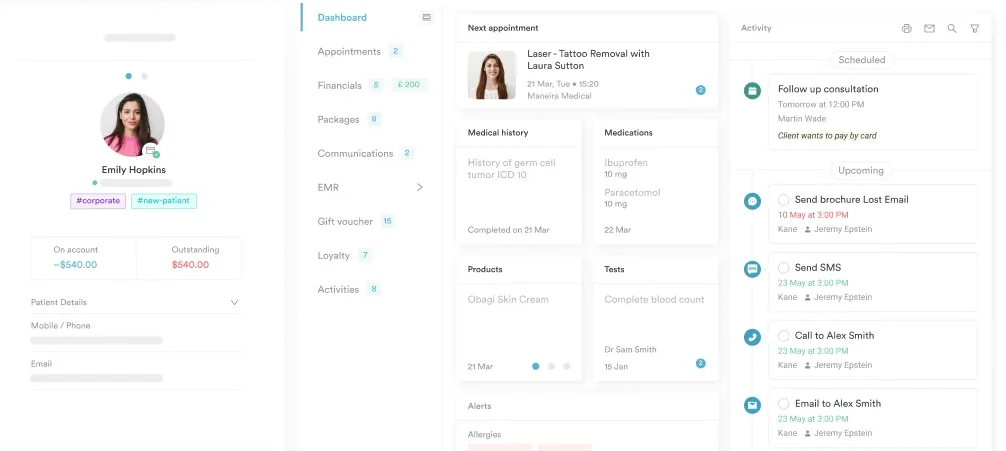
A deep wound repair creates work in two places, the operative note and the insurer invoice. Pabau keeps both on one patient record. Its note templates prompt for wound dimensions, tissue layers, debridement technique and closure details, so the surgeon records depth while the case is fresh.
Billing staff can open the operative note from the patient record and check it before an invoice leaves. Pabau’s Healthcode integration then sends the invoice electronically to UK insurers, including Bupa.
Build a wound debridement note template with mandatory fields: wound site, dimensions in cm, tissue layers, debridement method, layers closed with suture material, and setting. A complete note is the most effective way to prevent S4183 queries.

Pabau helps UK practices template surgical notes, record pre-authorisation details and send insurer invoices through Healthcode. See how it keeps S4183 claims complete before they leave the practice.

CCSD code S4183 turns on one anatomical fact: a trunk or limb wound that reached below the subcutaneous fat. The operative note has to prove it, layer by layer, or the claim drifts towards S4213.
Get the record right and the rest is UK insurer routine. Pre-authorise, put your fee in writing, and keep S4213 and S5712 off the same claim.
Book a demo to see how Pabau captures wound documentation and sends insurer invoices through Healthcode.

Did the wound stop at the subcutaneous fat? CCSD code S4213 covers debridement and primary suture of trunk and limb wounds limited to skin and fat.
Billing other CCSD codes alongside wound procedures? Bupa CCSD procedure codes and fee schedule gives a broader overview of CCSD coding for UK private billing.
Looking to reduce claim rejections across your practice? Claims management software from Pabau helps practices flag incomplete claims before submission.
CCSD code S4183 covers debridement and primary suture of a wound with involvement of deeper tissue on the trunk and limbs. Formal debridement and primary closure must both happen in the same session. The wound must reach below the subcutaneous fat, and head and neck wounds take S4182 instead.
Both codes cover debridement and primary suture of a trunk or limb wound. S4213 applies when the wound is limited to skin and subcutaneous fat. S4183 applies when it involves deeper tissue such as fascia or muscle. CCSD lists the two as an unacceptable combination.
The record should give wound dimensions in centimetres, the tissue layers identified and debrided, and the nature of the contamination. It should also note the debridement technique, each layer closed with its suture material, the setting and the anaesthetic type.
Common causes are thin notes on deeper tissue involvement and billing an S4213 wound as S4183. Missing pre-authorisation, an unacceptable combination such as S4213 or S5712 on the same claim, and head or neck wounds billed as S4183 also cause problems.
The pairing depends on the documented diagnosis. Examples include site-specific open wound codes for the trunk and limbs, T79.3 for post-traumatic wound infection and T81.3 for disruption of an operation wound. W54 or W55 can be added for a dog or other mammal bite.
It depends on the code. CCSD lists S4213 and S5712 as unacceptable combinations with S4183, so do not bill them together. Where separate procedures are allowed, insurers such as WPA pay a reduced percentage for each extra code. Check the insurer fee schedule before submitting.