CCSD code K1800: Valve to cardiac conduit billing guide
CCSD code K1800 covers a valve fitted into a cardiac conduit CCSD code K1800 is ...

Last Updated: Oct 22, 2026
J1900 is the CCSD code for anastomosis of gall bladder (to another viscus). The surgeon joins the gallbladder to the stomach, duodenum or jejunum, so bile bypasses a blocked lower bile duct. UK private medical insurers, including Bupa, use CCSD codes like this one to pay the surgeon and anesthetist.
Most J1900 operations are palliative, often for a pancreatic head tumor that cannot be removed. The claim turns on one detail: the gallbladder stays in place. If it was removed, a cholecystectomy code applies instead. Freedom Health Insurance rates J1900 as Xmajor and pays the surgeon £700 on its July 2026 schedule.
Let Pabau's smart automation suggest the right codes, reduce claim denials, and keep your practice compliant—effortlessly.
Automate repetitive tasks and focus on what matters most—your patients.
Reduce coding errors and ensure compliance with the latest regulations.
Clean claims, fewer denials, and faster reimbursements.
Powerful insights and reporting to help your practice thrive.
HIPAA compliant SOC 2 certified GDPR-compliant Trusted by 4,000+ clinics worldwide

CCSD code J1900 covers an operation that joins the gallbladder to the stomach, duodenum or jejunum.
Surgeons mostly use it as a bypass when a blockage low in the bile duct stops bile from draining.
If the gallbladder was removed, or a bile duct was joined instead, a neighboring code such as J1800 or J3000 applies.
Fees vary by insurer. Freedom Health Insurance rates J1900 as Xmajor and pays the surgeon £700 on its July 2026 schedule.
The pre-authorization should name J1900 itself, so update it if the plan changed during the operation.
CCSD code J1900 is the UK private insurance code for “anastomosis of gall bladder (to another viscus).” The surgeon creates a new opening between the gallbladder and a nearby hollow organ. That organ is usually the jejunum, the duodenum or the stomach.
Bile then drains from the liver through the cystic duct and gallbladder, straight into the bowel. The blocked lower part of the common bile duct is bypassed rather than removed.
CCSD stands for Clinical Coding & Schedule Development. Its schedule is the procedure code set UK private medical insurers, such as Bupa, use to pay specialists. Our guide to CCSD codes explains how the schedule is organized.
NHS hospitals record the same operation under OPCS-4 category J19, “Connection of gall bladder.” Its first four codes name the organ the gallbladder is joined to.
OPCS-4 also has separate codes for revising or closing a gallbladder anastomosis, J19.5 and J19.6. Check the CCSD schedule before you bill J1900 for either of those operations.
Most J1900 operations are palliative. A tumor in the head of the pancreas or the lower bile duct squeezes the duct shut. Bile backs up, and the patient develops jaundice, itching and a poor appetite.
Joining the gallbladder to the jejunum gives bile a new route out. It suits patients whose tumor cannot be removed but who are fit enough for surgery. An endoscopic stent is the main alternative, so the notes should say why surgery was chosen.
The bypass only works when the cystic duct is open. The blockage also has to sit well below the point where the cystic duct joins the bile duct. Surgeons check both on imaging first, and the operative note should record what they found.
J1900 sits in the CCSD section for other organs (mainly digestive), next to the gallbladder and bile duct codes. Several of those neighbors describe operations that look alike on a surgical list.
One question about the operative note sorts them: what happened to the gallbladder?
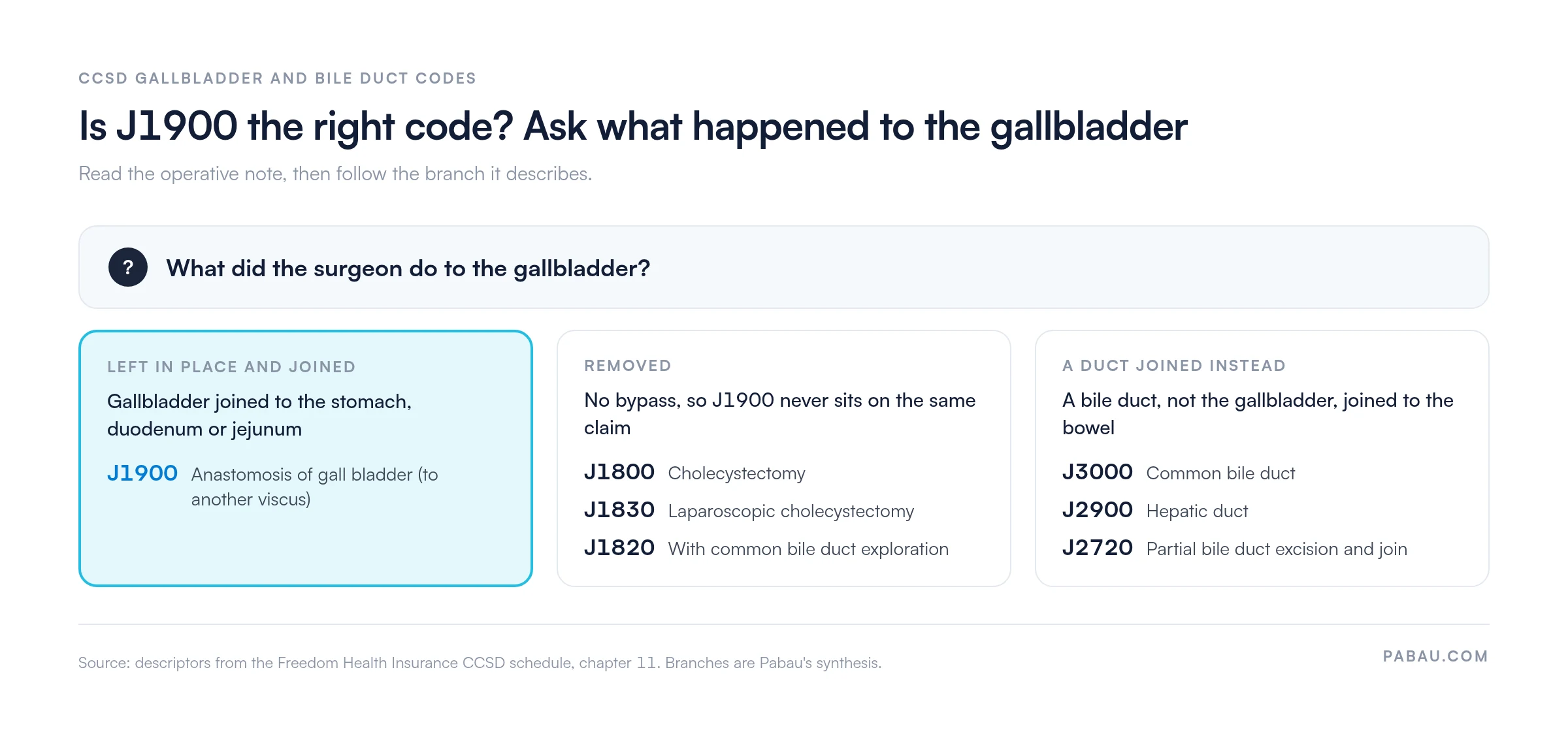
A removed gallbladder cannot also be joined to the bowel. For that reason, J1900 never belongs on the same claim as a cholecystectomy code for one operation. When in doubt, check the unacceptable combinations listed against J1900 on the CCSD schedule.
Descriptors in the table follow the Freedom Health Insurance chapter 11 schedule. For how one large insurer applies CCSD codes, see our Bupa CCSD codes guide.
Insurers read the ICD-10 code to see why the bypass was needed. A gallstone diagnosis on its own may prompt a query, because gallstones are usually treated by removing the gallbladder.
Check each code in the WHO ICD-10 browser against the operative note. Code the confirmed diagnosis, not the working one from the referral letter.
The insurer pays for the operation the note describes. A vague note forces the claims team to guess, and a guessed code invites a query. Make sure the note records these points.
That last point comes up often in palliative surgery. A pancreatic head tumor can block the duodenum as well as the bile duct, so the surgeon may add a gastrojejunostomy. The second join is billed under G3210, so check the insurer accepts the pair.
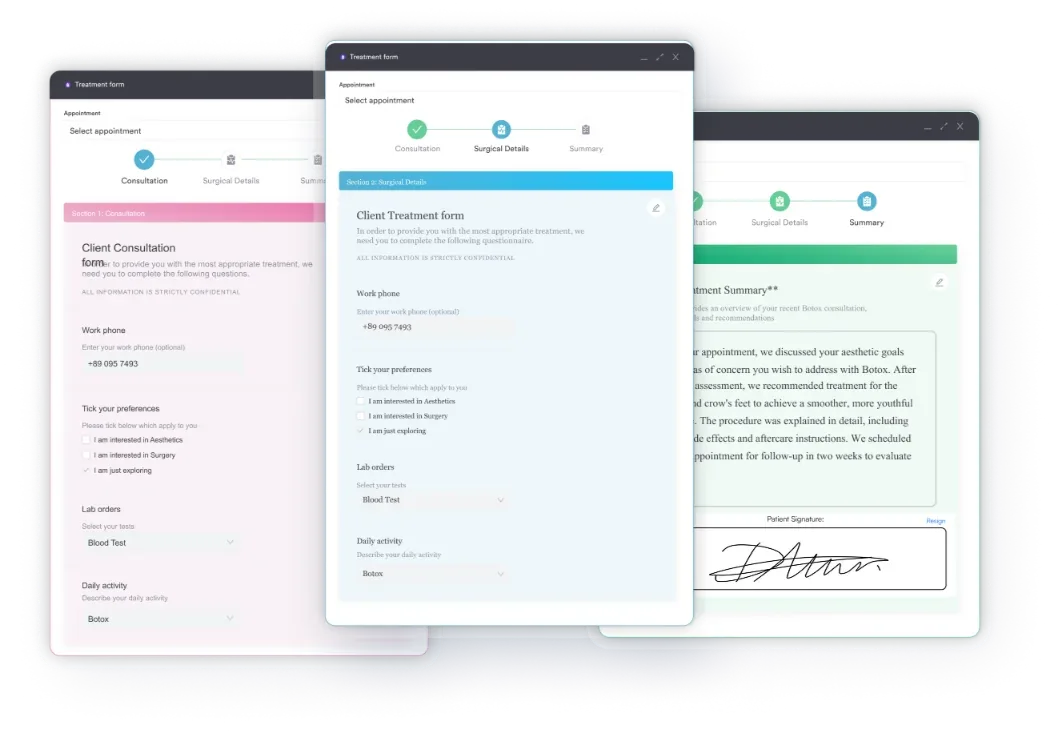
Consent belongs on the same record. Insurers can ask for the signed form, and a missing one slows payment. Practices using digital consent forms collect the signature before surgery and file it with the patient record.
A J1900 claim passes through five hands before it is paid. Each step adds a detail the next one relies on.
Each insurer sets its own fee for J1900. On its July 2026 schedule, Freedom Health Insurance rates J1900 as Xmajor. It pays £700 to the surgeon and £357 to the anesthetist. Other insurers publish their own figures, so quote from the patient’s policy.
Most rejected J1900 claims fail for one of five reasons. Each has a simple fix if you catch it before submission.
A two-minute review catches most of the problems above. Work through this list before you press send.
In many surgical practices, the operative note lives in one system and the authorization number in an inbox. Someone then retypes the claim, and each re-keyed field can introduce an error.
Pabau keeps those details on one patient record instead. The insurer and policy sit on the record, and the CCSD and ICD-10 codes link on the invoice. With claims management, the claim goes to Healthcode without leaving Pabau.
Before a claim is sent, Pabau checks that required fields, such as membership and authorization numbers, are filled in. It does not pick the code for you, so the checks above still matter. Teams outside the UK send claims the same way, through Claim.MD in the US or Tyro Health in Australia.
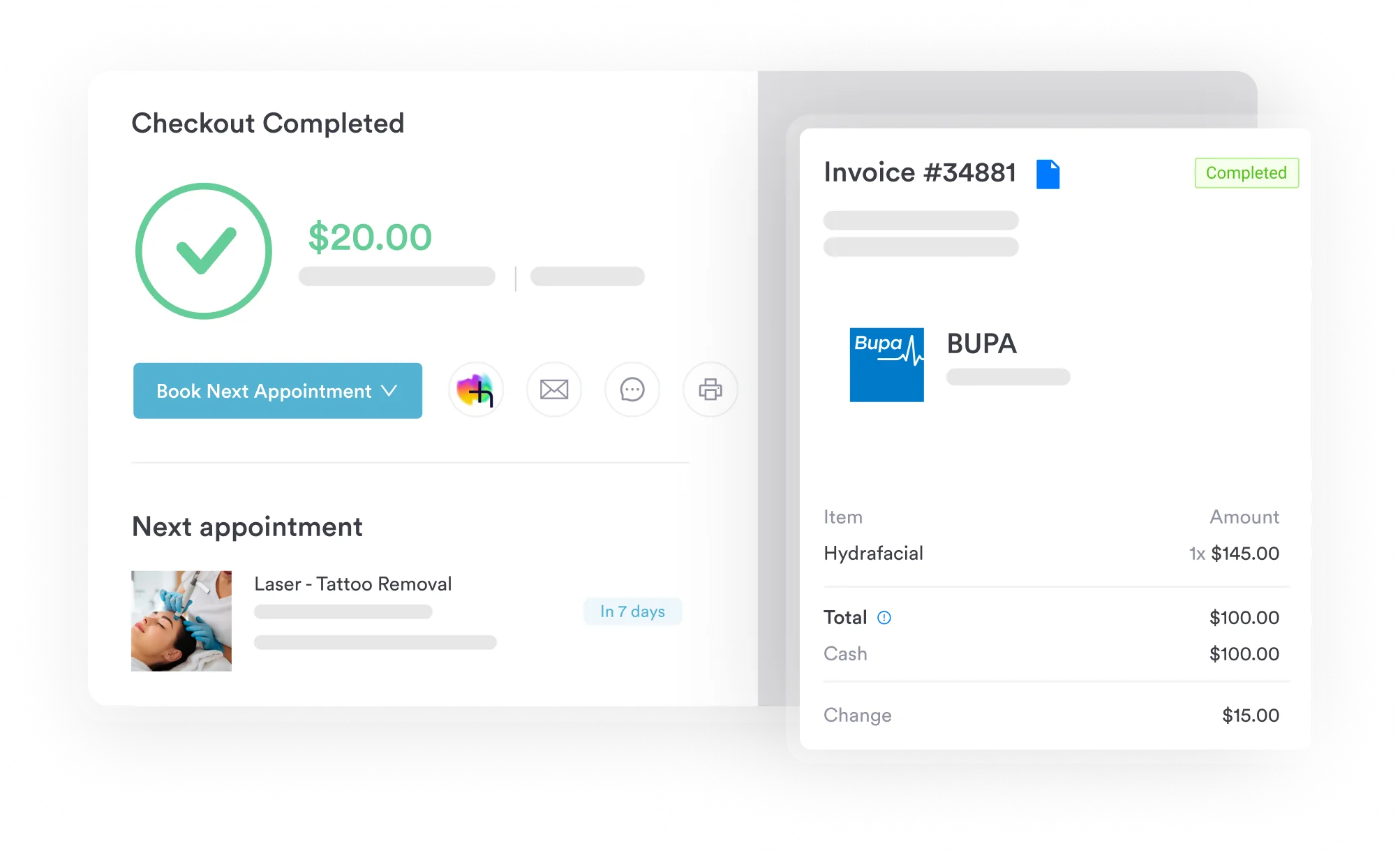

Pabau helps UK private surgical teams keep operative notes, CCSD codes and Healthcode claims on one record, so fewer details get retyped.

J1900 is simple to bill once the note confirms two facts. The gallbladder stayed in place, and the surgeon joined it to another organ.
Most errors come from a neighboring code, a gallstone-only diagnosis or an authorization for a different operation. Catch those before submission, and the insurer has little reason to query the claim.
Book a demo to see how Pabau links the operative record, the CCSD code and the Healthcode claim for your billing team.

Coding a gallbladder removal instead? CCSD code J1820 covers cholecystectomy with bile duct exploration.
Billing another digestive anastomosis? CCSD code J5900 explains anastomosis of the pancreatic duct.
Adding a gastrojejunostomy to the same operation? CCSD code G3210 covers gastrojejunostomy claims.
Checking what Bupa pays? Bupa procedure codes and fee schedule links Bupa codes to their fees.
J1900 covers an operation that joins the gallbladder to another organ, usually the jejunum, duodenum or stomach. It bypasses a blocked lower bile duct so bile can drain.
The CCSD descriptor does not name an approach. Record whether the join was open or laparoscopic in the operative note, and check the insurer’s schedule for any separate code.
No. J1900 needs the gallbladder left in place, so it cannot sit alongside J1800, J1830 or another removal code for the same operation.
Pair it with the cause of the blockage in the operative note. Common choices are C25.0 for a pancreatic head tumor, C24.0 for a bile duct tumor and K83.1 for bile duct obstruction.
Fees vary by insurer. Freedom Health Insurance’s July 2026 schedule rates J1900 as Xmajor, paying £700 to the surgeon and £357 to the anesthetist.
No. A stent placed endoscopically is a different procedure with its own code. J1900 applies only when the surgeon joins the gallbladder to another organ.
NHS hospitals code the operation under OPCS-4 category J19, Connection of gall bladder. J19.1 to J19.3 cover joins to the stomach, duodenum and jejunum.