



HCPCS code E0198: Water pressure pad billing guide
HCPCS code E0198 is a water pad for a standard mattress HCPCS code E0198 is the ...

Last Updated: Oct 13, 2026

CPT code 22224 covers an osteotomy of the spine with discectomy, using an anterior approach at a single lumbar segment.
Surgeons use it to correct lumbar deformity or alignment, most often kyphosis, scoliosis, flatback deformity, or adjacent segment disease.
CPT 22226 is the add-on code for each additional vertebral segment, and it cannot be billed on its own.
Documentation must name the anterior approach, the exact vertebral level, the bone-cutting technique, and the failed conservative treatment.
Practice management software like Pabau flags NCCI edit conflicts and tracks payment against the expected Medicare rate for 22224.
According to the American Medical Association’s CPT code set, CPT code 22224 describes: Osteotomy of spine including discectomy, anterior approach, single vertebral segment; lumbar.
The code covers removal of a section of vertebral bone and the disc tissue beside it. The surgeon then realigns the lumbar spine through an anterior, or front, incision. It is high-complexity surgery billed as a single primary code.
The procedure targets spinal deformity correction, including kyphosis, scoliosis, flatback deformity, and adjacent segment disease.
Every element of that descriptor does billing work. Approach, spine region, segment count, and the discectomy each decide whether 22224 is the right code.
CPT code 22224 is appropriate when a surgeon performs an osteotomy at a single lumbar vertebral level using an anterior approach, with concurrent discectomy. The key selection criteria are approach (anterior, not posterior), spine region (lumbar, not cervical or thoracic), and segment count (one level only).
Diagnosis codes must support medical necessity. The ICD-10-CM codes most commonly paired with CPT code 22224 include the following spinal deformity and structural conditions.
Diagnosis code selection remains the clinician’s responsibility. These codes are commonly used with CPT code 22224, not prescribed pairings. Payer coverage policies vary, and some carriers apply local coverage determinations (LCDs) that specify which diagnosis codes support medical necessity for lumbar osteotomy.
The 222xx code family covers spinal osteotomies across different regions and segment counts. Picking the wrong code inside this family is one of the most common errors in spine surgery billing. CPT code 22224 sits in the lumbar single-segment slot, and cervical, thoracic, and multi-level work each carry their own code.
The choice between 22224 and 22220 turns on where in the spine the osteotomy happens, not on how the surgery was performed. A posterior lumbar osteotomy falls outside the 222xx family and carries its own codes. When the approach is unclear, the operative report settles it.
Bone removal in the lumbar spine that is not an osteotomy also codes separately. Partial excision of a posterior vertebral component belongs to 22102, and percutaneous disc work sits further away again, at percutaneous disc work.
CPT code 22224 carries substantial relative value units (RVUs), reflecting the complexity of anterior lumbar spinal osteotomy. RVU values have three components: work RVU for physician time and intensity, practice expense RVU for overhead, and malpractice RVU. The CMS Physician Fee Schedule lookup tool publishes the exact current-year value for each one.
CMS updates those values every year in the Medicare Physician Fee Schedule (MPFS) final rule. The table below covers the structure behind the payment rather than this year’s figures. Verify the current conversion factor and your local geographic practice cost index (GPCI) before you submit. A tool like FastRVU gives you a quick check of the published values.
Spine surgery carries high work RVUs next to most other procedure categories, which reflects the operative complexity. Private payer rates for CPT code 22224 usually sit above Medicare rates, but they vary widely by contract. Never assume a commercial rate without a current payer contract or fee schedule on file.
Track the payment you receive for CPT code 22224 against the expected Medicare rate. A payer that sits consistently below the CMS national average is a contract renegotiation target, not just a billing anomaly. Pabau’s claims management software can flag that pattern for you automatically.
Modifier selection for CPT code 22224 decides whether a claim pays or denies. Anterior lumbar spinal osteotomy often involves two surgeons, surgical assistants, and multi-procedure encounters, and each of those needs a specific modifier. Leaving a required modifier off does as much damage as picking the wrong one.
CPT code 22224 covers a single lumbar vertebral segment. When the same procedure extends to additional vertebral levels in one operative session, add-on codes are required. Add-on codes are never billed alone. They always accompany the primary code, as structural bone graft harvested through a separate incision does under 20938.
NCCI (National Correct Coding Initiative) edits may bundle specific add-on codes with 22224, depending on the payer and the current edit version. The CMS NCCI policy manual is the authoritative source for current bundling rules. These edits change quarterly, so a code pair that was separately reimbursable last year may be bundled today.
The operative report carries the whole claim for CPT code 22224. It has to justify both the procedure billed and the approach documented. A note that records only “lumbar osteotomy performed” leaves out the vertebral level, the anterior approach, and the discectomy. That claim is exposed to audit and reversal.
The elements below make a 22224 claim defensible. Capturing each one consistently is easier with digital forms built around structured surgical note templates.
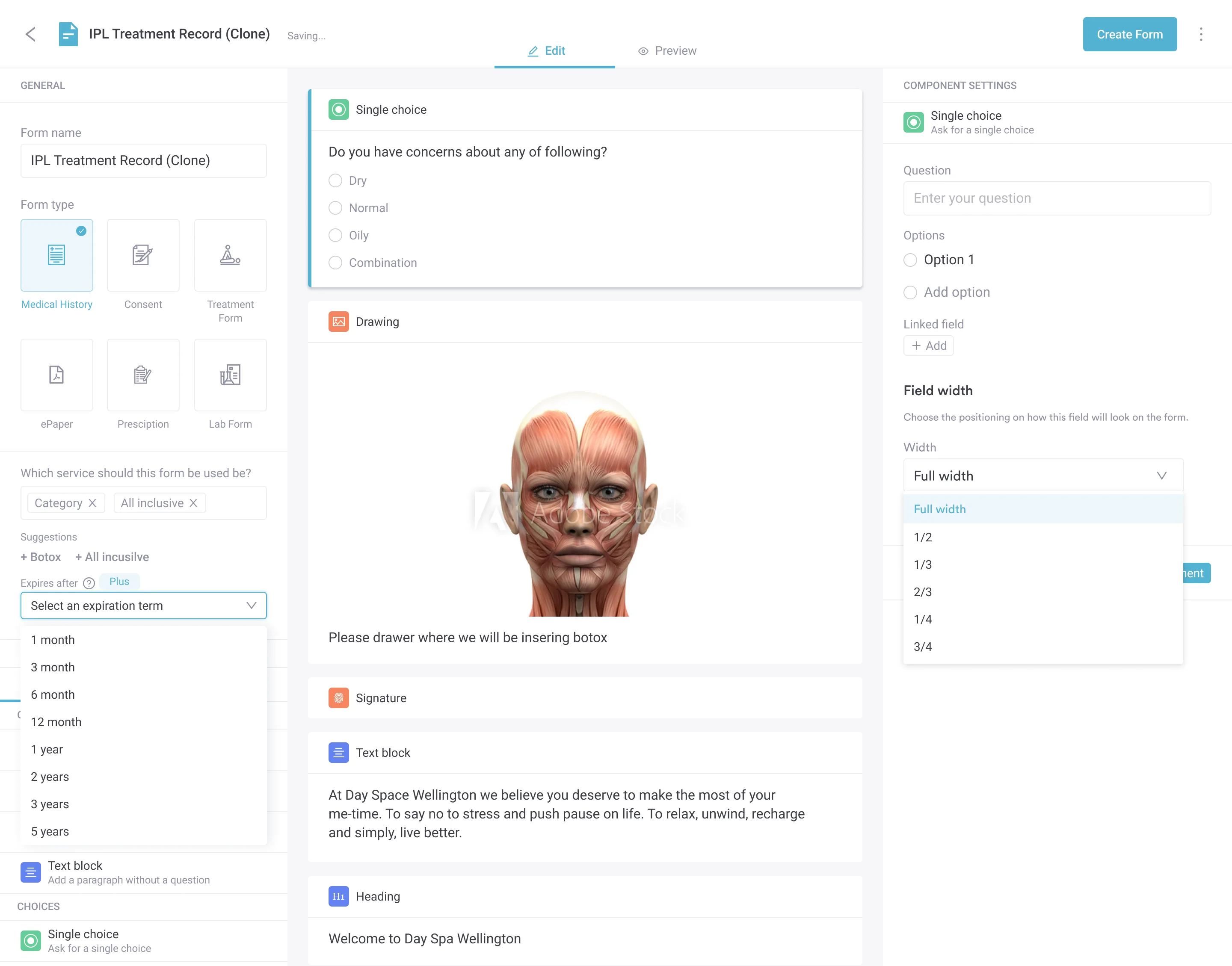
Structured operative report templates cut the risk of missing a required field. A paperless workflow then keeps those notes retrievable months later, when a payer asks for the file.
Prior authorization requirements for CPT code 22224 vary by payer and plan, so there is no universal rule. Most major commercial insurers require pre-authorization for complex spinal surgery, though the clinical criteria differ between them.
Medicare does not require prior authorization for 22224 in most settings. Medicare Advantage plans set their own rules, so check the specific plan rather than assuming the Medicare position applies.
When you submit a prior authorization request for lumbar spinal osteotomy, include the following to minimize back-and-forth with the payer:
The evidence of failed conservative care usually sits with another provider. Notes from the physical therapy or sports medicine team that managed the patient before surgery carry the dates and outcomes a payer wants to see.
Prior authorization denials for 22224 are often overturned on appeal once the missing documentation arrives. Requesting it before the first submission saves that round trip. Automated billing workflows that trigger the request when the procedure is scheduled prevent the last-minute rush that leads to incomplete submissions.
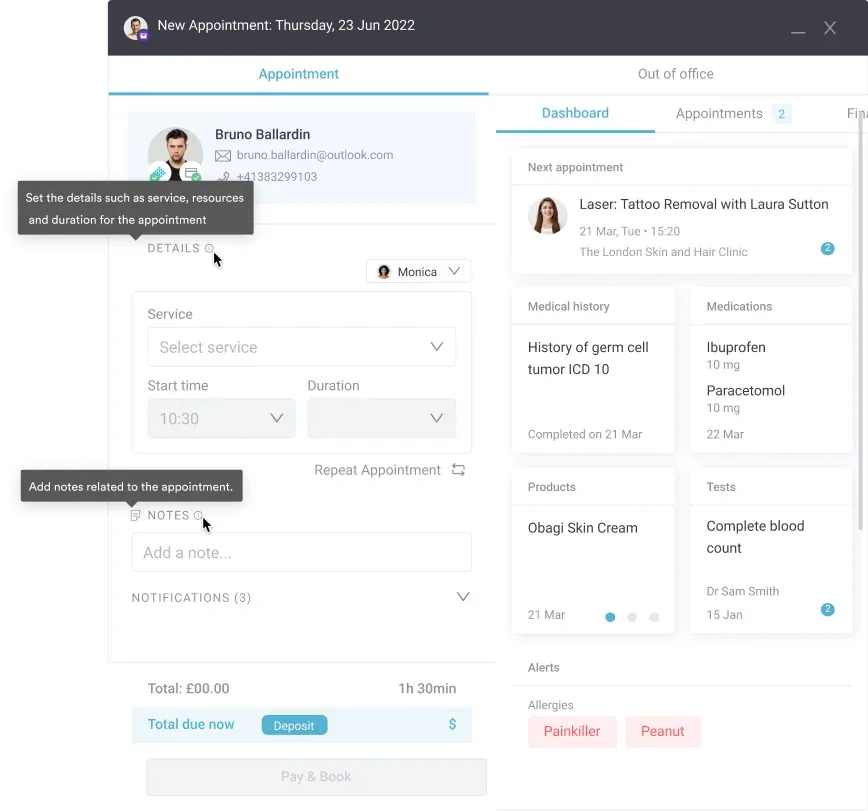
Spinal osteotomy billing carries a higher audit risk than most surgical categories. The code specificity required, the high RVU values involved, and the frequency of co-surgery arrangements all contribute. These are the mistakes that most often end in a denial or a clawback.
For high-RVU codes like CPT code 22224, one modifier error or one missing documentation element can hold up tens of thousands of dollars per case. Standalone reference tools help a coder look up the code. They do nothing at the point where the clinical note is written.
Pabau’s claims management software connects the documentation workflow to claim submission, so the operative note, diagnosis codes, and CPT codes travel together from the outset. When a coder opens a lumbar osteotomy claim, the documentation requirements for 22224 sit next to it. That ordering removes the code-first, document-later pattern behind most denials. Denial rate by code shows which services are worth a process fix and which are one-off errors. Risk of complications carries more weight than volume of notes when the visit level is questioned.
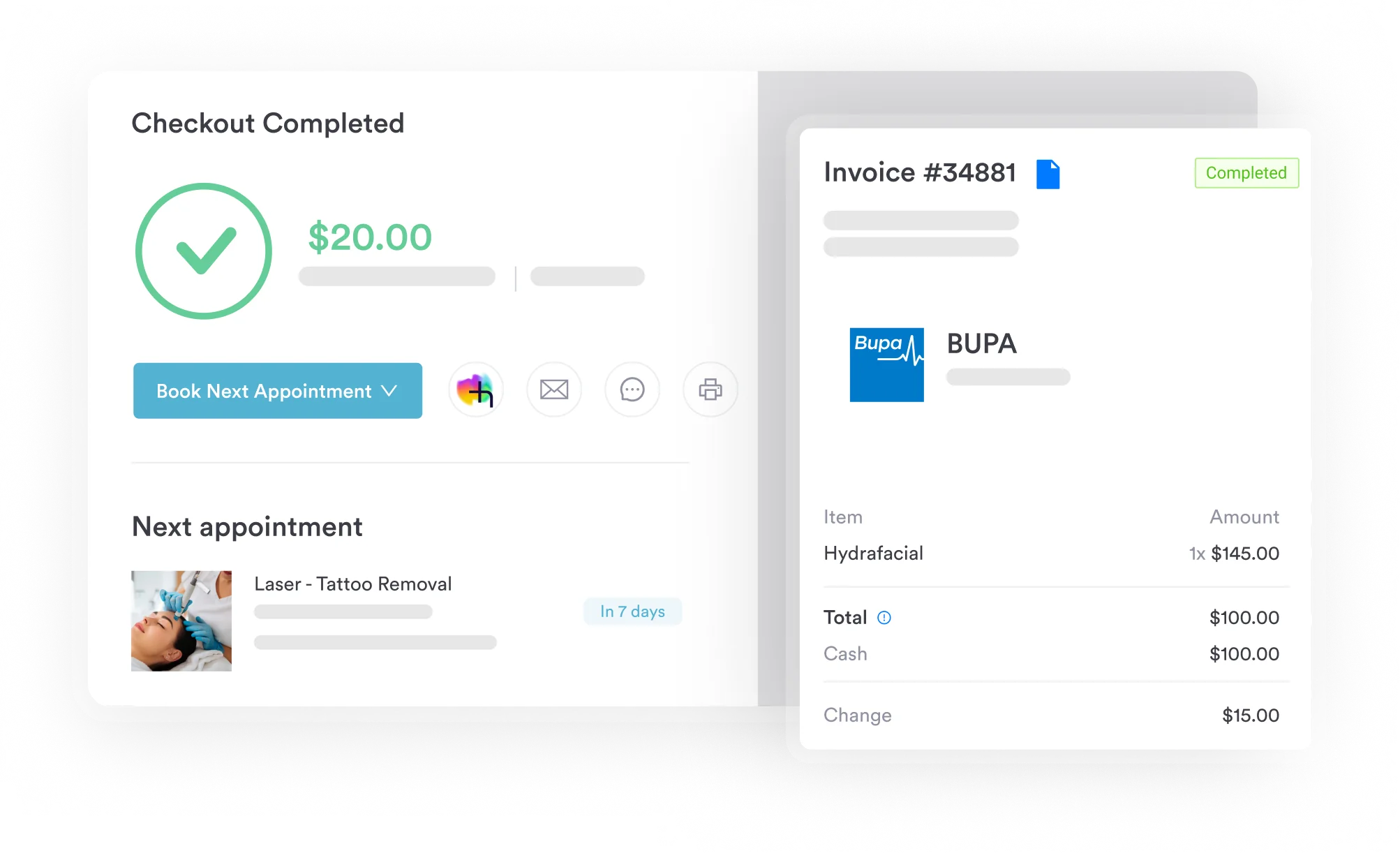
An integrated practice management software platform also compares expected payment with what each payer sends back, across your whole surgical code mix. For a spine practice billing 22224 regularly, that view surfaces underpayment patterns long before a contract renegotiation becomes urgent.
Add EHR integration and the clinical and financial record merge into one audit-ready file. When a payer requests records for an eight-month-old 22224 claim, the note, codes, and authorization sit in one place.

Pabau’s claims management software flags NCCI edit conflicts and tracks the modifier requirements for complex spinal codes. Clinical documentation travels with the claim, so nothing is missing at submission.

CPT code 22224 is precise by design. The anterior approach, the lumbar region, the single segment, and the included discectomy are the billing criteria. Denial prevention for this code starts with an operative note that mirrors all four.
Build the descriptor into the note template once and the coding decision stops being a judgment call. The trade-off is upfront work on your templates and your authorization triggers, paid back on every claim that clears the first time.
For spine practices handling a volume of high-RVU surgical claims, Pabau removes the manual steps between the operative note and the submitted claim. Book a demo to see how that works in a practice like yours.

Coding spine trauma as well as deformity? 22318 covers open treatment of an odontoid fracture, with its own modifier and documentation traps.
Billing vertebral augmentation? 22510 covers percutaneous vertebroplasty in the cervicothoracic spine, including the RVU and fee schedule detail.
Coding a blood alcohol test result? ICD-10 code Y90.9 covers a billable, secondary-only external cause code for a confirmed blood alcohol test without a documented concentration.
Coding a routine gynecological exam? ICD-10 code Z01.419 covers the routine gynecological exam billed without abnormal findings, including the HPV dual-code pitfall that trips up claims.
Coding an admission to a care facility? ICD-10 code Z02.2 covers the billable code for an exam required before admission to a nursing home, assisted living facility, or group home.
CPT code 22224 bills an osteotomy of the spine with discectomy at a single lumbar segment, using an anterior approach. It applies when a surgeon cuts and reshapes lumbar vertebral bone to correct deformity or alignment. Kyphosis, scoliosis, and flatback deformity are the usual indications.
CPT code 22224 carries high relative value units, reflecting its surgical complexity. The specific work, practice expense, and malpractice values change every year with the CMS MPFS final rule. Verify the current figures through the CMS Physician Fee Schedule lookup before you bill.
The spine region is the only difference. CPT 22220 covers anterior osteotomy with discectomy at a single cervical segment, and CPT code 22224 covers the same work in the lumbar spine. Both are primary codes. CPT 22226 is the add-on for each additional segment in either case.
Modifier 62 covers two surgeons who each perform a distinct portion of the procedure. Modifier 80 covers an assistant surgeon, and modifier AS covers a PA, NP, or clinical nurse specialist assisting at surgery. Modifier 51 marks multiple procedures in one session, modifier 22 signals increased complexity, and modifier 59 overrides an NCCI bundling edit.
Prior authorization for CPT code 22224 varies by payer. Traditional Medicare generally does not require it, while Medicare Advantage plans and most commercial insurers do. Verify with the specific plan before scheduling surgery. Submit imaging, diagnosis codes, and evidence of failed conservative treatment with the request.
Yes. CPT code 22224 can be reported with the appropriate spinal fusion codes when both procedures happen in the same operative session. NCCI edits bundle some combinations, so modifier 59 may be needed to support separate billing. Check the current edit tables first, because the rules change quarterly.



