ICD-10 Code S42.444P: Medial epicondyle fracture, right humerus
ICD-10 Code S42.444P: full descriptor and code validity ICD-10 Code S42.444P car...

Last Updated: Oct 13, 2026
Billable Code Specific Code
S32.492B is the billable ICD-10-CM code for other specified fracture of left acetabulum, initial encounter for open fracture.
Three details in the record decide whether that code holds up. The side, the fracture type, and the treatment status all have to match the note. Change any one of them and you are looking at a different code.
One detail trips people up before they even reach the 7th character. An acetabular fracture is a pelvis injury, so it codes to S32, not to the femur codes in S72.
Let Pabau's smart automation suggest the right codes, reduce claim denials, and keep your practice compliant—effortlessly.
Automate repetitive tasks and focus on what matters most—your patients.
Reduce coding errors and ensure compliance with the latest regulations.
Clean claims, fewer denials, and faster reimbursements.
Powerful insights and reporting to help your practice thrive.
HIPAA compliant SOC 2 certified GDPR-compliant Trusted by 4,000+ clinics worldwide

ICD-10 code S32.492B covers an other specified fracture of the left acetabulum, coded at the initial encounter for an open fracture.
The 7th character B is mandatory here, and it means active treatment of a fracture with an open wound.
S32.492B is billable for FY2026 and valid on HIPAA-covered transactions, while its parent codes S32.49 and S32.4 are not.
Practice management software like Pabau stores operative notes, imaging, and consent in one client record, which speeds up documentation checks.
The acetabulum is the cup-shaped socket of the pelvis that holds the head of the femur. Fractures here follow high-energy trauma, such as a car crash or a fall from height. The code you pick has to carry all seven characters.
Surgeons classify these injuries with the Judet-Letournel system, which names the column or wall involved. ICD-10-CM does not use those names directly. It sorts acetabular fractures by pattern and side first, then adds the 7th character for the encounter.
“Other specified” does not mean vague, but rather that the note describes a pattern that falls outside the displaced and nondisplaced options in the tabular list. The detail is still there to code specifically.
Named patterns have their own codes, so check for one before you settle here. A nondisplaced dome fracture of the right acetabulum, for example, codes to S32.484A.
Missing laterality follows the same logic further up the family. A nondisplaced anterior wall fracture with no side documented lands on S32.416A, which gives up specificity the chart often supports.
Every code in the S32 family needs a 7th character. It says whether the patient is in active treatment or follow-up care, and whether the fracture is open or closed. B covers active treatment of an open fracture.
Initial encounter does not mean the first visit. It means active fracture management is still under way. A wound check two weeks after fixation is still an initial encounter if the surgeon is treating the fracture.
The same extension turns up across the pelvis codes. An open lumbosacral fracture at the initial encounter, for instance, is S32.9XXB.
Sequela sits outside the healing sequence altogether. It describes a lasting effect once treatment is finished, which is how codes such as codes such as S33.8XXS are built.
The parent levels explain why this code runs to seven characters. Per the CMS ICD-10 codes page, every S32 code belongs to the injury chapter, S00-T88.
Coders who spend their days in hip surgery reach for the S72 femur codes out of habit. The acetabulum belongs to the pelvis, so an acetabular fracture stays in S32 even when the hip joint takes the damage.
S32.492B is billable for FY2026 and valid on HIPAA-covered electronic transactions. S32.49 and S32.4 only classify the injury. A claim that carries either one instead of the full code comes straight back.
Effective dates are worth a glance too. The FY2026 edition took effect on October 1, 2025 and runs through September 30, 2026. The CDC/NCHS ICD-10-CM web tool confirms the current status of any code.
HIPAA requires the current-year edition on covered electronic transactions. Submitting a code from last year’s edition is a rejection, so teams handling HIPAA transactions refresh their code lists every October.
Check billable status before every coding season change. S32.492B is active for FY2026, but CMS revises and retires codes at each October update. Run your fracture code list against the current tabular list every September, before the new edition lands.
The S32.492 group runs through every encounter type for the same fracture, and laterality splits it three ways. The sibling you actually need is usually one character away, as this list from AAPC Codify shows.
Siblings elsewhere in S32.4 follow the same shape. S32.402K carries nonunion on a left acetabular fracture that the record never specified any further.
Three codes account for most of the mix-ups: S32.492A, S32.492B, and S32.492D. Choosing between A and B turns on one question. Does the note document an open fracture?
B against D turns on a different question. While the surgeon is still managing the fracture, B stands. Once care shifts to watching it heal, D takes over.
A return appointment on its own does not move the code. Wound care on an open fracture site is active treatment. Later, when rehab picks the patient up, physical therapy notes carry the encounter type forward.
Four elements have to be visible in the chart before this code goes on a claim. Miss one and you are relying on a payer not to ask.
Here is how that reads in a real chart. A cyclist arrives by ambulance after a collision with a car. The emergency note records an open left acetabular fracture with a posterior wound.
The operative report then describes a pattern the surgeon calls neither displaced nor nondisplaced. Two days later she returns for a wound check, still under the trauma team. Both encounters code to S32.492B.
Denials cluster around one habit instead. The open-fracture detail stays in the operative report, and the outpatient note never repeats it. Building laterality and fracture-type fields into intake forms fixes it at source, which is why sports medicine and orthopedic teams tend to standardize their templates. An appeal filed after the timely filing window is denied on timeliness alone, whatever the coding showed. Coding names the service; medical billing gets it submitted, adjudicated and paid.
Follow one claim from the trauma bay to the payer and the weak points show themselves.
Timing causes more trouble than the code itself. Coding often happens before the operative report is signed, so the open-fracture detail arrives after the claim has already gone out.
Authorization is the other pinch point. Planned fixation and later reconstruction need an approval on file, and a prior authorization form that is ready to send saves a week of rework.
Sequencing deserves a second look on multi-trauma cases. When a patient carries several pelvic injuries, the official ICD-10-CM guidelines set the order. The condition chiefly responsible for the admission is listed first.
Open acetabular fractures rarely travel alone. Check whether the record supports secondary codes for soft tissue or vascular injury, and add them where it does. A claim that shows only the fracture understates what the team actually treated.
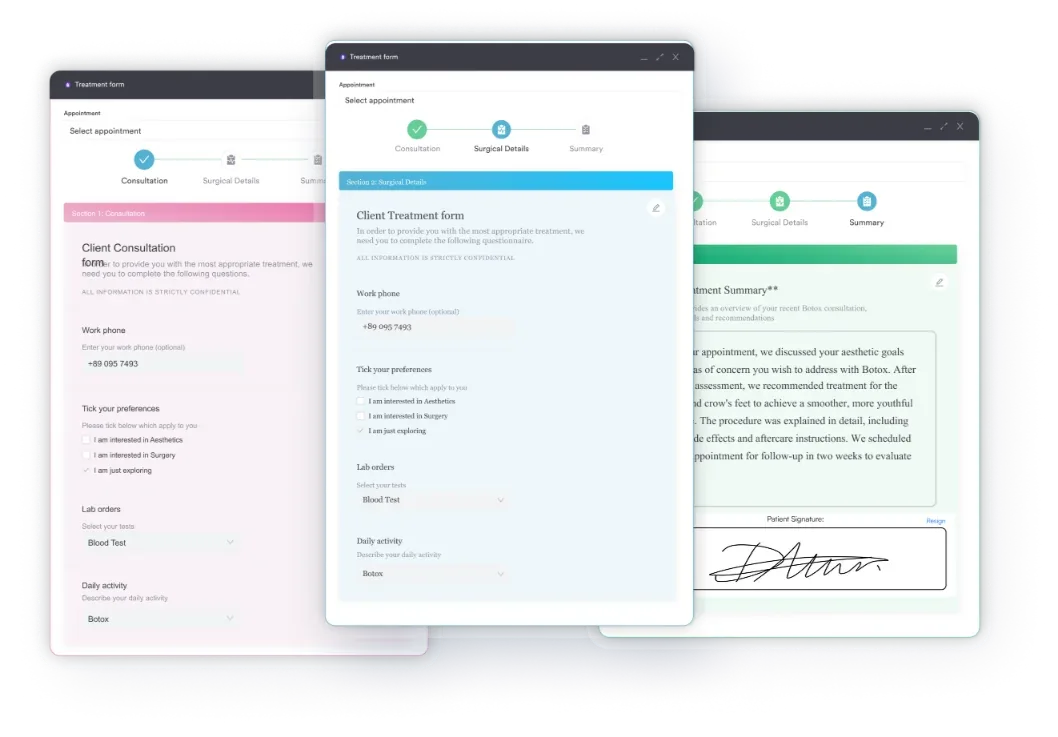
In most trauma workflows the pieces of an S32.492B claim live in different places. The emergency note is in one system, the images in another, the consent on paper. The coder chases all three.
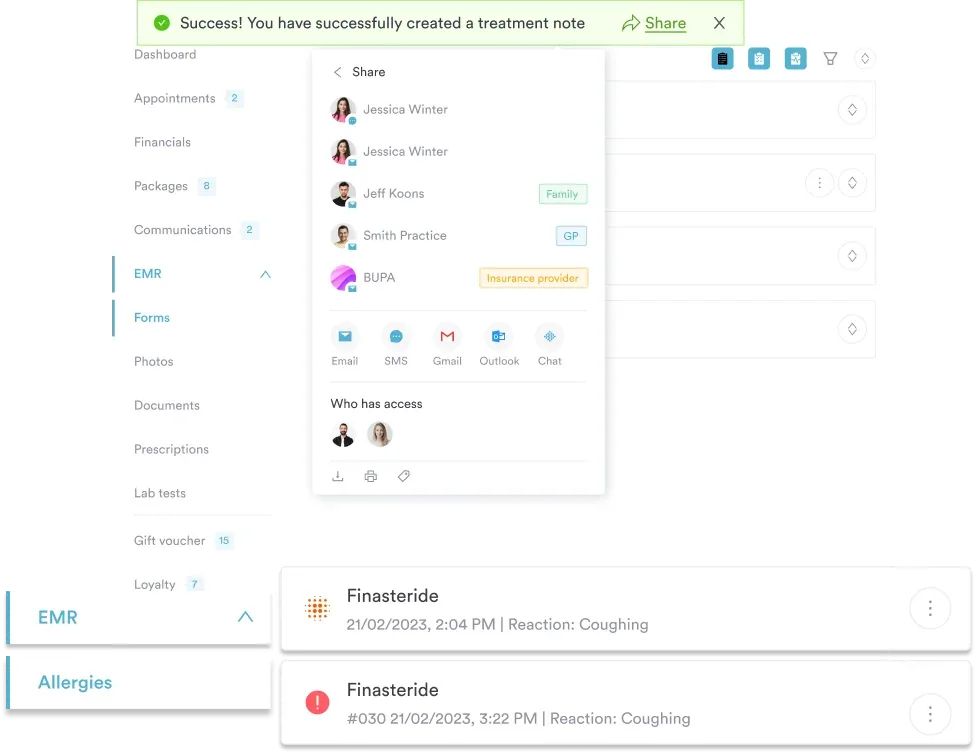
Pabau, an all-in-one practice management system, keeps them together instead. Treatment notes, imaging, consent forms, and visit history all sit against the patient record. Laterality and open-fracture status are then two clicks away, rather than two systems away.
On the billing side, our claims management checks the fields an insurer requires before a claim is sent, such as membership numbers and authorization codes. Code selection stays with your coder, where it belongs.
The outcome is less chasing. Fewer claims come back for missing information. An audit request is easier to answer too, because the note, the image, and the consent hang off the same encounter.
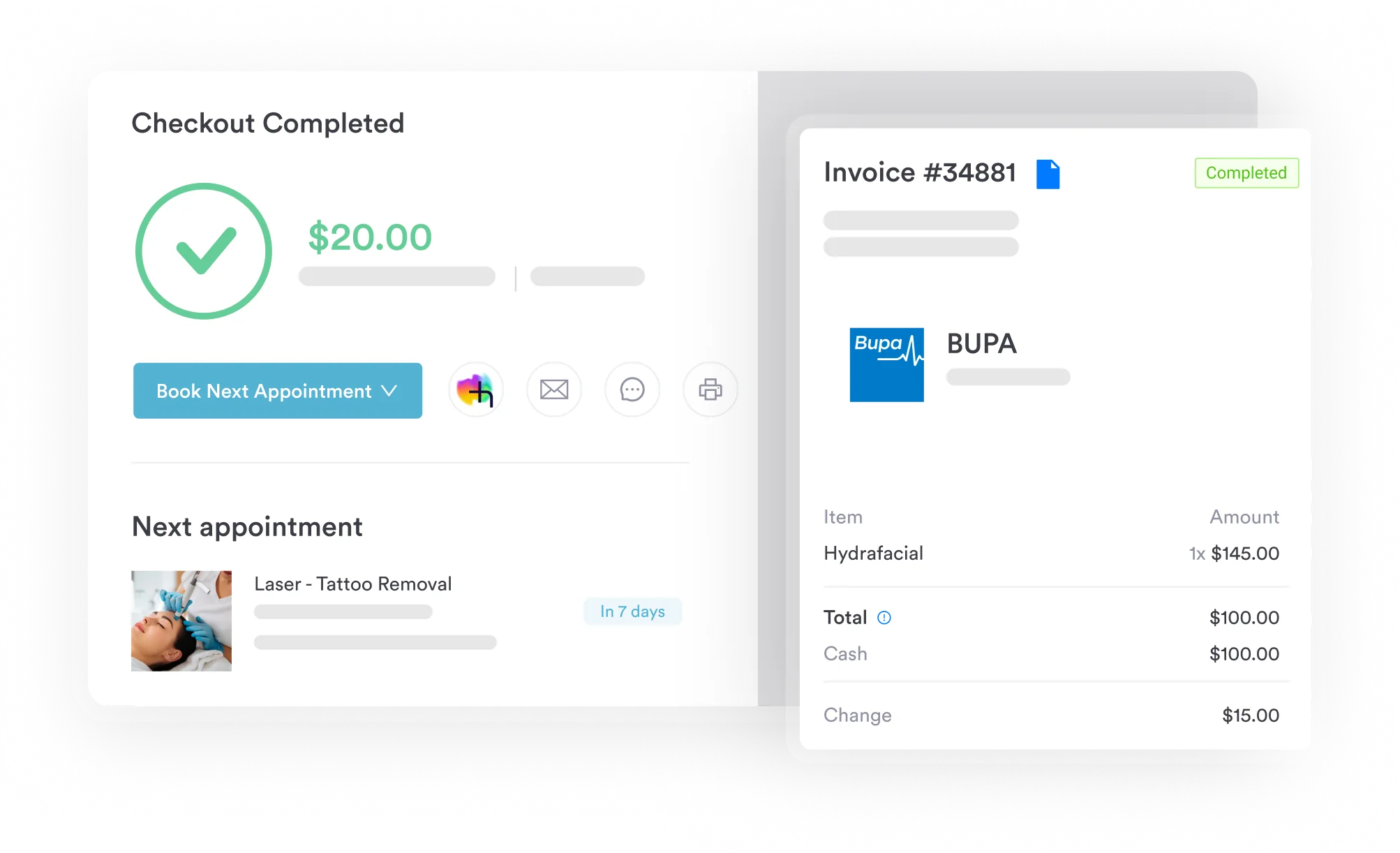

Pabau brings client records, treatment notes, imaging, and claims into a single platform. Orthopedic and trauma teams use it to find the documentation behind a fracture claim in seconds, instead of chasing three systems.

Coding an open acetabular fracture is a documentation job more than a lookup job. Once the note names the side, the pattern, and the treatment status, S32.492B takes seconds to assign.
So the work worth doing sits upstream of the coder. Put those four elements into the forms your team already completes, and nobody has to reconstruct the encounter a week later. A few extra fields at intake cost far less than a corrected claim.
Want the notes, images, and claim paperwork for a fracture in one place? Book a demo and see how Pabau handles it for orthopedic and trauma teams.

Coding a displaced column fracture instead? S32.432D walks through the anterior column of the left acetabulum at a follow-up visit.
Need the wider pelvis fracture picture? S32.9XXB covers an open lumbosacral fracture where the record does not name the part.
Still coding an injury that was treated months ago? S39.93XS shows how sequela coding works for pelvic injuries.
Coding anesthesia for a closed tibia procedure? closed tibia and fibula anesthesia code covers CPT code 01390 for anesthesia on closed tibia, fibula, and patella procedures.
Coding anesthesia for a knee amputation? knee disarticulation anesthesia code covers CPT code 01404 for anesthesia during knee disarticulation procedures.
Yes. Add a Chapter 20 code as a secondary diagnosis to show how the injury happened. Codes for place of occurrence, activity, and patient status are reported once, at the initial encounter, so this code is exactly where they belong. An external cause code is never the principal diagnosis.
No. The expanded Gustilo-Anderson 7th characters apply to open fractures of the forearm, femur, and lower leg. Pelvis codes use A, B, D, G, K, and S only. B is therefore the only open-fracture character available on S32.492, however the surgeon grades the wound.
Open treatment of an acetabular fracture maps to CPT 27226, 27227, or 27228, depending on whether a wall, one column, or both columns are involved. Debridement at an open fracture site is reported with 11010 to 11012. The diagnosis has to support whichever procedure is billed.
Yes, where the record documents both injuries. The dislocation takes its own code from the S73.0 range and the fracture keeps S32.492B. Sequence the injury that brought the patient in for treatment first, and never assume the fracture code covers the dislocation.