

ICD-10 code S61.201A: Open wound of left index finger without nail damage
ICD-10 code S61.201A covers a left index finger wound of unstated type ICD-10 co...

Last Updated: Oct 16, 2026
Billable Code Specific Code
S49.109P is the billable ICD-10-CM code for unspecified physeal fracture of lower end of humerus, unspecified arm, subsequent encounter for fracture with malunion.
Growth plate fractures do not always heal the way clinicians expect. When one sets crooked, the claim needs a very specific code. S49.109P names an unspecified physeal fracture of the lower end of the humerus, healed with a malunion.
Let Pabau's smart automation suggest the right codes, reduce claim denials, and keep your practice compliant—effortlessly.
Automate repetitive tasks and focus on what matters most—your patients.
Reduce coding errors and ensure compliance with the latest regulations.
Clean claims, fewer denials, and faster reimbursements.
Powerful insights and reporting to help your practice thrive.
HIPAA compliant SOC 2 certified GDPR-compliant Trusted by 4,000+ clinics worldwide

ICD-10 code S49.109P covers a growth plate fracture at the lower end of the humerus that healed in a poor position
The 7th character P means malunion. Sequela is a different character, S, and a different claim
S49.1 holds the lower end of the humerus, S49.0 holds the upper end, and no S49.2 exists in ICD-10-CM
Move to S49.101P or S49.102P once the note names the arm, and to S49.11 through S49.14 once it names the Salter-Harris type
Practice management software like Pabau keeps a refreshed ICD-10-CM library inside the chart, so the code you documented is the code you submit
ICD-10 code S49.109P reports an unspecified physeal fracture of the lower end of the humerus, unspecified arm, at a subsequent encounter for malunion.
In plain terms, a growth plate at the elbow end of the upper arm bone broke, and it healed crooked. The code is billable and specific, so it can carry a claim on its own.
Two details in that descriptor cause most of the errors. The fracture sits at the lower end of the humerus, down by the elbow. And the 7th character P means malunion, while sequela carries S.
The code sits in Chapter 19 of ICD-10-CM, inside the S40-S49 block for injuries to the shoulder and upper arm. It has been valid since October 1, 2015, and the FY2026 edition carried it forward unchanged.
The Centers for Medicare and Medicaid Services publishes the annual code files and the guidelines that govern the 7th character.
ICD-10-CM files fractures by the bone that broke, not by the nearest joint. The humerus is an upper arm bone, so every physeal fracture along it stays inside the S40-S49 block.
The S40-S49 block carries a Type 2 Excludes note that sends injuries of the elbow to S50-S59. So a coder who follows the deformity to the elbow and searches S50-S59 will never reach S49.109P.
Anatomically, the distal humeral physis is the growth plate just above the elbow joint. It supplies roughly 20% of the length of the humerus, while the growth plate at the shoulder end supplies the rest. It closes in the mid teens, around ages 14 to 16.
The clinical picture behind this code is narrower than the descriptor suggests. That context is useful when you are reading a note.
None of that changes the code selection on its own. It does explain why the malunion character comes up so often at this site. It also explains why the note usually carries a deformity measurement worth reading before you code.
P means the fracture united, but in a poor position. It is a subsequent care character, so the fracture is still the condition being managed at this visit. Nothing about P signals that the injury episode has closed.
Six characters are valid across the S49.1 subcategory. Each one marks a different point on the same injury timeline.
Notice what is missing. No open fracture character exists in this subcategory, so every initial encounter is coded A, initial encounter for closed fracture. Gustilo based characters cover the forearm, the femur and the lower leg, and never the humerus.
The FY2026 ICD-10-CM Official Guidelines are explicit about where malunion belongs. Section I.C.19.c.1 covers care of fracture complications such as malunion and nonunion.
It routes them to the subsequent care characters for nonunion (K, M, N) or malunion (P, Q, R). Aftercare Z codes never stand in for these characters.
P and S describe different stages, and the choice changes how the claim is sequenced. P says the bone united badly, and the bone is still the problem. S says the fracture episode has closed, and a separate condition it caused now needs treatment.
Sequencing follows directly from that split. Guideline I.B.10 asks for two codes on a sequela claim, with the residual condition first and S49.109S second.
The 7th character S goes on the injury code only, never on the residual condition. Other shoulder injuries follow the same pattern, as ICD-10 code S43.121S shows. A malunion claim needs no such pairing.
Working through a run of visits makes the boundary concrete.
Every row turns on the same thing: what the clinician wrote, rather than what the coder infers. That brings us to the detail that moves the code off the unspecified option.
The Salter-Harris type sets the fifth character of the code. It sorts growth plate injuries by where the fracture line runs across the physis, the metaphysis and the epiphysis.
ICD-10-CM maps types I to IV straight onto S49.11 through S49.14 for the lower end of the humerus.
Every code in that table carries the 7th character P for malunion. Swap that character for A, D, G, K or S to describe a different encounter at the same site.
S49.109P sits in the bottom right cell, and it should be the rare choice. If a radiology report or an operative note names the Salter-Harris type, code to it.
Where the record names the arm, code to that as well. Reaching for the unspecified code when both details sit in the chart is under-coding, and payers watch that pattern.
Reading the code position by position shows which clinical detail each character carries. It also shows which characters stand in for information nobody wrote down.
Two of those characters admit that the record is thin. The 0 in position five hides the Salter-Harris type, and the 9 in position six hides the arm. Both are defensible only when the detail is genuinely absent, so query the provider before you settle for either.
The CDC ICD-10-CM tabular tool shows the full entry if you want to check the alternatives.
The S49 category holds four subcategories and no more: S49.0, S49.1, S49.8 and S49.9. There is no S49.2 anywhere in ICD-10-CM. Any reference that files lower end physeal fractures under S49.2 is quoting a code that has never existed.
The pairing that does need care is S49.0 against S49.1. S49.0 is the upper end of the humerus, at the shoulder, and its unspecified arm malunion code is S49.009P. One word separates the two descriptors, so read the whole descriptor rather than the code number.
Those last two rows matter because the tabular list points at them directly. S42.4 carries a Type 2 Excludes note sending physeal fractures of the lower end back to S49.1. A non-physeal malunion at the same site lands on ICD-10 code S42.409P.
S42.3 carries the same note for both S49.0 and S49.1. Follow the Excludes note and you land on the right family every time.
A clean S49.109P claim rests on four statements in the record. The fracture involved the physis. It has united. It united in a poor position. And this visit is about that malposition.
Anything less, and the coder is guessing at the 7th character. Here is what a chart needs to carry:
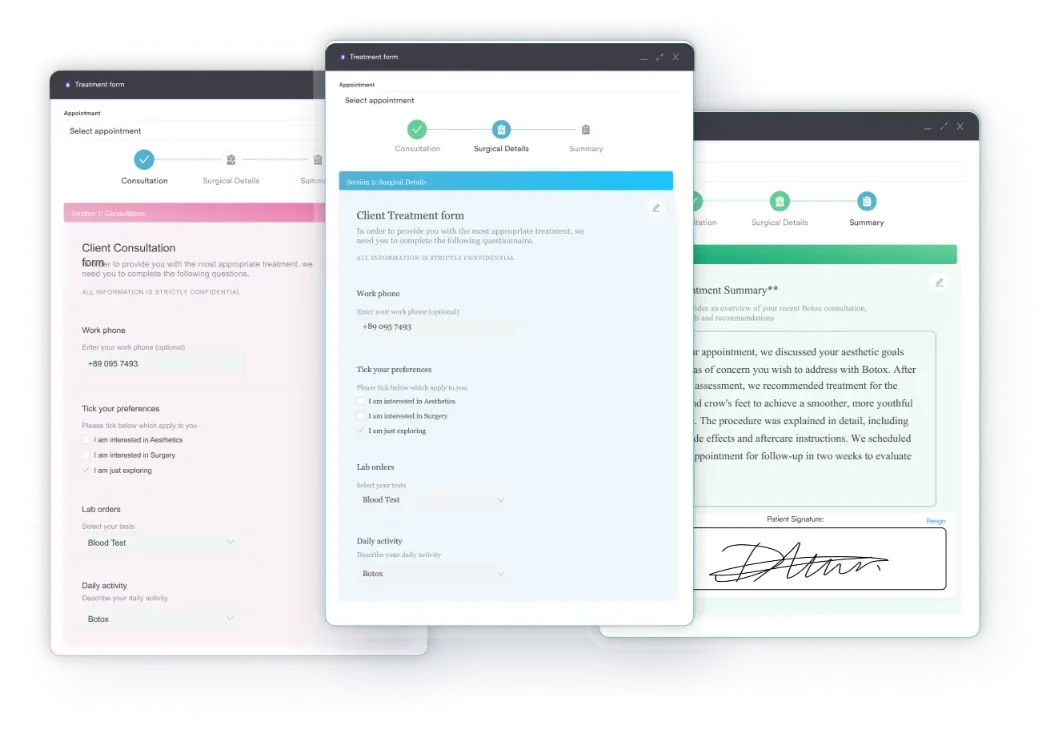
Much of that detail can land in the chart before the appointment even starts. Digital intake forms capture the fracture history and the affected arm up front, which saves the coder a chase later.
Before you assign P, find the sentence that confirms the fracture has united. Malunion means healed in the wrong position, so a note that describes deformity without confirming union usually supports G or K instead. One line in the radiology report settles it, and it takes seconds to ask for.
S49.109P is billable and specific, so it can stand as the first-listed diagnosis whenever the malunion is the reason for the visit. That is the practical difference from S49.109S, which always sits behind the residual condition it explains.
On a malunion follow-up, the claim moves through four steps:
Three things stall that run. The note describes a deformity but never confirms union, which points to G or K. The arm appears in the imaging report and nowhere else. Or a corrective procedure gets booked before anyone checks whether the payer wants prior authorization.
A few reimbursement points are worth keeping in view as well:
Run these five questions over the chart before the claim leaves your queue.
Denials on this code usually trace back to the same place. The note supported a different 7th character than the one submitted. Building that check into the pre-submission routine costs far less than appealing afterwards.
Pediatric orthopedic teams usually see it first, often at the three month review. Rehab picks it up next, and a physical therapy EMR carries the same code across the visits that treat stiffness and lost range.
Sports medicine practices meet the same deformity years later, in an adolescent who broke an elbow as a toddler.
Most practices run this by hand. A coder reads the note, works out which 7th character fits, then looks the code up in a reference outside the patient record. Each re-key is another chance for S49.009P to appear where S49.109P belonged.
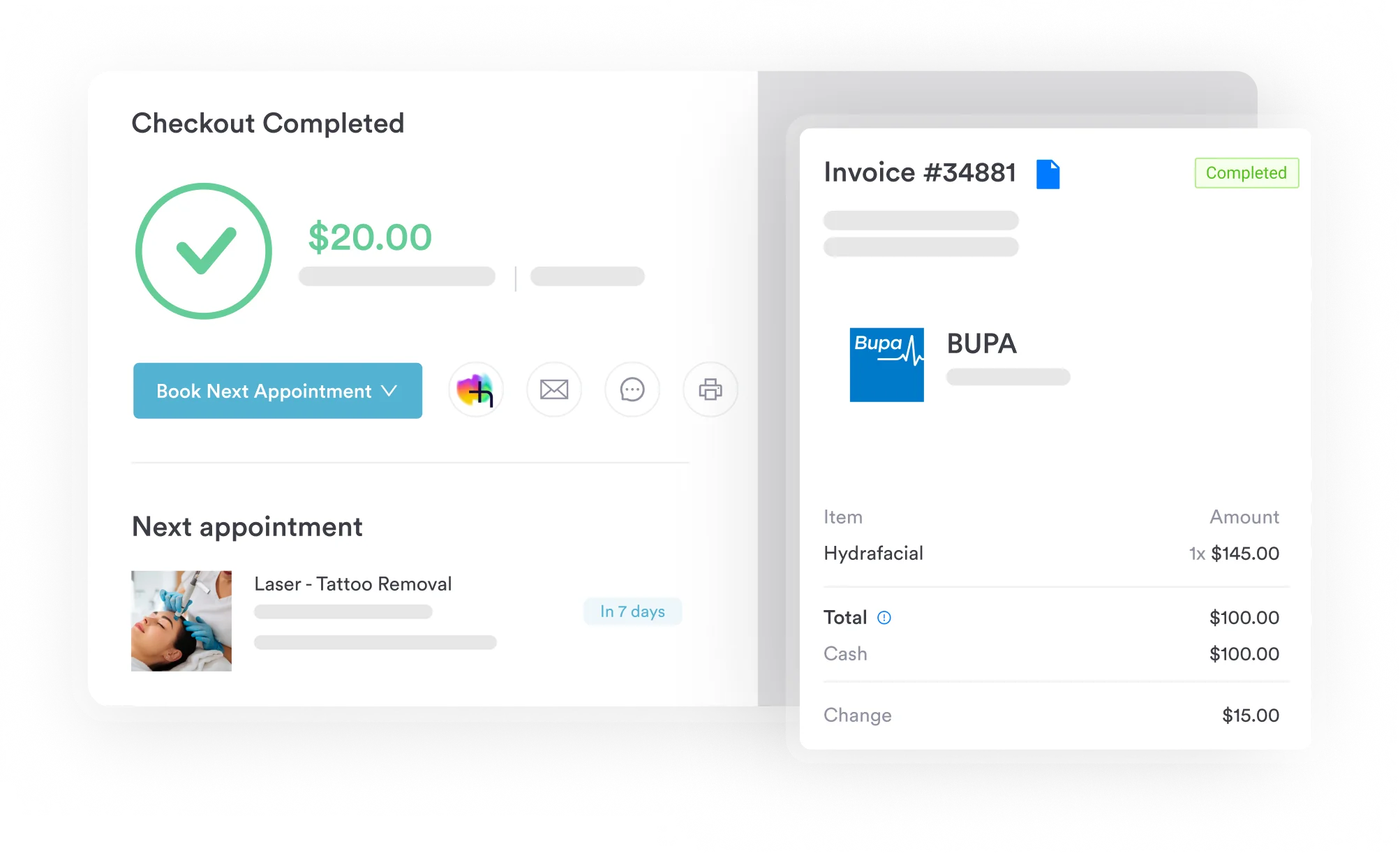
Practice management software like Pabau closes that loop by keeping the reference inside the chart. Its ICD-10-CM and CPT libraries hold more than 20,000 codes, and they refresh with each official release. A coder can then search S49.1 without leaving the encounter. Codes recorded on the patient record then seed the claim form.
For an orthopedic or physical therapy practice, that means fewer re-keys and fewer claims returned for missing information. Pabau’s claims management software checks that claim-required fields are complete before submission unlocks. It also runs eligibility checks, tracks claim status, and posts remittances back to the same record. Payment posting from a remittance file is faster than manual entry and keeps the adjustment reasons attached. Coders working across several specialties keep a coding reference to hand rather than searching the full manual.
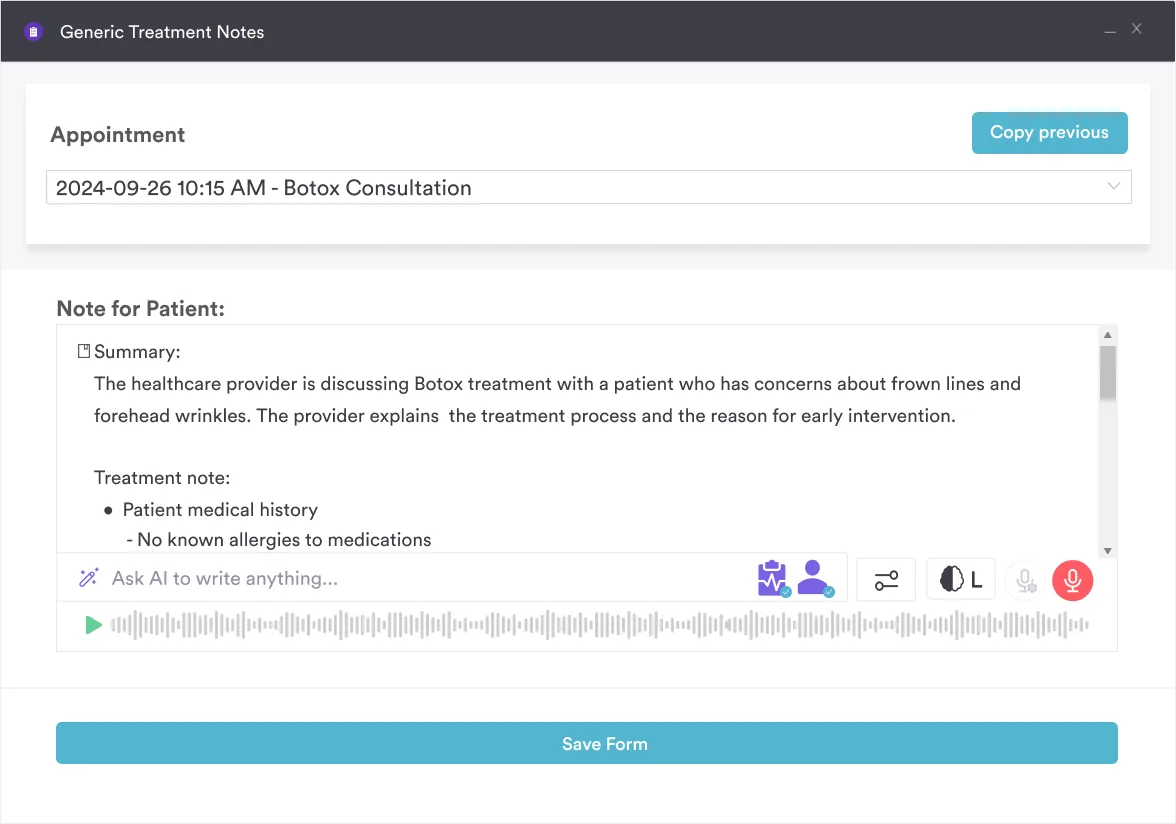
Documentation is the other half of the problem, because a coder can only work with what was written down. Pabau Scribe, our AI scribe, drafts the consultation note as the appointment happens.
On a malunion follow-up, the note has to confirm union, name the angulation, and say which arm. Those phrases only reach the claim if someone records them first.

Pabau puts a refreshed ICD-10-CM library inside the patient record. The claim form pre-fills from what you already documented, and required fields are checked before you submit.

S49.109P is a narrow code with two easy ways to get it wrong. The site is the lower end of the humerus, down at the elbow. And the 7th character P says the fracture healed crooked, rather than leaving a sequela behind. Confirm both before the claim leaves the building.
The moment the arm or the Salter-Harris type appears anywhere in the record, move to the specific sibling code. Leave the unspecified one behind. That habit is worth more than any appeal you win later.
Pabau keeps the ICD-10-CM library and the clinical note in the same place, which makes that detail easy to find. Book a demo to see how your team could code fracture follow-ups and bill them from one record.

Coding another shoulder or upper arm injury? ICD-10 code S46.191A walks through the same 7th character logic at the initial encounter.
Need the sequela side of the same chapter? ICD-10 code S43.312S shows how a residual condition is sequenced ahead of the injury code.
Billing the surgery that follows a malunion? CPT code 20690 covers the external fixation side of the claim.
Want the wider billing picture? Revenue cycle management explains how a coded note turns into paid work.
Tightening up your billing routine? Medical billing compliance covers the checks that keep audits quiet.
No. S49.109 already runs to six characters, so the P lands in the seventh position on its own. A placeholder X is only needed when a code is shorter than six characters.
There is no time limit. ICD-10-CM picks the 7th character by the care given at the visit, not by the months since the injury. A malunion treated years later still reports P.
Yes. The 7th character describes the type of care at this encounter, not who delivered the first treatment. A second-opinion surgeon or a therapist still reports P for malunion care.
Rarely. A physeal fracture needs an open growth plate, and the distal humeral physis closes in the mid teens. An adult break at that site belongs in S42.4- instead.
Code the site the record actually supports. Without documented physeal involvement, a malunited fracture of the lower end of the humerus sits in S42.4- with the P character.



