ICD-10 code S61.201A: Open wound of left index finger without nail damage
ICD-10 code S61.201A covers a left index finger wound of unstated type ICD-10 co...

Last Updated: Oct 16, 2026
Billable Code Specific Code
S43.312S is the billable ICD-10-CM code for subluxation of left scapula, sequela.
A patient rolls their left shoulder, winces, and mentions a fall from two years ago. That injury healed long ago. The problem it left behind did not. That visit is what ICD-10 code S43.312S was written for: subluxation of the left scapula, sequela.
Typing the code is easy. Supporting it is the harder part. Payers push back when the note skips the side, blurs subluxation into dislocation, or never links today's symptoms to the old injury. Get those three details onto the page and the claim usually clears first time.
Let Pabau's smart automation suggest the right codes, reduce claim denials, and keep your practice compliant—effortlessly.
Automate repetitive tasks and focus on what matters most—your patients.
Reduce coding errors and ensure compliance with the latest regulations.
Clean claims, fewer denials, and faster reimbursements.
Powerful insights and reporting to help your practice thrive.
HIPAA compliant SOC 2 certified GDPR-compliant Trusted by 4,000+ clinics worldwide

ICD-10 code S43.312S is a billable code for subluxation of the left scapula, sequela, valid for the 2026 ICD-10-CM edition.
The 7th character S means you are treating what the old injury left behind, not the injury itself.
Code the residual condition first and S43.312S second, and give the original injury a date in the note.
The note has to say left and has to say subluxation, because dislocation of the left scapula, sequela is S43.315S.
Practice management software like Pabau pre-fills codes from the client record and offers ICD-10 and CPT lookup libraries, so coders work from one source.
ICD-10 code S43.312S is a billable ICD-10-CM diagnosis code for subluxation of the left scapula, sequela. Report it when you treat a condition that grew out of an earlier left scapula subluxation. The code took effect on October 1, 2025 with the 2026 ICD-10-CM edition maintained by CMS. Medicare reimbursement follows the fee schedule, so the allowed amount is known before the claim is sent. Revenue cycle management treats coding, submission and collection as one process rather than three handoffs.
The string carries two facts at once. Its first six characters name the injury and the side. That final S says the injury has already run its course, and you are treating what it left behind.
Confirm billable status, the parent category, and the effective date before the claim goes out.
The 7th character tells the payer which stage of care the visit belongs to. Three values are valid for S43.312, and each one describes a different episode. Choose the wrong one and the claim describes care the patient never had.
Code the residual condition first, then S43.312S. The ICD-10-CM Official Guidelines (Section I.C.19) put the sequela condition in the first position.
Behind it sits the injury code carrying that S character. So chronic left shoulder pain leads, and S43.312S shows the reviewer where that pain came from.
Other sequela codes across the injury chapter work the same way, including S70.259S. Time is not a factor either. A subluxation from 2019 still supports S43.312S today, as long as the record traces the current condition back to it.
Subluxation means the joint surfaces have slipped out of alignment but still touch. A dislocation separates them completely.
The scapula, or shoulder blade, sits at the back of the shoulder girdle and meets the clavicle at the acromioclavicular joint and the humerus at the glenohumeral joint.
Most cases follow trauma to the shoulder, repeated overhead work, or a neuromuscular problem in the muscles that stabilize the scapula.
Typical findings in the note include:
There is no separate dislocation block for the scapula. Both injuries share the subcategory S43.31, and the fifth digit is what splits them.
Subluxation runs from S43.311 to S43.313. Dislocation runs from S43.314 to S43.316. The dislocation counterpart of S43.312S is therefore S43.315S.
Walking the hierarchy is the quickest way to prove you have the most specific code available. The CDC ICD-10-CM tool shows the same path in the tabular list.
S43.312S is a leaf code, so nothing sits below it and no extra digit is available. It can stand as the primary diagnosis on a claim. Check the Includes and Excludes1 notes in the tabular list before you finalize, since S43 borders several sprain categories.
Teams running a physical therapy EMR with the hierarchy built into code lookup skip most of that manual checking.
The scapula subluxation family is symmetrical: right, left, and unspecified, each with its own 7th character.
Bilateral injuries and undocumented laterality need one of the siblings below rather than a default to S43.312S. The AAPC ICD-10-CM code reference lists each one with its billable status.
Nearby shoulder girdle codes follow the same 7th-character pattern, so S43.121S reads the same way once you know the structure. Fracture categories go further and add characters for malunion and nonunion, as S49.109P does with P.
Three things have to be on the page: the side, the word subluxation, and a stated link to the original injury. Miss one and the claim invites a denial or an audit flag.
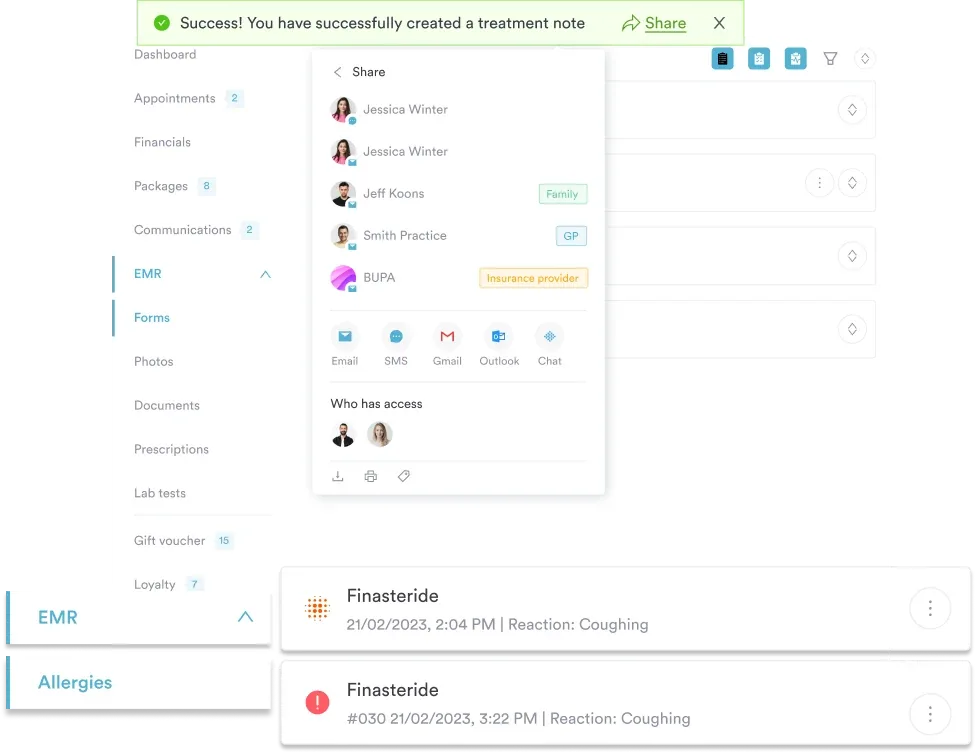
Structured client record management gives the team one place to capture all three at every visit.
Retention rules apply to all of it. The same medical office compliance standards that govern storage also set how long these injury records stay on file.
The claim travels the usual route, with one extra link in the chain. First, the clinician documents the visit and names the residual condition as the primary diagnosis. S43.312S goes on the claim behind it.
Billing then adds the procedure or therapy codes for the work performed, whether that was manual therapy or an injection such as CPT 20550.
Two automated checks happen before a human reads anything. The payer’s software confirms the 7th character is valid, then tests the diagnosis against the procedure billed.
Sequela claims usually stumble at the second check, because a therapy code needs a residual condition to justify it. Practices that bill by hand hit the same wall on the superbill template they hand to patients.
Write the causal link as one dated sentence in the assessment. For example: ‘Chronic left periscapular pain, sequela of left scapular subluxation, March 2024.’ That single line hands a reviewer the side, the date, and the connection without a chart hunt.
Five short cases mark the boundary. Three call for S43.312S. Two call for a different 7th character.
Volume is what turns these judgment calls into a workflow problem. Practices seeing shoulder sequelae every week need prompts at the point of care.
That is where sports medicine software with built-in code lookup earns its keep. Catching the encounter type in the room beats fixing it during month-end reconciliation.
Yes. S43.312S is valid for the 2026 ICD-10-CM edition and took effect on October 1, 2025. No description change, deletion, or category revision touched this code for FY2026. The scapula subluxation subcategory reads exactly as it did the year before.
Still, check validity each October before the first claims go out. Payers adjudicate against the edition in force, so a retired code is rejected no matter how well the visit was documented. Annual code set updates handled by your software remove that audit from the to-do list entirely.
Coding knowledge often lives in one person’s head. That coder reads the note, opens a lookup in another tab, and types the string into the claim by hand. Every hop invites a dropped laterality digit or the wrong 7th character.
Practice management software like Pabau keeps that chain in one place. Diagnosis and procedure codes come off the client record and onto the invoice and claim, so nobody retypes them. ICD-10 and CPT lookup libraries sit in the same screen the coder already has open.
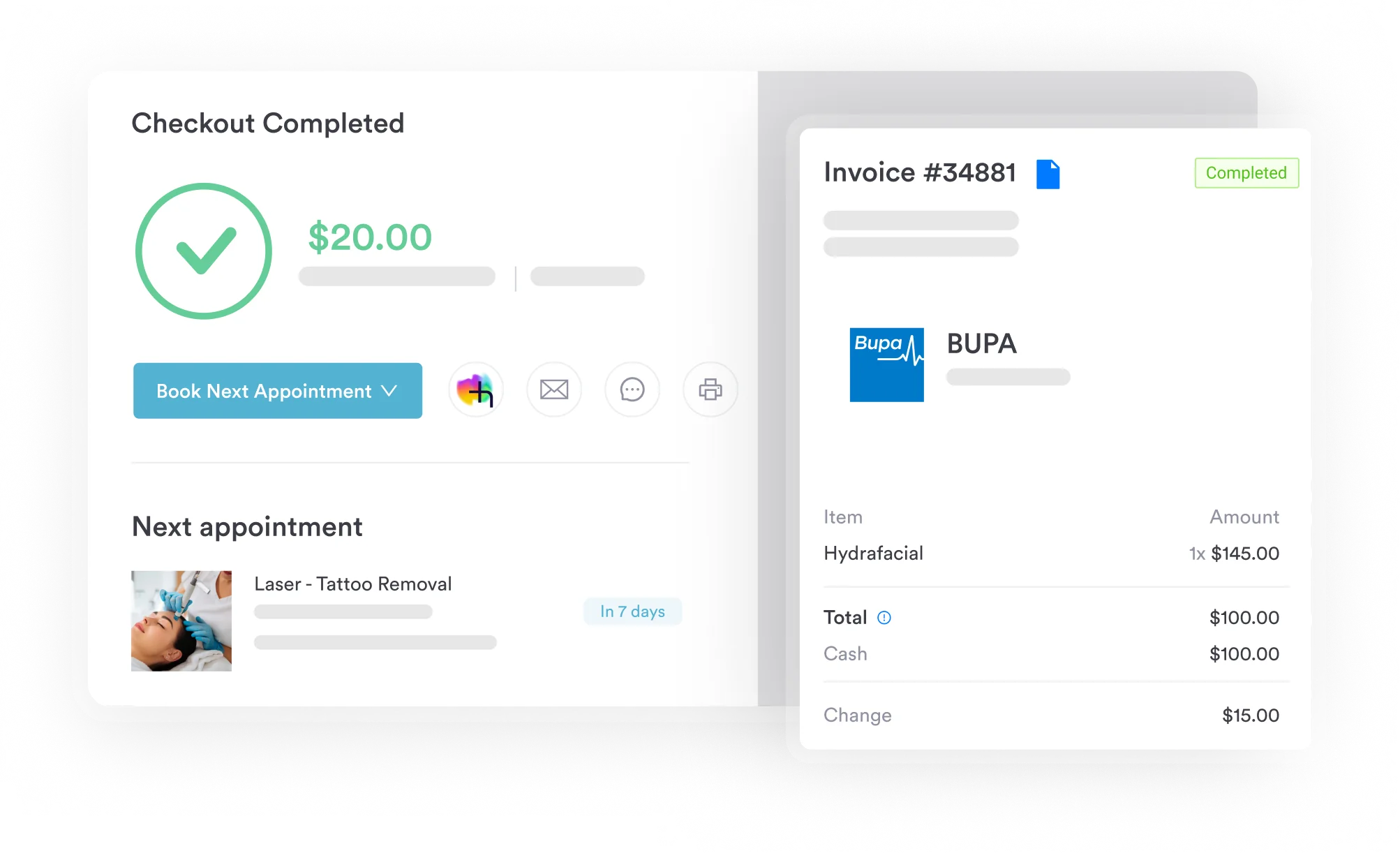
From there, claims management software tracks what went out and what came back. A denied sequela claim surfaces in days instead of at month end.
The clinical judgment stays with your clinician and coder, which is exactly where it belongs. Pabau simply stops the code they chose from changing on its way to the payer.

Pabau pulls diagnosis and procedure codes from the client record and keeps ICD-10 and CPT lookup libraries in reach. Your team codes from the note in front of them, not from a second system.

S43.312S has a strict story to tell. The injury healed, and something it left behind is being treated today. When the note carries a side, a date, and the word subluxation, the code does that job quietly.
So build the check into the visit rather than into the appeal. A coder who confirms laterality and sequencing before submission rarely meets this code twice.
Want that check to live inside your own workflow? Book a demo and see how Pabau keeps records, coding, and claims moving together for physical therapy and sports medicine practices.

Coding a shoulder muscle or tendon injury instead? S46.191A walks through the initial encounter rules for soft tissue injuries around the shoulder.
Need a 7th character that carries two facts at once? S72.036E shows how one character can signal both the encounter and the healing status.
Billing another sequela of an old fracture? S72.124S applies the same two-code sequencing rule to the hip and thigh block.
Billing electrical stimulation during shoulder rehab? G0283 covers the Medicare rules for unattended stimulation in a therapy plan of care.
Billing a larger facial excision? CPT 11642 facial excision guide covers the 1.1 to 2.0 cm tier and how anatomic site changes the code choice.
No national rule forces one, but plenty of payers still want it. Add the matching external cause code with 7th character S when the record shows how the original injury happened. Workers’ compensation and auto liability claims ask for it most often.
No. S43.31 offers right, left, and unspecified options only. When both scapulae are involved, report S43.311S and S43.312S together on the same claim.
Use M25.512 alone when nothing in the record ties the left shoulder pain to an earlier injury. Once the note names that subluxation, code the pain first and add S43.312S behind it.
Yes. Any provider type can report it as a treatment diagnosis. The therapy note still has to show the residual deficit, its link to the old injury, and why skilled care is needed.
Treat it as a new episode. The fresh injury takes S43.312A, and the sequela code comes off the claim until that episode closes.
On its own, no. Payers weigh the residual condition code and the functional findings in your notes. S43.312S explains the origin, while the documented deficits support each visit.