ICD-10 Code S42.444P: Medial epicondyle fracture, right humerus
ICD-10 Code S42.444P: full descriptor and code validity ICD-10 Code S42.444P car...

Last Updated: Oct 13, 2026
Billable Code Specific Code
S38.03XA is the billable ICD-10-CM code for crushing injury of vulva, initial encounter.
The trouble starts one line above it in the tabular. S38.001A and S38.002A cover unspecified external genital organs, and they sit first in the subcategory. So a claim that should name the vulva goes out unspecified instead, and sometimes it goes out as a male code.
The URL of this page still carries the older s38001a reference. Everything below applies to S38.03XA unless another code is named.
Let Pabau's smart automation suggest the right codes, reduce claim denials, and keep your practice compliant—effortlessly.
Automate repetitive tasks and focus on what matters most—your patients.
Reduce coding errors and ensure compliance with the latest regulations.
Clean claims, fewer denials, and faster reimbursements.
Powerful insights and reporting to help your practice thrive.
HIPAA compliant SOC 2 certified GDPR-compliant Trusted by 4,000+ clinics worldwide

S38.03XA is the ICD-10-CM code for crushing injury of the vulva, initial encounter, and it is billable as submitted
S38.001A is a different code, and it covers a crushing injury of unspecified external genital organs in a male patient
The X in the sixth position is a placeholder, and the A after it means active treatment rather than a first visit
No Excludes note sits at S38.0, so documented mechanism decides between the crushing, contusion, and open wound codes
External cause codes repeat on every follow-up encounter, but place, activity, and status codes go out once
Nothing sits below S38.03XA in the tabular, so the code goes on the claim as it appears here. Keep the X, keep the A, and add no further character. The table holds the reference fields worth checking before you submit.
Only one of the two names the vulva, and it is S38.03XA. This mix-up survives most scrubbers because both codes are valid, so nothing bounces back. The pair sits a few lines apart in the tabular.
The working rule is short. If the note names the vulva, code S38.03XA and leave the unspecified codes alone. If the note only says external genital injury, S38.001A or S38.002A applies, and the documented sex decides which.
Each segment carries its own meaning, and reading them in order is the fastest way to confirm you are in the right subcategory.
The X does the quiet work here. S38.03 runs to five characters, so the placeholder fills the sixth position and pushes the encounter character into the seventh. Drop it and the claim rejects as an invalid code. The same logic drives same logic drives S31.41XD.
One neighbor causes more damage than the rest. S38.00 is a sibling of S38.03, not its parent, and S38.001 and S38.002 hang below it. Treat S38.00 as the parent of the vulva code and you end up submitting S38.001A on a claim that should have read S38.03XA.
The CMS ICD-10-CM codes page carries the annual tabular files and descriptor lists that confirm this hierarchy.
Assign S38.03XA when the note describes crushing or compression, rather than a penetrating or superficial blunt injury. A crushing injury of the vulva is compressive force applied to the external female genitalia. The tissue damage pattern differs from a laceration or a contusion, and so does the mechanism behind it. Batch submissions group many claims into one claim file, and one malformed record can hold up the batch. A quick reference sheet cuts lookup time on codes a practice bills every week.
The code turns up in emergency presentations, obstetric trauma workups, and pelvic health practice encounters. It covers the vulva as a whole structure, including the labia majora, labia minora, clitoris, and vestibule.
The 7th character reports what the provider did at that encounter, and A covers the whole active treatment phase.
Section I.C.19.a of the ICD-10-CM Official Guidelines sets this rule for every injury code in Chapter 19. Leaving A in place after active treatment ends is the version payers flag most on post-payment review.
One distinction decides most of these claims. A does not mean the patient’s first visit. A debridement two weeks after the trauma still takes A, because debridement is active treatment. Once care shifts to monitoring or rehabilitation, switch to D.
Sequela coding runs the other way around. With S, the late effect is reported first and S38.03XS second, because the residual condition is the reason for the visit.
Three characters is the full set here. Fracture codes are the ones that run longer, which is why S62.291B and S62.630K carry letters that S38.03 never takes.
Pelvic trauma and emergency coders need the rest of S38.0 within reach. The contusion and open wound codes belong on the same list, because they describe the same anatomy under a different mechanism.
For the full S38 block, the AAPC Codify lookup browses by code range and lists every valid 7th character combination.
Section I.C.19 of the Official Guidelines governs sequencing and external cause reporting for every injury code, S38.03XA included. Structured documentation workflows help your team flag a missing external cause code before submission.
HIPAA requires ICD-10-CM for diagnosis reporting in all covered transactions. HIPAA compliance also means the record supports every code you submit. Auditors look hardest at trauma codes, where the mechanism has to be explicit.
The force that crushes the vulva usually damages something else on the way. The codes below travel with S38.03XA often enough to be worth a standing check, and capturing them supports medical necessity.
Two of those rows deserve a closer look before you submit. Urinary and pelvic organ injuries sit in the S37 range, where S37.011A lives. Machinery mechanisms have their own external cause family, and W31.83XD sits inside it.
Mechanism, site, encounter type, and associated injuries all have to appear in the record. Vague documentation is why S38-series claims end up in post-payment review, and an addendum written weeks later rarely reads as convincingly.
A structured trauma intake captures all four at the point of care. Practices that start from a standard history and physical form collect the same fields every time. An OB-GYN EMR can then hold those fields alongside the exam itself.
The claim moves in five steps, and picking the code is only the second one. Take a patient who arrives at urgent care after a pallet jack pinned her against a loading dock at work.
The provider documents compressive force, names the vulva, and repairs a small laceration.
The mechanism code is the one that carries forward. It picks up its own D character on that follow-up visit, in the same way W25.XXXD does after the initial encounter.
Seven questions catch most S38.0 denials, and running them takes about a minute per claim:
Two mistakes account for most of the rework. The first is a template or favorites list that still points at S38.001A, so a male code goes out on a female patient’s claim. The second is A left in place on a follow-up visit, which a post-payment reviewer spots in seconds.
Audit your S38.0 claims once a quarter. Pull every encounter coded S38.001A or S38.002A, then check whether the provider note names the vulva. Each one that does should have gone out as S38.03XA. A run of them usually points at a favorites list that needs fixing.
ICD-9-CM had one code for this injury: 926.0, crushing injury of external genitalia. The General Equivalence Mappings link it to S38.03XA as an approximate match, not an exact one.
That matters for legacy data. The same ICD-9 code also maps to S38.02XA, so historical 926.0 records cannot be converted without reading the note. Trend reports built on a straight crosswalk will overstate one site and understate another.
S38.03XA carries into ICD-10-CM fiscal year 2026 unchanged. The FY2026 code set took effect on October 1, 2025, with no revision, deletion, or resequencing anywhere in S38.0.
Codes do move between fiscal years, so confirm status each fall before the October update lands. The CDC ICD-10-CM tool shows the current entry for S38.03XA and the rest of the subcategory.
In a lot of practices this work is spread across three places. The trauma note sits in the chart, the diagnosis code comes from the coder, and the claim gets rebuilt in the billing system. Every hand-off is a chance for the mechanism or the injured site to drift.
Practice management software like Pabau holds those pieces on one client record. The intake form, the provider note, the diagnosis code, and the invoice all sit together. Your coder works from the provider’s own wording, so a note that says vulva stays a vulva code on the claim.
Pabau’s claims management then checks the insurer fields a claim needs before it goes out. The record also shows when active treatment ended, which is the argument behind your 7th character if a payer asks.
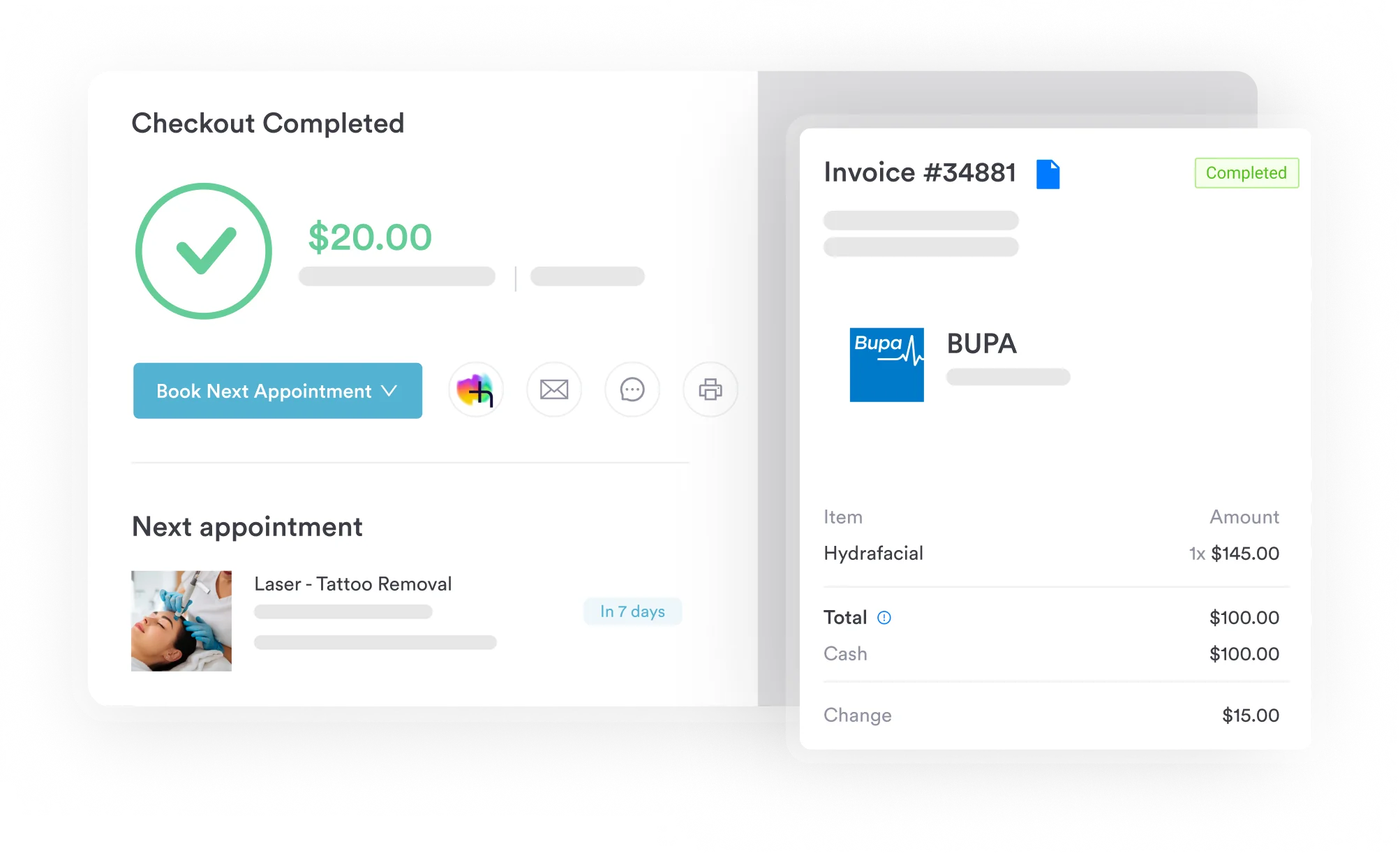

Pabau brings the intake form, the trauma note, the ICD-10-CM code, and the claim together on one client record. Insurer fields get checked before submission, so your billing team stops chasing the note that supports the code.

S38.03XA is the code that names the vulva, and the unspecified codes above it are not a safe default. Reaching for one when the note is specific turns a clean claim into an audit finding. Get the site, the mechanism, and the encounter stage into the record, and the rest of S38.0 stops being a guessing game.
The habit worth building is small. Read the provider’s own wording before you pick the code, then pick the 7th character from what the provider did that day. To see injury documentation and claims running on one record, book a demo with our team.

Coding the pelvic fracture that came with the crush injury? ICD-10 code S32.416A covers acetabular fracture coding when the record does not document a side.
Need the 7th characters that fracture codes use? ICD-10 code S72.431R works through the malunion and open fracture characters that S38.03 never takes.
Reporting an external constriction mechanism? ICD-10 code W49.09XD shows how an external cause code carries its own encounter character on follow-up.
Coding anesthesia for an arterial embolectomy? Anesthesia code for artery embolectomy covers when anesthesiologists and CRNAs can report this upper arm and elbow code.
Billing anesthesia for a vein repair? Anesthesia code for vein repair covers the code description, base units, and how it differs from CPT 01780.
Yes. A code from O9A.2- comes first when the patient is pregnant, followed by S38.03XA. The trimester character on the O9A.2- code has to match what the record documents.
Abuse and maltreatment codes lead. Confirmed cases take a T74.- code first, suspected cases take T76.-, and the injury codes follow underneath.
No. Modifiers attach to CPT and HCPCS procedure codes, never to a diagnosis code. On S38.03XA, the 7th character does the work a modifier would.
On a CMS-1500, diagnosis codes go in box 21, and box 24E points each service line at the right one. Institutional claims carry it in form locator 67 of the UB-04.
Report Y99.0 for an activity done for income or pay, plus the place and activity codes. Carriers usually want the mechanism spelled out in the note as well.