ICD-10 Code S42.444P: Medial epicondyle fracture, right humerus
ICD-10 Code S42.444P: full descriptor and code validity ICD-10 Code S42.444P car...

Last Updated: Oct 13, 2026
Billable Code Specific Code
W25.XXXD is the billable ICD-10-CM code for contact with sharp glass, subsequent encounter.
Contact with sharp glass doesn't end at the first bandage. The patient comes back for a wound check, and that follow-up visit needs a different code than the injury did. Get the 7th character wrong here, and the claim tells the payer a story that doesn't match the note.
W25.XXXD is that follow-up code: contact with sharp glass, subsequent encounter. The details below settle whether it's billable, what the excludes notes send elsewhere, and what actually needs to be on the note first.
Let Pabau's smart automation suggest the right codes, reduce claim denials, and keep your practice compliant—effortlessly.
Automate repetitive tasks and focus on what matters most—your patients.
Reduce coding errors and ensure compliance with the latest regulations.
Clean claims, fewer denials, and faster reimbursements.
Powerful insights and reporting to help your practice thrive.
HIPAA compliant SOC 2 certified GDPR-compliant Trusted by 4,000+ clinics worldwide

W25.XXXD is a billable ICD-10-CM code for contact with sharp glass at a subsequent encounter.
The 7th character D means the patient is back for follow-up care, not active treatment.
Excludes1 sends fall cases elsewhere, to W01.110 for a fall onto glass and W18.02 for a glass strike that causes a fall.
Glass left in the skin sits under an Excludes2 note pointing to W45, not inside W25.
External cause codes never lead a claim, so W25.XXXD always follows the injury diagnosis.
Here is the short version, in one place. Use it to confirm billable status, the parent code, and the encounter type before the claim goes out.
The injury diagnosis always comes first on the claim. A finger cut with glass still in it might be coded S61.223A at the emergency visit, with W25.XXXA behind it. At the wound check a week later, both codes move to D.
Every billable W25 code ends in a 7th character, and that character marks the phase of care. It is not a visit counter. Here is what each one signals.
“Subsequent encounter” does not mean the second visit. It covers any visit for routine care after the active treatment phase closes. A patient who returns three weeks after a repair for suture removal is at a subsequent encounter, even though it is only their second appointment.
Sequela works differently again. Use S only when you are treating a late effect of the original injury, once healing is finished. The same A, D, and S pattern runs through the rest of the external cause block, so a code like W31.83XD follows the same rule.
W25.XXXD applies whenever a patient comes back for care related to a glass injury after the initial treatment is complete. The CMS ICD-10-CM guidelines put cast changes, device removal, medication adjustment, and other aftercare in this group.
In practice the definition is broader than most coders expect. Any visit in the healing phase counts, as long as the provider is not delivering new active treatment for the original wound.
One scenario trips people up. A patient arrives with an actively bleeding glass laceration that needs irrigation and closure. That visit is still an initial encounter, even if another facility saw the wound earlier that day.
To settle the 7th character, look at what the provider did. The visit count does not decide it. Run the scenarios below against your own notes.
That last row is the one code lookup pages tend to skip. The 7th character tracks the phase of treatment. A same-day transfer for more active care keeps the A character, so visit number two is not automatically a subsequent encounter.
Knowing where the code sits saves a wrong turn in the tabular list. The CDC ICD-10-CM tool shows the same parent-to-child chain:
W25 on its own is not billable. It classifies the mechanism, then the 7th character finishes the code. The three X placeholders exist only to push that character into the seventh position, so they are never dropped.
The notes attached to W25 apply to all three of its billable codes. They are the fastest way to catch a case that belongs somewhere else entirely.
Excludes1 is the hard note. It means the two codes describe the same event in different ways, so they cannot be reported together. W25 carries two Excludes1 entries, and both involve a fall.
So the order of events picks the code. Direct contact with glass, with no fall in the story, stays with W25. When the note is vague about what came first, query the provider rather than guess.
W25 has no Includes note in the tabular list. A foreign body that enters through the skin appears instead as an Excludes2 note pointing to W45.
Excludes2 is the softer note. The condition is not part of W25, but the patient can have both, so both codes may be reported when the record supports each one. A retained fragment removed at a follow-up visit could pair W45 with an injury code such as injury code such as S61.441D.
Document the exact mechanism in every glass case. “Patient slipped and fell onto a glass table” and “patient reached into broken glass” lead to different codes. A fall that ends in glass contact goes to W01.110, and a glass strike that causes a fall goes to W18.02. Flag ambiguous notes for a provider query before the claim leaves your practice.
Glass follow-ups land in more places than the emergency department. The three below cover most of what coders see, and each one leans on what the intake note captured. Digital intake forms that ask how the injury happened save a query later.
A patient cuts their hand on broken window glass and has the laceration repaired in the emergency department. A week later they see their family physician for a wound check and suture removal. The emergency visit was coded with W25.XXXA, so the follow-up carries W25.XXXD next to the injury code.
A deep glass laceration to the foot is repaired at urgent care, then followed at a wound care center three times over two weeks. All three visits use W25.XXXD. Active treatment finished at urgent care, and everything after that belongs to the recovery phase.
After a glass injury to the dominant hand, a patient is referred for hand therapy to rebuild grip strength. Each session in the recovery phase carries W25.XXXD alongside the wound or functional diagnosis. That pairing matters in occupational therapy practices, where the referral note is often the only record of how the injury happened. Revenue cycle management treats coding, submission and collection as one process rather than three handoffs. The billing process starts at registration, not at the point the coder opens the note.
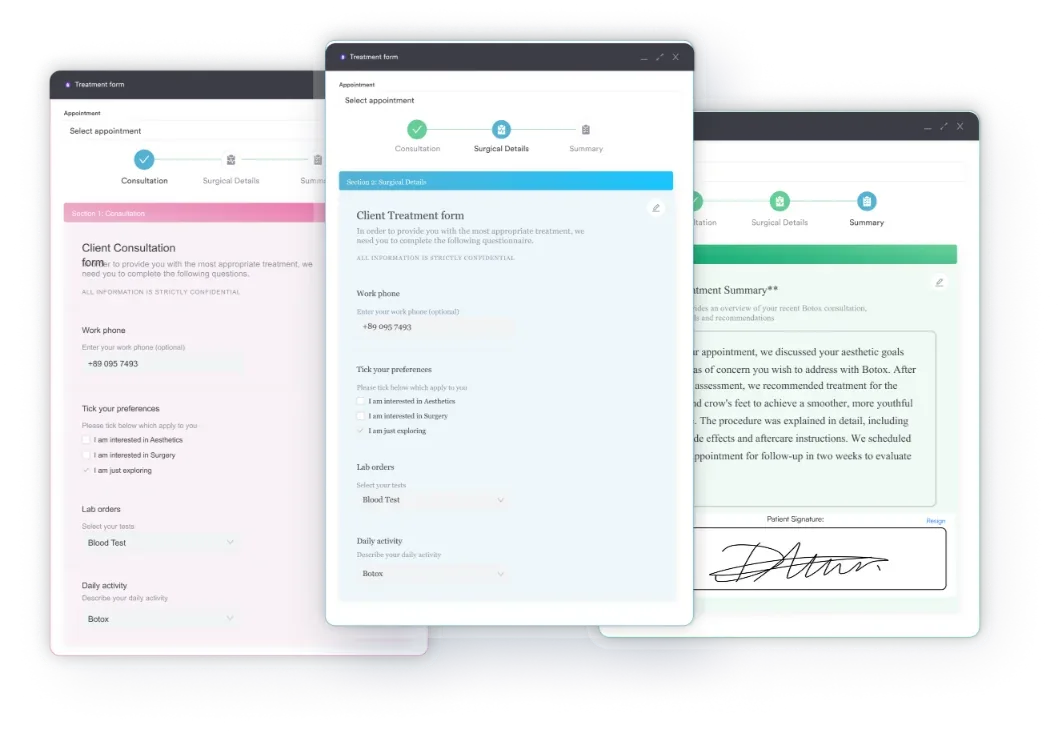
The note has to prove two things: glass caused the wound, and this visit is follow-up care. Everything else supports those two facts. Good medical documentation workflows make that easy to demonstrate.
The most common audit trigger is a D character on a first-ever visit for the injury. Without documentation of earlier active treatment, that code cannot be supported. Use W25.XXXA until the record clearly establishes a prior treatment episode, and keep the whole trail HIPAA compliant while you do it.
Providers rarely write “contact with sharp glass”. They write what happened. The table below maps common note phrasings to the code they support. Treat it as a search aid, not a list of official index entries. Up-to-date client records make that translation much quicker.
In the alphabetic index, follow “contact”, then “with”, then “glass” to reach W25. The 7th character is never in the index. You take it from the instruction at the top of the W25 category in the tabular list.
Ask reception and clinical staff to record “contact with glass” in the visit reason, instead of “wound check” or “follow-up”. Specific intake wording speeds up code assignment later. It matters most on multi-visit injuries, where the encounter type shifts from A to D after the first repair.
These come from the denial patterns that follow external cause codes around. Run through them before the claim goes out.
One habit makes all five easier. Read the mechanism sentence before you touch the code. That single line decides the family, the parent code, and the 7th character. Practices with connected patient records can see the earlier encounter without chasing another department for it.
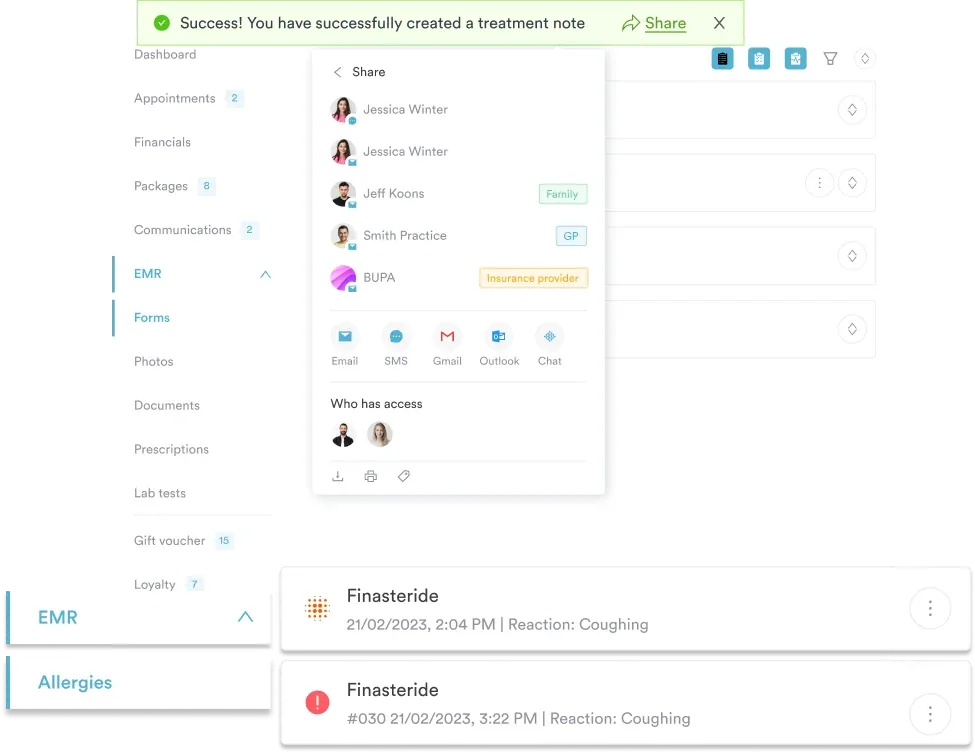
This work is usually split across systems. The wound check is written in one place. The codes are keyed somewhere else. Then the biller rebuilds the story from whatever reached the encounter form.
Practice management software like Pabau keeps all of it on one client record. The appointment, the treatment note, the injury history, and the invoice sit together, so whoever codes the visit is reading the note that produced it. The earlier encounter is one click away when you need to prove the D character.
From there, Pabau’s claims management software carries the diagnosis codes into the claim and checks the insurer details before submission. Less rekeying means fewer mismatches between what the provider wrote and what the payer receives.
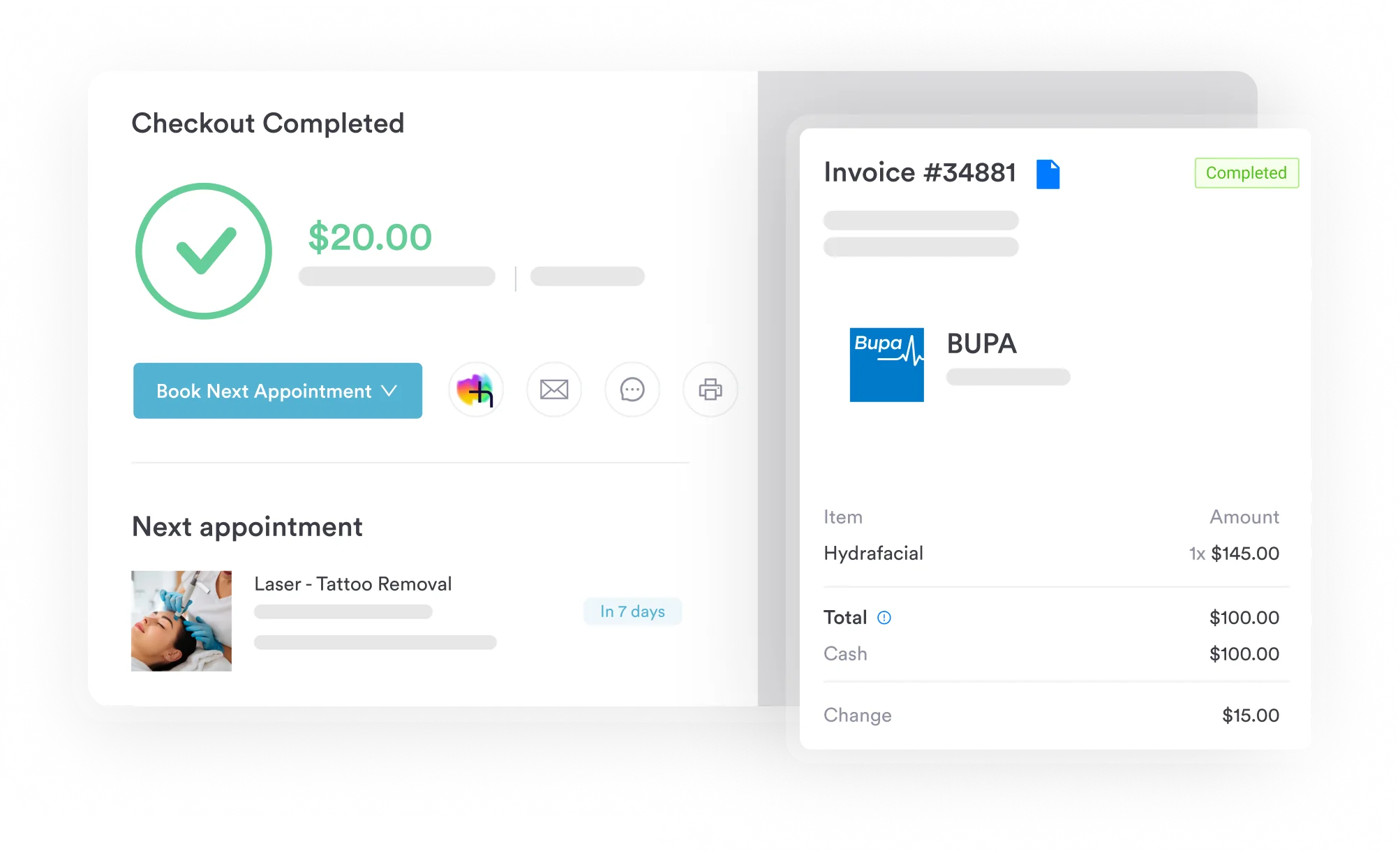

Pabau links treatment notes, diagnosis codes, and invoices in a single client record. Your team codes each follow-up visit from the note itself, then sends the claim without retyping anything.

Two questions settle almost every glass case. What did the glass do, and what did today’s visit do? The first answer decides between W25, W01.110, and W18.02. The second picks the 7th character.
Build that into the note rather than the coding step. When the provider writes how the injury happened and whether this visit is treatment or recovery, W25.XXXD stops being a judgment call. Claims go out with the same story the chart tells, and follow-up visits stop bouncing back.
Clean coding starts with a record your team can read at a glance. Book a demo to see how Pabau connects follow-up notes to the claims that come out of them.

Coding a wound that still holds a fragment? S61.441D covers the injury code that pairs with a retained foreign body at a follow-up visit.
Not sure when an injury becomes a sequela? S61.311S shows how the S character works once a laceration has healed.
Need another external cause code with a D character? W49.09XD applies the same subsequent encounter logic to a different mechanism.
Billing a follow-up for a puncture wound? S21.439D walks through documenting a subsequent encounter for a thoracic wound.
Billing a male external catheter supply? Male external catheter billing code covers HCPCS code A4349 and the documentation Medicare Part B requires to avoid denials.
ICD-10-CM sets no national requirement to report external cause codes. Plenty of payers, state reporting programs, and workers’ compensation plans do require them. Check the rule that applies to the claim, then apply it consistently across every injury visit.
No. Place of occurrence, activity, and external cause status codes are reported only at the initial encounter. A subsequent encounter carries W25.XXXD and the injury code, with nothing further from that group.
Not by itself. W25 has no Includes note, and glass entering through the skin sits under an Excludes2 note pointing to W45. Excludes2 allows both codes when the record documents the foreign body and the sharp glass contact.
Behind the injury diagnosis. External cause codes are secondary, so W25.XXXD never holds the first-listed position. List the laceration or wound code first, then W25.XXXD as an additional diagnosis.
No. External cause codes carry no payment of their own. They explain the injury behind the claim, which matters most when a liability carrier or a workers’ compensation plan picks up the bill.