ICD-10 Code S42.444P: Medial epicondyle fracture, right humerus
ICD-10 Code S42.444P: full descriptor and code validity ICD-10 Code S42.444P car...

Last Updated: Oct 13, 2026
Billable Code Specific Code
W49.09XD is the billable ICD-10-CM code for other specified item causing external constriction, subsequent encounter.
Here is where it goes wrong. The first visit was coded W49.09XA, so the same code goes out again three days later at the dressing change.
That second claim now says the injury is being evaluated for the first time, and the chart says otherwise. W49.09XD is the code for that return visit and every one after it.
Let Pabau's smart automation suggest the right codes, reduce claim denials, and keep your practice compliant—effortlessly.
Automate repetitive tasks and focus on what matters most—your patients.
Reduce coding errors and ensure compliance with the latest regulations.
Clean claims, fewer denials, and faster reimbursements.
Powerful insights and reporting to help your practice thrive.
HIPAA compliant SOC 2 certified GDPR-compliant Trusted by 4,000+ clinics worldwide

W49.09XD is a billable ICD-10-CM code for other specified item causing external constriction, subsequent encounter.
The 7th character D says the patient is back for active treatment of an injury someone already evaluated.
The external cause 7th character should match the 7th character on the injury code for that same visit.
W49.09XD never leads a claim. It sits behind the injury code that says what you treated.
Practice management software like Pabau carries injury detail forward between visits, so the follow-up note tells the coder what happened.
W49.09XD is billable and specific, so it can go on a claim exactly as written. Nothing more detailed sits underneath it. Coders checking current status will find it listed that way in the CDC/NCHS ICD-10-CM web tool for FY2026.
The official description reads: Other specified item causing external constriction, subsequent encounter. “
Other specified item” means the object that squeezed the body part has no code of its own in W49.0. The item is known and documented. It simply is not hair, thread, a rubber band, or jewelry.
Chapter 20 codes never travel alone. They explain how an injury happened, so a code that says what you treated has to come first. Every external cause code works this way, including including W25.XXXD. Section I.C.20 of the official guidelines is where that rule lives.
The 7th character tells the payer which stage of treatment this visit belongs to. It turns the stem W49.09X into a code you can submit. Get it wrong and the claim describes a different episode of care than the note does.
That last row trips people up more than the others. The guidelines are blunt about it.
Do not use a sequela character for a follow-up visit that only assesses healing or delivers rehabilitation. Save S for the day you are treating the late effect itself, the way S61.311S is reported.
One more piece of housekeeping. The X in the sixth position is a placeholder and carries no clinical meaning at all. Drop it and the code is invalid, so it stays.
Pick the character by what the provider is doing at this visit, not by who is doing it. Once a treatment plan exists and the patient comes back for wound care, dressing changes, or monitoring, the encounter is subsequent. W49.09XD is correct from that point on.
The ICD-10-CM Official Guidelines from NCHS and CMS settle the provider question directly. A patient may be seen by a new or different provider during treatment, and the 7th character still follows the stage of care.
Send a patient from the emergency department (ED) to a primary care office for a wound check, and D still applies. A new face in the room resets nothing.
W49.09 is the fallback, not the default. Four sibling codes name the constricting item outright, and one of them usually fits.
The full path runs from chapter to code like this: V00-Y99, then W20-W49, then W49, then W49.09, then W49.09XD. Related external cause codes such as W31.83XD follow the same shape.
Hair ties are the classic borderline case. A fabric-covered elastic reads as a rubber band to one coder and as hair to another. Go back to the note and see what the provider wrote. If the item is described only as “a band,” query rather than guess.
Before you reach for W49.09XD, read the item description in the note one more time. Hair belongs under W49.01XD, rubber bands under W49.03XD, and rings under W49.04XD. W49.09XD is for items those four codes do not cover. Specificity is also what defends the claim in an audit.
The code itself is easy. Getting it onto the claim in the right company is where follow-up visits come apart. Here is the order a billing team works through.
The injury code leads. It names the wound, the ischemia, or whatever else you treated today, and it carries its own subsequent encounter character. A puncture wound follow-up might go out as S61.441D, with W49.09XD behind it as the cause.
Those two 7th characters should agree. The guidelines ask you to match the external cause character to the injury code’s character for that encounter. Any claim carrying an injury code with D and an external cause with A contradicts itself.
A place of occurrence code (Y92) or activity code (Y93) belongs on the first claim, not this one. Each is assigned once, at the initial encounter for treatment. So a subsequent encounter claim usually carries the injury code and W49.09XD, and nothing else from Chapter 20.
External cause status follows the same once-only rule. Where the first visit carried Y99.8, that code stays off the follow-up claim as well.
That last one deserves a word. There is no national mandate for external cause reporting, and the guidelines say so plainly. Some states require it anyway, and some payers do too. Check your own rules before you treat W49.09XD as a nice-to-have.
Definitions only take you so far. These three visits show where the decision actually gets made.
A hair tie, checked on day five. Five days after a hair tie was removed from a finger, a three-year-old comes to a pediatric practice. Urgent care coded the first visit W49.01XA, because hair was documented. The day-five healing check is W49.01XD, not W49.09XD. That sibling code was more specific then, and it still is now. Where a payer still requires a paper claim, the practice needs the current revision of the form. A quick reference sheet cuts lookup time on codes a practice bills every week.
An elastic packing band, three days later. To bring swelling down, an adult wrapped a wide elastic band around a wrist. It is not hair, thread, a rubber band, or jewelry, so the first visit went out as W49.09XA. The patient returns for a dressing change and a circulation check, which makes W49.09XD correct.
Ask the provider to name the item in the note anyway. “Other specified” only holds up when the record says what the item was.
A zip tie, seen by a second team. The ED treated this patient for a zip-tie injury to a finger, then referred them on to a hand surgery practice. That practice has never seen the patient, yet this is still a subsequent encounter. The evaluation and the treatment decision already happened, so W49.09XD applies.
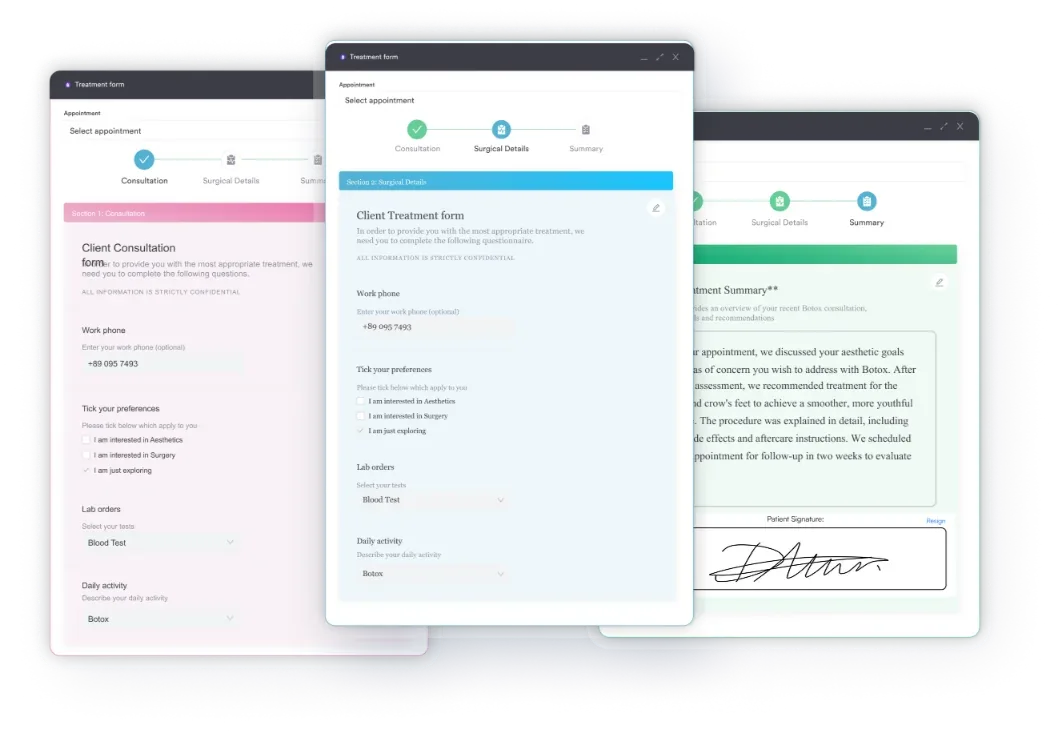
Digital intake forms that capture prior visit history save the coder a phone call here.
W49.09XD is valid for FY2026. That edition took effect on October 1, 2025 and runs through September 30, 2026. Nothing in this code’s description or billable status changed in the FY2026 update, so a practice that used it last year needs no mapping work.
The W49.09 family has been in ICD-10-CM since the US adopted the code set on October 1, 2015. No splits or restructuring have touched W49.09X since. To confirm any of that yourself, the CMS annual code files are the source of record.
Put a recurring task in the calendar for early October each year. Check the codes your practice bills most often against the new fiscal year files before the quarter’s billing gets busy. Ten minutes then saves a batch of rejections later.
A constriction injury rarely stays with one team. Urgent care sees it first, the wound check lands in a primary care or dermatology practice, and rehabilitation can end up in occupational therapy. Every stop adds a note, and the coder has to work out which stage the patient is in.
When those notes live in separate systems, the follow-up record often starts from nothing. Practice management software like Pabau keeps client records and treatment notes in one file.
The original injury detail is still on screen at the return visit. Whoever opens the record sees the item that caused the constriction, plus the date it was first treated.
Billing sits in the same place. Claims and invoicing run off the same record as the note. Your team never rekeys the visit into a second tool before it goes out. That means fewer transcription slips, and a coder who can see the history behind the code they are about to pick.
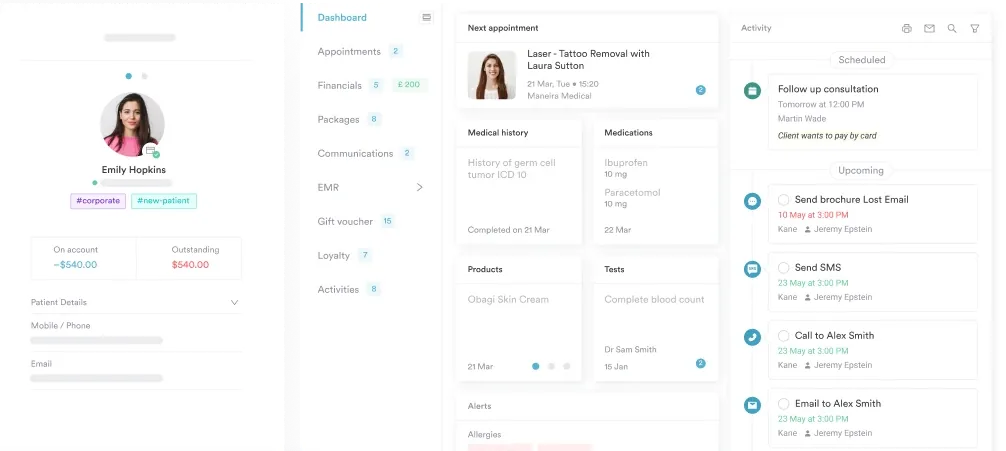

Pabau brings treatment notes, client records, and billing into one system. The history a coder needs on a follow-up visit is already in the chart.

Treat the 7th character as a question about the visit, not about the code you used last time. Ask what the provider did today, match the character to the injury code, and W49.09XD stops being a judgment call. The sibling check takes ten seconds and keeps the claim specific.
The harder part is the record. A coder can only follow an injury across visits if the notes stay together. That is a documentation problem long before it is a billing one.
Pabau Scribe, our AI scribe, writes the visit note straight into the client record, so the injury detail travels with the patient. Want to see what that looks like on your own follow-up visits? Book a demo and we’ll walk your team through it.

Need the injury code that leads the claim? S21.439D shows how a subsequent encounter injury code is documented and reported.
Not sure when a late effect replaces active treatment? S62.032S works through the sequela decision on a healed injury.
Billing an intermittent urinary catheter? HCPCS code A4351 covers the straight-tip intermittent urinary catheter billed under Medicare Part B as DME.
Billing an intermittent catheter kit? HCPCS code A4353 covers the sterile catheter kit, though 2026 changes narrowed what it still bundles.
No. The guidelines keep aftercare Z codes away from injury aftercare entirely. Code the acute injury with its subsequent encounter 7th character, then report W49.09XD behind it. The Z code only belongs on the claim if the visit covers something else, such as postprocedural care.
No. External cause codes carry no payment weight. They exist so injury research and prevention programs have usable data. The injury code and the service codes drive the money. A payer can still reject a claim where the two 7th characters disagree.
W49.01XD covers a follow-up visit where hair caused the constriction, which is what hair tourniquet syndrome usually involves. Use W49.09XD only when the record names an item that is not hair, thread, a rubber band, or jewelry.
Code assignment rests on the treating provider’s documentation. External cause detail is not one of the exceptions the guidelines allow other clinicians to document. If only the triage note names the item, query the provider before the claim goes out.