

ICD-10 Code S42.444P: Medial epicondyle fracture, right humerus
ICD-10 Code S42.444P: full descriptor and code validity ICD-10 Code S42.444P car...

Last Updated: Oct 13, 2026
Billable Code Specific Code
S37.011A is the billable ICD-10-CM code for minor contusion of right kidney, initial encounter.
Most of these cases start the same way. Someone comes off a bike, takes a tackle, or arrives from a car crash. Flank pain sends them for a scan, and the scan shows a bruised kidney.
Then the coding starts. S37.011A wants three things at once. The record has to give the side, the severity, and the encounter type. Miss one and the claim slides to an unspecified code that payers question.
Let Pabau's smart automation suggest the right codes, reduce claim denials, and keep your practice compliant—effortlessly.
Automate repetitive tasks and focus on what matters most—your patients.
Reduce coding errors and ensure compliance with the latest regulations.
Clean claims, fewer denials, and faster reimbursements.
Powerful insights and reporting to help your practice thrive.
HIPAA compliant SOC 2 certified GDPR-compliant Trusted by 4,000+ clinics worldwide

S37.011A is the ICD-10-CM code for a minor contusion of the right kidney, initial encounter.
The code is billable and specific, and it stays valid for FY2026 claims from October 1, 2025.
The 7th character A covers active treatment, D covers routine follow-up, and S covers late effects.
The record has to give the side and the severity, or the coder drops to an unspecified code.
Pabau’s claims management software flags missing insurer and administrative fields before a claim goes out.
Here is the full profile for this code, from the fields a claims system checks to how it moves once it is captured.
S37.011A is billable and specific. Specific means it sits at the end of its branch, so nothing subdivides it further. Billable means it can go out on a claim for payment.
The FY2026 window runs from October 1, 2025 through September 30, 2026. ICD-10-CM updates land every October 1. Re-check your trauma code list at the start of each fiscal year, because deleted and revised codes are a quiet source of denials.
Nothing restricts where the code sits on the claim either. According to the CDC ICD-10-CM tool, it works as a principal or a secondary diagnosis, inpatient or outpatient.
The 7th character is the piece trauma claims get wrong most often. S37.011A offers three options, and each one describes where the patient sits in their care.
A can span more than one visit. It holds across providers and settings while active treatment continues. Once care turns into monitoring, the code switches to S37.011D.
Those letters run through the whole injury chapter. Other codes use the same extensions, like same extensions, like S92.909S. Fracture codes add more of them, such as K for nonunion on S72.451K.
Common mistake: Using A on every follow-up visit. The 7th character tracks the kind of care the patient is getting, not how many visits have happened.
Knowing where the code sits in the tree makes the neighboring codes easier to find. Each level narrows the injury down, first by body region, then by organ, then by severity and side.
S37.011 is the parent code, and it is not billable. Only the full seven-character version goes on a claim, so use S37.011A, S37.011D, or S37.011S.
Kidney contusions split six ways at the initial encounter. Side comes first, severity second, and the chart has to support both choices.
Minor against major moves the DRG, so severity is worth chasing. ICD-10-CM sets no measurement for the split, which surprises coders who go looking for a threshold. The provider’s wording in the imaging or operative report decides it.
Unspecified codes are a last resort. Reach for S37.019A only when the record genuinely never names a side.
When imaging or an operative note says right, code S37.011A and never S37.019A. Payers can spot unspecified codes in an audit, and a practice that leans on them while the charts say otherwise invites a medical necessity review.
As a principal diagnosis on an inpatient claim, S37.011A lands in MDC 11, the kidney and urinary tract group. Three MS-DRGs apply, and documented comorbidities decide which one the case falls into.
The difference between 698 and 700 is money, so comorbidities are worth documenting properly. Relative weights change every year as well. Check the current CMS IPPS final rule before you forecast what an admission pays.
ICD-9 never recorded a side, so no legacy code lines up cleanly with a right-sided minor contusion. The closest approximate partner in the CMS General Equivalence Mappings is 866.01, kidney hematoma without rupture of capsule.
Mapping 866.01 forward lands on the unspecified-kidney codes rather than a right-sided one. Watch out for crosswalks that pair this code with 866.00, which is a broader unspecified kidney injury.
This matters most during legacy data reviews and retrospective audits. Old 866.0x records will never produce a clean S37.011A on their own, so someone still has to read the chart for the side.
Crosswalk tools inside your practice management software speed up the lookup. The mappings themselves come from CMS, and they are approximate by design.
A minor renal contusion is bruising of the kidney tissue after blunt force. There is no significant laceration and no injury to the collecting system. A tear moves the case out of the contusion subcategories entirely.
The usual mechanisms are car crashes, falls, and direct blows to the flank. The kidney sits deep in the retroperitoneum, so a hard deceleration can bruise it with nothing to see on the skin. Sports medicine practices meet the same injury after tackles and handlebar strikes.
Blunt trauma rarely arrives alone either. Rib, back, and abdominal wall injuries often come with it, and that rehab work runs through a physical therapy practice weeks later.
Any of that wording supports S37.011A, as long as the severity is clear. Keeping clinical documentation in one place makes the match easy to prove if an auditor asks.
The ICD-10-CM Official Guidelines govern how S37.011A gets applied. Four of those rules carry the billing weight, and the rest of a trauma chart tends to follow them.
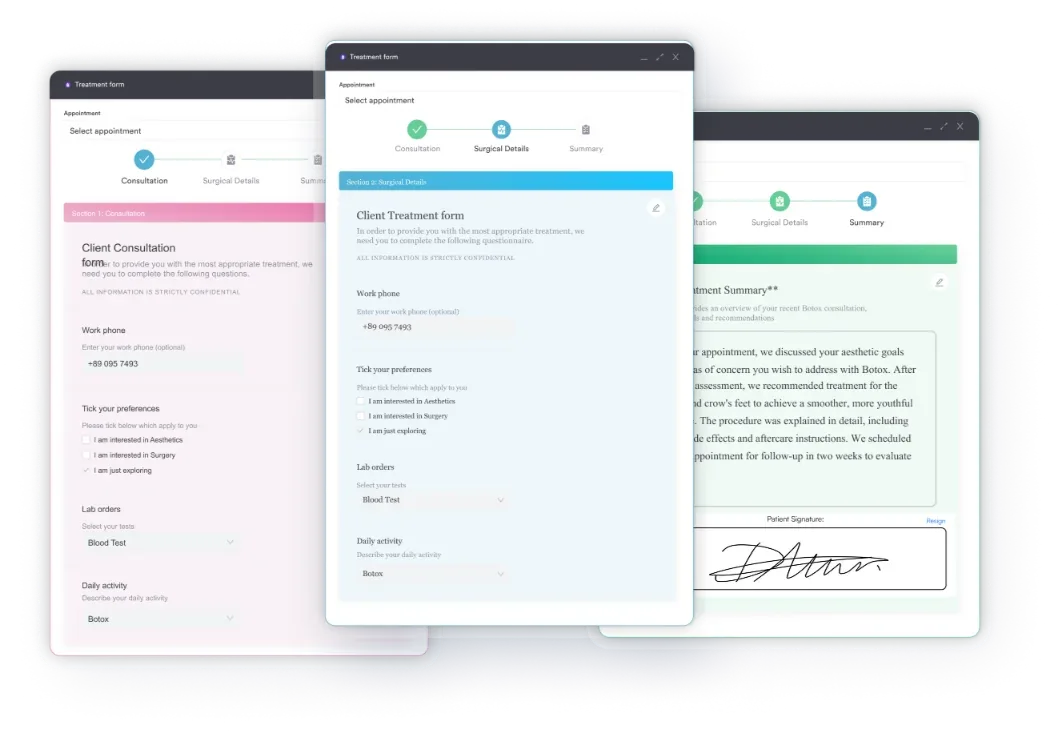
Practices using digital intake forms that record the mechanism and the injured side at check-in end up with fewer unspecified assignments. The full guideline text and the applicable-to notes sit in the AAPC code lookup.
Pair the injury code with the right external cause family. Use V00-V99 for transport and motor vehicle accidents, and W00-X58 for falls and other accidental injury. Payment rarely turns on them, but they support trauma registry reporting and back up the mechanism during a post-payment audit.
Most kidney contusion denials trace back to the same short list of misses. Walk the claim through it before anything leaves the practice.
From there the claim follows a familiar path. The coder assigns S37.011A, the biller attaches the visit and imaging charges, and the payer checks that the diagnosis supports them. Trauma claims stall at the front of that chain far more often than the back.
Right now those injury details usually live in three places. The mechanism sits in a triage note. The side sits in a radiology report. The insurer details sit on a form at the front desk, and someone re-keys all of it later.
Practice management software like Pabau keeps those pieces together. Intake forms capture the injury date, the mechanism, and the side at check-in, and the answers land in the patient record. The imaging report, the clinical note, and the assigned code sit in the same file, so your coder is not chasing anyone for a detail. Secondary payers often allow a shorter window than the primary, so the filing deadline differs by claim.
Pabau’s claims management software then checks the administrative side before submission. It validates insurer fields such as membership and authorization numbers, so claims stop bouncing back over missing details. Your team fixes them at the desk instead of a month later in a denial queue.
Those records stay locked down while all of this happens. Role-based access and an audit trail on every file support HIPAA compliance, which matters when an attorney or an auditor asks for a trauma chart.

Pabau captures injury details at check-in, keeps them with the patient record, and validates insurer fields before claims go out. That means fewer resubmissions and fewer denials to work through.

S37.011A is a small code with a demanding record behind it. Get the side, the severity, and the encounter type on paper, and the claim goes through without a conversation.
The habit worth building sits upstream of the coder. Capture the injury details at check-in, while the patient is in front of you, rather than reconstructing them from a chart weeks later.
Pabau’s claims management software flags missing insurer and administrative fields before submission, so fewer trauma claims come back. Book a demo to see how it fits your billing workflow.

Coding another blunt trauma injury? S21.439D walks through the D extension on a chest wound.
Need the external cause side of a trauma claim? W31.83XD shows how a cause code pairs with the injury it explains.
Working on fracture codes? S82.443E covers a code with a much longer 7th character menu.
Reporting harm caused during care? Y69 covers the misadventure codes used for surgical and medical care.
Comparing tools for denial-heavy claims? Pabau vs Waystar weighs both platforms on claim submission and follow-up.
Yes. No bilateral code exists in this family, so assign S37.011A for the right kidney and S37.012A for the left. Both carry the same 7th character while treatment is active.
Usually not. Signs that come routinely with an injury are not reported separately under the official guidelines. Code hematuria only when the provider documents it as a condition needing its own workup.
No national requirement exists for external cause reporting. State trauma registries, workers’ compensation carriers, and auto insurers often do ask for it, so check the payer’s rules before leaving it off.
A contusion the patient arrived with is present on admission, so the POA indicator is Y for that claim. An injury that happens after admission takes an N instead. The chart has to make the timing obvious.
The provider does. Coders cannot grade a contusion on their own. When a report says only renal contusion, send a query rather than guessing at minor or major.
No. Harm caused by medical care is reported with complication codes instead. Keep S37.011A for blunt force that happened outside the practice, such as a crash or a fall.




