ICD-10 Code R34: Anuria and oliguria
ICD-10 Code R34 is the billable ICD-10-CM diagnosis code for anuria and oliguria...

Last Updated: Oct 6, 2026
Billable Code Specific Code
S06.309A is the billable ICD-10-CM code for unspecified focal traumatic brain injury with loss of consciousness of unspecified duration, initial encounter.
Let Pabau's smart automation suggest the right codes, reduce claim denials, and keep your practice compliant—effortlessly.
Automate repetitive tasks and focus on what matters most—your patients.
Reduce coding errors and ensure compliance with the latest regulations.
Clean claims, fewer denials, and faster reimbursements.
Powerful insights and reporting to help your practice thrive.
HIPAA compliant SOC 2 certified GDPR-compliant Trusted by 4,000+ clinics worldwide

ICD-10 code S06.309A means unspecified focal traumatic brain injury with loss of consciousness of unspecified duration, initial encounter
The 6th character 9 confirms that loss of consciousness happened, but the record never states how long it lasted
Do not confuse S06.309A with S06.307A, which reports death from the brain injury before the patient regained consciousness
New for FY2026, S06.30AA covers the separate case where the record cannot establish whether loss of consciousness happened at all
Pabau’s claims management software checks that every field an insurer requires is complete before a claim can be sent
ICD-10 code S06.309A covers unspecified focal traumatic brain injury with loss of consciousness of unspecified duration, initial encounter. In plain terms, the patient blacked out and nobody wrote down how long it lasted.
That situation turns up constantly in emergency care. A patient arrives after a fall or a crash, and staff record altered mental status and a mechanism of injury. The loss-of-consciousness window never makes it onto the chart.
The CDC/NCHS ICD-10-CM web tool gives the same descriptor word for word. It is billable and specific, so the code stays valid for HIPAA-covered claims this fiscal year.
Still, one digit separates this code from a very different one. S06.307A reports a focal TBI where the patient died from the brain injury before regaining consciousness. S06.309A describes a surviving patient whose LOC duration was never recorded.
S06.309A sits seven levels down the ICD-10-CM hierarchy. Every level above it is too broad to bill, so knowing the chain keeps you off a parent code. It runs as follows:
Coders sometimes stop at S06.30 or S06.309 without appending the 7th character. Neither parent is valid for submission. Only S06.309A, S06.309D, and S06.309S can be billed.
The 6th character in an S06.30 code records the loss-of-consciousness outcome, not the injury site. Picking the wrong digit changes the clinical story a payer reads. In S06.309A, the 9 means LOC occurred but was never timed.
Two digits in that list are mortality codes. S06.307A and S06.308A both need documentation that the patient died before regaining consciousness. Neither belongs on a survivable emergency department or outpatient claim.
The FY2026 addition of a 6th character A closed a long-standing ambiguity. Before October 2025, coders used the unspecified-duration code for two different situations. Now 9 means LOC is confirmed but untimed, while A means the record never says whether LOC happened.
Chapter 19 injury codes need a 7th character that shows the episode of care. Three are valid across the whole S06.3 subcategory. The wrong choice is a common denial trigger.
The ICD-10-CM Official Guidelines (Section I.C.19) define an initial encounter as the period of active treatment. A patient can have several initial-encounter visits across different facilities while treatment continues. The provider does not have to be the first person who saw the patient.
Fracture codes carry a longer 7th-character list than S06.3 does. S06.309A has no equivalent, so A, D, and S are the only options.
Follow-up coding is where teams slip. Once active treatment ends, every later visit takes D. Rehabilitation reviews, therapy sessions, and routine checks all sit in that group.
Practices that carry TBI patients through rehabilitation record those D encounters months after the injury. Cognitive and communication work often runs longest.
The same holds in an occupational therapy practice reviewing daily function. Wherever the note is typed, the 7th character has to follow the patient across systems.
Use S06.309A when the record confirms a focal traumatic brain injury with LOC, and the duration is unrecorded. Both halves matter. Three presentations drive most assignments.
An unwitnessed fall is a different case. Say a patient is found on the floor, and nothing in the record establishes that LOC occurred. S06.309A overstates what is known, so S06.30AA is the accurate choice.
When LOC duration is known and documented, select the duration-specific S06.3 code instead. A Glasgow Coma Scale score taken at first assessment often resolves the ambiguity.
Claims carrying S06.309A face medical necessity review, so the record has to substantiate every element of the descriptor. Missing documentation is the main reason TBI claims are denied or downcoded.
Strong clinical documentation tools should capture all of the following before the claim is generated:
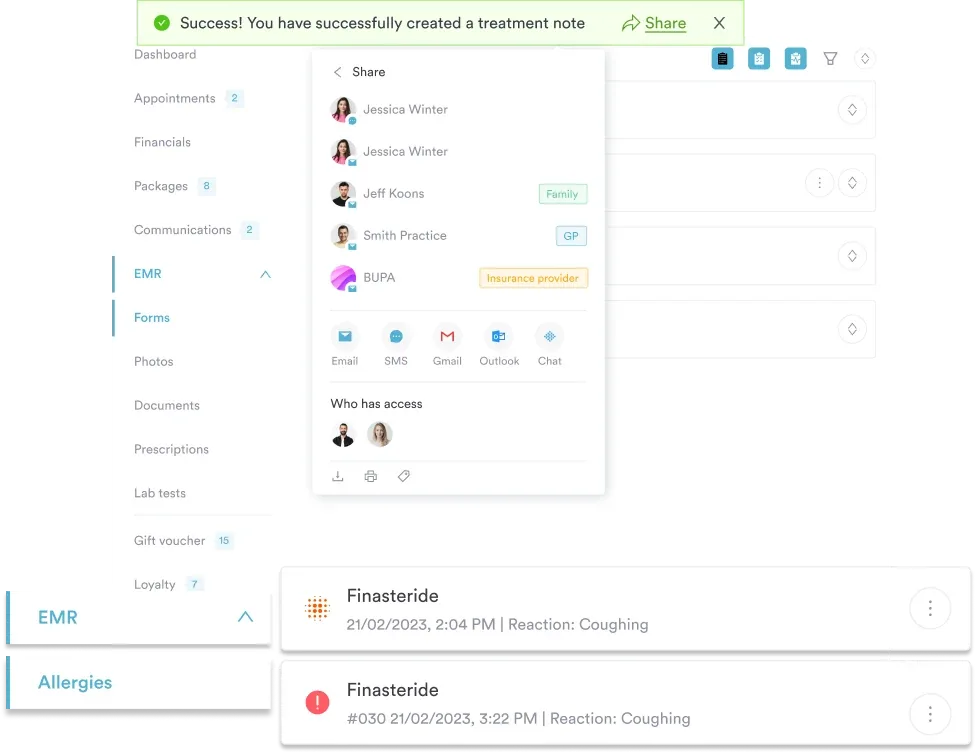
A chart that says nothing about LOC does not support S06.309A. Per CMS ICD-10 coding guidance, querying the treating provider is the right step whenever documentation is ambiguous.
Before coding S06.309A, scan the chart for timed documentation. EMS run reports, trauma log entries, and nursing assessments often captured the LOC window. A single note reading ‘patient regained consciousness about three minutes after impact’ moves the claim to S06.301A and protects it from a specificity denial.
ICD-10-CM Official Guidelines Section I.C.20 tells coders to report external cause codes alongside injury codes whenever the mechanism is identifiable.
These companion codes are secondary to S06.309A. They cost nothing to add, and they answer the first question a payer asks about trauma.
Sequence S06.309A as the principal diagnosis when the TBI is the reason for the encounter. External cause codes always follow it. Report place of occurrence and activity codes once per encounter, not once per injury.
Choosing the wrong adjacent code is the most frequent S06.3 error. The table below sets S06.309A against its closest neighbors. Verify hierarchy and wording in the AAPC Codify ICD-10-CM lookup before you submit.
Two more neighbors deserve a second look. S06.2X4A covers diffuse injury rather than focal. Read the imaging report before you pick between them.
The ICD-10-CM Official Guidelines touch S06.309A in several places, and a clean claim satisfies all of them. Documentation habits differ by specialty, but Chapter 19 injury codes share one compliance framework.
The rules that matter most for S06.30 are these:
The ResDAC guide to ICD codes in Medicare files explains how diagnosis codes travel through Medicare claims data. That context helps practices treating TBI patients under Medicare Advantage plans.
Run a quarterly audit of every S06.30 claim from the previous 90 days. Check that an external cause code is attached and that the 7th character matches the encounter type. Then confirm the 6th character matches what the chart says about loss of consciousness. Denials traced to a missing external cause code are usually fixable inside the timely filing window.
A TBI claim rarely fails at the moment of coding. It fails two or three steps later, which is why the path is worth knowing.
Almost everything that breaks the claim is decided at step one. If the LOC statement never made it into the note, no downstream check can put it back. The billing cycle for one claim can run weeks, and most of that time is spent waiting on a payer.
Four errors account for most S06.309A rejections. All four are visible in the chart before the claim leaves the practice.
The most common error is reaching for S06.309A before reading the EMS report. Trauma logs and nursing notes often carry a timed LOC window. Once that time appears anywhere in the chart, a duration-specific code such as S06.301A is required.
S06.309A asserts that loss of consciousness happened. An unwitnessed fall with no confirming account does not support that assertion. Since October 2025, S06.30AA is the correct code for those encounters.
S06.307A is a mortality code, not a second way of saying unspecified duration. Sending it on a discharged patient’s claim contradicts the rest of the record. Payers and trauma registries both read the 6th character literally.
S06.30 and S06.309 are not billable on their own. Claims scrubbers reject them as invalid rather than downcoding them. Every submission needs A, D, or S appended.
S06-series coding errors are rarely deliberate. They happen when documentation is scattered across systems, or when the coder cannot see the full clinical narrative at the moment of assignment. Practice management software like Pabau keeps that narrative on one record.
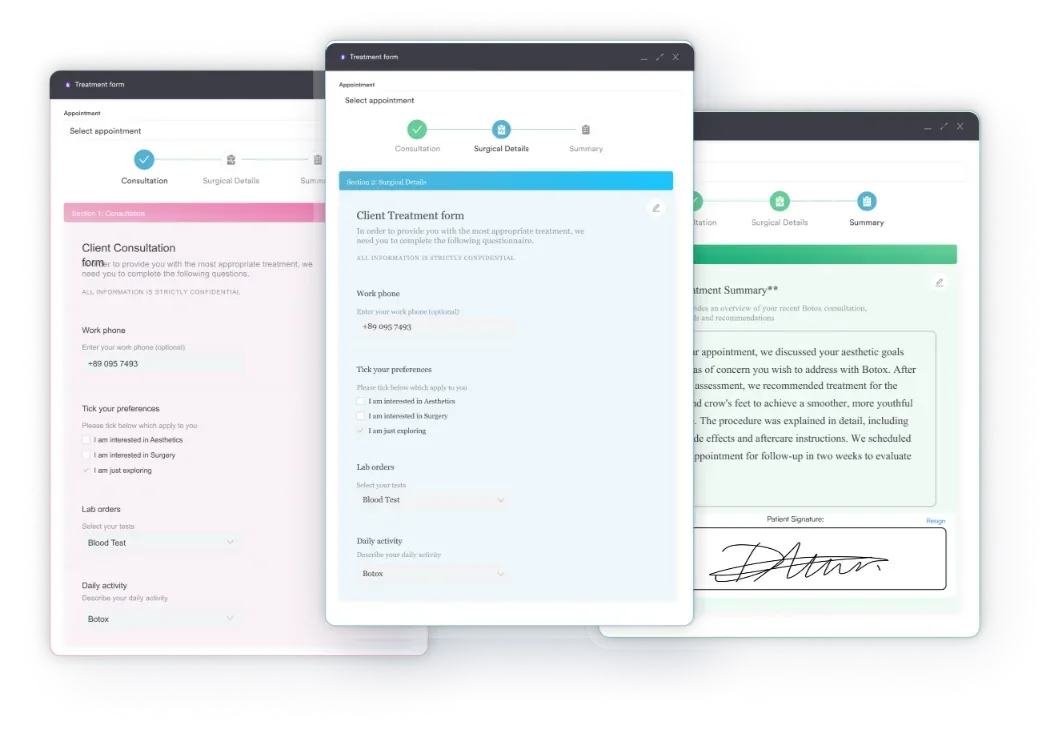
Pabau’s digital intake forms capture mechanism of injury, GCS score, and LOC status at the point of presentation. That is the same information a coder needs to choose between S06.309A, a duration-specific code, and S06.30AA.
For practices weighing patient data security, Pabau stores clinical documentation in a HIPAA-aligned environment. The injury narrative supporting S06.309A stays available to coders without a separate chart request. That removes the provider query step that usually delays complex TBI coding.
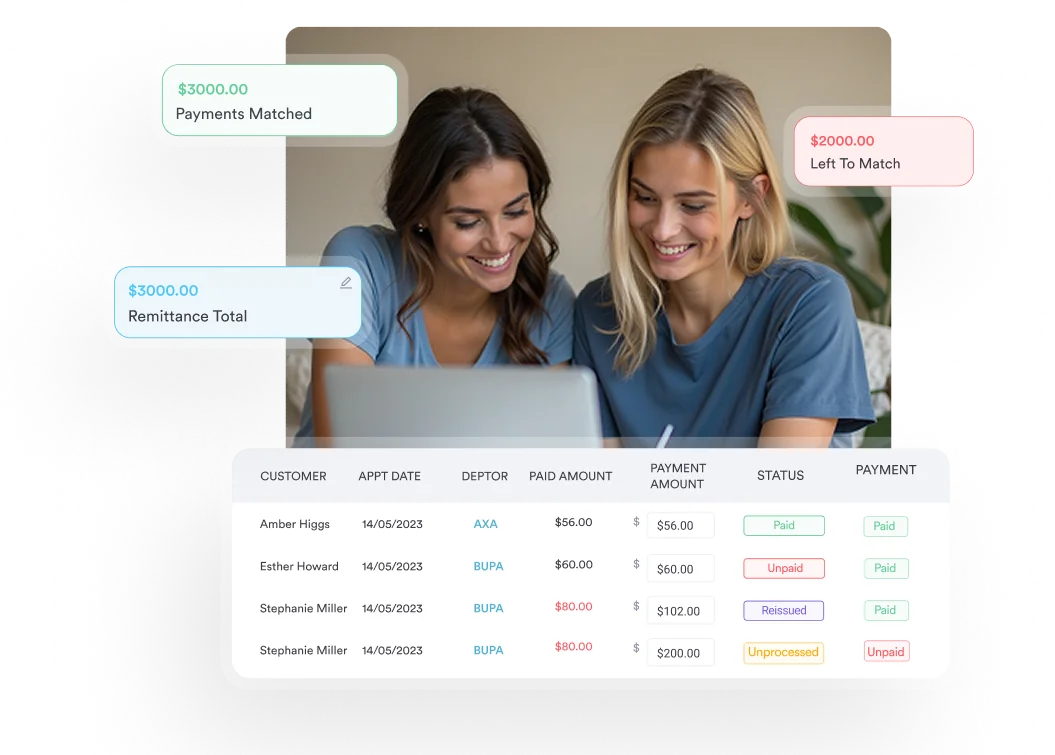
On the billing side. Incomplete claims stay blocked, and a status dashboard shows where each submitted claim sits. Code selection stays with your coder, and the evidence behind it is already in the file.

Pabau keeps intake data, clinical notes, and billing on one record. The evidence behind an S06.309A claim is captured at the point of care, not rebuilt at billing time.

S06.309A is a fair code when the chart earns it. The judgment call is narrow. Does the record actually say that loss of consciousness happened? If it does not, S06.30AA is the honest choice, and it holds up better under review.
So read the EMS narrative before you code, not after the denial arrives. That one habit rescues more claims than any scrubber rule, because the missing duration is usually sitting in somebody else’s note.
Pabau holds a claim until the insurer-required fields are complete, so fewer submissions bounce back on administrative grounds. Book a demo to see how injury-code documentation and billing run on one record.

Coding a diffuse injury instead of a focal one? S06.2X4A walks through diffuse traumatic brain injury with a documented loss of consciousness of 6 to 24 hours.
Billing a facial fracture alongside the head injury? S02.641B explains how the open-fracture 7th character works on a mandibular ramus claim.
Billing a percutaneous cholecystostomy procedure? Percutaneous cholecystostomy billing guide covers the diagnostic imaging code that determines whether an insurer reimburses promptly.
Billing vena cava filter procedures? Vena cava filter billing guide covers the procedural code for interventional radiologists inserting or removing a vena cava filter.
Billing a pleural catheter removal? Pleural catheter removal billing guide explains the consultant-only restriction that insurers check before approving this claim.
S06.309A is a billable ICD-10-CM code for unspecified focal traumatic brain injury with loss of consciousness of unspecified duration, initial encounter. Use it when focal TBI and LOC are both documented but the length of unconsciousness is not.
S06.307A is a mortality code. It reports a focal TBI where the patient died from the brain injury before regaining consciousness. S06.309A applies to a surviving patient whose LOC duration was never recorded.
Use S06.30AA when the record cannot establish whether loss of consciousness occurred, such as an unwitnessed fall. S06.309A needs a positive statement that LOC happened. The 6th character A was added for FY2026.
No, but the guidelines allow one. Coma scale codes R40.21- through R40.24- may be reported alongside a TBI code. Each needs a 7th character showing when the score was taken.
Report V, W, X, and Y codes as secondary. Common examples are W19.XXXA for an unspecified fall and V89.2XXA for a traffic accident. Add a Y92 place-of-occurrence code once per encounter.
Concussion codes sit in S06.0 and describe diffuse injury. S06.309A sits in S06.3, which covers focal traumatic brain injury. The two subcategories are not interchangeable, so confirm the imaging or exam finding first.