

ICD-10 Code S42.444P: Medial epicondyle fracture, right humerus
ICD-10 Code S42.444P: full descriptor and code validity ICD-10 Code S42.444P car...

Last Updated: Oct 13, 2026
Billable Code Specific Code
S06.365D is the billable ICD-10-CM code for traumatic hemorrhage of cerebrum, unspecified, with loss of consciousness greater than 24 hours with return to pre-existing conscious level, subsequent encounter.
Let Pabau's smart automation suggest the right codes, reduce claim denials, and keep your practice compliant—effortlessly.
Automate repetitive tasks and focus on what matters most—your patients.
Reduce coding errors and ensure compliance with the latest regulations.
Clean claims, fewer denials, and faster reimbursements.
Powerful insights and reporting to help your practice thrive.
HIPAA compliant SOC 2 certified GDPR-compliant Trusted by 4,000+ clinics worldwide

ICD-10 Code S06.365D describes traumatic hemorrhage of the cerebrum, unspecified, with loss of consciousness greater than 24 hours and return to pre-existing conscious level, subsequent encounter.
The 7th character D designates a subsequent encounter, meaning active treatment is complete and the patient is receiving routine follow-up or rehabilitative care.
Correct assignment requires physician documentation of LOC duration (greater than 24 hours), confirmation the patient returned to their pre-existing conscious level, and a subsequent encounter designation.
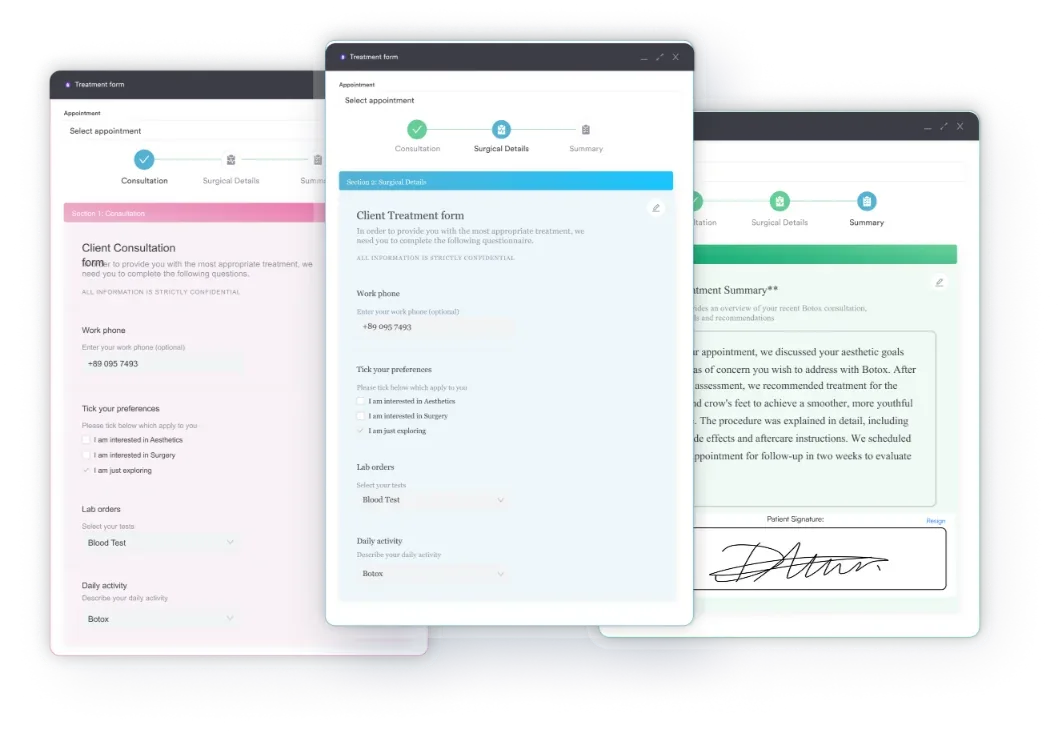
Practice management software like Pabau, with its AI-powered clinical documentation and digital forms, helps practices capture the precise LOC and neurological status details needed to support accurate S06.365D coding.
Most TBI coding errors don’t happen at the diagnosis level. They happen at the specificity level, where coders miss a LOC duration bracket or misapply the encounter type character. ICD-10 Code S06.365D is a fully billable, highly specific diagnosis code that demands precision on three separate clinical dimensions before it can be correctly assigned.
The official long description is: Traumatic hemorrhage of cerebrum, unspecified, with loss of consciousness greater than 24 hours with return to pre-existing conscious level, subsequent encounter. This code sits within the S06 intracranial injury category of ICD-10-CM and became effective October 1, 2025 for FY2026 billing.
It replaced no prior code; the full descriptor has been valid since the adoption of ICD-10-CM.
Each word in the long description of ICD-10 Code S06.365D corresponds to a specific clinical finding that must be documented in the medical record. Misreading any one component leads to a code assignment error.
The “return to pre-existing conscious level” qualifier is where most coding errors occur. S06.365D applies only when the physician explicitly documents that the patient recovered to their neurological baseline after the prolonged LOC episode.
If that return to baseline is not documented, S06.366D (without return to pre-existing conscious level) is the correct code instead. Never infer baseline recovery from discharge status alone.
The 7th character in S06 codes is not optional. Under ICD-10-CM Official Guidelines Section I.C.19, every injury code in the S00-T88 range requires a 7th character to identify the encounter type. Selecting the wrong character is one of the most common TBI claim errors.
A common misconception: the D character does not mean “second visit.” It means care after the active treatment phase is complete. A patient discharged from acute TBI care who presents three months later for a neurology follow-up gets the D character, even if this is the second encounter overall.
The A character applies whenever active treatment is still occurring, regardless of how many visits have happened. The same rule governs other injury families’ initial-encounter codes.
For the sequela character (S), the condition being treated must be documented as a direct late effect of the traumatic cerebral hemorrhage, not an unrelated condition. Using S for a patient who happens to have a history of TBI but is being treated for something unrelated is incorrect.
The same logic applies to sequela coding across the injury chapter:
Athletic injuries coded here are managed day-to-day in sports medicine software, through assessment, treatment, and return-to-play.
The 6th character position in S06.365D carries the LOC duration and clinical outcome information. The S06.3 sub-family uses a standardized numeric scale for this position. Getting the 6th character wrong is particularly common when the LOC crosses the 24-hour threshold.
Structured tools like Pabau’s Glasgow Coma Scale template help standardize how LOC duration and neurological status get documented in the first place.
7th characters D and S never apply to 6th characters 7 or 8: only the initial-encounter (A) code exists for these two outcomes.
The ‘5’ character is specific to the clinical outcome, not just the duration. A patient whose LOC exceeds 24 hours but does not return to their pre-injury neurological baseline gets the ‘6’ character (S06.366D), not ‘5’. This distinction is clinically significant.
Physicians must document both the duration AND the return-to-baseline status as separate elements in the encounter note. Duration alone is not sufficient to assign S06.365D.
Per the NCBI TBI fact sheet, code specificity for S06 diagnoses depends entirely on what the physician documents. Coders cannot infer LOC duration or return-to-baseline status from clinical context alone. Every element must be stated explicitly in the record.
Five documentation elements must be present to support ICD-10 Code S06.365D:
Practices using digital forms for structured intake and AI-powered clinical documentation capture these elements systematically, reducing the risk of incomplete LOC or neurological status entries that lead to claim denials.
ICD-10 Code S06.365D belongs to a tightly structured sibling code family. Coders working with TBI cases will regularly navigate among these codes, and the distinctions are narrow. The table below covers the S06.36xD family (subsequent encounter variants) most directly related to this code.
The S06.365D vs S06.366D distinction is the highest-risk navigation point in this family. Both require LOC greater than 24 hours. The split occurs entirely on whether the physician documented return to baseline neurological status.
The CMS ICD-10-CM coding guidelines and the ICD-10-CM Official Guidelines for Coding and Reporting Section I.C.19 govern all S06 code assignments. Key rules that directly affect ICD-10 Code S06.365D include the following.
Two tabular instructional notes attached to category S06.36 also apply. The Tabular List directs coders to “code, if applicable, to identify mild neurocognitive disorder due to known physiological condition (F06.7-)” and “code, if applicable, for traumatic brain compression or herniation (S06.A-).” Both are additional codes reported alongside S06.365D when the physician documents the relevant condition, not substitutes for it. Australian practices bill the equivalent service through MBS item numbers, which carry their own descriptors and eligibility rules. Front-desk data entry and back-office coding both feed cash collection, so errors compound downstream.
For practices managing HIPAA-compliant coding workflows, structured documentation processes are essential. See Pabau’s guidance on HIPAA compliance software and medical forms guide for supporting documentation frameworks. These frameworks help practices keep audit-ready records without adding administrative overhead.
Flag any TBI encounter note that mentions LOC but omits a specific duration. Before assigning S06.365D, verify the physician has documented both the greater-than-24-hour duration AND the return to pre-existing conscious level as separate statements. If either is missing, query the physician rather than inferring from clinical context.
Concussion codes (S06.0x series) cover mild TBI without evidence of intracranial hemorrhage. ICD-10 Code S06.365D specifies traumatic hemorrhage of the cerebrum, a structurally distinct injury with different clinical management, longer recovery trajectories, and higher reimbursement complexity. That extended recovery trajectory often involves occupational therapy practices supporting cognitive and functional rehabilitation.
Mixing concussion codes with cerebral hemorrhage codes for the same injury is a frequent audit trigger. If imaging confirms hemorrhage, the S06.3x series applies regardless of initial severity impression. The CDC/NCHS ICD-10-CM web tool allows coders to verify the full tabular hierarchy for S06 codes.
The same verification step matters for other injury-code families.
ICD-10 Code S06.365D is a valid reimbursement code for FY2026. Because it specifies a subsequent encounter, it will appear on claims for outpatient neurology visits, physical therapy practices, and ongoing specialist management following the acute hospitalization phase.
Claims submitted with S06.365D during what is clearly an initial acute treatment encounter will face denial or audit review.
Payer medical necessity policies for subsequent TBI encounters typically require documentation that treatment is ongoing and clinically necessary, not merely that the patient had a prior TBI. The patient’s functional status, rehabilitation progress, and current treatment plan should all appear in the encounter note to support the claim.
The AAPC ICD-10-CM code lookup provides additional crosswalk and coding guidance for this code family.
Practices managing high volumes of TBI follow-up cases benefit from structured documentation workflows that flag incomplete records before billing. Pabau’s clinical record documentation tools support structured capture of neurological status notes across encounters, helping practices confirm that LOC duration, return-to-baseline status, and encounter type are all on file before a claim goes out.
For broader practice management context.
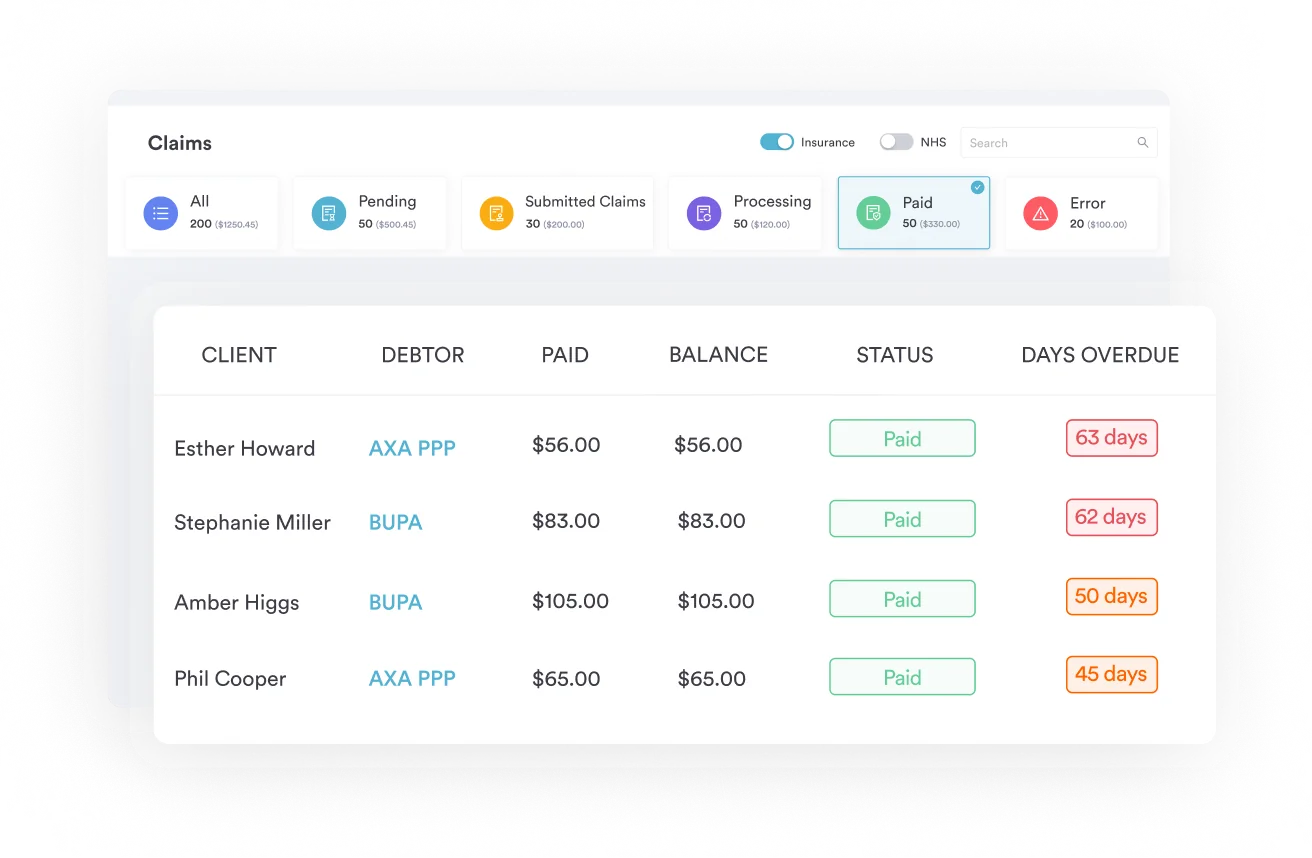

Pabau’s clinical documentation tools help neurology and rehabilitation practices capture the precise LOC duration and neurological status details that support accurate ICD-10 coding. Reduce claim errors before they reach the payer.

ICD-10 Code S06.365D is one of the most specific codes in the S06 family, requiring verified documentation of three separate clinical elements before it can be correctly assigned. Missing any one, including the critical return-to-baseline qualifier, puts the claim at risk.
Practices that use structured digital forms and AI-powered clinical documentation capture LOC duration, neurological status, and encounter type consistently across every TBI follow-up visit, making accurate S06.365D coding a workflow outcome rather than a documentation gamble. To see how Pabau supports neurology and rehabilitation documentation workflows, book a demo.

Working with 7th-character subsequent encounters elsewhere in the injury chapter? S88.929D shows how the same encounter-type logic applies to traumatic amputation coding.
Billing anesthesia for an otoscopy? Otoscopy anesthesia billing guide covers the low-volume code and the billing issues that still get its claims denied.
Navigating delayed-healing 7th characters in fracture coding? S42.223G walks through the same encounter-type distinctions for humeral fractures.
ICD-10 Code S06.365D is a billable diagnosis code for traumatic hemorrhage of the cerebrum, unspecified side, with loss of consciousness greater than 24 hours and confirmed return to the patient’s pre-existing conscious level, coded for a subsequent (follow-up) encounter. It belongs to the S06 intracranial injury category and is effective for FY2026.
S06.365A designates an initial encounter, meaning the patient is in the active treatment phase (emergency care, acute hospitalization). S06.365D designates a subsequent encounter, meaning active treatment is complete and the visit is for follow-up, rehabilitation, or ongoing management. The clinical injury and LOC criteria are identical; only the encounter type differs.
Five elements are required: mechanism of traumatic injury, cerebrum as the hemorrhage site, documented LOC duration greater than 24 hours, physician statement that the patient returned to pre-existing conscious level, and documentation supporting a subsequent (not initial) encounter. Each element must be stated explicitly; coders cannot infer them from clinical context alone. Verify against the CMS ICD-10-CM guidelines.




