ICD-10 code T87.52: Necrosis of amputation stump, left upper extremity
ICD-10 code T87.52 at a glance: Left arm, not left leg ICD-10 code T87.52 is the...

Last Updated: Oct 26, 2026
Billable Code Specific Code
S02.651K is the billable ICD-10-CM code for fracture of angle of right mandible, subsequent encounter for fracture with nonunion.
Most mandibular angle fractures heal on schedule. The ones that fail arrive on a coder's desk as a judgment call. K is the character people reach for too early.
Nonunion is a clinical finding that a provider has to state, so the character you assign has to trace back to something the surgeon wrote. Start with what the code says on the claim.
Let Pabau's smart automation suggest the right codes, reduce claim denials, and keep your practice compliant—effortlessly.
Automate repetitive tasks and focus on what matters most—your patients.
Reduce coding errors and ensure compliance with the latest regulations.
Clean claims, fewer denials, and faster reimbursements.
Powerful insights and reporting to help your practice thrive.
HIPAA compliant SOC 2 certified GDPR-compliant Trusted by 4,000+ clinics worldwide

ICD-10 code S02.651K reports a fracture of the angle of the right mandible at a subsequent encounter, with nonunion.
The 7th character K means the provider documented failed healing, which separates it from routine healing (D) and delayed healing (G).
Six 7th characters exist for S02.651: A and B for initial encounters, D, G and K for subsequent ones, and S for sequela.
The note has to state laterality, encounter type and nonunion in the provider’s own words before a coder assigns K.
Practice management software like Pabau holds the clinical note and the claim in one place, so the coder reads the provider’s own wording.
S02.651K is a billable, valid ICD-10-CM diagnosis code. Its official description reads: Fracture of angle of right mandible, subsequent encounter for fracture with nonunion.
The 2026 edition took effect on October 1, 2025. It is valid in every HIPAA-covered electronic transaction, per CMS ICD-10 guidance. The code sits in the S00-T88 injury block, inside the S00-S09 chapter for injuries to the head.
S02.651K belongs to ICD-10-CM, the American version of the classification. That makes it different from the WHO’s international ICD-10, so US claims always use the ICD-10-CM string above. Everything else on the claim follows the usual rules for HIPAA-compliant medical billing.
The 7th character K tells the payer that a fracture already treated has stopped healing. It is not optional on S02.651. Leave it off and the code is incomplete, so the claim rejects on submission.
S02.651 takes six 7th characters, and each one describes a different encounter. The treating provider’s documentation decides which one applies. Coders never infer healing status on their own.
Section I.C.19.a of the ICD-10-CM Official Guidelines sets these rules, and CMS publishes them jointly with the National Center for Health Statistics. They govern every trauma fracture code, not just this family. Consistent clinical documentation practices at the point of care are what make the character defensible six months later.
Nonunion means the fracture has not healed and is not expected to heal without further intervention. It is a complication in its own right, and it changes how the case is managed.
That matters here because K needs more than elapsed time. The provider has to write that healing failed. Thresholds shift by payer and by clinical context, so counting weeks and drawing the conclusion yourself is never enough.
The character reflects healing status, never how long the patient has been coming back. Hold onto that one distinction and most errors in this family disappear.
So a note reading “patient returns for follow-up, fracture healing well” cannot support K, however many months have passed. That wording points to D instead, the routine healing character, and a left mandibular body fracture takes S02.602D.
Flag any note that says ‘not healing as expected’ without naming nonunion or delayed healing. Query the provider before you pick a character, because that one phrase can support D, G or K.
In software built for sports medicine, injury codes connect to rehab milestones and clearance decisions.
The angle of the mandible is the curved corner where the vertical ramus meets the horizontal body of the jaw. It fails often for two reasons. The bone changes direction at that corner, and third molars frequently sit in the same spot and thin the wall.
Angle fractures account for roughly 20% to 36% of all mandibular fractures, according to published oral surgery literature. Blunt force is the usual cause, most often a motor vehicle collision, a fall, or an assault. Side matters clinically as well as for coding, because nerve proximity, surgical approach and occlusal effects all differ. Self-pay does not mean uninsured, and many patients recover part of the fee with a superbill. Practices that bill a narrow set of services keep a coding guide covering that set rather than the whole schedule.
A paired subcondylar fracture is coded separately, and its 7th character follows that site’s own encounter type. An open subcondylar fracture takes S02.620B at each active-treatment encounter when the record does not name a side.
Oral and maxillofacial, ENT and trauma teams see these patients across many follow-up visits, so consistency is the real work.
A surgical EMR that carries laterality, mechanism and healing status forward keeps every encounter aligned. Practices that repair nonunion with grafts or biologics need the same continuity in their regenerative medicine records.
S02.651K sits inside a tightly structured family. Reading the whole set at once is the fastest way to catch a laterality slip or the wrong encounter character.
For right-side fractures, S02.651 is always the parent. Reach for S02.650 only where laterality genuinely cannot be documented, not where it simply was not. Payers query unspecified codes when a specific one exists.
One subcategory over. That is a common miscode when an operative note says “jaw” and nothing more precise.
All three of these have to be true at the same time. If one fails, K is the wrong character.
Meet all three and S02.651K is correct. Where only the first two hold and healing status is blank, the next step is a provider query rather than a guess.
A note that supports S02.651K covers six elements.
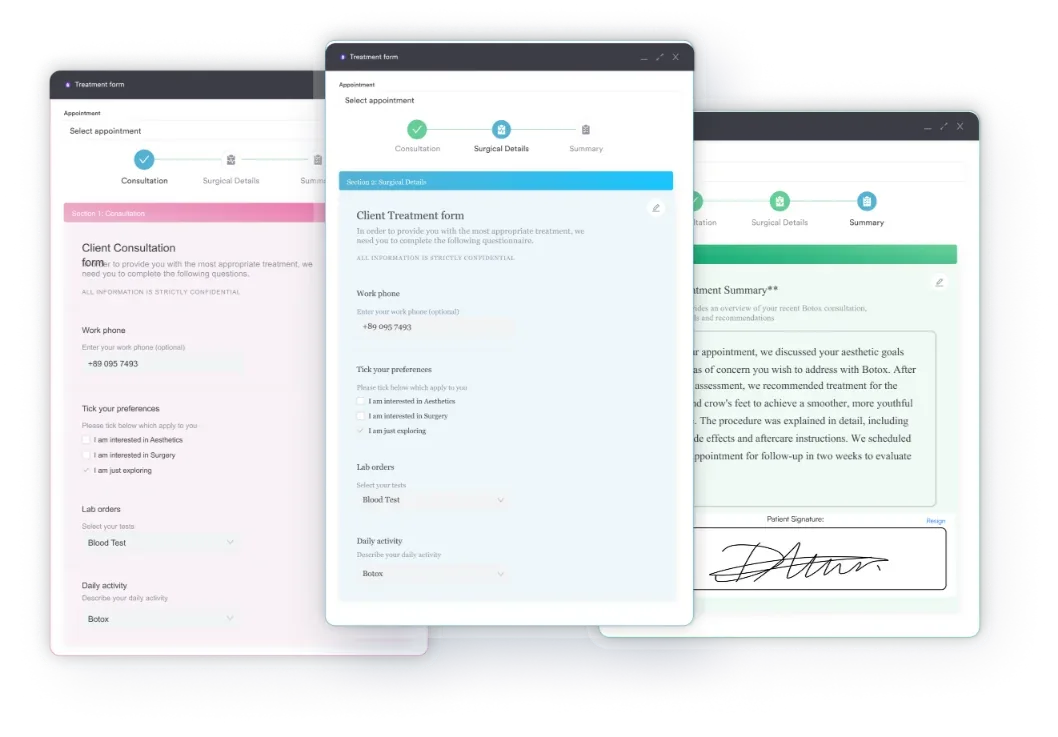
Once the note is complete, the claim itself has its own set of requirements.
A status dashboard then shows where each claim sits after it goes out. Format and completeness problems surface early, though the healing-status decision still belongs to the provider and the coder.
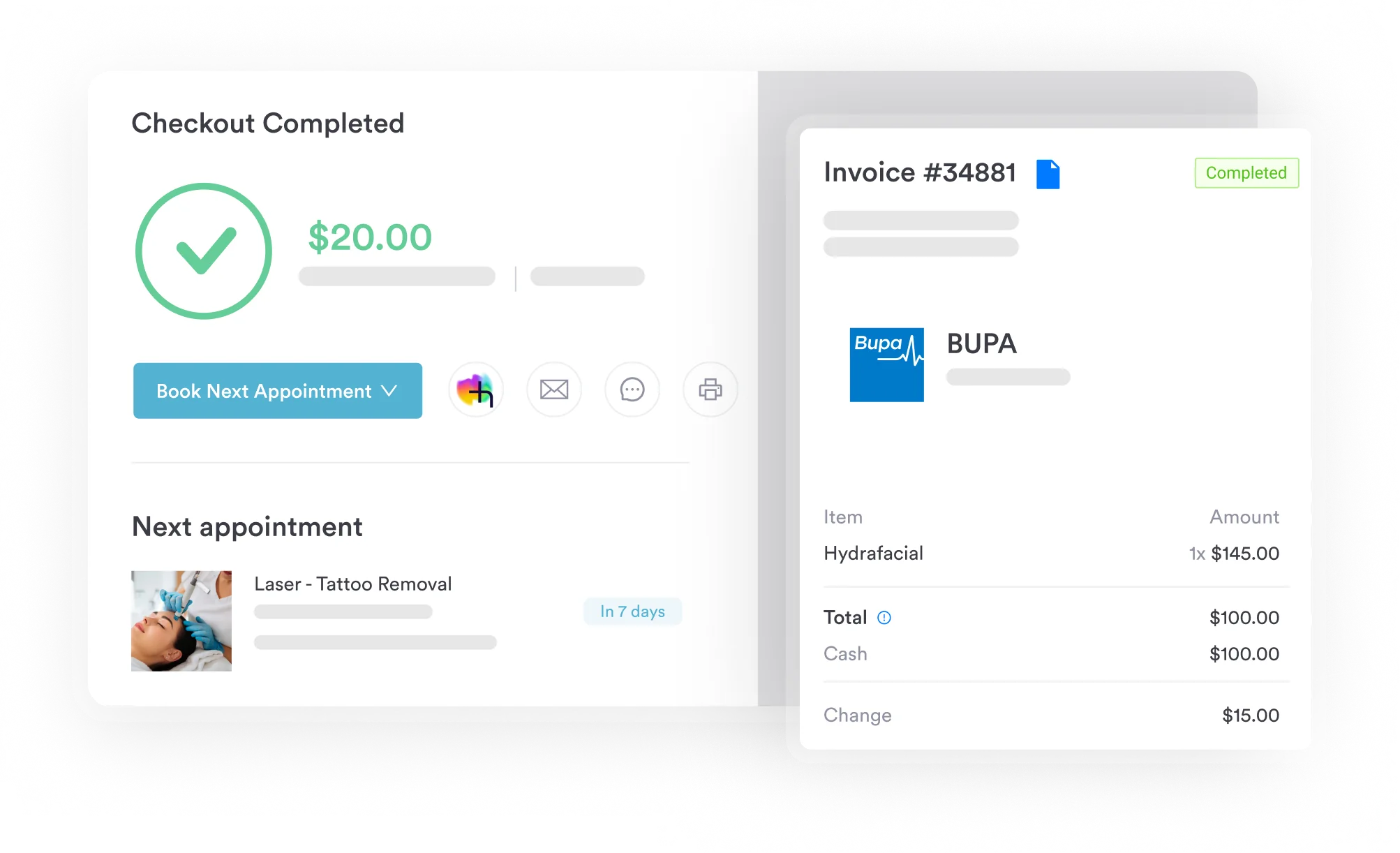
S02.651K rarely travels alone. It usually rides with a procedure code for the repair, and that pairing is where claims get held up.
Nonunion is what triggers a second intervention. Bone grafting for a major defect is reported with CPT code 20902.
Line up the diagnosis and the procedure on the same date of service. Otherwise the payer asks why a nonunion diagnosis appears on a visit where nothing was done about it.
These six questions take about thirty seconds, and they catch most problems before the claim goes out.
Four errors account for most of the S02.651K claims that come back.
Run a quarterly audit of every S02.651 claim that went out with a K character. Check each one against the chart note and confirm the treating provider stated nonunion. K is the character most worth auditing in this family, because it is the easiest one to infer by mistake.
Each level of the hierarchy narrows the injury until one billable code is left. Reading it top to bottom is a quick way to check you have not stopped a character short.
The CDC ICD-10-CM tool carries the official tabular navigation for S02, including the index entries that lead to angle-of-mandible fractures. Underneath the whole structure, the rule stays simple.
Code to the highest level of specificity the documentation supports, and no further. The same discipline runs across the chapter.
Most practices code S02.651K from a note written somewhere else. The surgeon dictates into one system, the coder reads a summary in another, and the healing language gets shortened on the way across.
Practice management software like Pabau keeps the note and the claim in one record, so the coder reads what the provider actually wrote.
For codes that turn on a single character, that wording is everything. Structured templates then hold fields for laterality, encounter type and healing status, so an oral surgery team gets the same prompts at every fracture follow-up.
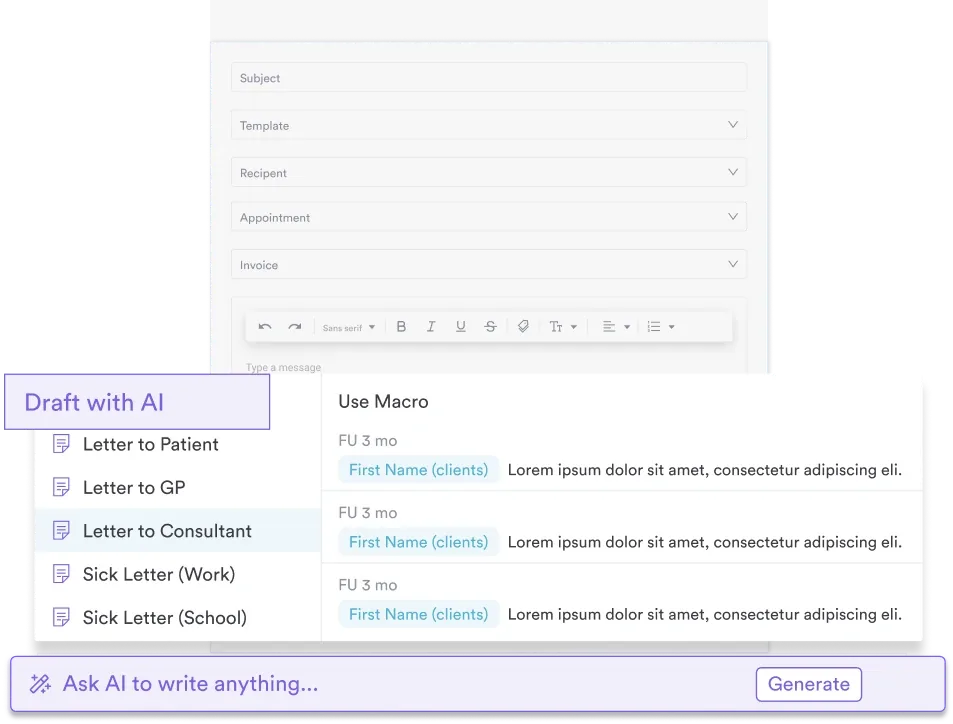
Claims then leave with the insurer’s required fields already filled in, and submission is held until they are.
Practices can also see how EHR integration ties clinical records to billing, so a follow-up note and its claim never drift apart. Fewer queries go back to the surgeon, and subsequent-encounter codes keep an audit trail worth defending.

Pabau links the clinical note to the claim, so laterality, encounter type and healing status reach billing exactly as the provider wrote them. That means fewer queries back to the surgeon and cleaner submissions.

S02.651K is a narrow code doing one specific job. It says a right mandibular angle fracture was treated, came back, and never united.
Nearly every error in this family starts the same way, with a coder settling a healing status the provider never stated. So read the healing language before you read the calendar. Where the wording is vague, query it, and pick the character afterwards.
Get that habit right and the whole episode holds together. A clean run of subsequent-encounter characters shows a payer that the fracture was tracked rather than guessed at. Book a demo to see how Pabau keeps the operative note and the claim reading the same way.

Coding the same jaw at a different site? S02.600D walks through the body of the mandible at a subsequent encounter with routine healing.
Need the character for healing that is slow but still moving? S42.90XG shows how delayed healing is reported elsewhere in the chapter.
Billing non-invasive treatment for a failed union? CPT code 20979 covers low intensity ultrasound stimulation of bone, including coverage limits.
Grafting the defect instead? CPT code 20902 sets out the documentation a major bone graft claim needs.
Facial trauma rarely arrives on its own. S06.307A explains how a co-occurring focal brain injury is coded at the initial encounter.
Yes, where the cause of the original injury is documented. Chapter 20 external cause codes explain how the fracture happened. They can be reported at subsequent encounters, while the patient is still under treatment for that injury. An external cause code is never the principal diagnosis.
No. B covers the initial encounter for an open fracture only. Once the patient returns for follow-up, S02.651 offers D, G, K and S, and none of those separate open from closed. So an originally open angle fracture that fails to unite is still coded S02.651K.
Report both sides. S02.651K covers the right angle and S02.652K covers the left, because ICD-10-CM has no bilateral code at this subcategory. Sequence whichever side is driving the current encounter first.
For as long as the provider documents nonunion and is still managing it. No visit cap or time limit is built into the character. Once the fracture unites, or the case closes with a lasting effect, move to D or S.
Not strictly. The treating provider’s statement of nonunion is what supports the character. An imaging finding strengthens the record and is usually what the provider relied on, so pull it into the chart wherever it exists.