ICD-10 Code Y76.0: Diagnostic obstetric and gynecological devices
ICD-10 Code Y76.0: Definition and billable status ICD-10 Code Y76.0 is a valid, ...

Last Updated: Oct 23, 2026
Billable Code Specific Code
S02.81XG is the billable ICD-10-CM code for fracture of other specified skull and facial bones, right side, subsequent encounter for fracture with delayed healing.
Let Pabau's smart automation suggest the right codes, reduce claim denials, and keep your practice compliant—effortlessly.
Automate repetitive tasks and focus on what matters most—your patients.
Reduce coding errors and ensure compliance with the latest regulations.
Clean claims, fewer denials, and faster reimbursements.
Powerful insights and reporting to help your practice thrive.
HIPAA compliant SOC 2 certified GDPR-compliant Trusted by 4,000+ clinics worldwide

ICD-10 Code S02.81XG covers a fracture of other specified skull and facial bones on the right side, at a subsequent encounter with delayed healing.
The 5th character 1 is the laterality digit. Right side is S02.81, left side is S02.82, and unspecified side is S02.80.
The 7th character G marks delayed healing. Category S02 allows only A, B, D, G, K, and S, so there is no malunion character P.
S02.81XG is a billable, specific code and remains valid in the FY2026 ICD-10-CM edition for encounters on or after October 1, 2025.
The client record in practice management software like Pabau keeps follow-up notes, imaging, and diagnosis codes on one patient timeline.
ICD-10 Code S02.81XG is the billable diagnosis code for a right-side fracture of other specified skull and facial bones. Specifically, it applies at a subsequent encounter, when the provider documents that the fracture is healing more slowly than expected.
Two characters carry the weight of that description. First, the 5th character 1 fixes laterality on the right side. Second, the 7th character G fixes healing status as delayed. Consequently, changing either one means the code describes a different encounter.
Category S02 also behaves differently from the long bone fracture categories most coders learn first. It offers no malunion character, so the familiar D, G, K, P set does not apply to a skull or facial bone fracture.
In particular, this reference covers the code description, every valid 7th character, the laterality siblings, the hierarchy, and the documentation behind a G assignment.
Each character in S02.81XG carries a distinct meaning. Indeed, reading the code from left to right shows exactly what the clinical record has to prove.
Laterality is documented, never assumed. Therefore, S02.81 is correct only when the record states that the fracture is on the right side. Where the side is missing from the note, on the other hand, S02.80 (unspecified side) is the accurate choice. Accordingly, CMS ICD-10-CM coding guidelines expect a provider query whenever laterality is clinically relevant.
Our roundup of alternatives to Jane App looks at platforms that pair injury coding with rehab treatment plans.
Every S02.81X code needs a 7th character. Specifically, the letter reflects the encounter type and the healing status the provider documented. Overall, category S02 permits six letters, and nothing else is a valid code.
Category S02 has no P character for malunion. Consequently, a skull or facial bone fracture that unites in poor position cannot be reported as S02.81XP, because that code does not exist. Instead, report an available character, most often S for sequela, and code the documented residual deformity separately.
The ICD-10-CM Official Guidelines for Coding and Reporting, published alongside the CDC/NCHS ICD-10-CM coding tool, define the fracture 7th characters in Chapter 19. Initially, active treatment encounters take the A or B characters. Then, once active treatment ends and the patient returns for follow-up, D, G and K apply.
The choice between D, G, K, and S drives coding at every follow-up visit. Specifically, the clinician who documents healing status decides which character is correct. Therefore, a coder cannot assign G without explicit support in the record.
The line between G and K attracts payer scrutiny. Delayed healing means the fracture is still progressing, however slowly. By contrast, nonunion means the healing process has failed. For this reason, coders should never upgrade a G to a K without explicit provider documentation of nonunion. Instead, steady provider-coder communication is the most effective control here.
Once nonunion is documented, the K code that applies depends on which skull bone fractured. At the occipital condyle, a left-side Type II nonunion is reported as S02.11DK.
When a fracture follow-up note reads as ambiguous between routine and delayed healing, query the provider before assigning the G character. After all, delayed healing needs an explicit clinical determination, not an inference from imaging. That way, a query resolved before coding protects both the claim and the audit trail.
Knowing where S02.81XG sits in the classification helps coders find related codes and spot documentation that points to something more specific. Specifically, the full path from chapter to billable code runs as follows.
The S02.8 subcategory captures skull and facial bone fractures that fall outside the named anatomical groups. Indeed, per the AAPC ICD-10-CM code lookup, it is the residual partner to the named subcategories S02.0 through S02.4. Similarly, those named subcategories carry laterality and 7th characters of their own. From there, laterality splits the residual bones three ways, into S02.80, S02.81 and S02.82.
The S02.81X family and the neighboring S02.8 codes are the usual crosswalk targets during an S02.81XG documentation review. In turn, knowing the full set makes it easier to pick the accurate code when the note specifies a different side or a different encounter type.
S02.83- is a distinct subcategory for the medial orbital wall, not a laterality sibling of S02.8x. In addition, it carries Excludes2 notes for orbital floor fractures (S02.3-) and orbital roof fractures (S02.12-). Consequently, an orbital wall fracture coded to S02.81 rather than S02.83- loses the specificity a payer expects.
When the note names the left side, use S02.82 with the matching 7th character. Similarly, when it names no side at all, S02.80 is the honest choice. To help with that. As a result, that check takes seconds rather than a chart hunt.
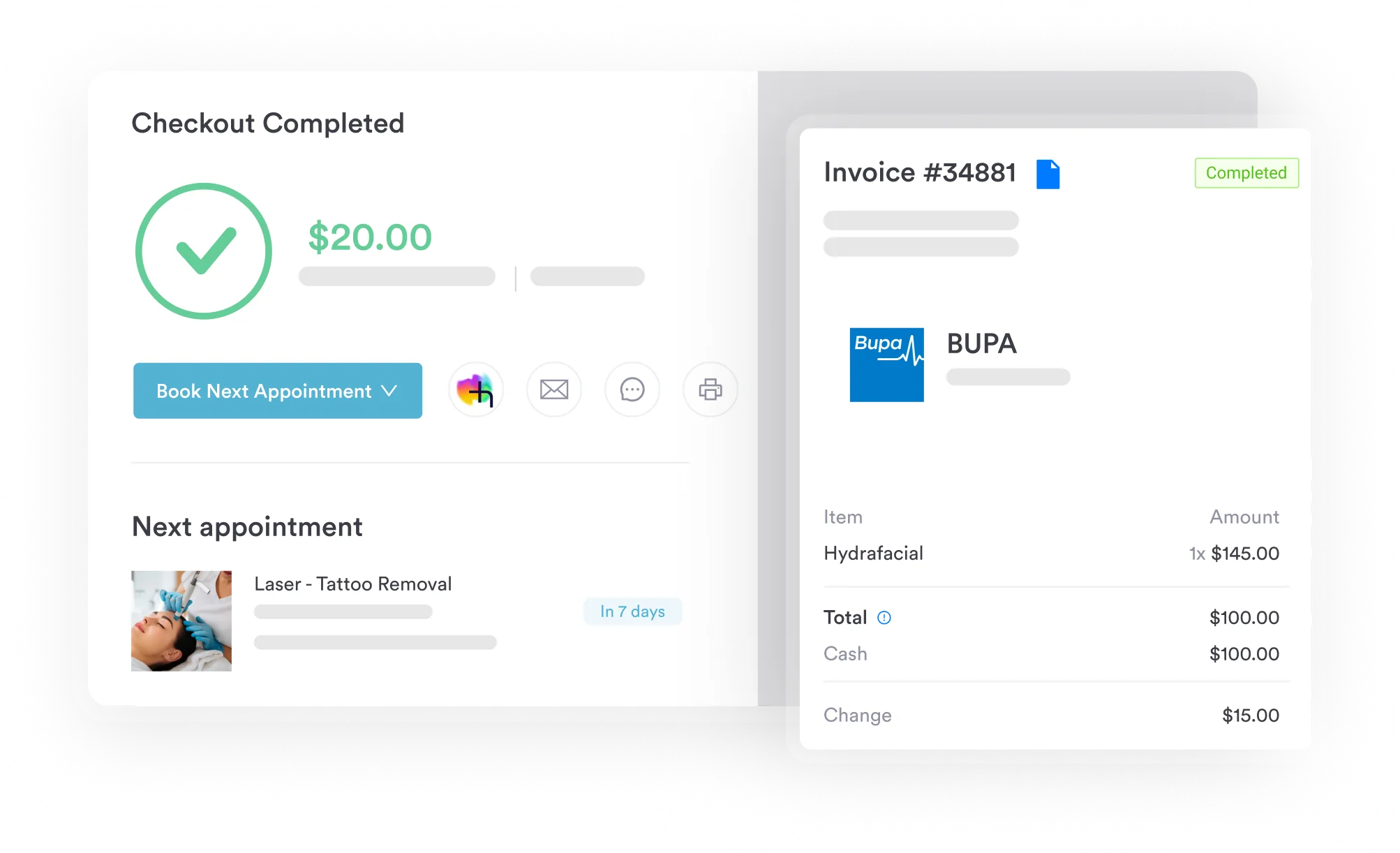
Coders meet the S02.8 subcategory most often in neurosurgical, maxillofacial and emergency follow-up settings. In addition.
The bones captured here are less commonly fractured cranial and facial structures with no subcategory of their own. Therefore, laterality only carries meaning where the bone is paired. For a midline structure, or where the note never states a side, S02.80 is the accurate code instead. In short, guessing right or left is not an option. Accordingly, ICD-10-CM guidelines, built on the WHO ICD-10 classification and its US clinical modification, expect a query when laterality is clinically relevant and absent. Coding sits in the middle of the revenue cycle, between registration and payment posting. A billing workflow that separates coding from submission creates a handoff where claims stall.
Delayed healing in this region often reflects a contributing condition. For example, metabolic bone disease, nutritional deficiency, prior radiation exposure and long-term steroid use all slow union, and each may warrant its own diagnosis code alongside S02.81XG. For practices running physical therapy EMR workflows for fracture rehabilitation, moreover, linking the code to the treatment episode supports medical necessity.
Where that metabolic bone disease is Paget’s disease documented at the skull, the contributing diagnosis is ICD-10 code M88.0. Reporting it alongside S02.81XG gives the payer a documented reason for the slow union.
Chapter 19 fracture guidelines and the category S02 tabular notes govern how S02.81XG is applied. In practice, six rules do most of the work.
Practices with HIPAA-compliant documentation workflows in their EHR benefit from structured note templates that prompt for healing status at every follow-up. In turn, that single habit prevents most 7th character errors in fracture coding. For example, a structured client record can surface the same prompts at the point of care.
Subsequent encounter billing for a delayed-healing skull or facial bone fracture usually pairs S02.81XG with an evaluation and management or imaging CPT code. Importantly, the service performed at the visit decides the CPT code, not the diagnosis code.
Surgical repair sits with the initial encounter rather than this follow-up. Either way, verify payer medical necessity policy before billing, because payment varies by payer, location and year. In addition, check the annual ICD-10-CM update before each October 1 changeover.
When billing a subsequent fracture encounter with S02.81XG, confirm the CPT code matches the work performed and the decision-making documented. After all, the diagnosis code never sets the E/M level on its own. In fact, payer audits on fracture follow-up visits often target a mismatch between the complexity a G code implies and the E/M level billed.
Most S02.81XG errors start in the note rather than on the claim. Often, the side goes unrecorded, or healing status sits buried in free text where a coder cannot rely on it. As a result, the claim goes out with a less specific code than the visit supports.
Pabau, our practice management software, keeps the whole fracture episode in one client record. For instance, custom medical forms and treatment note templates can make laterality and healing status required fields. That way, the detail behind the 7th character is captured while the patient is still in the room.
Every follow-up note, photo and imaging report then sits on a single patient timeline with a full audit trail. As a result, coders can see the original injury note and the latest healing assessment side by side. Consequently, choosing between D, G and K takes one look rather than three phone calls.
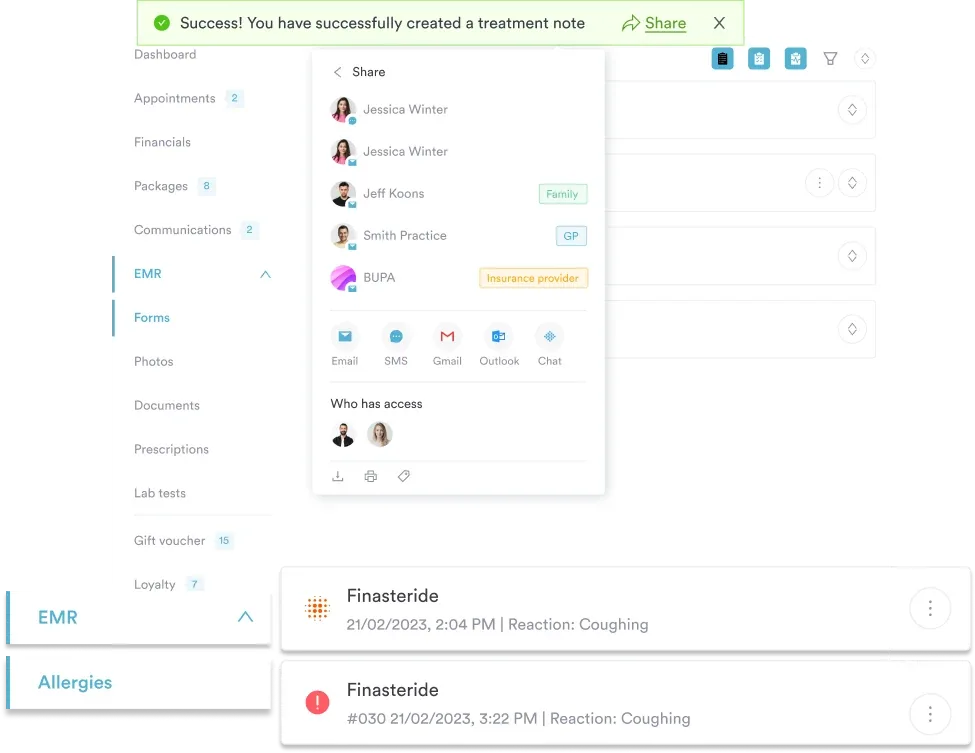

Pabau helps clinical teams record laterality and healing status at every subsequent encounter, so the note supports the code you bill. See how structured documentation works in practice.

Applying ICD-10 Code S02.81XG correctly comes down to two documented facts. Specifically, the record has to state that the fracture is on the right side, and it has to state that healing is delayed. Without both, a coder chooses between under-coding to D and an unsupported G that invites an audit.
Keep the laterality family close at hand as well. Specifically, S02.80 covers an undocumented side, S02.82 covers the left, and neither is interchangeable with S02.81 once the note is written.
Pabau’s client record gives clinicians note templates that prompt for laterality and healing status at every follow-up visit. To see this in practice, book a demo and review how that documentation trail supports cleaner fracture coding.

Reporting a sequela elsewhere in category S02? S02.11CS shows how the S character works on an occipital condyle fracture.
Coding an ear puncture wound at follow-up? S01.332D sets out the subsequent-encounter rules for an open wound of the head.
Documenting the late effect of a cervical cord injury? S14.119S explains when a sequela code leads the claim.
Billing closed treatment of a nasal fracture? 21320 covers the documentation a stabilization claim needs.
Need the repair code for a fractured nasal septum? 21336 walks through open treatment and what the global period covers.
ICD-10 Code S02.81XG is the billable diagnosis code for a right-side fracture of other specified skull and facial bones. Specifically, it applies at a subsequent encounter with delayed healing. The 5th character 1 sets the laterality as right, while the 7th character G shows the patient has returned after active treatment, with the fracture healing more slowly than expected.
Yes. S02.81XG is a billable, specific ICD-10-CM code valid for diagnosis coding and reimbursement. In fact, it remains valid in the FY2026 ICD-10-CM edition, which applies to encounters on or after October 1, 2025. Therefore, it can stand alone on a claim where it accurately reflects the encounter.
The 7th character G designates a subsequent encounter for a fracture with delayed healing. Specifically, it applies once active treatment has ended, the patient is in the follow-up phase, and the provider documents slower-than-expected healing. By contrast, it differs from D (routine healing) and K (nonunion). In addition, category S02 has no P character for malunion.
Delayed healing (7th character G) means the fracture is still moving toward union, only more slowly than expected. By contrast, nonunion (7th character K) means the healing process has failed and the fracture will not unite without intervention. Therefore, coders should not assign K from delayed healing documentation alone. Instead, a provider note or imaging report confirming nonunion is required first.