ICD-10 Code S56.412D: Extensor strain, left index finger
ICD-10 code S56.412D: Code definition and clinical scope ICD-10 Code S56.412D id...

Last Updated: Oct 19, 2026
Billable Code Specific Code
S59.229A is the billable ICD-10-CM code for salter-Harris Type II physeal fracture of lower end of radius, unspecified arm, initial encounter for closed fracture.
Let Pabau's smart automation suggest the right codes, reduce claim denials, and keep your practice compliant—effortlessly.
Automate repetitive tasks and focus on what matters most—your patients.
Reduce coding errors and ensure compliance with the latest regulations.
Clean claims, fewer denials, and faster reimbursements.
Powerful insights and reporting to help your practice thrive.
HIPAA compliant SOC 2 certified GDPR-compliant Trusted by 4,000+ clinics worldwide

ICD-10 code S59.229A covers a Salter-Harris Type II physeal fracture of the lower end of the radius, unspecified arm, initial encounter for closed fracture.
S59.229A is a billable, specific ICD-10-CM diagnosis code valid for the 2025 and 2026 fiscal years, effective October 1, 2025.
The 7th character A marks an initial encounter during active treatment. Use D for subsequent encounters and S for sequela.
ICD-10-CM has no dedicated Salter-Harris Type V code family, so crush injuries at this site are reported under S59.299.
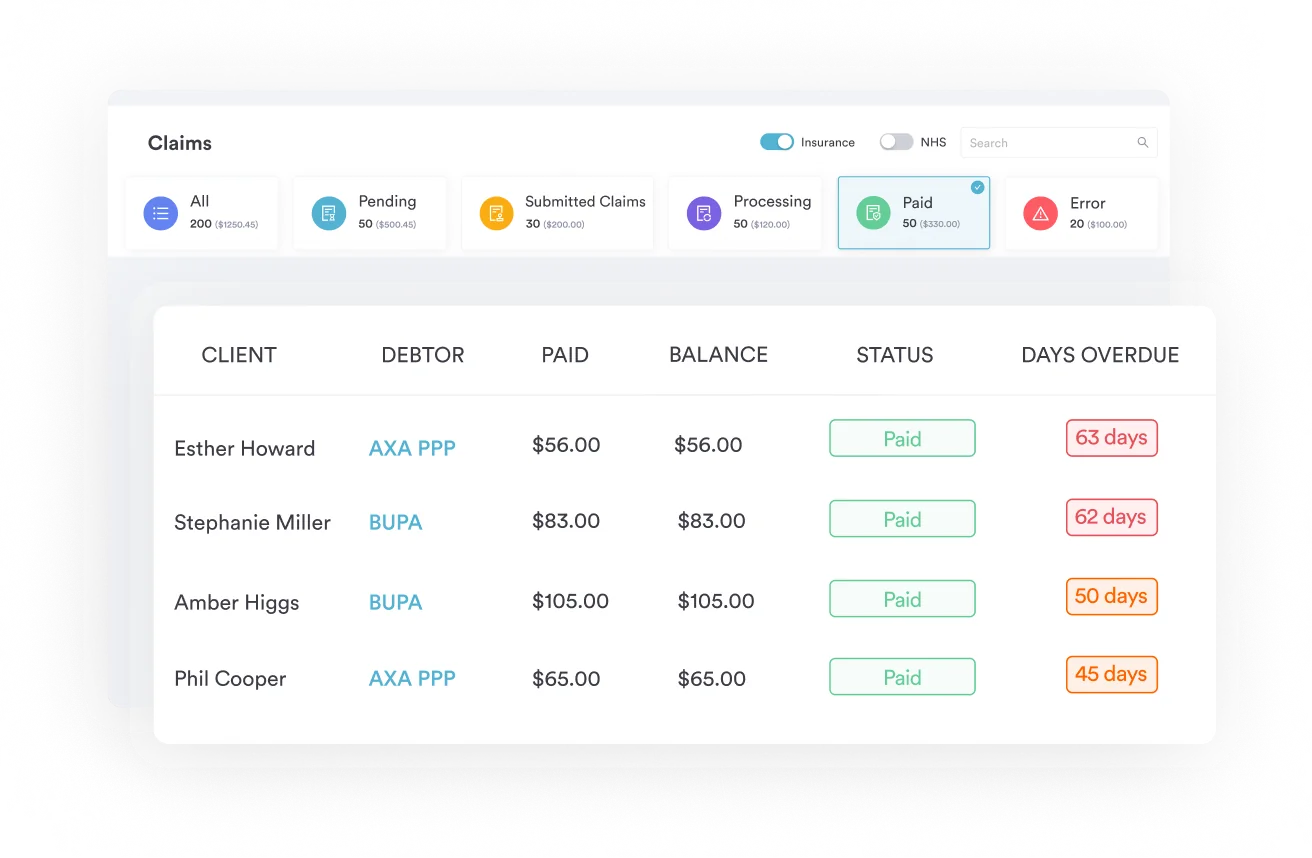
Practice management software like Pabau helps orthopedic and pediatric practices file fracture claims with the right encounter type and laterality.
Each segment of the descriptor carries a specific clinical and administrative meaning. Get one segment wrong and you have a different code with different reimbursement consequences.
Pediatric orthopedic practices can catch most of these errors before the claim leaves the building. Claims management software validates the encounter type and laterality fields at submission.
ICD-10-CM builds the Salter-Harris type into the code itself. Choose Type I instead of Type II and you have selected a different code. That affects medical necessity documentation and, under some payer edits, reimbursement for the associated procedures.
ICD-10-CM has no dedicated Type V code family. S59.299 is titled “Other specified physeal fracture of lower end of radius”. A crush injury at this site is reported under that code rather than a Type V code.
Type II is by far the most common pattern. The imaging report should state the Salter-Harris classification to support the code you pick. When the record says only “physeal fracture” with no type, query the provider before you assign a type-specific code.
Not every pediatric radius fracture involves the growth plate. Buckle and bowing injuries sit elsewhere in ICD-10-CM, under codes such as S52.529D and and S52.389A.
The 7th character is the most frequently miscoded element on Salter-Harris fracture claims. Using A at a routine follow-up, or forgetting to switch to D once treatment has stabilized, produces claim errors. Those errors trigger audits under CMS ICD-10-CM guidelines.
The shift from A to D does not happen after a set number of visits or weeks. It happens when the provider’s notes show the patient is no longer in active treatment. The same test governs every 7th character in the elbow and forearm chapter, including sprain codes such as S53.442D.
A child seen three times in a cast is coded A on every visit while the provider is still actively managing the injury. Once the cast is off and the child is in standard follow-up, switch to D.
Sequela applies when the late effect becomes the reason for the visit, separate from the original injury. A teenager presenting months later with growth arrest would carry S59.229S alongside the code for the presenting condition.
Practices running high-volume orthopedic follow-up can lean on automated clinical workflows here. A workflow prompts the coder to reassess the encounter type at each scheduled interval.
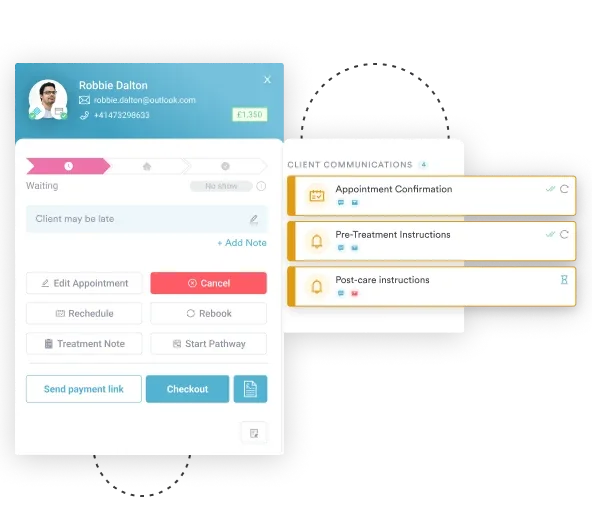
Set a workflow reminder in your practice management system to reassess the 7th character at every fracture follow-up. Continuing to bill A after active treatment ends is one of the most common audit triggers for pediatric fracture claims.
Knowing where S59.229A sits in the ICD-10-CM hierarchy helps you pick the right level of specificity. It also shows which excludes notes govern the code.
The “unspecified arm” designation at the S59.229 level means laterality was never captured. The laterality-specific siblings are S59.221 for the right arm and S59.222 for the left. Each carries the same 7th character options, so always code laterality when it is documented.
Per the CDC/NCHS ICD-10-CM coding tool, using an unspecified code when laterality is in the record counts as a coding quality deficiency. It can affect quality metrics and invite payer audits.
For pediatric orthopedic caseloads, capturing the treated side at intake removes most of that risk. Digital intake forms that prompt for body side cut the downstream need to recode.
Mis-coding between Salter-Harris types, and between laterality variants, is the most common error pattern for this code family. The table below covers the codes most often confused with S59.229A, or needed alongside it.
The crosswalk between S59.229A and S52.509A is a common point of confusion. S52.509A sits under a different parent category, S52, and is not Salter-Harris typed. Use it only when the fracture is at the distal radius and the record does not support a Salter-Harris classification.
When the late effect of a lower-radius fracture is itself the reason for the visit, a sequela code such as S52.591S may apply instead.
S59.229A is a diagnosis code. Treating the fracture itself requires one or more CPT procedure codes on the same claim. The codes below are commonly associated with distal radius physeal fractures in children. Pairing depends on the procedure performed and on payer coverage.
Verify your pairings against AAPC’s ICD-10-CM reference and the relevant LCD policies before you submit.
CPT-ICD-10 pairings for pediatric fractures are subject to National Correct Coding Initiative edits, known as NCCI. CPT 25605 and 25606 bundle certain supply and anesthesia codes, for example. A forearm shaft injury treated at the same visit falls to a separate code such as 25565.
Follow-up visits are usually billed with an evaluation and management code such as 99213. Practices running orthopedic rehabilitation services should check whether post-reduction therapy codes are separately billable under the payer’s global period rules.
Three sections of the ICD-10-CM Official Guidelines govern how S59.229A is assigned. Misapply any one of them and an audit will find a coding error.
Practices coding pediatric fractures every week can build these rules into the encounter record itself. Sports medicine software ties documentation prompts to the clinical note. The coder then sees a missing element while the patient is still in the room.
Billable status and documentation sufficiency are separate questions. S59.229A is billable, but the claim will not survive an audit unless the record supports each part of the descriptor. Box-by-box requirements on the professional claim form change by payer, so one filled sample is not a universal template.
Structured client records let you standardize how Salter-Harris type, laterality, and wound status are captured at the point of care. That cuts the number of queries a coder has to raise with the provider afterwards.
Practices migrating historical records or reconciling pre-2015 claims may need to map legacy ICD-9-CM codes to S59.229A. Crosswalks between ICD-9 and ICD-10 are approximate. A single ICD-9 code sometimes maps to several ICD-10 codes, depending on documentation specificity.
Verify any mapping against the ResDAC ICD code reference before you use it for claims reconciliation.
ICD-9-CM did not carry Salter-Harris specificity in its fracture codes. Any crosswalk to S59.229A needs confirmation from the underlying documentation that Type II was established at the original encounter. Do not apply the type-specific ICD-10 code retroactively without that support.
Client management tools can store coding history alongside the clinical record. That keeps each migration decision auditable long after the project closes.
Run a crosswalk audit before you migrate legacy fracture records. Confirm each legacy code maps cleanly to a specific ICD-10-CM code, not just a family code. Approximate mappings that depend on documentation specificity need a documented review step in your migration workflow.
In most practices, the three elements that decide this code live in three places. The Salter-Harris type sits in a radiology report. The treated side sits in a nurse’s note. The encounter stage sits in the provider’s plan, and the coder assembles all three by hand.
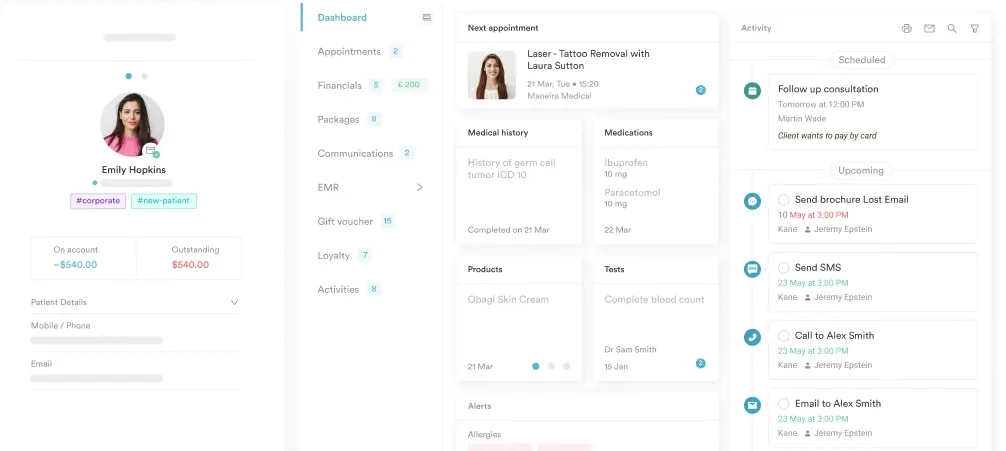
Practice management software like Pabau holds those elements on one client record. Intake forms capture the treated side at check-in. Charting templates keep the Salter-Harris type and wound status as structured fields rather than free text. Claims tools flag an encounter character that no longer matches the note.
The result is fewer queries back to the provider, and fewer claims returned for laterality or encounter-type errors. Your coders spend their time on the claims that genuinely need judgment.

Pabau’s claims tools help orthopedic and pediatric practices submit accurate ICD-10-CM fracture codes and track encounter types. That cuts denials caused by laterality and 7th-character errors.

S59.229A is easy to assign and easy to defend, provided the record does the work first. The code is rarely the problem on a denied pediatric fracture claim. The missing Salter-Harris type, or the laterality nobody wrote down, usually is.
So treat the unspecified-arm variant as a fallback rather than a default. Every time you reach for it, ask whether the answer is already sitting somewhere in the chart. That habit is worth more to your denial rate than any code lookup.
Book a demo to see how Pabau helps orthopedic and pediatric practices file fracture claims that hold up on audit.

Billing drainage of a deep breast abscess? Breast abscess drainage billing guide covers CPT 19020 and the wording in the operative note that decides whether the claim pays.
Reporting a late effect in the forearm? S56.529S shows how the sequela extension works when the residual problem, not the injury, brings the patient in.
Seeing a torus fracture higher up the radius? S52.119S covers the upper-end torus pattern that coders often confuse with a distal physeal injury.
Billing extra lesions in a breast biopsy? Breast biopsy add-on billing covers CPT 19084 for each additional lesion, always billed alongside CPT 19083 on the same claim.
S59.229A is a billable ICD-10-CM diagnosis code for a Salter-Harris Type II physeal fracture of the lower end of the radius. It covers an initial encounter for a closed fracture where laterality was not documented. Coders use it for pediatric patients who are still in active treatment for a distal radius growth plate fracture.
Yes. S59.229A is a specific, billable ICD-10-CM code valid for all HIPAA-covered transactions in fiscal year 2026, effective October 1, 2025. It can sit on a claim as a principal or secondary diagnosis without further specification.
The 7th character A marks an initial encounter, meaning the patient is currently receiving active treatment for the fracture. It applies to every visit during that phase, including the emergency room, urgent care, and orthopedic consultation. Follow-up visits still count while a cast or other active intervention is in place. Switch to D only once active treatment has concluded.
For a pediatric distal radius fracture with confirmed Salter-Harris Type II classification and unspecified laterality, the initial-encounter code is S59.229A. When laterality is documented, use S59.221A for the right arm or S59.222A for the left. For an unclassified distal radius fracture with no growth plate involvement, S52.509A applies.
Use S59.229D once the patient has completed active treatment and is in routine healing follow-up. The switch from A to D is driven by the provider’s clinical status documentation, not by a visit count or a calendar date. If the note still reflects active management, such as casting changes or reduction monitoring, stay with A.
Category S59 carries an Excludes2 note for other and unspecified injuries of the wrist and hand, which is category S69. An Excludes2 note means those injuries are not part of S59, but you may report both when each one is separately documented. Confirm the current note in the CDC/NCHS ICD-10-CM tool for this year’s edition.