ICD-10 Code Y76.0: Diagnostic obstetric and gynecological devices
ICD-10 Code Y76.0: Definition and billable status ICD-10 Code Y76.0 is a valid, ...

Last Updated: Oct 23, 2026
Billable Code Specific Code
S01.332D is the billable ICD-10-CM code for puncture wound without foreign body of left ear, subsequent encounter.
Let Pabau's smart automation suggest the right codes, reduce claim denials, and keep your practice compliant—effortlessly.
Automate repetitive tasks and focus on what matters most—your patients.
Reduce coding errors and ensure compliance with the latest regulations.
Clean claims, fewer denials, and faster reimbursements.
Powerful insights and reporting to help your practice thrive.
HIPAA compliant SOC 2 certified GDPR-compliant Trusted by 4,000+ clinics worldwide

ICD-10 code S01.332D covers a puncture wound without foreign body of the left ear, subsequent encounter. It is billable for FY2026, effective October 1, 2025.
The 7th character D means subsequent encounter. Active treatment is still underway during the healing phase, so this is not a new initial injury visit.
S01.332D sits under S01.3, open wound of ear. Its near twin S01.432D covers the cheek and temporomandibular area, so read all seven characters before you submit.
Choose between S01.332A, S01.332D and S01.332S by treatment phase. The wrong 7th character is one of the most common denial triggers on wound claims.
Clean notes on side, wound type and encounter phase keep these claims moving. Practice management software like Pabau keeps that detail on one patient record.
ICD-10 code S01.332D identifies a puncture wound without foreign body of the left ear, subsequent encounter. It is a billable, specific ICD-10-CM code for fiscal year 2026, effective October 1, 2025. The code is valid on reimbursement claims and in HIPAA-compliant clinical documentation.
Coders reach for it when a patient returns for follow-up care on a left-ear puncture wound that is healing with no retained foreign material. The code sits in category S01, open wound of head.
It turns up in urgent care. CMS publishes it in the ICD-10-CM update files used for every HIPAA-covered transaction.
Knowing where S01.332D sits in the classification tree confirms you are coding at the right level of specificity. Per the CDC/NCHS ICD-10-CM web tool, the chain runs from Chapter 19 down through narrower blocks to the billable code.
S01.332 is a non-billable parent code. A claim submitted with S01.332 alone will be rejected, because ICD-10-CM requires the 7th character to complete the code. Other codes in the S00-S09 block work the same way. Keeping a coding cheat sheet on hand helps coders confirm the required ICD-10-CM structure before they submit a claim.
In software built for sports medicine, injury codes connect to rehab milestones and clearance decisions.
The two code strings look almost identical, but the 4th character changes the body site completely. S01.3 is open wound of ear. S01.4 is open wound of cheek and temporomandibular area.
So a healing piercing tear on the left auricle is S01.332D. A puncture over the left jaw joint is S01.432D. Both are billable, both carry the same 7th character, and neither will be rejected on format. The claim simply reports the wrong body part, which is the kind of error a payer audit picks up months later.
The 7th character is mandatory for injury codes in Chapter 19 of ICD-10-CM. S01.332 offers three options. The one you pick decides whether the claim is valid and tells the payer which treatment phase the patient is in.
The official ICD-10-CM guidelines for Chapter 19 are specific about this. Character A applies for as long as the patient is receiving active treatment, however many visits that takes. Character D covers the healing phase that follows.
Once the wound has healed and you are managing a late effect, S is the right character. Coders who default to A on every return visit risk being flagged for upcoding.
Mixing up subsequent encounter codes with aftercare codes from the Z48 range is one of the most common compliance errors in outpatient wound care. The two are not interchangeable.
Use the injury code with the D suffix while active wound management is still underway. Aftercare codes apply once the condition has resolved and you are confirming recovery or removing a dressing without clinical intervention.
Record the wound status at every visit. A note that shows ongoing active management – irrigation, a dressing change with clinical assessment, suture monitoring – supports S01.332D over an aftercare code. A bare “wound check” leaves your coder guessing.
Wound type decides the code group, not just the site. That means the clinical description in the note has to be precise enough to separate a puncture from a cut.
A puncture wound comes from a pointed object. It leaves a small entrance and a narrow channel with depth, and usually less surface tissue damage than a laceration. If the note describes a cut or tear with irregular margins, the laceration group S01.31x applies instead. Retained foreign material shifts the code again: an earring back or a metal fragment left in the tissue means S01.34x, not S01.33x. Batch submissions group many claims into one claim file, and one malformed record can hold up the batch.
The same puncture-without-foreign-body test carries over to other body sites. A knee wound with no documented side takes ICD-10 code S81.039A while the patient is receiving active treatment.
These are the codes most often cross-referenced alongside S01.332D. Laterality lives in the 6th character: 1 is right, 2 is left, 9 is unspecified. Where a site has no left or right, an X placeholder fills that position, as in S01.05XS for the scalp.
Laterality matters beyond code accuracy, because payers run it through claims analytics. Submitting S01.339D for an unspecified ear when the note clearly says left is a specificity failure, and it invites a coding query.
Providers rarely write ICD-10 wording in a note. These are the clinical phrasings that map to S01.332D, and you can check any of them against the AAPC ICD-10-CM code lookup.
When a note says “auricle”, “pinna” or “external ear”, S01.332D still holds. Depth is the thing to watch. If the injury reaches the ear drum, that is a traumatic rupture coded in S09.2-, not in the S01.3 block. Query the provider rather than assume how deep the channel went.
Coders and clinicians each hold part of what makes S01.332D defensible on audit. The points below follow medical documentation best practices for outpatient wound visits.
Fewer notes come back missing the side or the wound type.
In practice S01.332D shows up on outpatient claims far more often than inpatient ones. A healing ear puncture is rarely the reason someone is admitted. In an outpatient setting the diagnosis code feeds Ambulatory Payment Classification assignment rather than DRG grouping.
If the code does appear on an inpatient claim, do not assume a fixed MS-DRG. The grouping depends on the principal diagnosis and the rest of the claim, not on this code alone. Run it through the CMS grouper for the applicable fiscal year instead of a static crosswalk.
Either way, the money follows the procedure codes billed alongside it. Wound repair codes such as 12006 and the E/M visit level drive the payment. The diagnosis code supports medical necessity. Confirm current rates with your MAC before you rely on a saved fee schedule.
DRG groupings and relative weights change every October 1 with the CMS IPPS final rule. For outpatient encounters, confirm the applicable APC through your MAC or the CMS OPPS addendum rather than a reference table you saved last year.
S01.332D has been part of ICD-10-CM since the code set went live in the US, and it has stayed valid through every fiscal year since. For FY2026 the description and the billable status are both unchanged.
Confirm current-year validity with the CDC/NCHS web tool before you submit claims in a new fiscal year. Code status does not refresh by itself inside a practice management system, so the code database needs its annual update. Put that refresh on the same annual checklist as the rest of your compliance work.
Most coding errors on a follow-up wound visit start in the note. When a practitioner at a busy skin clinic writes “ear wound, dressing changed”, the coder has no side and no wound type to work from. That is a query, a delay, and sometimes a denial.
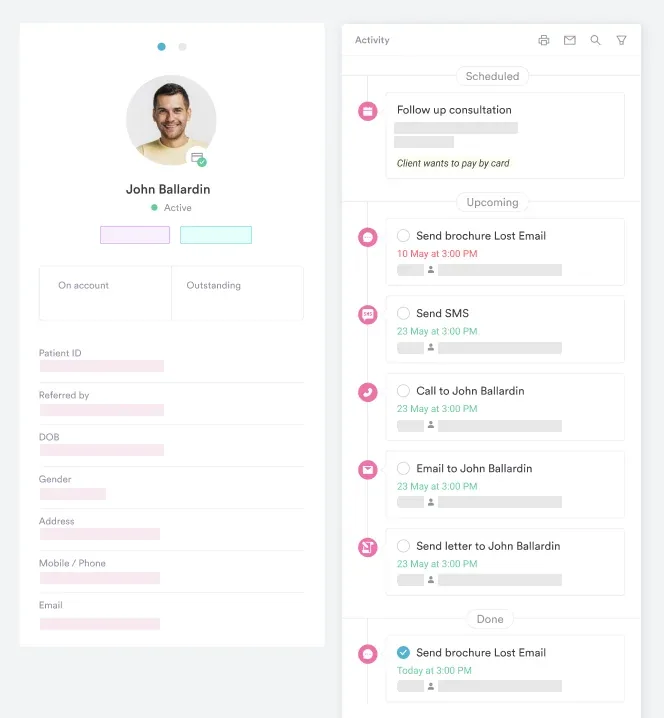
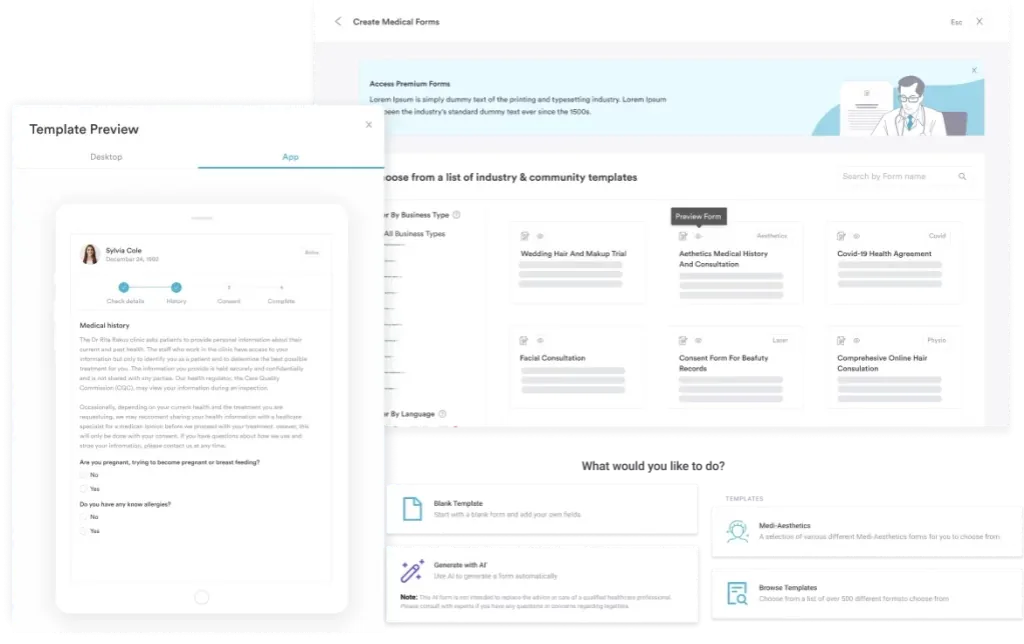
Practice management software like Pabau keeps the whole encounter history on one patient record. Treatment notes, forms and clinical photos from the initial visit and every follow-up sit together in date order. Your coder can see what was documented at each visit without chasing paper or emailing the practitioner.
On the billing side.
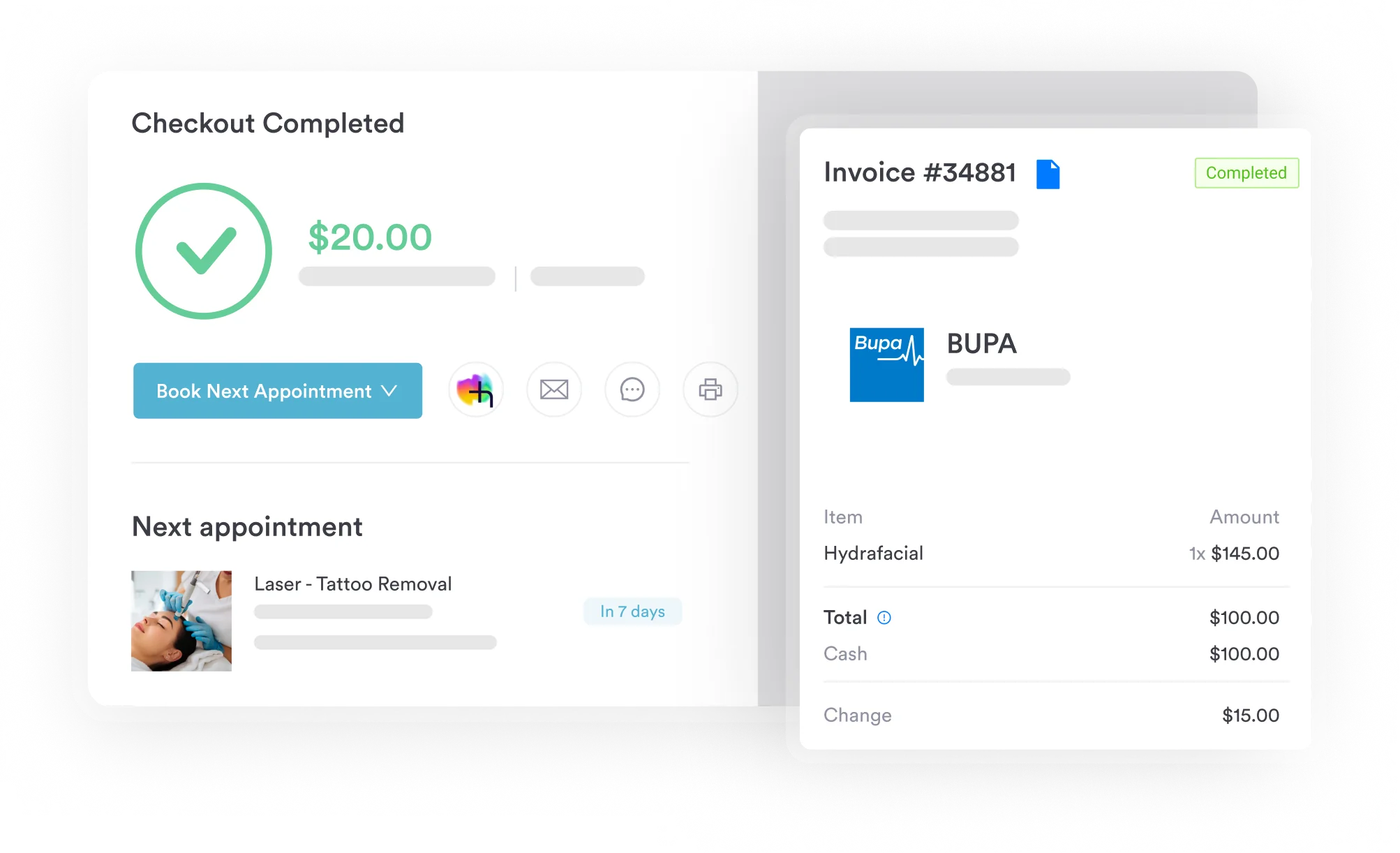
Insurer and policy details live on the patient record, so invoices route to the right payer without re-keying. When something stalls, you can see where it stopped and act the same day.
Pabau does not choose your ICD-10 codes or validate them for you. It puts the documentation and the claim status in one place. Your coding team gets the context to code S01.332D correctly, plus the visibility to chase a claim if a payer pushes back.

Pabau keeps every follow-up note, form, photo and insurer invoice on one patient record. See how it works for outpatient wound care and repeat visits.

S01.332D comes down to three things. The wound type has to be a puncture with no foreign body. The side has to be the left ear. The phase has to be subsequent, not initial and not sequela. Miss any one of them and the claim turns into a denial or an audit note.
Build one more habit on top of that. Read all seven characters before you submit. S01.432D looks close enough to pass a glance, but it reports the cheek and temporomandibular area instead of the ear.
Want to see how Pabau supports outpatient documentation and insurance billing in one place? Book a demo.

Coding a fracture that heals slowly? S02.81XG shows how a different 7th character reports delayed healing.
Following an injury that healed out of line? S49.029P covers the subsequent encounter for a fracture with malunion.
Need the D character on another injury? S43.014D applies the same subsequent encounter rule to a shoulder dislocation.
Documenting a late effect instead? S48.922S is a sequela code built on the same seven-character pattern.
Billing the wound care procedure too? 97597 is the debridement code that often sits beside a healing wound diagnosis.
S01.332D is the billable ICD-10-CM code for a puncture wound without foreign body of the left ear, subsequent encounter. It covers a follow-up visit during the healing phase for that wound. The code is valid for FY2026, effective October 1, 2025, for all HIPAA-covered claim submissions.
Use S01.332D when the provider is actively managing the wound at the follow-up visit. That covers wound cleaning, a clinical dressing change, or suture assessment. Aftercare codes such as Z48.00 apply only once the wound has healed and the visit is purely confirmatory.
A puncture wound sits in S01.33x for the ear. It comes from a pointed object and leaves a narrow, deep channel with little surface tearing. A laceration sits in S01.31x or S01.32x and is a cut or tear with irregular edges. The provider’s clinical description decides which group applies.
Yes. S01.332D is valid for fiscal year 2026, with an effective date of October 1, 2025. The FY2026 ICD-10-CM update cycle brought no description change and no status change to this code. Check status annually through the CDC/NCHS ICD-10-CM web tool before each new fiscal year.