ICD-10 Code S42.444P: Medial epicondyle fracture, right humerus
ICD-10 Code S42.444P: full descriptor and code validity ICD-10 Code S42.444P car...

Last Updated: Oct 13, 2026
Billable Code Specific Code
S31.33XA is the billable ICD-10-CM code for puncture wound without foreign body of scrotum and testes, initial encounter.
Two details in the note decide whether the claim clears. It has to call the wound a puncture, and it has to rule out a retained object. Miss either one and a sibling code becomes the right answer instead.
Let Pabau's smart automation suggest the right codes, reduce claim denials, and keep your practice compliant—effortlessly.
Automate repetitive tasks and focus on what matters most—your patients.
Reduce coding errors and ensure compliance with the latest regulations.
Clean claims, fewer denials, and faster reimbursements.
Powerful insights and reporting to help your practice thrive.
HIPAA compliant SOC 2 certified GDPR-compliant Trusted by 4,000+ clinics worldwide

S31.33XA is the billable ICD-10-CM code for a puncture wound without foreign body of scrotum and testes, initial encounter.
The 7th character A covers active treatment, while S31.33XD covers follow-up care and S31.33XS covers late effects.
The note has to name the wound as a puncture, rule out a retained object, and specify the scrotum or testes.
An external cause code from Chapter 20 belongs on the claim, sequenced after the injury code.
Practice management software like Pabau keeps the treatment note, the diagnosis code, and the claim on one patient record.
S31.33XA describes a puncture wound of the scrotum and testes with no foreign body left in it, coded at the initial encounter. The code is billable and specific, so it stands on a claim by itself. Nothing sits beneath it in the tabular list.
It is also valid for HIPAA-covered transactions, which is the standard every electronic claim runs on. Medicare, Medicaid, and most commercial payers accept it. Coders in emergency medicine, urology, and men’s health practices reach for it most often. If those transaction rules are new to your billing team, start with the basics of HIPAA compliance. A resubmission does not restart the clock, so the original filing limit still governs.
Here is the code metadata worth confirming before a claim leaves the billing queue. The CMS ICD-10-CM code files are the source of record for each of these fields.
Every ICD-10-CM code sits on a path that runs from chapter down to billable code. Reading that path shows what S31.33XA already assumes about the injury, so you can spot the point where a different code takes over.
Neighboring categories in the same block follow the same shape. S30.9AXS covers a superficial injury covers a superficial injury to this body region rather than an open wound, and its structure reads the same way.
The “X” in position six is a placeholder, required by ICD-10-CM formatting rules. It holds the sixth slot open so the 7th character can land in the right position. Drop the X and the code is invalid, and payers reject it on the first edit.
Most claim errors on this code start with the 7th character. It signals the episode of care, so it has to match what the provider was doing at that visit.
A wound check three days after the ER visit is S31.33XD, not S31.33XA. Initial encounter describes the active treatment phase, rather than the first appointment on the calendar. While the provider is still managing the acute wound, A holds. Once care turns into routine follow-up, switch to D.
That pattern repeats across the whole injury chapter, which is why S53.442D reads as a follow-up visit at a glance.
A puncture wound is narrow and deep, made by a pointed object that pierces the skin and the tissue underneath. The “without foreign body” part of the descriptor confirms that nothing stayed in the wound at the time of the encounter.
Three elements have to line up before S31.33XA is correct: puncture wound type, no retained object, and initial encounter status. A note that describes a laceration sends you to a different S31.3x code. Imaging or wound exploration that finds a retained object sends you to S31.34XA.
The injuries behind it are usually everyday ones. Nails, spikes, needles, and animal bites all show up in these notes, and so does penetrating trauma treated in urology and sexual health practices.
Providers rarely write the tabular description word for word. These are the phrasings that map to S31.33XA:
The siblings under S31.3 split on two things: what kind of wound it was, and whether anything stayed behind. Reading them side by side heads off the two most common miscodes.
The rest of the injury chapter is built the same way. A code such as S96.922A separates wound type and encounter stage in its own body region.
Legacy charts and old payer records still surface ICD-9-CM codes, so the mapping is worth keeping close. The general equivalence mappings give the official bidirectional crosswalk between the two code sets.
ICD-9-CM used one broad category for this site. S31.33XA is more specific, because ICD-10-CM separates puncture wounds from lacerations and adds the foreign body distinction. Treat 878.2 as an approximate match, and read the original note before converting a historical claim.
Payers audit injury claims against the record, so the note carries the whole case. Digital intake forms and structured templates at the point of care keep the required detail from going missing.

Documentation should support each of these elements:
S31.33XA carries no excludes notes of its own, so the checks happen one level up. Category S31 has an Excludes1 note for traumatic amputation of part of the abdomen, lower back and pelvis (S38.2-, S38.3). Never use S31.33XA when scrotal tissue was amputated.
S31 also carries an Excludes2 note, which is easy to miss. It covers open wound of hip (S71.00-S71.02) and open fracture of pelvis with 7th character B (S32.1-S32.9). Excludes2 means the two conditions can happen together, so both codes can sit on the same claim when the note supports both.
Flag any scrotal injury claim where the note mentions exploration, or a search for a foreign body, without a definitive finding. If the provider could not rule out a retained object, S31.34XA may fit better once imaging confirms it. Do not default to S31.33XA when the documentation is ambiguous about foreign body status.
Run the claim past these six points and most edit-level rejections disappear:
From there the claim moves in a predictable order. A provider’s note lands in the chart. Your coder assigns S31.33XA plus the external cause code, and the biller attaches the CPT codes for what was done. The claim then goes out with the place of service, the date of injury, and the right NPI types.
Clearinghouse edits catch the formatting problems early. What survives to a payer denial is usually a clinical detail the note never recorded. Because these records are sensitive, keep patient data security in mind wherever the documentation travels.
The diagnosis justifies the procedure, so CPT selection follows what the provider actually did. The table lists the codes that most often accompany a scrotal puncture wound at the initial visit.
Check the current AMA CPT code set and your payer’s policy first, since the clinical detail drives the level.
If exploration turns up a retained object, its removal is a separate procedure with its own code. That works the same way in other body regions, where 30310 covers removal from the nose under general anesthesia.
S31.33XA carries into ICD-10-CM fiscal year 2026 unchanged. The FY2026 code set took effect on October 1, 2025, with no revision, deletion, or resequencing for this code.
Codes do move between fiscal years, so confirm status each fall before the October update lands. The CDC ICD-10-CM tool shows the current entry for S31.33XA and the rest of the S31 family.
In a lot of practices this work is spread across three places. The clinical note sits in the chart. Codes live in a spreadsheet or in a coder’s head. Then the claim gets rebuilt again in the billing system. Every hand-off is a chance for the wound type or the encounter stage to drift.
Practice management software like Pabau keeps those pieces together. The treatment note, the diagnosis code, and the invoice sit on the same patient record. Your coder then works from the provider’s own wording instead of a summary. Pabau’s claims management then validates the insurer fields a claim needs before it goes out.
The result is a shorter path from visit to payment. Injury documentation stays attached to the code it supports, so your team spends less time hunting for the note that proves the claim.
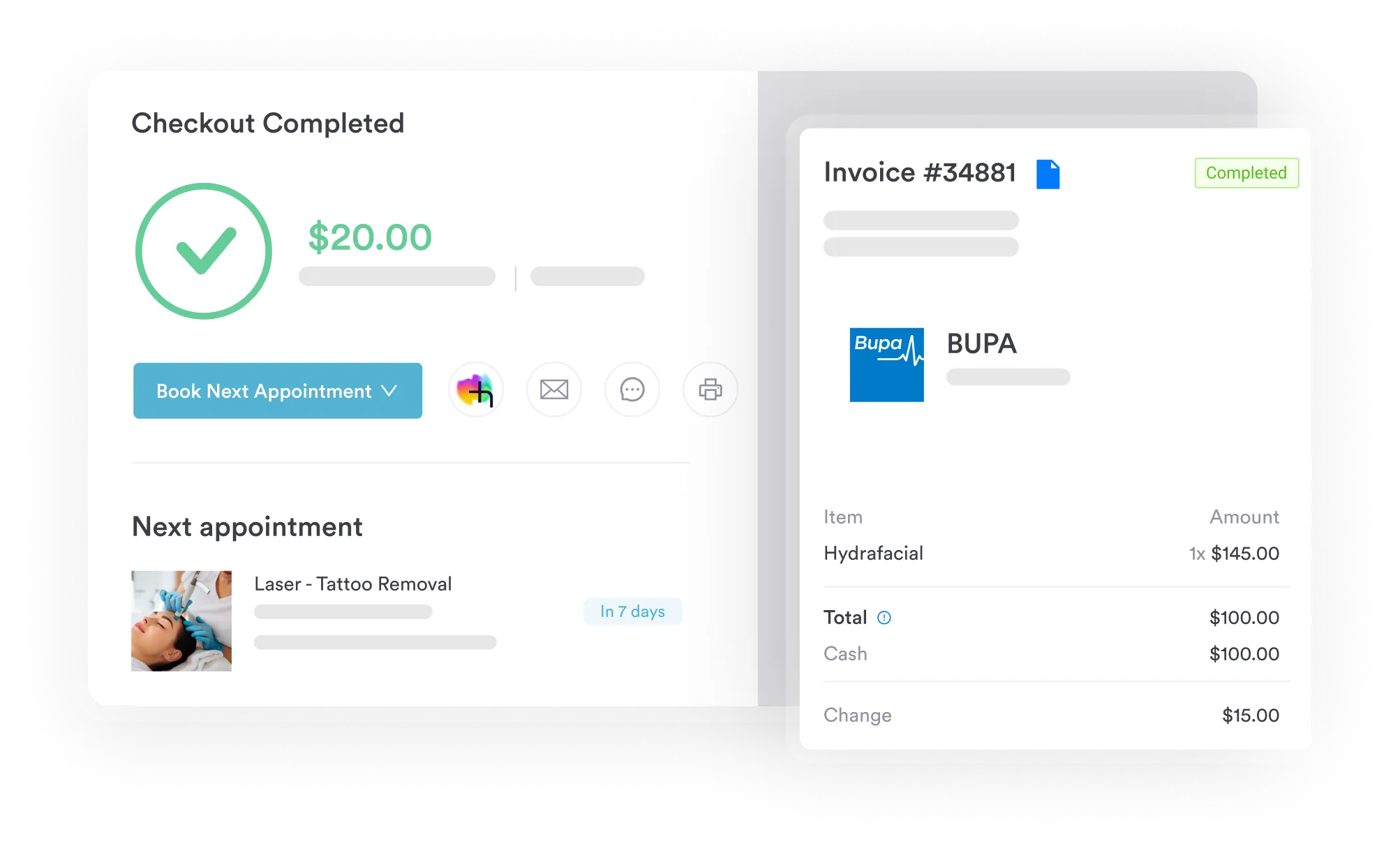

Pabau brings the treatment note, the ICD-10-CM code, and the claim together on one patient record, and validates the insurer fields before submission. Your billing team stops rebuilding the same visit twice.

Scrotal puncture wound claims turn on two lines in the record: what kind of wound it was, and whether anything stayed in it. Confirm both, then let the 7th character follow the stage of care. That is most of the job.
When one of these claims does come back, read the note before you touch the code. The fix is usually a documentation detail rather than a coding one, and the same detail tends to go missing again next month. Tightening the intake and charting template is what stops the repeat.
Book a demo to see how Pabau keeps injury notes, ICD-10-CM codes, and claims together on one patient record.

Billing anesthesia for undescended testis surgery? CPT code 00924 guide Covers the base units and how this code differs from others in the 00920 range.
Coding a late effect rather than an active injury? S59.199S shows how the sequela character works once treatment is finished.
Running into 7th characters beyond A, D, and S? S82.291J covers the healing-status characters that fracture codes add on top.
Billing supplies for wound aftercare? E0160 explains coverage and documentation for a sitz bath at home.
Billing anesthesia for a genitalia procedure? CPT code 00926 guide Covers the base units for radical orchiectomy and open urethral procedures.
Yes. The injury code is first-listed, and the Chapter 20 external cause code follows it. External cause codes are never reported alone or in the first position.
No. The code covers the scrotum and testes together, with no left or right option. The X in the sixth slot is a placeholder, not a laterality character.
Report S31.30XA for an unspecified open wound, or query the provider. The puncture wound type has to come from the documentation, so coders cannot infer it from the mechanism alone.
Many do on injury claims. The CMS-1500 carries a field for the date of current illness or injury. Payers use it to tie the visit to the episode of care.
Yes, when the provider gives one. Report the vaccine product code and the administration code with the visit, and add Z23 for the immunization encounter.