

ICD-10 Code S42.444P: Medial epicondyle fracture, right humerus
ICD-10 Code S42.444P: full descriptor and code validity ICD-10 Code S42.444P car...

Last Updated: Oct 13, 2026
Billable Code Specific Code
S20.109D is the billable ICD-10-CM code for unspecified superficial injuries of breast, unspecified breast, subsequent encounter.
The 7th character D is what marks that follow-up stage, and the descriptor stays unspecified because the record does not name the side.
Let Pabau's smart automation suggest the right codes, reduce claim denials, and keep your practice compliant—effortlessly.
Automate repetitive tasks and focus on what matters most—your patients.
Reduce coding errors and ensure compliance with the latest regulations.
Clean claims, fewer denials, and faster reimbursements.
Powerful insights and reporting to help your practice thrive.
HIPAA compliant SOC 2 certified GDPR-compliant Trusted by 4,000+ clinics worldwide

ICD-10 code S20.109D covers unspecified superficial injuries of the breast at a follow-up visit during healing.
The code is billable, valid for reimbursement, and current for FY 2026.
The 7th character D marks a subsequent encounter, while A marks the initial one and S marks sequela.
Picking the wrong 7th character is one of the most common triggers for a payer audit on injury claims.
Practice management software like Pabau helps teams record the encounter stage and pair diagnosis codes with the right procedure codes.
ICD-10 code S20.109D is a billable, specific ICD-10-CM diagnosis code. According to the CDC/NCHS ICD-10-CM web tool, it is current for FY 2026. The code first took effect on October 1, 2015 and has carried no changes since. It is valid in all HIPAA-covered transactions for reimbursement purposes.
One important distinction: ICD-10-CM is the United States Clinical Modification of the international ICD-10 standard maintained by the World Health Organization. The CM version applies only in the US for outpatient diagnosis reporting and inpatient coding. Coders outside the US should reference the international version via the WHO ICD-10 browser.
The 7th character carries the most coding risk on this code. ICD-10-CM Official Guidelines for Coding and Reporting, Section I.C.19, define three encounter types for injury codes.
Each one has to be supported by the medical record before a coder can apply it. Selecting the wrong 7th character is one of the most common audit triggers for injury claims, according to AAPC coding guidance.
What “subsequent encounter” actually means: S20.109D applies once initial treatment for the breast injury is done. The patient is now attending a follow-up visit for routine healing care. The injury itself doesn’t need to be fully healed. The patient simply must be past the phase of active/initial treatment.
Common mistake: some coders apply 7th character A whenever the injury is still present, assuming ongoing injury equals initial care. That’s incorrect. A is reserved for the visit where initial treatment is delivered.
Any follow-up visit where care is routine and the patient is healing takes the D character. The same rule governs every injury code with a 7th character, including S99.101D.
S20.109D sits within a well-defined code tree. Reading the hierarchy helps coders pick the most specific code available, so the claim matches the clinical record. Unspecified-laterality codes such as codes such as S60.219S raise the same specificity question.
Note that S20.10 and S20.109 are not billable on their own. Only codes with the full 7th character (A, D, or S) are valid for claim submission. If laterality is documented, coders should use S20.101 (right breast) or S20.102 (left breast) rather than the unspecified S20.109 series. The ICD-10-CM guidelines prioritize specificity whenever the clinical record supports it. Electronic claims leave the practice as an 837 file, so a coding error becomes a rejection at the clearinghouse. A code lookup that lives beside the desk gets used; one buried in a shared drive does not.
The three sibling codes under S20.109 differ only in their 7th character. That single digit changes the clinical meaning entirely. According to the CMS ICD-10-CM code files, all three are billable when the appropriate clinical documentation is present.
A patient who injures their breast in a fall may take S20.109A at the emergency visit. A primary care follow-up a week later takes S20.109D. If chronic sensitivity or scar tissue develops from the same injury, S20.109S applies. The encounter type follows what the physician documented at that specific visit.
ICD-10-CM uses precise descriptor language, but clinical records rarely do. Several different phrasings all map to S20.109D. The test is the same each time. The injury is superficial, it affects the breast, and no side is named.
The visit is a follow-up during healing. The note language has to support the code you select, which is one more reason to keep records current.
Note on contusion: breast contusion maps to the S20.0 series rather than S20.109D. If the record specifically describes a contusion, settle that distinction before coding. S20.109D covers unspecified superficial injuries such as abrasions, blisters, and superficial wounds. The contusion family has its own dedicated codes inside the S20 block.
Review the physician’s note before assigning the 7th character. The note should clearly document the stage of care. Language like ‘wound healing well,’ ‘sutures removed,’ or ‘routine post-injury follow-up’ supports subsequent encounter (D). Absent this language, query the provider before coding.
S20.109D belongs to the S20 superficial injury of thorax family. Coders working with breast and thorax injuries should know the adjacent codes in this block, because each one takes the same 7th character logic. That includes sequela codes such as S30.9AXS.
S20.109D is a diagnosis code, so it pairs with CPT procedure codes on the claim. Which CPT code applies depends on what the clinician actually does at the follow-up visit. Payer contracts affect which pairings are accepted, so check coverage before you submit. Solid practice management workflows validate every CPT-to-ICD pairing first.
Every pairing rests on the clinical documentation. Claims management software that checks CPT-ICD pairs before submission cuts billing errors and prevents avoidable denials on follow-up claims. One more check is worth building in. Practices billing wound care alongside a subsequent encounter code should read their payer’s local coverage determinations.
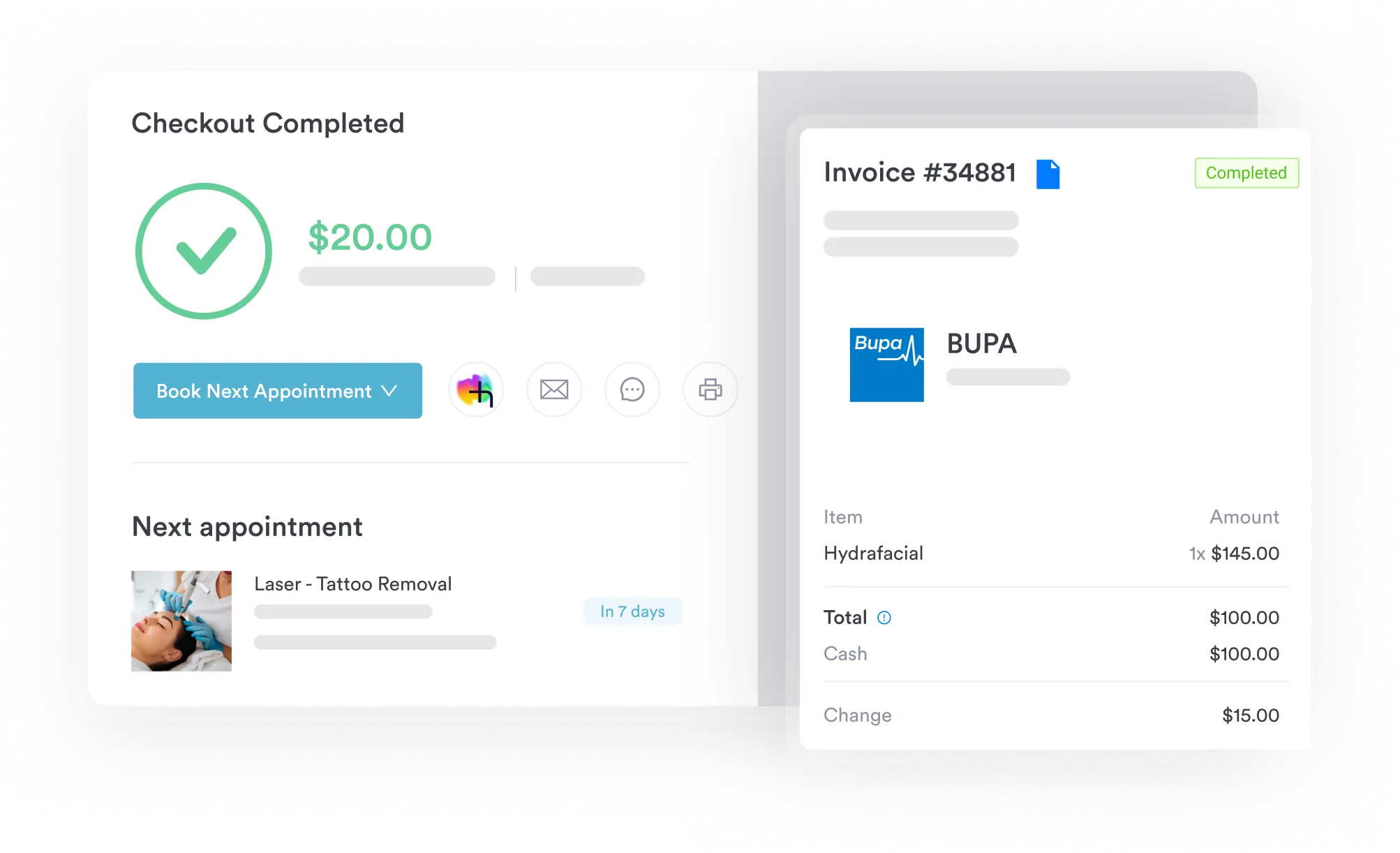
The medical record has to support the code assigned. For S20.109D, the documentation must establish three things first. HIPAA-compliant documentation then keeps the audit trail intact if a payer questions the claim later.
Documentation tip for unspecified codes: ICD-10-CM guidelines never ask a provider to guess at laterality when it is genuinely unknown. But if the note does state a side, the coder has to code it specifically.
Reaching for S20.109D when a laterality-specific code exists is a specificity error, and a compliance audit will query it. A structured medical diagnosis form keeps injury type, encounter stage, and laterality in one place.
External cause codes: guidelines recommend reporting an external cause code alongside S20.109D when the mechanism of injury is known. A fall, a sports injury, and a motor vehicle accident all qualify.
The external cause code is optional, but it adds context that payers and researchers use. Structured digital medical forms capture that detail at intake and carry it through to the claim.
Flag S20.109D claims for internal review if wound care CPT codes are attached. Payers may scrutinize a subsequent encounter diagnosis paired with active wound care codes. The encounter type suggests healing rather than active treatment. Ensure the physician’s note explicitly supports any procedure performed at the follow-up visit.
Picking the right encounter type starts at the point of care, not in the billing queue. A structured, complete note gives the coder everything needed to assign S20.109D with confidence. A thin one sends the claim back for a provider query and delays payment.
Practice management software like Pabau keeps that detail in the note: its clinical record-keeping tools prompt for the encounter context behind every 7th character decision.
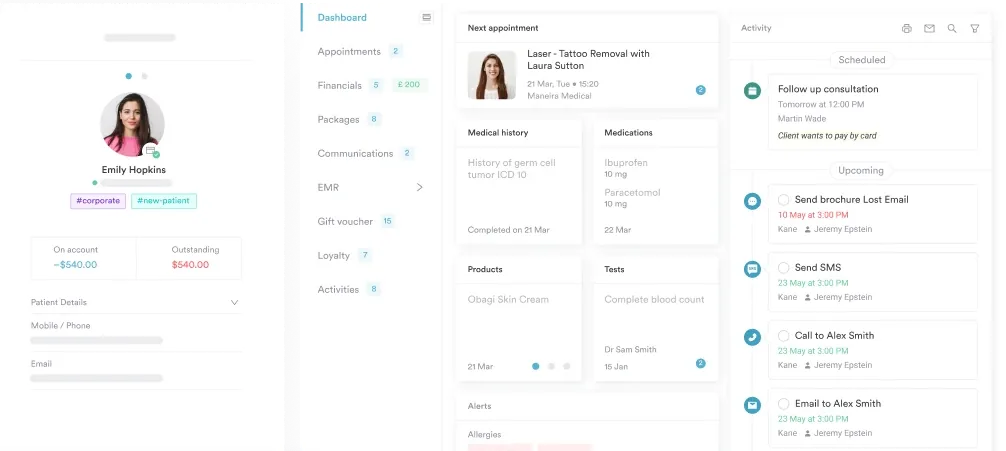
Practices using digital intake forms can build a follow-up visit template that asks for three things every time. Healing status, a summary of prior treatment, and any procedure performed at this visit. That removes most of the back-and-forth between coders and providers.
Practices seeing these wound checks day to day get pre-built note structures that hold the same discipline. That covers skin clinic workflows and dermatology practices alike.
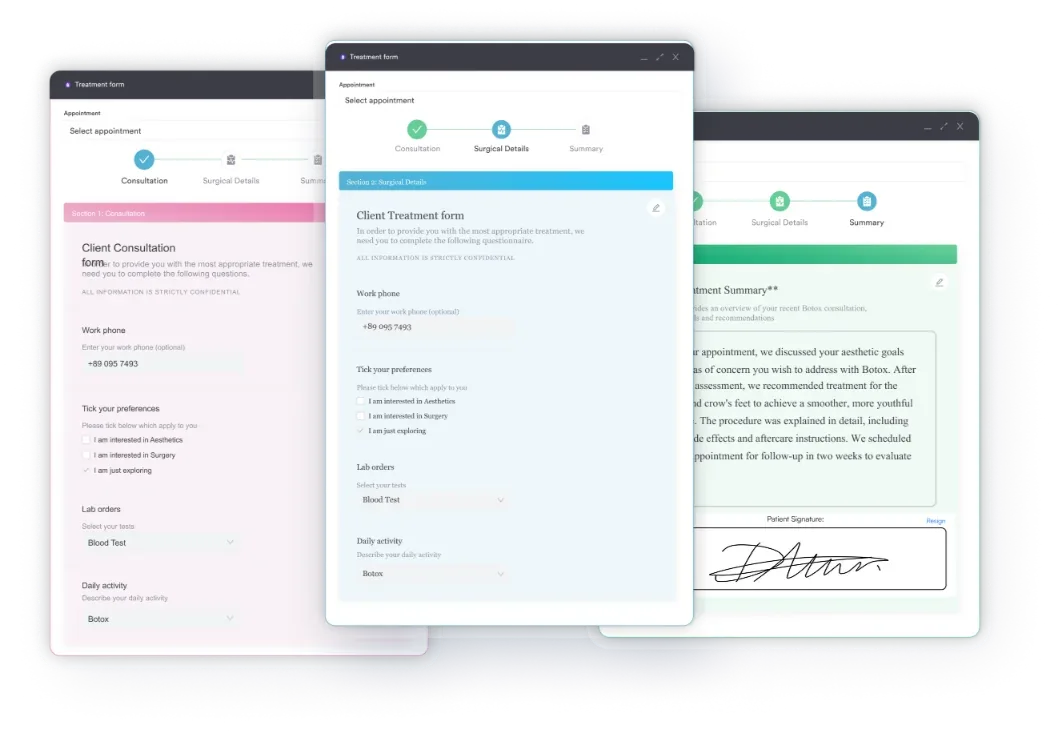
On the billing side, Pabau’s compliance documentation tools show practice managers where each claim stands and flag mismatched coding before submission. That is the layer where a wrong encounter type or a missing procedure pair is cheapest to fix.
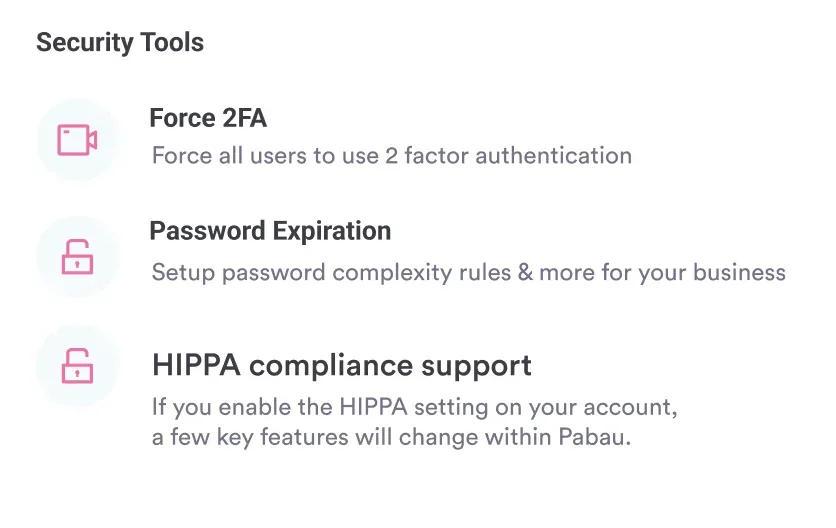

Pabau captures structured encounter notes, applies the correct diagnosis codes, and pairs them with the right procedure codes before a claim goes out. That keeps injury follow-up visits off your denial list.

S20.109D is worth treating as a documentation decision rather than a lookup. The descriptor barely changes across the S20.109 siblings, so the 7th character is doing all the work on the claim. Get the note right and the code follows on its own.
The practical move is to fix the follow-up note template once, rather than query providers claim by claim. Ask for healing status, prior treatment, and laterality every time, and the specificity questions answer themselves. The trade-off is a slightly longer note for a much shorter denial list.
Book a demo to see how Pabau structures follow-up notes and checks code pairings before your injury claims go out.

Coding another injury at the initial visit? S31.33XA shows how the same 7th character rules read at the first encounter.
Need the fracture version of a follow-up code? S82.222E covers the extra 7th characters that fracture care uses for subsequent visits.
Coding a late effect instead of a follow-up? S59.199S walks through when the sequela character replaces the subsequent encounter character.
Checking who should be billed as the provider? Type 1 vs type 2 NPI explains which identifier belongs on the claim and why payers reject the wrong one.
ICD-10 Code S20.109D is the diagnosis code for unspecified superficial injuries of the breast, subsequent encounter. It is used when a patient returns for routine follow-up care during the healing phase. The record does not document which breast was injured. The 7th character D indicates this is a subsequent rather than initial encounter.
Yes. S20.109D is a billable, specific ICD-10-CM diagnosis code valid for reimbursement purposes. It has been in the code set since October 1, 2015 and remains current for FY 2026. Payers can accept this code on claims for subsequent encounter visits involving superficial breast injuries when clinical documentation supports it.
S20.109A (7th character A) applies at the initial encounter, when the patient is receiving active treatment for the breast injury for the first time. S20.109D (7th character D) applies at subsequent encounters, when the patient is in the healing or recovery phase attending routine follow-up care. Using A at a follow-up visit is a common coding error and an audit trigger.
Use the 7th character D when initial treatment for the injury is already done. The patient is returning for routine care during the healing phase. The physician’s note should reflect healing status language such as “wound healing well” or “routine post-injury follow-up.” The injury does not need to be fully healed; the patient simply must be past the initial active treatment phase.
The direct parent code is S20.109 (unspecified superficial injuries of breast, unspecified breast), which is not itself billable. Above that sits S20.10, then S20.1, then category S20 (superficial injury of thorax), within the S20-S29 block (injuries to the thorax). Only codes with a complete 7th character are valid for claim submission.
The most common pairings are evaluation and management codes 99213 or 99214 for follow-up office visits. Wound care codes such as 97597 or 97602 apply when a procedure is performed at the visit. The appropriate CPT code depends on what service the clinician provides, and payer contracts may affect coverage for specific pairings.
Subsequent encounter in ICD-10 coding means the patient has already had active or initial treatment. The patient is now receiving routine care during the healing or recovery phase. It does not mean the patient’s injury is fully healed. The 7th character D signals this phase of care across all injury codes in ICD-10-CM. ICD-10-CM Official Guidelines Section I.C.19 defines it.




