ICD-10 code S61.201A: Open wound of left index finger without nail damage
ICD-10 code S61.201A covers a left index finger wound of unstated type ICD-10 co...

Last Updated: Oct 16, 2026
Billable Code Specific Code
S00.501D is the billable ICD-10-CM code for unspecified superficial injury of lip, subsequent encounter.
The 7th character is the detail coders get wrong most often on this code, and it is the leading reason these superficial injury claims come back denied.
Let Pabau's smart automation suggest the right codes, reduce claim denials, and keep your practice compliant—effortlessly.
Automate repetitive tasks and focus on what matters most—your patients.
Reduce coding errors and ensure compliance with the latest regulations.
Clean claims, fewer denials, and faster reimbursements.
Powerful insights and reporting to help your practice thrive.
HIPAA compliant SOC 2 certified GDPR-compliant Trusted by 4,000+ clinics worldwide

S00.501D is the ICD-10-CM code for unspecified superficial injury of lip, subsequent encounter, valid for the 2026 edition (effective October 1, 2025).
The code is billable and specific. The parent code S00.501 without a 7th character is non-billable and will be rejected by payers.
The 7th character D (subsequent encounter) applies when the patient is receiving routine care during the healing or recovery phase, after active treatment is complete.
Pabau’s claims management software links ICD-10 diagnosis codes directly to treatment records and billing workflows, reducing manual transcription errors and supporting audit-ready documentation.
Every character in S00.501D carries clinical meaning. Knowing what each component represents helps coders apply the code accurately and defend it during audits.
The code sits within the S00-S09 code block, which covers superficial injuries of the head. It is a child of ICD-10-CM’s injury and trauma classification system, positioned under S00.5 (superficial injury of lip and oral cavity) and S00.50 (unspecified superficial injury of lip and oral cavity).
The parent code S00.501 is non-billable on its own and requires a valid 7th character to produce a billable claim.
The 7th character is the most important variable for injury codes in ICD-10-CM. All three options share the same parent code S00.501 but represent fundamentally different clinical situations. Using the wrong one triggers denial.
The ICD-10-CM Official Guidelines define subsequent encounter as the period when the patient is receiving routine care while the condition is healing or recovering. It does not mean the second visit chronologically.
A patient can have multiple subsequent encounter visits as long as active treatment is complete. This distinction is explored further in the common errors section below.
The same encounter-based logic runs across the wider injury chapter. Fracture codes carry extra 7th character options for the healing timeline: ICD-10 Code S42.223G marks a subsequent encounter with delayed healing for a humerus fracture, using the same active-treatment-complete standard that applies to S00.501D.
Subsequent encounter does not simply mean “the patient has been here before.” It signals a specific phase of care. ICD-10 Code S00.501D applies when all of the following are true:
Typical subsequent encounter scenarios for S00.501D include:
These all qualify for the D qualifier when active treatment is complete and healing is underway.
Practices that track patient visit history alongside diagnosis codes in their patient record management system can confirm the clinical phase quickly during coding without reviewing paper charts.
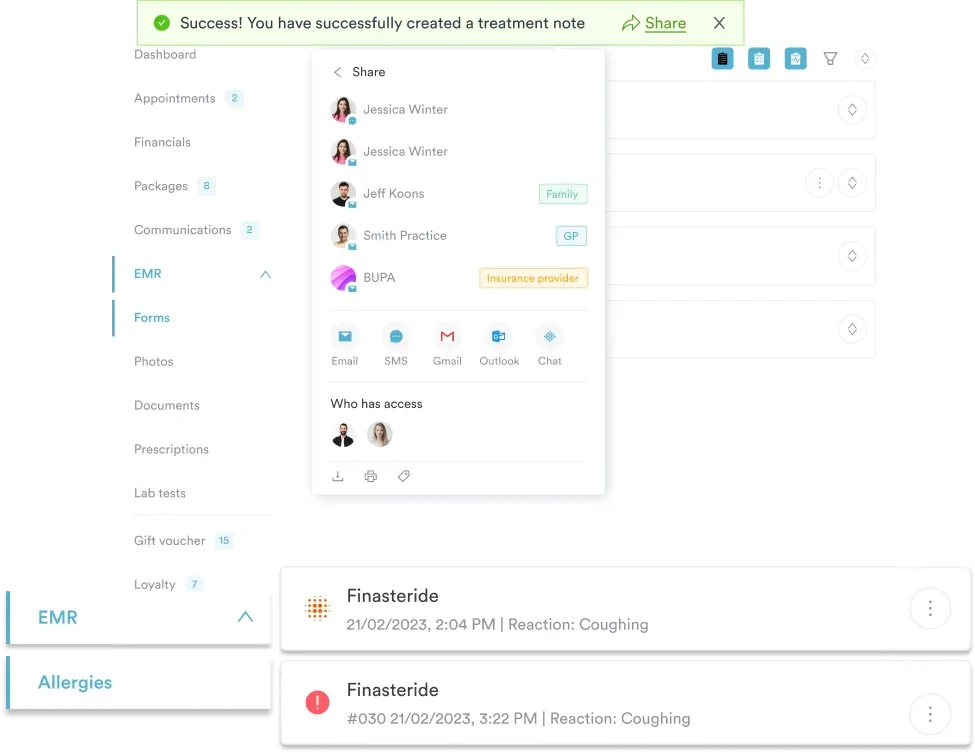
A sports medicine platform keeps the injury, its treatment, and the athlete’s recovery timeline in one record.
The code covers any unspecified superficial injury of the lip where the specific injury type is not documented. The CDC/NCHS ICD-10-CM tool lists several approximate synonyms that map to this code when specificity is lacking.
When the injury type is documented specifically (for example, “lip abrasion”), coders should verify whether a more specific code exists within the S00.5 range before defaulting to the unspecified code. The “unspecified” qualifier is appropriate only when the record does not support greater specificity.
The same check applies at other sites in category S00. A scalp constriction documented during the healing phase belongs under S00.04XD, and the unspecified alternative invites a post-payment audit.
Practices treating lip and facial injuries frequently.
Understanding where S00.501D sits in the code tree helps coders navigate to the correct level of specificity and identify when a more granular code is available.
According to the CMS ICD-10 codes page, the S00.501 parent code without any 7th character extension is explicitly non-billable. Submitting a claim with S00.501 instead of S00.501D will result in rejection. The 7th character is mandatory for all injury codes in this range, per ICD-10-CM official guidelines.
Several sibling and nearby codes are frequently confused with ICD-10 Code S00.501D. Knowing when to use each keeps coding accurate and defensible. The AAPC Codify ICD-10-CM lookup tool is useful for confirming descriptions and related code ranges.
The move from S00.501D to S00.511D or S00.521D is appropriate whenever the documentation supports greater specificity. Coders should not default to the unspecified code when the medical record clearly describes the injury type. A documented nonthermal blister of the left eyelid, for example, is coded S00.222D, with the side built into the code.
The same encounter logic extends to nearby facial injury codes such as S01.81XA, so practices coding across visit types will find the transition straightforward.
Every ICD-10 code stands or falls on the medical record. For S00.501D specifically, the documentation must support three things: the anatomical site, the injury type or category, and the phase of care.
Practices using digital intake forms can structure follow-up visit documentation to capture visit purpose, healing status, and intervention type automatically, reducing the missing details that cause code-level denials. Supporting documentation workflows within a practice management system helps every clinician record the right clinical detail at the point of care. An appeal filed after the timely filing window is denied on timeliness alone, whatever the coding showed. Practices treating medical billing as a back-office task find errors at the front desk instead.
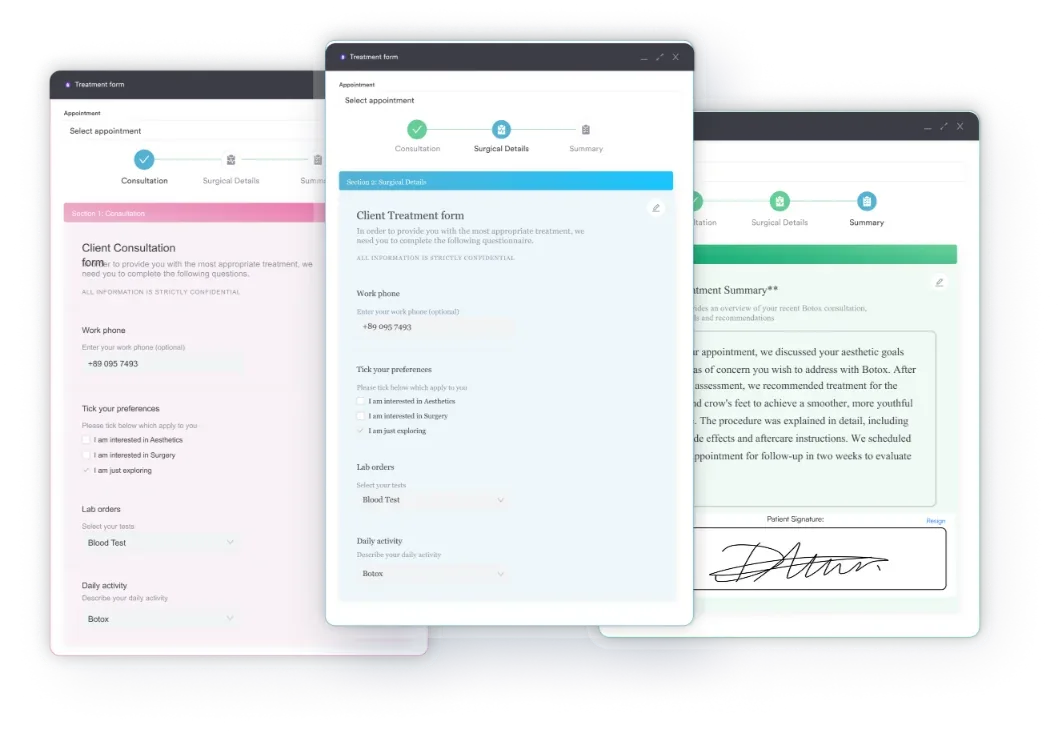

Pabau links diagnosis codes to treatment records and billing workflows in one platform. Coders spend less time cross-referencing separate systems and more time getting claims right the first time.

The S00.501D code range generates a predictable set of coding errors. Most are avoidable with clear documentation protocols and a working understanding of 7th character rules.
When the lip injury needs a repair procedure rather than routine monitoring, pair S00.501D with the matching procedure code.
Practices with established HIPAA-compliant medical documentation processes catch these errors before claim submission. Coding audits or internal reviews that flag repeated use of A qualifiers across follow-up visit types are particularly effective.
For teams using claims management software, automated claim-scrubbing logic can identify missing 7th characters before submission, preventing the rejection entirely.
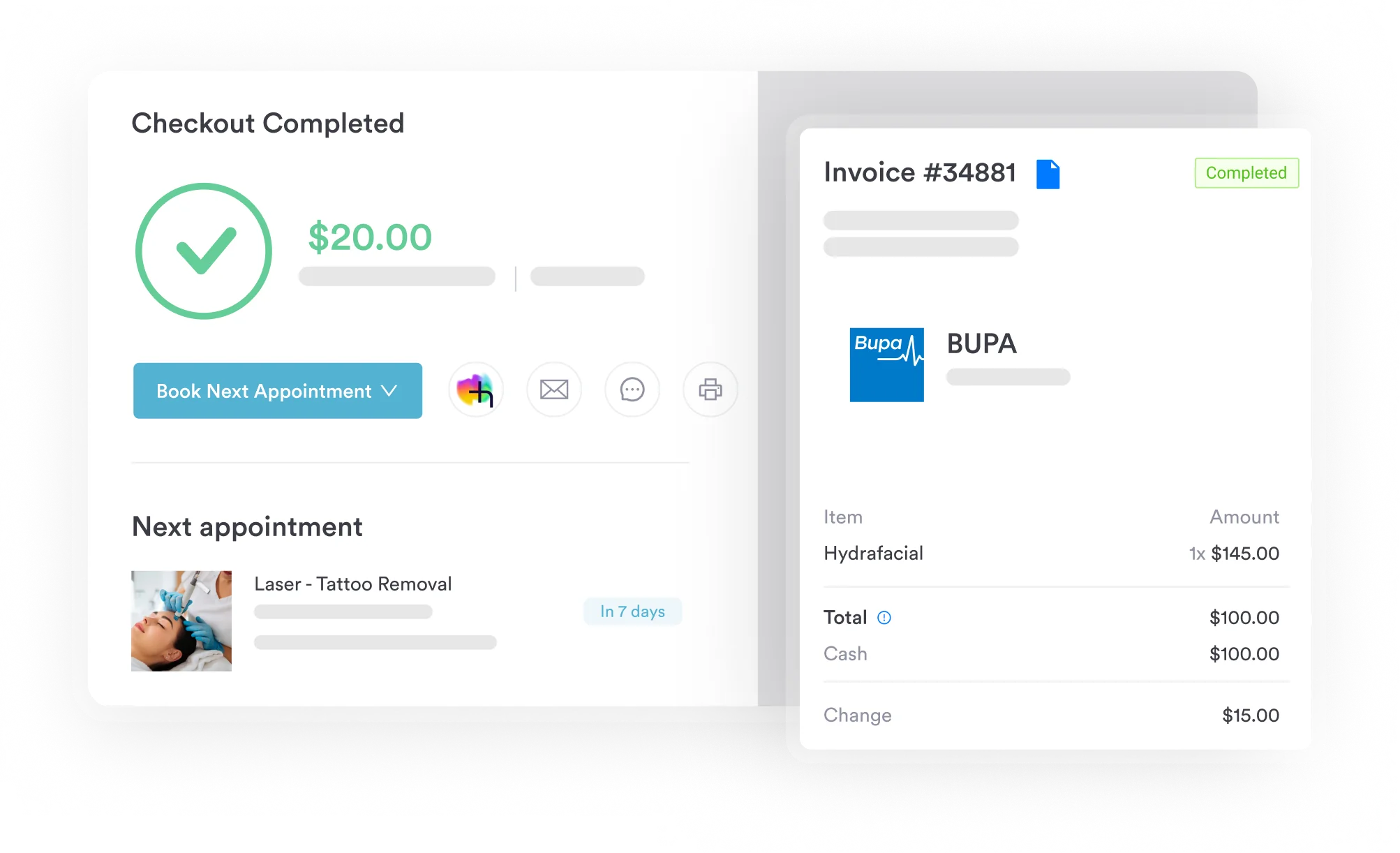
Coding S00.501D accurately comes down to one question: is this visit a healing-phase follow-up or an active-treatment encounter? When the documentation clearly supports healing-phase care, the D qualifier is correct. When it does not, the record needs to be updated before a code is assigned.
Pabau’s compliance management software connects diagnosis codes to the full encounter record, so coders work from complete clinical documentation rather than piecing together separate systems. If your team wants to reduce ICD-10 denial rates and build audit-ready records from the point of care, book a demo to see how it works in practice.

Coding the Outerbridge-Kashiwagi procedure? Outerbridge and Kashiwagi procedure coding This guide covers CCSD code W5560 for the Outerbridge and Kashiwagi procedure, including pre-authorisation pitfalls.
Looking for a broader ICD-10 injury coding reference? S06.365D walks through 7th character logic and subsequent-encounter documentation for a traumatic intracranial injury, another corner of the S-code chapter.
Billing a prosthetic ligament repair? ligament repair coding guide This guide covers CCSD code W7500 for prosthetic open repair of a ligament under UK private billing rules.
S00.501D is the ICD-10-CM code for unspecified superficial injury of the lip at a subsequent encounter, meaning the patient is receiving routine follow-up care during the healing phase after active treatment is complete. The code is billable and specific in the 2026 ICD-10-CM edition, effective October 1, 2025.
Yes, S00.501D is a billable and specific ICD-10-CM code. The parent code S00.501 without a 7th character extension is not billable and will be rejected by payers. Always include the full 7th character when submitting claims for lip injury codes.
S00.501A (initial encounter) applies when the patient is receiving active treatment for the lip injury, typically at the first visit or any visit where active intervention occurs. S00.501D (subsequent encounter) applies when active treatment is complete and the patient is in the healing phase, attending follow-up visits such as wound checks or suture removal.
The 7th character D in ICD-10-CM injury codes indicates a subsequent encounter. According to the ICD-10-CM Official Guidelines for Coding and Reporting, subsequent encounter covers the period when the patient is receiving routine care while the injury is healing or recovering, after the active treatment phase is complete.
Use S00.501D when the injury is still healing and the patient is attending routine follow-up care. Use S00.501S (sequela) only after the injury has fully healed and a late effect has developed, such as residual scarring or numbness. Using S00.501S before the wound has healed is incorrect and may result in claim denial.
The parent code is S00.501 (unspecified superficial injury of lip), which is a non-billable placeholder that requires a 7th character extension to be valid for claim submission. S00.501 sits under S00.50 (unspecified superficial injury of lip and oral cavity), S00.5 (superficial injury of lip and oral cavity), and the broader S00 category for superficial injuries of the head.