ICD-10 Code Y76.0: Diagnostic obstetric and gynecological devices
ICD-10 Code Y76.0: Definition and billable status ICD-10 Code Y76.0 is a valid, ...

Last Updated: Oct 23, 2026
Billable Code Specific Code
S01.00XS is the billable ICD-10-CM code for unspecified open wound of scalp, sequela.
That distinction trips up plenty of coders. The subsequent-encounter code, S01.00XD, also covers a patient returning after the initial visit, so the two get confused constantly. The real test is whether the wound has actually finished healing, not how many times the patient has been seen.
Let Pabau's smart automation suggest the right codes, reduce claim denials, and keep your practice compliant—effortlessly.
Automate repetitive tasks and focus on what matters most—your patients.
Reduce coding errors and ensure compliance with the latest regulations.
Clean claims, fewer denials, and faster reimbursements.
Powerful insights and reporting to help your practice thrive.
HIPAA compliant SOC 2 certified GDPR-compliant Trusted by 4,000+ clinics worldwide

ICD-10 code S01.00XS describes an unspecified open wound of the scalp, sequela. It is the 7-character code used once the original wound has healed and a residual condition remains.
The X in position 6 is a mandatory placeholder, not a clinical modifier. It exists solely to let the 7th character, S for sequela, occupy the correct position.
Sequela (S) differs from subsequent encounter (D).
Use S only after the acute injury phase is fully resolved, and use D while active treatment is still ongoing.
Pabau’s claims management software checks that required insurer submission fields are complete and flags incomplete claims before they reach the payer.
ICD-10 code S01.00XS is a valid, billable ICD-10-CM diagnosis code, effective for the current ICD-10-CM fiscal year (FY2024 through FY2026). Its full official description, as listed in the CMS ICD-10-CM tabular list, is: Unspecified open wound of scalp, sequela.
The code sits within the S00-S09 block, which covers superficial and open injuries to the head. S01.00XS is the terminal, 7-character form. It is the only billable version of this code.
You cannot bill S01.00 or S01.00X alone; the 7th character is required for valid submission. Coders can verify current code status through the CDC/NCHS ICD-10-CM web tool, which mirrors the official tabular list by fiscal year.
Each character in ICD-10 code S01.00XS carries a distinct meaning. Coders who understand the structure can apply the code accurately and spot documentation gaps before a claim is submitted.
The subcategory .00 designates the scalp specifically, distinguishing it from other head wound sites within the S01 block (eyelid, ear, nose, cheek). “Unspecified” means the wound type (laceration, puncture, bite, or other) was not documented with enough specificity to assign a more detailed code.
If the wound type is documented, a more specific code within the S01.00 range applies. For clinical documentation forms that capture wound type at the point of care, structured intake reduces the reliance on unspecified codes at billing.
Per the ICD-10-CM Official Guidelines (Section I.C.19.a), injury codes in the S and T categories require a 7th character that identifies the type of encounter. Three values apply to S01.00X:
The placeholder X in position 6 is not optional. Because S01.00 has only five characters, ICD-10-CM requires the X to occupy position 6 so the 7th character occupies the correct slot.
Omitting the X produces an invalid code that will reject on submission. This rule is governed by Section B.6 of the ICD-10-CM Official Guidelines.
Coders managing high-volume trauma or wound-care practices see this often. Claims management software that checks required fields before submission catches many of these errors early.
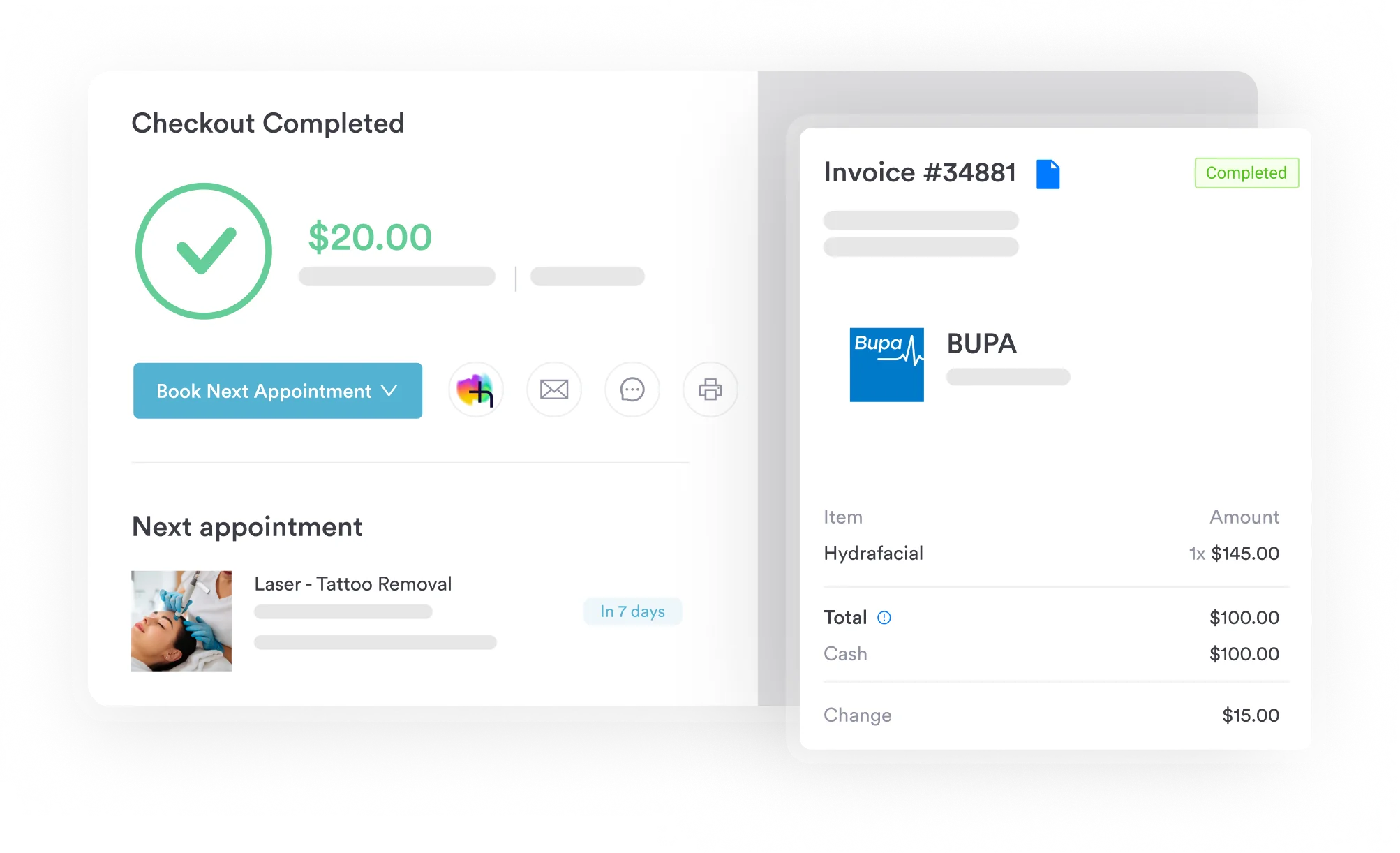
In software built for occupational therapists, each S-code links to the functional goals guiding a patient’s recovery.
The three 7th-character variants of the scalp open wound code apply at different stages of the patient’s care. The distinction between D and S is where most coding errors occur.
The D character (subsequent encounter) does not mean the patient is returning for a second visit. It means active treatment of the original condition is still happening. A wound check on day 10 after suturing is still a subsequent encounter. The injury is still being managed.
The S character (sequela) applies only once the original wound has fully healed. At that point, any residual condition (a hypertrophic scar, alopecia over the wound site, or sensitivity) becomes a new clinical entity.
The sequela code describes that residual condition, but it never stands alone on a claim. Per ICD-10-CM Guidelines Section I.C.19.a, the code for the residual condition itself, such as a scar, is sequenced first.
ICD-10 code S01.00XS follows as the second code, explaining why the sequela occurred. That means it can never serve as the principal, first-listed, or sole diagnosis on a claim, and payers audit this sequencing closely.
For record-retention rules that support sequela coding.
S01.00XS sits within a broader block of scalp and head wound codes. When the wound type or site is documented more specifically, a different code within the S01 range applies. Where a band compressed the scalp but left the skin intact, the injury is superficial rather than open, and a healing-phase visit takes S00.04XD.
The table below covers the most commonly referenced adjacent codes. For related open wound coding elsewhere on the S01 block.
Coders working in skin clinic software or hair clinic software environments will encounter scalp wound codes when managing post-procedural wound care and cosmetic complication follow-up.
Always code to the highest level of specificity the documentation supports. “Unspecified” should not be the default when the wound type is clearly charted.
Before assigning S01.00XS, review the clinical note for confirmation that the original wound is fully healed. The note should explicitly state wound closure is complete or that no active treatment is being rendered. Without this language, a payer audit may reclassify the encounter as a subsequent encounter (S01.00XD) and deny the claim.
Accurate billing for ICD-10 code S01.00XS depends on documentation that clearly supports the sequela designation. Three elements must appear in the clinical record.
The Centers for Medicare and Medicaid Services (CMS) requires that sequela coding reflect the residual condition as the principal focus of the visit.
On the claim itself, sequela coding follows a strict order. The residual condition’s own code comes first, and S01.00XS follows as the second code that explains why the condition exists. S01.00XS is never billed as the sole or principal diagnosis.
Maintaining structured patient record documentation with timestamped clinical notes makes these audit trails straightforward to produce.
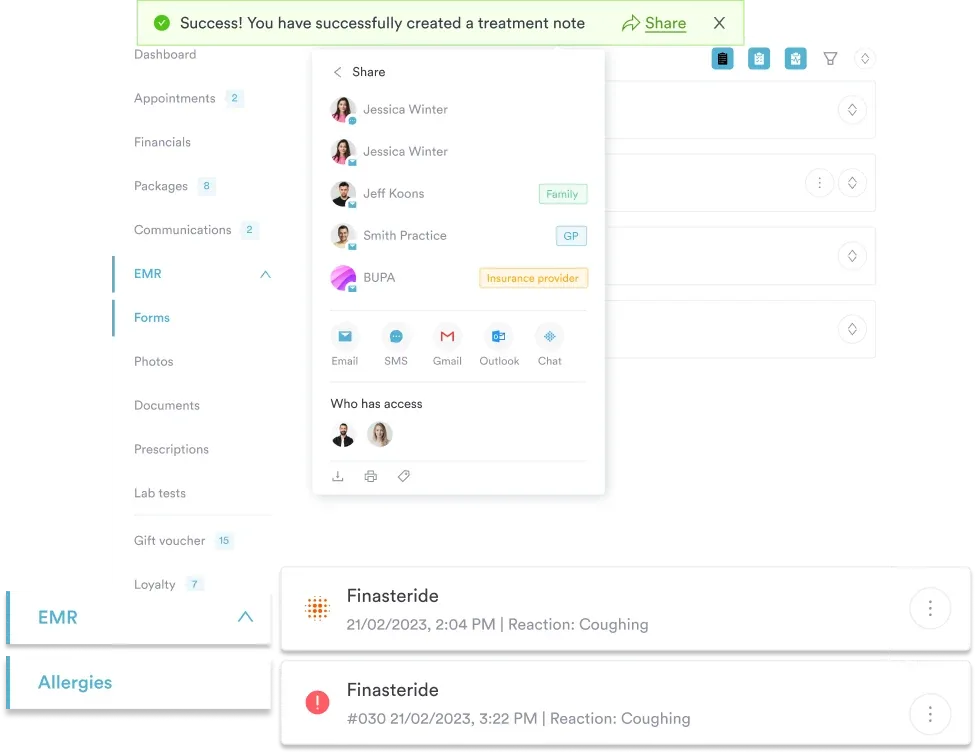
HIPAA’s Transaction and Code Set Standards require that all submitted diagnosis codes come from the current ICD-10-CM version. Submitting a code from a prior fiscal year’s tabular list, even if the code itself has not changed, can trigger edits.
Keeping documentation workflows aligned with HIPAA standards ensures every code submitted reflects the current coding year. The AAPC ICD-10-CM code lookup and the official CDC tool both allow fiscal-year-specific verification.
ICD-10 code S01.00XS is a billable code accepted by Medicare, Medicaid, and commercial payers, subject to each payer’s coverage policies. A few practical notes for billing staff:
Practices managing wound care follow-up at scale benefit from integrated claims management that checks required submission fields are complete before a claim reaches the payer.
The CDC/NCHS ICD-10-CM web tool and the CMS ICD-10-CM guidelines remain the authoritative sources for confirming code validity and cross-referencing sequela policies by fiscal year.
The WHO ICD-10 browser is useful for understanding the international classification hierarchy that underpins the US ICD-10-CM system.
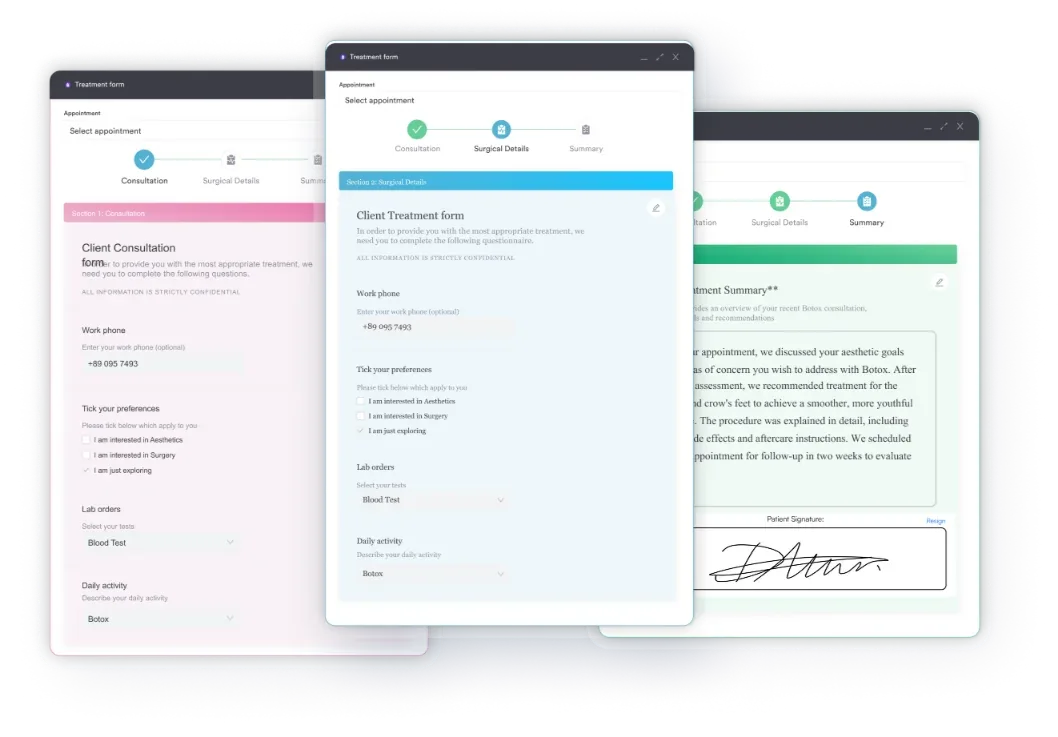
Pabau’s digital intake forms help clinical teams capture wound type, mechanism, and resolution status at each encounter. That is the structured data that separates a clean claim from a documentation audit.
For practices handling HIPAA-regulated records.
Sequela coding errors rarely happen because coders do not know the rules. They happen because the clinical documentation does not provide the information needed to apply the rules correctly. A provider who writes “patient back for scalp follow-up” gives the coder nothing to distinguish a subsequent encounter from a sequela visit. Coding sits in the middle of the revenue cycle, between registration and payment posting. A small billing team benefits more from a documented billing process than from extra hours.
The same encounter-type logic governs other injury codes that use the 7th-character system. Clinical notes need to capture wound resolution status, residual symptoms, and the relationship to a prior injury at every encounter.
Practice management systems that embed structured note templates, with explicit fields for wound status and encounter type, reduce the ambiguity that generates coding errors. Consistent documentation protocols across all encounter types improve coding accuracy site-wide.
Pabau’s automated clinical workflows include configurable note templates that prompt providers for wound status documentation at follow-up visits. That reduces the downstream coding ambiguity that drives sequela-related denials.
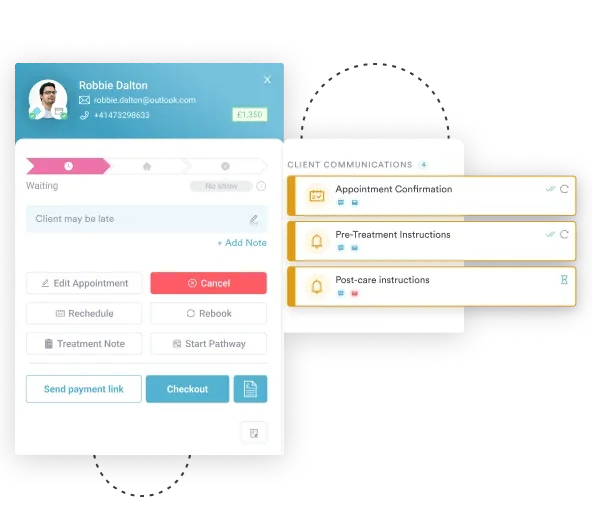

Pabau’s automated clinical workflows prompt providers for wound status at every follow-up visit. That way, the record clearly shows when a wound has healed and a sequela encounter begins. That consistency reduces the ambiguous notes that lead to coding errors and denials.

ICD-10 code S01.00XS applies specifically to the residual phase. The original wound is closed, the acute episode is over, and the patient is being seen for a downstream complication like scarring or persistent sensitivity.
Getting the documentation right at the point of care is what makes clean sequela coding possible. Structured note templates give clinical teams the framework to capture wound resolution status consistently, so the sequela designation holds up under a payer audit.
To see how Pabau supports accurate ICD-10 documentation across wound care and multi-specialty practices, book a demo.

Coding a spinal cord injury with its own sequela stage? S14.119S walks through the same 7th-character logic for cervical spinal cord injuries.
Need the sequela code for a traumatic amputation case? S48.922S covers residual-phase coding for shoulder and upper arm amputations.
Billing a shoulder dislocation follow-up visit? S43.014D breaks down the subsequent-encounter rules for that code.
Working a forearm contusion claim past the initial visit? S50.10XD covers the subsequent-encounter documentation that keeps it billable.
ICD-10 code S01.00XS is the diagnosis code for “Unspecified open wound of scalp, sequela.” It is a billable 7-character ICD-10-CM code used when a patient presents with a residual condition from a previously healed scalp wound.
S01.00XA is used during initial active treatment of the scalp wound. S01.00XD is used during the healing phase, when active treatment continues. S01.00XS is used after the wound has fully healed, when the patient returns for a residual condition.
Use the sequela character (S) when the original injury has fully healed. The encounter must be for a late effect or residual condition that is a direct consequence of that injury.
A subsequent encounter (7th character D) means the original injury is still being actively treated, even in a later visit. A sequela (7th character S) means the original injury has healed and the current visit is for a residual or late-effect condition.
Yes, S01.00XS is a valid billable code accepted by Medicare, Medicaid, and most commercial payers, subject to individual payer coverage policies. Reimbursement is tied to the associated procedure code for the service rendered; the ICD-10 sequela code provides the medical necessity context.
The X in position 6 is a mandatory dummy placeholder required by ICD-10-CM coding rules (Section B.6 of the Official Guidelines). Because S01.00 has only five characters, the X fills position 6 so the sequela designator S can occupy the required 7th position.