ICD-10 Code S42.444P: Medial epicondyle fracture, right humerus
ICD-10 Code S42.444P: full descriptor and code validity ICD-10 Code S42.444P car...

Last Updated: Oct 13, 2026
Billable Code Specific Code
S01.129S is the billable ICD-10-CM code for laceration with foreign body of unspecified eyelid and periocular area, sequela.
Assigning the wrong 7th character on this family of codes is a common reason these claims stall at the clearinghouse.
The 2026 edition of ICD-10-CM S01.129S became effective October 1, 2025. It is a billable, specific code valid for HIPAA-covered transactions. Coders working in ophthalmology, emergency medicine, plastic surgery, and dermatology settings will encounter this code when managing follow-up care for periocular trauma patients.
The same S00-T88 injury block sequencing logic applies to other head-trauma codes.
Let Pabau's smart automation suggest the right codes, reduce claim denials, and keep your practice compliant—effortlessly.
Automate repetitive tasks and focus on what matters most—your patients.
Reduce coding errors and ensure compliance with the latest regulations.
Clean claims, fewer denials, and faster reimbursements.
Powerful insights and reporting to help your practice thrive.
HIPAA compliant SOC 2 certified GDPR-compliant Trusted by 4,000+ clinics worldwide

ICD-10 Code S01.129S describes a laceration with foreign body of the unspecified eyelid and periocular area coded as a sequela (late effect) encounter
The 7th character S confirms the acute injury phase has ended; use A for initial and D for subsequent encounters instead
Unspecified laterality applies only when the medical record genuinely lacks left or right documentation; laterality-specific codes are preferred
Pabau’s claims management software embeds ICD-10 code validation at the point of charting, helping coders catch 7th character errors before submission
The 7th character is the most consequential element of S01.129S, and misapplication is the most common reason these claims face denial. The CMS ICD-10-CM Official Guidelines define three encounter types for injury codes in the S block: A (initial), D (subsequent), and S (sequela).
Sequela designates a late effect of a prior injury. The acute treatment phase is over. The patient now presents with a condition that is a direct consequence of the original eyelid laceration, such as scarring, eyelid notching, impaired closure, or a chronic inflammatory reaction to residual foreign body material.
A practical rule: once the injury is considered healed and the patient returns for a condition caused by that prior injury, switch to the S suffix. Do not continue coding S01.129D indefinitely.
When coding sequela encounters per AAPC ICD-10-CM guidelines, coders should code the sequela condition first, followed by the injury code with the S suffix to establish causation.
The same A/D/S 7th-character logic extends to fracture codes such as S42.223G, where G marks a subsequent encounter with delayed healing rather than a sequela.
Understanding the full parent-to-child hierarchy helps coders navigate to more specific laterality codes when documentation supports it, and confirms why S01.129S is reserved for cases where laterality is genuinely unspecified.
Coders treating patients in plastic surgery EMR workflows will frequently encounter this hierarchy when managing post-operative periocular revision cases arising from prior traumatic injuries.
When laterality is documented, coders should not default to the unspecified code. The sibling codes below carry the same clinical scenario with right or left laterality specified. Choosing the most specific code reduces denial risk and audit exposure.
Practices using dermatology EMR software with embedded ICD-10 code sets will often encounter this family of codes when treating patients for post-traumatic eyelid sequelae following facial injuries.
Coders should also confirm the accompanying procedure code matches the operative report; wound-repair procedures such as CPT 11642 carry the same specificity requirements as the diagnosis code.
Two critical exclusion notes govern the S01.1 subcategory. Misreading these leads to incorrect code selection, particularly when the injury involves the globe of the eye rather than the eyelid tissue alone.
The WHO ICD-10 browser provides the international reference definition for the S01 category, which aligns with the ICD-10-CM tabular structure used in the United States.
Several Jane App competitors handle S-code documentation and progress notes without extra admin for your front desk.
Sequela coding requires more documentation support than initial or subsequent encounters. The medical record must establish a clear causal chain between the original injury and the current presenting condition.
Coders relying on clinical record management systems should verify these four documentation elements are present before assigning S01.129S.
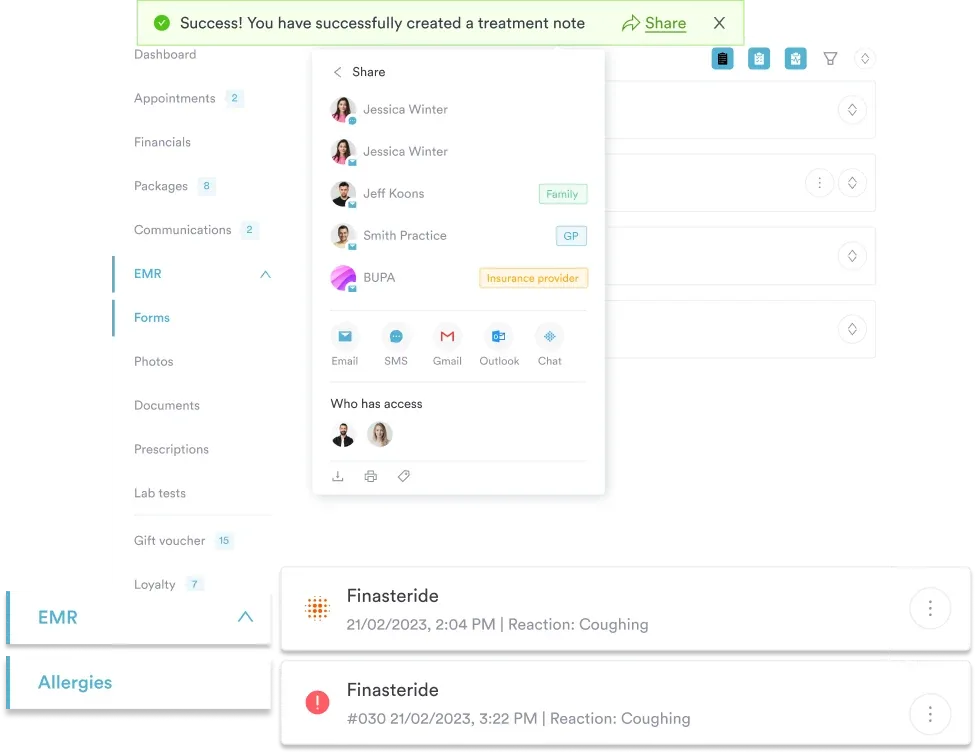
Document the causal relationship explicitly. A note that reads ‘eyelid scarring following prior laceration with retained foreign body’ gives coders everything needed to justify S01.129S. Vague references to ‘old injury’ create audit vulnerability. Build this language into your clinical note templates for periocular follow-up visits.
S01.129S is valid for submission across HIPAA-covered transactions for the 2026 edition. However, several payer-specific billing rules apply to sequela encounters that coders should anticipate before submission. A paper claim is scanned before it is read, so alignment and legibility affect whether it processes.
Practices managing ophthalmology and periocular trauma billing benefit from integrated claims management software that validates 7th character assignment and flags missing laterality documentation at the point of coding, before the claim reaches the clearinghouse. A HIPAA compliance checklist also clarifies how sequela codes should be handled in electronic health records and billing workflows.
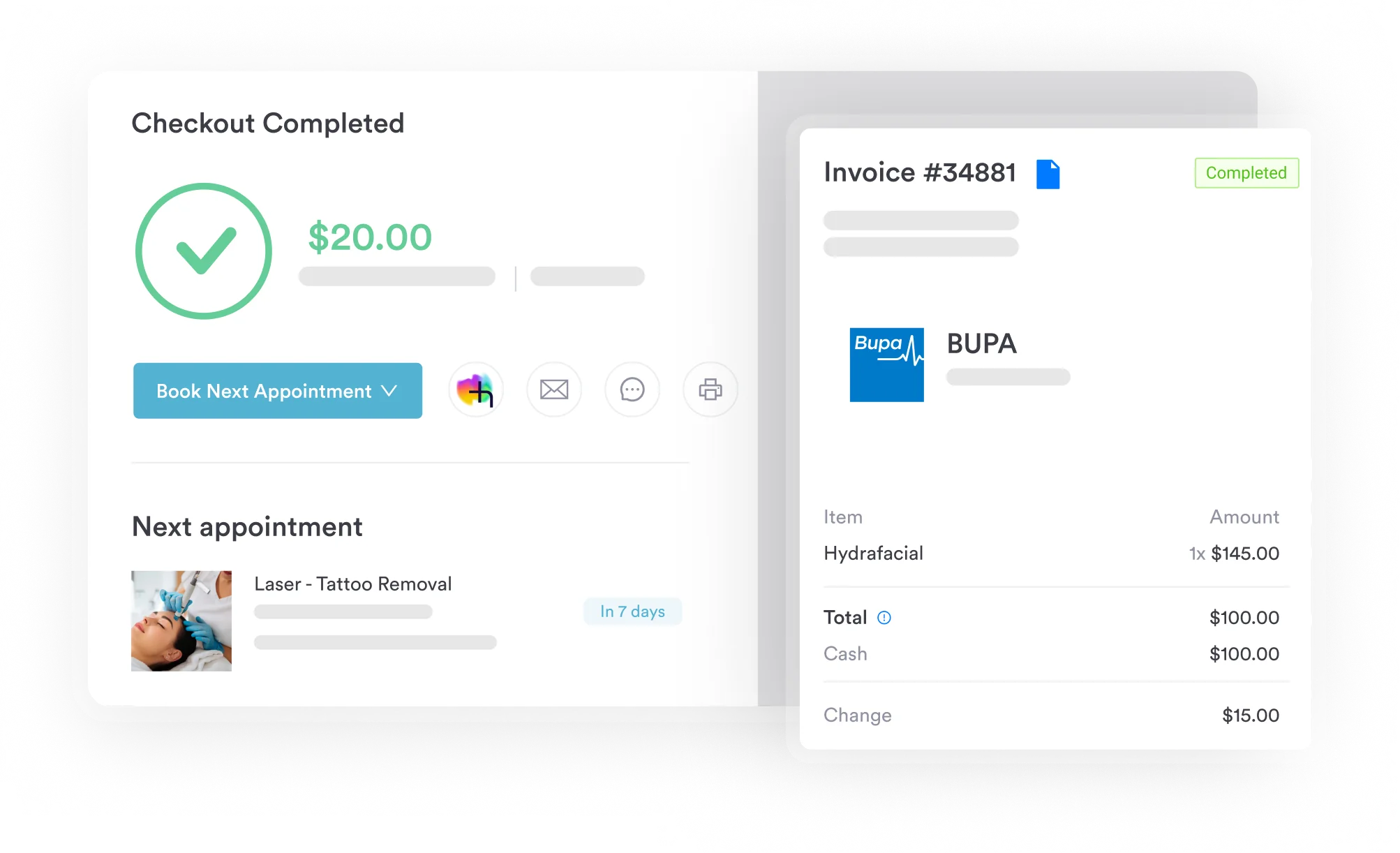

Pabau’s claims management software validates diagnosis codes at the point of charting. Flag 7th character mismatches, missing laterality documentation, and excluded code combinations before submission, not after denial.

Coders searching by clinical description rather than code number may encounter these alternate terms in the alphabetic index. Each maps to S01.129S when laterality is unspecified and the encounter type is sequela.
The ICD List free lookup tool allows coders to search by synonym or clinical phrase and confirm the correct code assignment. Cross-referencing the alphabetic index with the tabular list remains best practice before finalizing any S-suffix sequela code.
Run a quarterly audit on all S01.12x claims submitted with the S suffix. Check that every sequela encounter has a corresponding sequela condition code listed first, and that no claim uses S01.129S when laterality was documented in the clinical note. This kind of audit helps catch recurring 7th-character errors in periocular trauma billing before they turn into denials.
Incorrect 7th character assignment on sequela encounters is one of the most preventable sources of periocular trauma claim denials. ICD-10 Code S01.129S requires a documented causal link to a prior eyelid laceration with foreign body, a confirmed sequela condition listed first, and a genuine absence of laterality in the clinical note.
Pabau validates ICD-10-CM codes against current edition rules at the point of charting, catching 7th character mismatches and missing sequela condition codes before they reach the payer. To see how Pabau handles periocular trauma billing workflows, book a demo and speak with our team.

Coding other connective-tissue diagnoses in your practice? M72.8 billing guide covers documentation requirements for fibroblastic disorders.
Billing a shoulder arthroscopy claim? Subacromial decompression billing guide covers how to distinguish two similar-looking shoulder arthroscopy codes with different clinical requirements.
Billing multiple knee arthroscopy procedures? Multiple knee arthroscopy billing guide explains the bundled code insurers use when a surgeon performs two or more arthroscopic procedures in one session.
ICD-10 Code S01.129S is a billable diagnosis code describing a laceration with foreign body of the unspecified eyelid and periocular area coded as a sequela encounter, meaning the patient is presenting with a late effect of a prior injury after the acute phase has ended. The S suffix designates sequela, distinguishing it from initial (A) or subsequent (D) encounter codes.
S01.129 is the non-billable parent code requiring a 7th character to become valid for submission. S01.129S is the complete, billable code with the S suffix attached, designating a sequela encounter. Submitting S01.129 without a 7th character will result in claim rejection.
Yes, S01.129S is a billable and specific ICD-10-CM code valid for HIPAA-covered electronic transactions in the 2026 edition (effective October 1, 2025). It can be submitted as a diagnosis code for reimbursement purposes when the clinical documentation supports a sequela encounter.
Use subsequent encounter (D suffix, S01.129D) while the wound is still actively healing and the patient is receiving routine follow-up care. Switch to sequela (S suffix, S01.129S) once the wound has healed and the patient presents with a condition caused by that prior injury, such as scarring, eyelid notching, or a granulomatous reaction to residual foreign body material.
The medical record must establish a prior laceration with foreign body of the eyelid or periocular area, confirm the original wound has healed, identify the presenting sequela condition (such as cicatrix or entropion), and clarify that laterality is genuinely undocumented. The sequela condition code should be listed first on the claim, with S01.129S sequenced after it to show causation.
The closest related codes are S01.121S (right eyelid, foreign body, sequela) and S01.122S (left eyelid, foreign body, sequela), which should be used when laterality is documented. S01.129A and S01.129D cover the same wound type for initial and subsequent encounters respectively. Open wounds involving the globe or orbit fall under S05.- and cannot be coded with S01.129S.