ICD-10 Code S42.444P: Medial epicondyle fracture, right humerus
ICD-10 Code S42.444P: full descriptor and code validity ICD-10 Code S42.444P car...

Last Updated: Oct 13, 2026
Billable Code Specific Code
O74.3 is the billable ICD-10-CM code for central nervous system complications of anesthesia during labor and delivery.
Most of the coding difficulty sits with the O74 siblings, which describe the same anesthetic and a different body system. So this reference carries a decision table for the five lookalike codes. It then covers the hierarchy, the approximate synonyms, and the documentation an obstetric anesthesia claim needs.
Everything here reflects the FY2026 ICD-10-CM edition, effective October 1, 2025. It is written for coders and clinicians working in OB-GYN practice management.
Let Pabau's smart automation suggest the right codes, reduce claim denials, and keep your practice compliant—effortlessly.
Automate repetitive tasks and focus on what matters most—your patients.
Reduce coding errors and ensure compliance with the latest regulations.
Clean claims, fewer denials, and faster reimbursements.
Powerful insights and reporting to help your practice thrive.
HIPAA compliant SOC 2 certified GDPR-compliant Trusted by 4,000+ clinics worldwide

ICD-10 code O74.3 is a billable ICD-10-CM code for central nervous system complications of anesthesia during labor and delivery.
It is a terminal code, so no extra digits apply and no trimester character is needed.
Documentation must name the CNS event and confirm it happened during labor and delivery, not after.
Pick between O74.2, O74.4, and O74.5 by the body system and the symptom the note names first.
Practice management software like Pabau flags O74.x claims for documentation review before submission, so fewer come back denied.
O74.3 is a specific, billable ICD-10-CM code valid for claim submission in fiscal year 2026. Use the table below as a quick check before you submit any encounter carrying this diagnosis.
O74.3 means a central nervous system complication caused by anesthesia given during labor and delivery. The code covers adverse neurological events attributed to the anesthetic itself, rather than to an underlying maternal condition.
CNS complications here usually arise from a high spinal block, systemic local anesthetic toxicity reaching the brain, or direct neural injury during regional placement. For perioperative patient care teams, naming the complication type is what makes the code choice obvious.
The complication must be documented as occurring during labor and delivery, not in the postpartum period, to qualify for O74.3. The classification also keeps it separate from cardiac complications (O74.2), toxic reactions (O74.4), and post-dural puncture headache (O74.5).
The AAPC’s ICD-10-CM code reference places O74.3 inside the O74 cluster, which covers every anesthesia-related complication in the delivery setting. The US clinical modification can differ from international ICD-10 versions, which the WHO ICD-10 browser sets out. This article addresses ICD-10-CM only.
Coders meet these terms in delivery notes. Each one maps to O74.3 when the event happened during the intrapartum period, so the plain-language reading matters more than the phrasing.
None of these carry a separate ICD-10-CM code in the O74 family. When the documentation supports any of them and the event occurred during labor and delivery, O74.3 is correct. Use the CDC’s ICD-10-CM tool to confirm code validity for the current year before you submit.
Knowing where O74.3 sits in the classification tree prevents both under-coding with the unspecified O74.9 and over-coding with a sibling that describes a different complication. The same logic governs other codes in the obstetric chapter, such as O03.9. Always use the most specific billable code the documentation supports.
The table below lists every code in the O74 parent, so you can see the full range at once. The section after it turns the five lookalike codes into a decision table.
Choose by the body system the note names as the primary problem. CNS events go to O74.3, cardiac events to O74.2, toxic reactions to O74.4, and post-dural puncture headache to O74.5. An airway problem at induction goes to O74.7 instead.
The table below pairs each lookalike sibling with the clinical feature that separates it from O74.3. The last column is the documentation wording that should send you to that code instead.
When the record documents two systems together, code both and sequence by the complication that took the most resources to treat. The three pairings below are the ones that generate the most rework.
Use O74.3 when the documented event is neurological and O74.2 when it is cardiovascular. Neurological means seizure, altered consciousness, high spinal block, or focal deficit. Cardiovascular means bradycardia, arrhythmia, or arrest attributed to the anesthetic.
A high spinal is where the two blur. It can drop blood pressure and heart rate hard, which reads as a cardiac event. The block itself is the CNS complication, so O74.3 carries it. Add O74.2 when the note treats the cardiac collapse as a problem in its own right.
Use O74.3 when CNS symptoms lead the note, and O74.4 when the record names a toxic reaction with no dominant CNS manifestation. Local anesthetic systemic toxicity, known as LAST, can present with both CNS and cardiac features.
LAST typically announces itself with tinnitus, a metallic taste, or perioral numbness, then progresses to seizure. Once the note records a seizure or progressive CNS depression, O74.3 is the more specific code. Where symptom clusters overlap, code the documented primary manifestation.
Use O74.5 when headache after dural puncture is the only documented complication, and O74.3 for anything beyond headache. Post-dural puncture headache, or PDPH, has a neurological mechanism, but the classification gives it its own code rather than treating it as a CNS complication.
So reserve O74.3 for events such as seizure, altered mental status, or high spinal spread causing respiratory depression. A PDPH that later needs an epidural blood patch stays at O74.5, because the headache is still the complication being treated.
Document the specific CNS manifestation in every delivery note where anesthetic complications occur. “CNS complication” alone supports O74.3 at the code level. Naming the event in the note, such as seizure or high spinal, strengthens audit defense and heads off medical necessity denials.
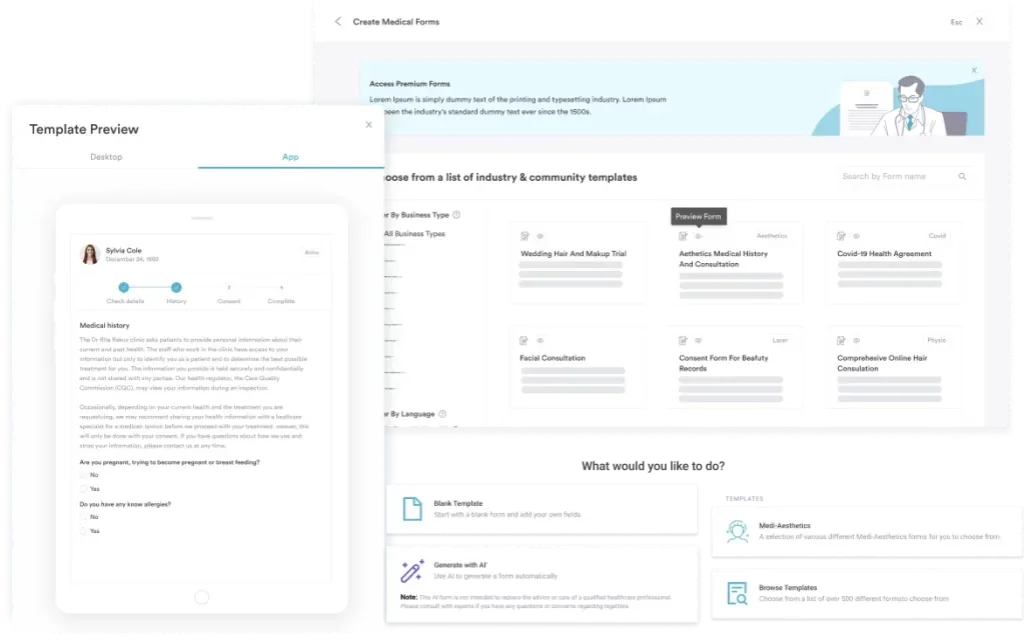
A coder needs three things in the record before assigning O74.3. Those are a causal link to the anesthetic, intrapartum timing, and the type of CNS event. ICD-10-CM Official Guidelines require the responsible provider to document each of them. Practices using digital clinical documentation can build delivery notes that capture all three at the point of care. Practices reconciling payment posting against expected fees find short-paid claims that never appear as denials. Practices that bill a narrow set of services keep a coding guide covering that set rather than the whole schedule.
Review the medical record for timing before assigning any O74 code. If the anesthesia complication occurred after delivery was complete, O89 (puerperal complications of anesthesia) may be the correct category. Intrapartum versus postpartum timing is the most common sequencing error on obstetric anesthesia claims.
Maintaining structured patient records that link anesthesia administration to the documented complication creates an auditable chain of evidence. This matters most for obstetric encounters, where CMS and private payers both run post-payment audits on high-severity deliveries.
The CMS ICD-10 codes page carries the annual update files and the official guidelines for coding and reporting. Those are the authoritative sources for sequencing instructions and documentation standards, so check the current year before you finalize an O74.x claim.
These conventions govern how O74.3 is applied on a claim. Principal diagnosis sequencing, excludes notes, and combination code rules are universal across every ICD-10-CM chapter.
O74.3 is a diagnosis code, so it does not drive anesthesia payment on its own. The anesthesia service is billed separately with a CPT anesthesia code. Those codes carry their own base-unit and time-unit rules, as CPT code 01274 shows.
When O74.3 is the condition chiefly responsible for the encounter after study, it sequences as the principal diagnosis. If the patient was admitted in active labor and the CNS complication developed later, the reason for admission usually sequences first. O74.3 then becomes a secondary diagnosis.
Follow Section I.C.15 of the ICD-10-CM Official Guidelines for obstetric sequencing rules. Sequela codes such as S33.8XXS follow a different convention, so check the chapter guidance before pairing one with an obstetric claim.
O74.3 needs no trimester qualifier. Codes in the O74 category apply to the intrapartum period only, so trimester assignment does not apply. That sets the O74 range apart from the many obstetric codes that need a 7th character for trimester.
O74 carries no Excludes1 note, so no condition is barred from sharing a claim with O74.3. It carries a Type 2 Excludes list instead, which names three neighboring categories.
A Type 2 Excludes note means the condition is not part of O74.3, and one patient can carry both. So an antepartum epidural complication and an intrapartum one can both appear on the same admission.
The category’s own inclusion note is worth reading before you assign anything in O74. It covers maternal complications from a general, regional, or local anesthetic given during labor and delivery. Analgesia and other sedation count too, which catches nitrous oxide and intravenous opioid reactions.
O74.3 has no child codes. It is a specific, terminal, billable code, and no additional digits exist within the subcategory. Do not try to add specificity beyond it. When the documentation supports a CNS complication of obstetric anesthesia, O74.3 is the complete answer.
An O74 coding problem usually surfaces only after the denial arrives. The delivery note sits in one system and the claim in another, so nobody spots the missing causal link until the payer does.
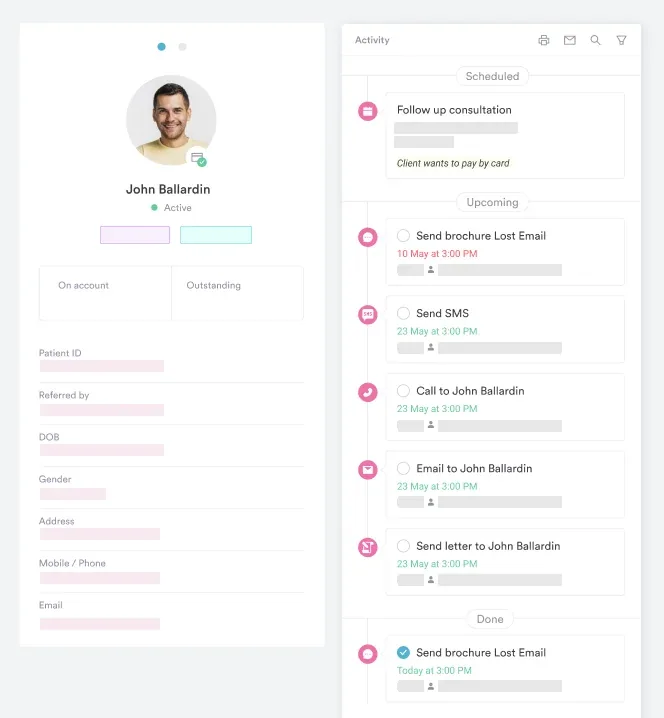
Practice management software like Pabau keeps the clinical note and the claim in one record. You can build the three deciding details straight into your delivery note template. That means the anesthesia type, the time the event occurred, and the named CNS manifestation.
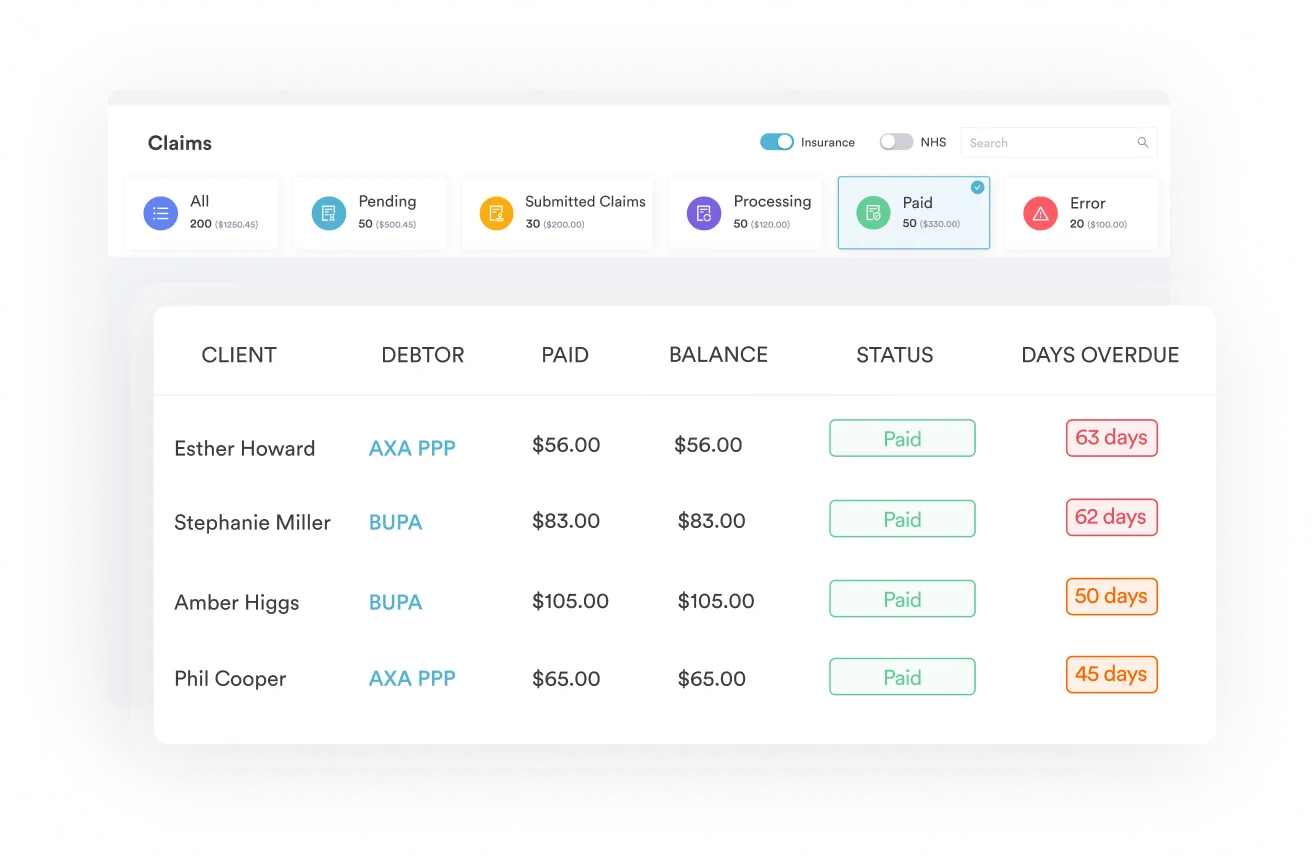
That turns the code choice into a reading exercise rather than a phone call to the anesthesiologist. Pabau’s claims management software then flags O74.x claims for documentation review before submission. A coder can check timing and causal link while the encounter is still open.
The same record structure serves obstetric teams and pelvic health practices that share coders across service lines. Catching a sequencing error before submission costs a minute. Catching it after a denial costs a rework cycle and a month of cash flow.

Pabau’s clinical notes and claims tools capture anesthesia type, timing, and CNS detail at the bedside. O74.x claims then go out complete the first time.

O74.3 is one of the easier obstetric codes to get right, once the note says what happened and when. Confirm the intrapartum timing, tie the event to the anesthetic, then pick the sibling that matches the documented system.
The trade-off worth remembering is specificity. O74.9 will pass a claim scrubber. It tells the payer nothing about a high-acuity event, and it invites the review you wanted to avoid.
Fix the delivery note template once and the coding follows every time. Book a demo to see how Pabau flags O74.x claims for review before they reach the payer.

Is the documented event cardiac rather than neurological? ICD-10 code O74.2 sets out the documentation and sequencing rules for cardiac complications of obstetric anesthesia.
Complication that fits no named O74 sibling? ICD-10 code O74.8 covers when to reach for the other-complications code and what the note must say.
Coding another obstetric diagnosis? O92.4 walks through the documentation and coding rules for low milk production after delivery.
Billing a neuraxial adjunct drug? J0735 covers units, documentation, and payer rules for clonidine hydrochloride injection.
Coding a hemorrhoid diagnosis by location? hemorrhoids ICD-10 code range covers the K64 codes that classify hemorrhoids by location, prolapse degree, and complications.
ICD-10 code O74.3 is a billable ICD-10-CM diagnosis code for central nervous system complications of anesthesia during labor and delivery. It covers neurological events such as high spinal block, CNS toxicity from local anesthetic, or seizure. The event must be attributable to anesthesia given during the intrapartum period. The code sits in the O74 parent category and is valid for fiscal year 2026 submissions.
Yes. O74.3 is a specific, billable ICD-10-CM code valid for claim submission. It is a terminal code with no child subcategories, meaning no additional digits are required or permitted.
O74.3 covers central nervous system complications, while O74.4 covers toxic reactions to local anesthesia. When local anesthetic systemic toxicity presents primarily with CNS manifestations such as seizure or altered consciousness, use O74.3. When the documentation describes a toxic reaction without a dominant CNS presentation, O74.4 applies.
The O74 family covers aspiration pneumonitis (O74.0), other pulmonary complications (O74.1), cardiac complications (O74.2), and CNS complications (O74.3). It also covers toxic reactions (O74.4), post-dural puncture headache (O74.5), and other spinal or epidural complications (O74.6). Failed or difficult intubation is O74.7, other complications O74.8, and unspecified complications O74.9. Each code maps to a distinct documented complication type.
O74.3 has been a billable ICD-10-CM code since ICD-10-CM took effect on October 1, 2015. It carries forward unchanged in the FY2026 edition, which took effect October 1, 2025. Use it for encounters with a service or discharge date in the current fiscal year.
The record must show that the anesthesia caused the CNS complication and that the event happened during the intrapartum period. It must also rule out a better-fitting O74 sibling code. Naming the CNS event in the delivery note, such as seizure or high spinal block, strengthens audit defense.
No. O74 codes describe the intrapartum period only, so no 7th character for trimester applies to O74.3. Many other obstetric codes do need one, which is why the omission looks like an error on review. Adding a trimester character to O74.3 makes the code invalid.