ICD-10 Code S42.444P: Medial epicondyle fracture, right humerus
ICD-10 Code S42.444P: full descriptor and code validity ICD-10 Code S42.444P car...

Last Updated: Oct 13, 2026
Billable Code Specific Code
O92.4 is the billable ICD-10-CM code for hypogalactia.
The code took effect on October 1, 2025 and is valid for the FY2026 edition.
Let Pabau's smart automation suggest the right codes, reduce claim denials, and keep your practice compliant—effortlessly.
Automate repetitive tasks and focus on what matters most—your patients.
Reduce coding errors and ensure compliance with the latest regulations.
Clean claims, fewer denials, and faster reimbursements.
Powerful insights and reporting to help your practice thrive.
HIPAA compliant SOC 2 certified GDPR-compliant Trusted by 4,000+ clinics worldwide

ICD-10 Code O92.4 is the billable ICD-10-CM code for hypogalactia, meaning low breast milk production after childbirth.
The code is valid for FY2026, took effect on October 1, 2025, and sits under parent code O92.
Agalactia is coded to O92.3 and means no milk at all, so O92.4 applies only when some milk is produced.
Documentation should confirm postpartum status, name the supply problem, and show pump output or infant weight data.
Practice management software like Pabau attaches the diagnosis code to the encounter, so claims carry the documentation behind them.
ICD-10 Code O92.4 describes hypogalactia, the medical term for insufficient breast milk production after childbirth. According to the CDC/NCHS ICD-10-CM web tool, the code is billable and specific. That means it can stand alone on a claim without a more granular sub-code.
The code sits in chapter O00-O9A, which covers pregnancy, childbirth, and the puerperium. Coders in postpartum practices, lactation support programs, and OB/GYN practices meet it whenever a provider documents a maternal breastfeeding difficulty.
Hypogalactia is partial or reduced breast milk production in a lactating mother after childbirth. It is distinct from agalactia, coded to O92.3, which describes the complete absence of milk secretion. A mother with hypogalactia produces some milk, just not enough to feed her infant fully.
Clinically, it may follow delayed milk letdown, hormonal factors, insufficient breast stimulation, maternal stress, or certain medications. The WHO ICD-10 browser classifies the mechanism as a disorder of lactation rather than a breastfeeding technique problem. That matters, because technique problems point coders toward counseling and education codes instead. Reworking denied claims one at a time keeps cash moving but never lowers the denial rate. Front-desk data entry and back-office coding both feed cash collection, so errors compound downstream.
Management usually starts conservatively, with more frequent feeding or pumping, latch correction, and treatment of any underlying cause. For coding, what matters is that the note records the supply level. A test weight, a 24-hour pump volume, or the infant’s weight trajectory each show that production is partial rather than absent.
Several clinical and lay terms map to ICD-10 Code O92.4 in AAPC’s ICD-10-CM reference. Coders may meet any of these in provider documentation:
When provider notes use any of these terms for a postpartum patient, O92.4 is the right code, provided the documentation supports it. Structured client records that hold free-text notes beside coded diagnosis fields let coders check the provider’s wording against the code without guesswork.
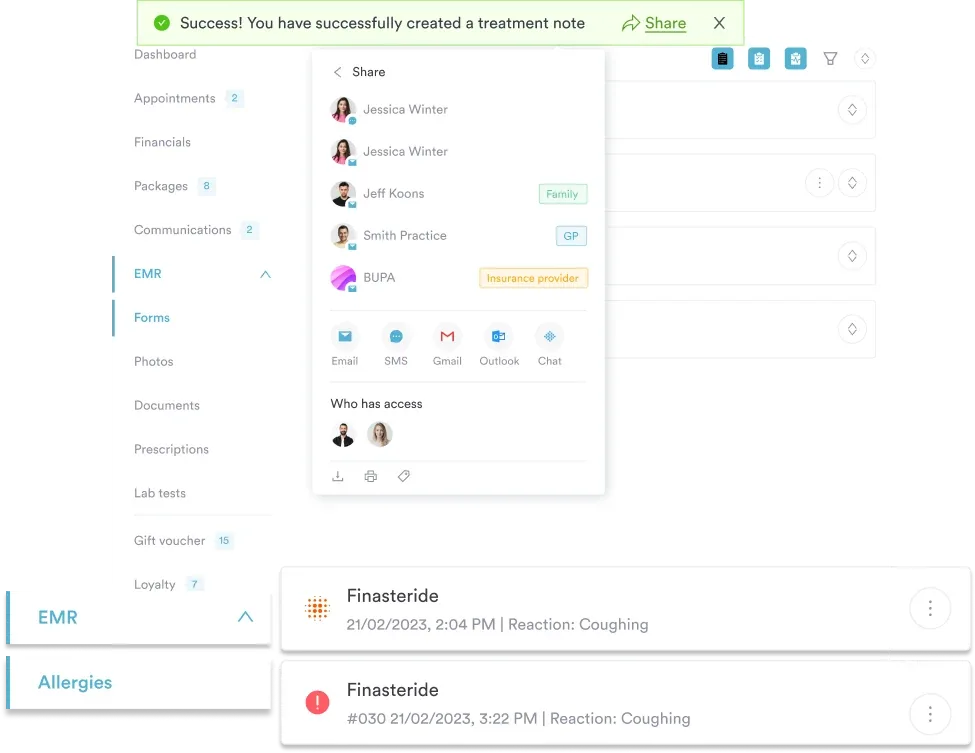
The parent code O92 covers other disorders of breast and lactation associated with childbirth. The category holds retracted nipples, cracked nipples, galactorrhea, suppressed lactation, agalactia, and hypogalactia. CMS ICD-10-CM guidance is clear that coders should select the most specific code the documentation supports.
The table below shows the complete O92 category, in the order the ICD-10-CM tabular list runs it. It starts at the parent code and covers O92.4 with every sibling. Four of the nine are billable on their own. The rest are header codes that need a fourth or fifth character before a payer will accept them.
The last three columns are the ones you cannot get from a single code lookup. They carry the legacy ICD-9-CM crosswalk from the CMS General Equivalence Mappings. They also give the billable status and the FY2026 effective date for every code.
Two rows of that table change how you work. O92.4 maps to one legacy ICD-9-CM code, 676.84, and O92.79 maps to the same one. Any trend report spanning the 2015 transition therefore cannot separate hypogalactia from other lactation disorders.
Nothing in the category has changed since FY2016 either. Every O92 code carries the same October 1, 2025 effective date for the FY2026 edition. So when an O92 claim is denied, check specificity and documentation before you question the edition year.
O92.4 falls in the obstetric chapter, which carries its own sequencing and applicability rules. The ICD-10-CM Official Guidelines for Coding and Reporting, issued by the NCHS, govern how chapter O00-O9A codes are applied. The points below matter most for this code.
Flag encounters where the provider documents ‘low milk supply’ without specifying whether production is partial or absent. O92.4 applies to partial reduction; O92.3 applies to complete absence. Request clarification before coding to avoid a denial based on specificity.
A billable code is only as strong as the documentation behind it. Digital intake and clinical forms that capture lactation history, feeding frequency, and pump output give coders a clear anchor. A standard medical diagnosis form keeps that wording consistent from one provider to the next.
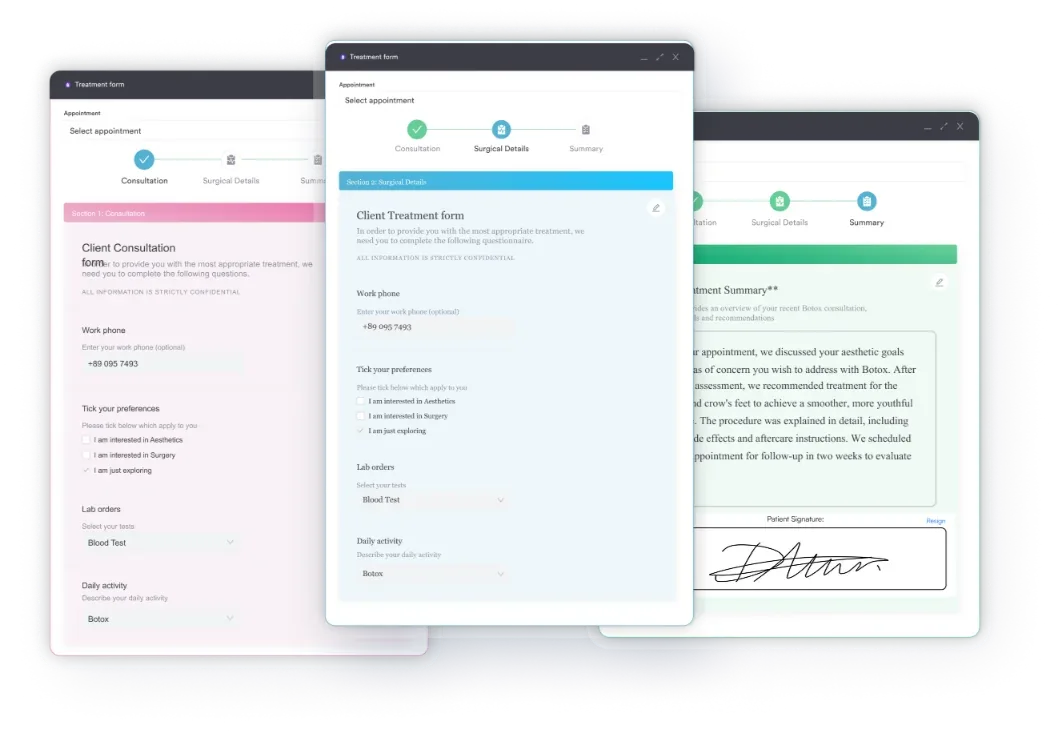
The following elements should appear in the clinical record when O92.4 is assigned:
Practices using integrated claims management software can attach diagnosis codes to the encounter at the point of care. That shortens the distance between the clinical note and the claim.
Postpartum care is rarely a single-provider job. A shared SBAR report keeps the supply problem visible at handoff, as the patient moves between the lactation consultant, the midwife, and the OB/GYN.
The O92 category holds several codes that describe different lactation and breast disorders. Choosing between them is the most common source of coding error in postpartum encounters. The comparison below covers the codes most often confused with O92.4.
A common error is assigning O92.3 because a mother has not yet established breastfeeding, when the provider has documented partial supply. Always go back to the exact language in the clinical note. Where the note is ambiguous, query the provider rather than defaulting to O92.70.
One word in the note can move the code. O92.3 carries an Excludes1 note that sends elective, secondary, and therapeutic agalactia to O92.5. A mother whose lactation was deliberately stopped is coded O92.5, however the provider words the absence of milk.
Practices running complex reproductive health billing meet the O92 category alongside fertility claims coded with IVF CPT codes. Applying the lactation code at an encounter date inside the puerperium window keeps the claim clear of a chapter mismatch.
Check whether the provider note documents pump output volumes or infant weight gain trajectory. These data points confirm that some milk production is occurring, solidifying the O92.4 assignment over O92.3 and demonstrating medical necessity for lactation support services.
O92.4 is the ICD-10-CM diagnosis code, so reimbursement depends on the procedure code paired with it. Lactation support visits are usually billed under evaluation and management codes, or under lactation-specific counseling codes. Group education classes carry their own HCPCS code, S9443.
Coverage for lactation support varies by payer and plan. The Affordable Care Act requires most non-grandfathered plans to cover breastfeeding support without cost sharing. O92.4 can therefore help justify medical necessity for a reimbursable lactation service. Verify the CPT pairing against current CMS guidance and the payer’s own policy before submission.
Practices that also bill counseling and education services should check how lactation counseling is classified. It may sit under health behavior intervention codes rather than standard E&M coding, and that choice changes the supporting diagnoses on the claim.
In many postpartum practices the lactation note lives in one system and the claim is built in another. The coder reads the note days later, finds no wording that separates partial supply from absent supply, and sends a query. The visit sits unbilled until the answer comes back.
Practice management software like Pabau keeps the note and the claim in one record. Providers record lactation history, feeding frequency, and pump output on custom forms. The diagnosis code is attached to the encounter as it is charted, so nothing is re-keyed later.
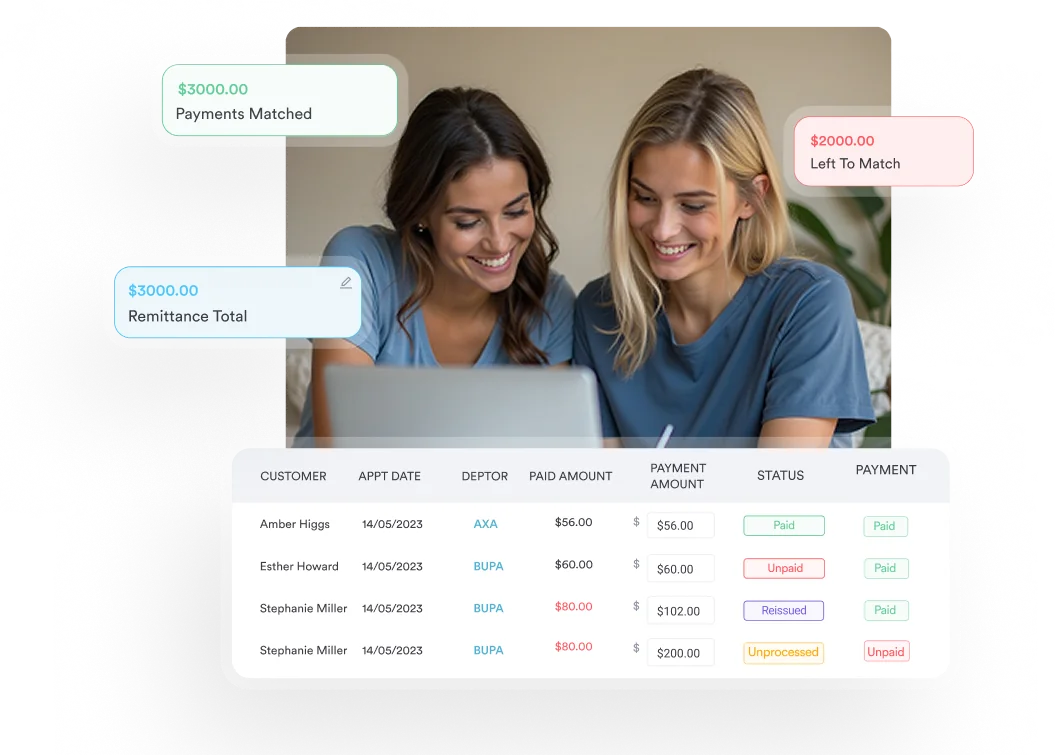
Pelvic health practices and OB/GYN teams both work from that same chart. The result is fewer coder queries, fewer specificity denials, and a shorter path from the postpartum visit to a paid claim. Denial patterns by code show up in reporting, so a recurring O92 problem surfaces early.

Pabau helps OB/GYN and postpartum teams attach accurate ICD-10 diagnosis codes at the point of care. Fewer coding queries mean faster reimbursement.

One judgment decides this code. If the mother produces some milk, O92.4 is correct. If she produces none, the code is O92.3, and everything else in this article exists to keep that distinction visible in the chart.
Fix the documentation habit and the coding follows. Ask providers to record the supply level and one objective measure at every postpartum lactation visit. That single line settles the question before a coder has to ask it.
Pabau holds that record and the claim in the same place, so postpartum visits go out coded the way they were documented. Book a demo to see how it handles obstetric and postpartum billing.

Coding a postpartum mood diagnosis at the same visit? F53.0 covers the documentation and specificity payers expect for postpartum depression.
Billing a group lactation education class? S9443 explains how the class is reported and where payer coverage tends to stop.
Coding an injury sustained during the delivery itself? O71.9 walks through obstetric trauma coding and the notes that support it.
Billing the delivery episode rather than a single visit? 59400 sets out what the global obstetric package includes and what stays separate.
Billing a pituitary hormone test? CCSD code 0019B for the ASU test covers the billing code for the alpha subunit test, ordered to investigate suspected pituitary adenomas.
ICD-10 Code O92.4 is the billable ICD-10-CM diagnosis code for hypogalactia, meaning low or insufficient breast milk production in a postpartum mother. It is valid for FY2026, effective October 1, 2025. The code sits under parent code O92 in chapter O00-O9A.
Yes. O92.4 is billable and specific, so it can be submitted on a claim as a standalone diagnosis. It has no child codes, which makes it the most specific code in its branch.
Hypogalactia, coded to O92.4, means the mother produces some milk but not enough for her infant. Agalactia, coded to O92.3, means there is no milk secretion at all. The distinction decides which code applies and how payers assess medical necessity for lactation support.
O92 codes apply only to conditions arising during the puerperium or lactation period after childbirth. O92.4 may be the principal diagnosis when the encounter is primarily for lactation support. It becomes a secondary code when the supply problem is incidental to another postpartum condition. No trimester subcategory applies.
The record must confirm postpartum status and explicitly document low or insufficient milk production. A general note about breastfeeding difficulty is not enough. Include an objective indicator such as pump output or infant weight gain. The note should also separate partial supply from the complete absence of milk.
O92.4 can serve as the supporting diagnosis for a lactation support encounter. Reimbursement still depends on the payer, the plan, and the provider type submitting the claim. Most non-grandfathered ACA plans cover breastfeeding support, so verify the CPT pairing with the payer before submission.
Low milk supply after childbirth is coded to ICD-10-CM O92.4, hypogalactia. Use it when the mother produces some milk, but not enough for her infant. If she produces none at all, the code is O92.3 instead.
Hypogalactia describes reduced breast milk production in a mother who is lactating after childbirth. Clinicians and patients more often call it low milk supply. It means partial production, so a complete absence of milk is agalactia and codes to O92.3.