Crisis safety plan template
A crisis safety plan is a short, personalized written plan that a patient and cl...

3
Last Updated: Oct 19, 2026

A values worksheet helps a client name what matters most to them, and those values then become the anchor for therapeutic goals.
Values work sits at the center of Acceptance and Commitment Therapy (ACT), and it also appears in positive psychology and coaching.
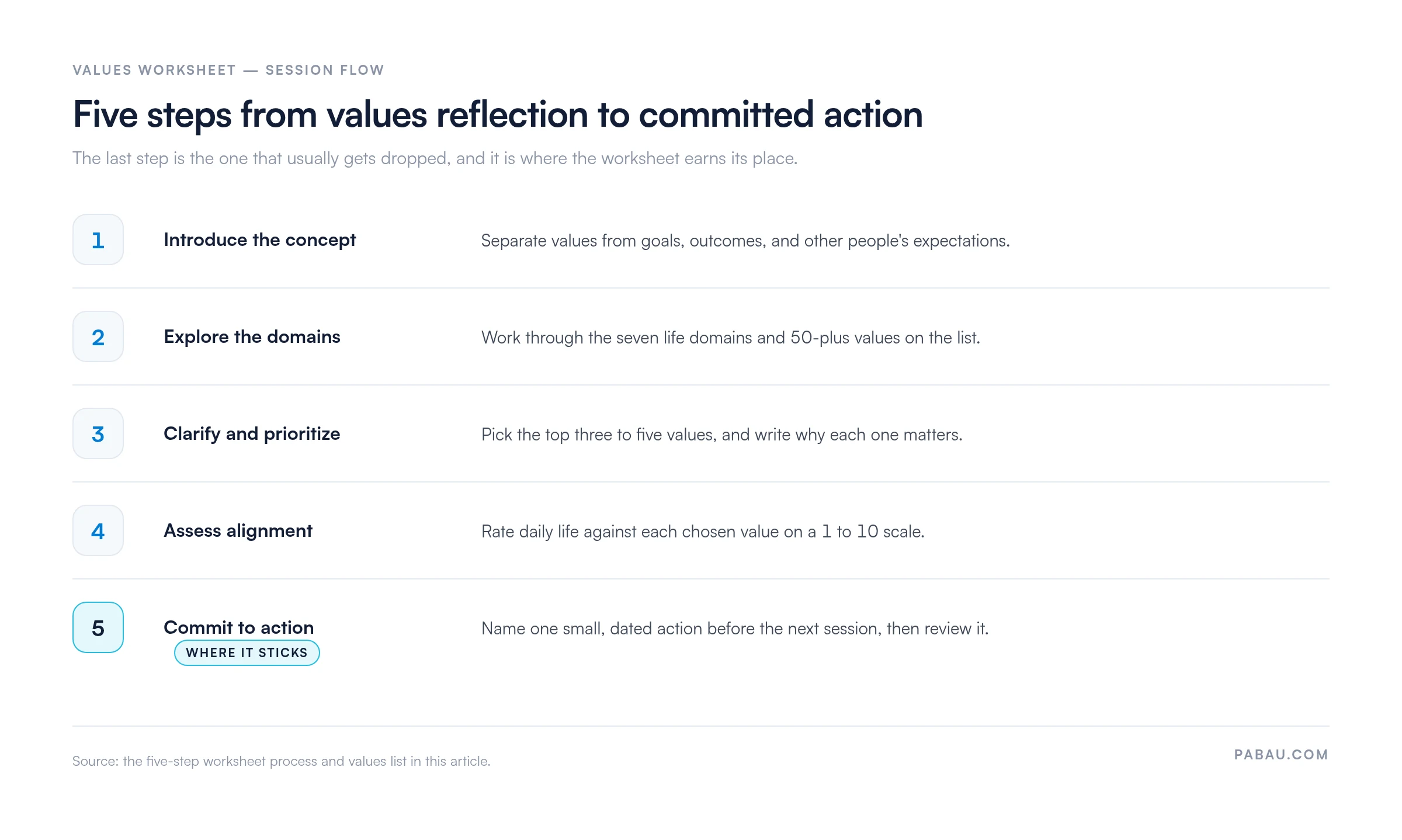
The exercise runs in five steps, from naming values to ranking them, rating alignment, and committing to one dated action.
Practice management software like Pabau stores the finished sheet in the client record and links it to session notes.
This free PDF is ready to print or send digitally, in a first session or in ongoing values-focused work.
A print-ready worksheet with a values list by life domain, space to rank your top three to five, and a committed-action plan. It also carries an alignment rating scale, so it works in therapy, counseling, and coaching sessions alike.
Download templatePlenty of clients cannot say what matters most to them. Career, relationships, health, and faith all sit in the same week, with no guiding sense of which one they are living for. Without that clarity, therapy treats the symptoms while the shape of the life stays the same.
A values worksheet closes that distance. It walks a client through naming, ranking, and committing to the values they care about most. Therapists, counselors, and coaches use it in Acceptance and Commitment Therapy (ACT), in cognitive behavioral work, and in positive psychology interventions.
Most values handouts stop at the client’s list. This guide covers the session around it. You get the five steps to run, and how the exercise behaves in a group. You also get a way to file the finished sheet in the software you use to run your therapy practice. It is written for the practitioner delivering the exercise.
A values worksheet is a structured clinical tool that guides someone through naming and clarifying their core personal values. A goal-setting exercise fixes on outcomes to reach. This worksheet fixes on the domains that give a life its direction, such as relationships, career, health, spirituality, creativity, or community.
The prompts ask a client what they care about, why those domains matter, and where daily life already diverges from what they say they want. It works as a discovery tool and as a planning document, turning a vague sense of importance into something concrete.
You can hand the worksheet over on paper or send it ahead as one of your digital intake forms. Some clients finish it in a single session. Others revisit it over months as their values shift.
A values session moves through five steps, from open reflection to a single commitment the client can act on this week.
Laid out end to end, the five steps show where a values session usually stalls. Clients rarely struggle to name a value. They struggle to leave the room with one dated thing to do about it.
Once the sheet is finished, file it in the client record next to your session notes. Kept there, it feeds treatment planning and gives you something to reread before the next appointment.
Values clarification is the work of separating what a client genuinely cares about from what they believe they should care about. Family, culture, and social pressure all leave values behind that were never chosen. Held together, those values create conflict and stall any decision.
The worksheet asks the awkward questions directly. “Whose voice is this value?” “Did I choose it, or inherit it?” “Does it serve me, or hold me in place?” Expect emotion here. Some clients see for the first time that they have been living by borrowed values.
In Acceptance and Commitment Therapy, values are one of six core processes behind psychological flexibility. That flexibility is the capacity to stay with hard thoughts and feelings while still acting on what matters. ACT also separates pain, which cannot be removed, from the suffering that comes of fighting it.
Inside ACT, the worksheet has one job. It anchors the client to the reason for the therapeutic work. Take a client who dreads social situations but values close friendship. The sheet helps them see anxiety as the price of that friendship. The question shifts from removing the anxiety to deciding whether to let it choose for them.
Group settings add something a one-to-one session cannot. Members hear each other’s values and discover that their struggle to live by them is widely shared. That recognition does as much work as the sheet itself.
Clarifying values from a blank page is hard. Most clients find it easier to choose from a list, so the worksheet groups more than 50 values across seven life domains. For anyone who would rather write values in their own words, printable values cards give a blank sheet with a three-level rating.
Clients pick from the list, or use it as a springboard for a value it does not name. From there the sheet takes their top three to five and goes deeper.
The exercise travels well beyond the therapy room. People reach for it during life transitions, career decisions, and long stretches of feeling stuck. It gives structure to the question “what do I want my life to look like?”
Values work most often breaks down after clarification. The client leaves with a clear list and no change to their week. A worksheet with a values-to-action section closes that distance.
Once a core value is named, ask one question. “What is one small, concrete thing you can do this week that moves you toward it?” The answer has to be specific, achievable, and deliberate.
Open the next session on that commitment. “Did you call? What happened? What did you notice?” Write down both the outcome and the client’s own wording for the value, so your SOAP notes pick up where this session left off.
Values-based interventions rest on a large research base behind Acceptance and Commitment Therapy. ACT has been tested in hundreds of randomized trials covering anxiety, depression, chronic pain, and substance use. Reviews of that literature tie values-consistent living to better psychological flexibility and well-being, even while difficult feelings persist.
Positive psychology research points the same way. People who can name their values and act on them report more life satisfaction, resilience, and meaning. A worksheet is what turns that finding into something you can hand a client in a 50-minute session.
In most practices the completed sheet goes into a paper folder or a scan on a shared drive. Six weeks later nobody can find it, and the values never reach the treatment plan they were meant to shape. The client repeats the exercise from scratch.
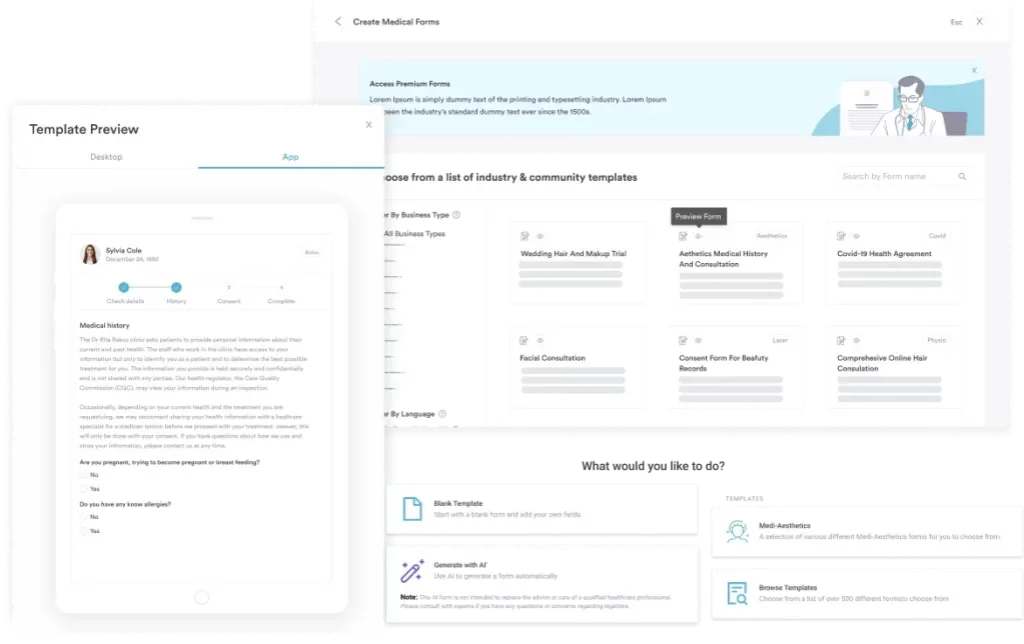
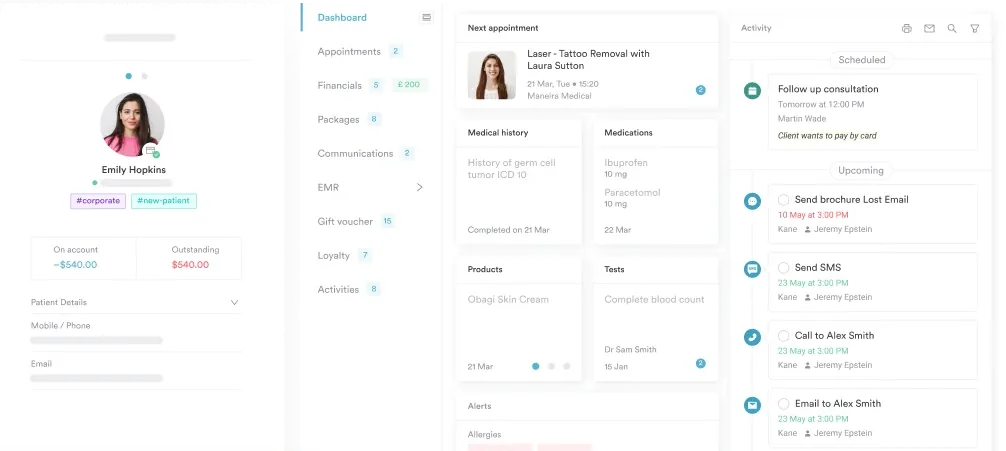
Practice management software like Pabau keeps the sheet where the rest of the clinical picture already lives. Send it as a digital form, and the answers file themselves into the client records alongside appointments, notes, and outstanding tasks. You can reread the client’s own words before you open the next session.
Writing the note is faster too. Pabau Scribe, our AI scribe, drafts the session note from your dictation, so AI clinical documentation can quote a stated value straight into the record. A line such as “client named family connection as a core value” then sits in the note that the treatment plan is built from.
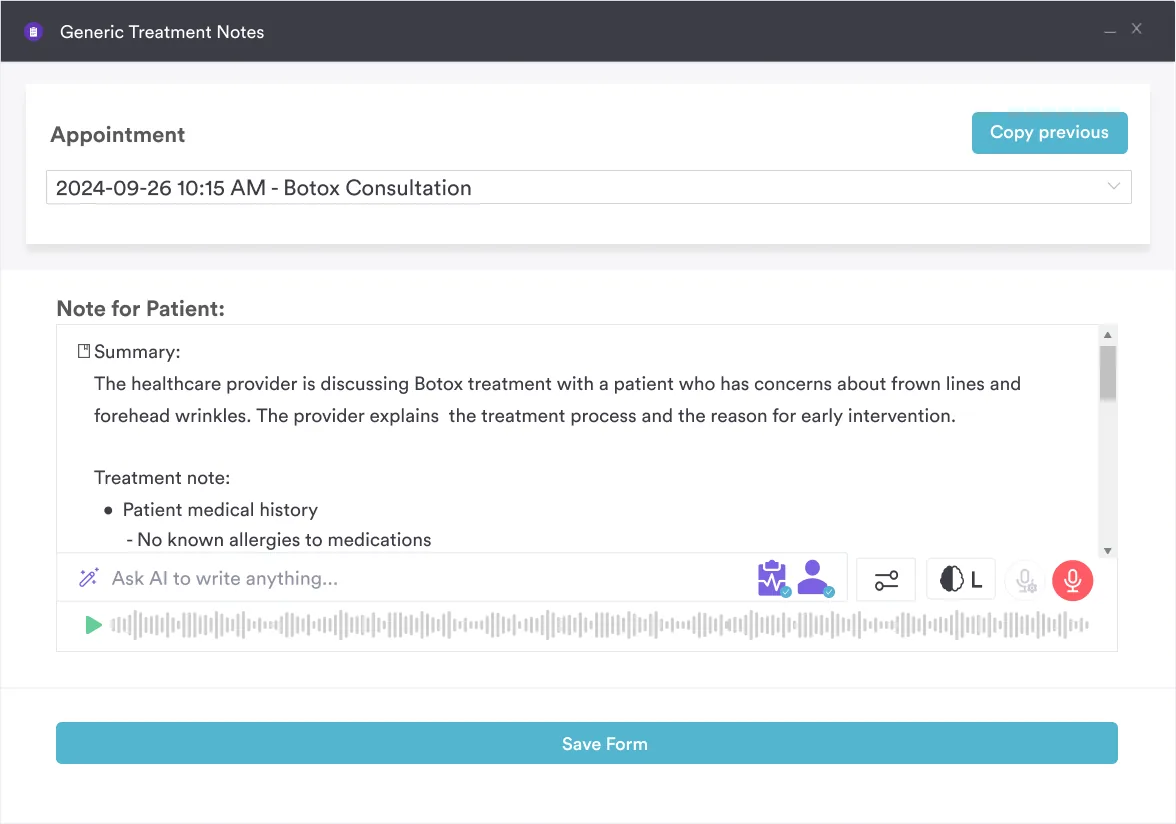

Store completed values worksheets, link them to session notes, and track values-based progress in one client record. Your team stops hunting for last quarter’s sheet before a session starts.

A values worksheet is cheap to run and easy to waste. The clarification half tends to go well, because clients enjoy naming what matters. The commitment half is where the hour either pays off or evaporates, so protect the last ten minutes of the session for it.
Download the template above and use it in your next session. Then keep the finished sheet somewhere you will read it again, because a values worksheet filed and forgotten teaches the client nothing. Book a demo to see how Pabau keeps values work attached to the client record it belongs to.

Want a visual way to plot values against action? ACT bullseye worksheet maps how close a client’s behavior sits to each value they named.
Need a tool for the moment a client chooses? Choice point worksheet breaks down the fork between an avoidance move and a values-led one.
Ready to turn one value into a plan? Change plan worksheet takes a committed action and gives it steps, timings, and a review point.
Want a wider sweep across the life domains? 7 areas of life worksheet rates satisfaction area by area before you narrow down to values.
It helps a client name what genuinely matters to them, separate from outside pressure or symptom reduction. That anchors therapy to meaningful living and supports psychological flexibility, particularly in Acceptance and Commitment Therapy (ACT) and positive psychology work.
Goals are outcomes with an endpoint, such as losing weight or getting a promotion. Values are ongoing principles with no finish line, such as health, growth, or connection. The worksheet sets the direction, and goals become the behaviors that serve it.
Yes. Members complete the sheet on their own, then share what they found. Hearing shared values and shared struggles reduces isolation and builds trust. Light facilitation keeps the sharing safe and normalizes the experience.
ACT treats values as the compass for psychological flexibility. Instead of aiming only at symptom removal, the client learns to act on their values while difficult emotions are present. The discomfort becomes the price of a meaningful life.
Quarterly or yearly suits most clients, and any major life transition is worth an extra review. The first pass anchors the therapeutic work. Later reviews show whether stated values and current behavior have drifted apart.
Yes. People use values worksheets for personal reflection, career planning, life transitions, and coaching. The structure carries the exercise, so it works as self-guided reflection when no therapist is involved.