Psychological flexibility worksheet
A psychological flexibility worksheet is a clinician-guided handout that helps p...

Last Updated: Oct 19, 2026

The choice point worksheet is an ACT tool helping clients distinguish between towards moves (value-consistent actions) and away moves (avoidance behaviors).
Originally created by Ann Bailey, Joseph Ciarrochi, and Russ Harris in 2013 for The Weight Escape. Choice Point 2.0 refined the model with clearer decision-making frameworks.
Mental health practitioners use the choice point worksheet to build psychological flexibility and align client actions with their deepest values.
Pabau’s digital forms and clinical documentation features streamline choice point administration and outcome tracking within therapy sessions.
A structured therapeutic worksheet for Acceptance and Commitment Therapy (ACT) sessions, helping clients identify towards and away moves in relation to their core values and committed action.
Download templateTherapy clients often feel stuck between two paths: moving toward what matters to them, or moving away from discomfort. The choice point worksheet is a structured tool that makes this invisible decision process visible, helping practitioners guide clients toward value-consistent living.
The choice point worksheet is a therapeutic aid used in Acceptance and Commitment Therapy (ACT). It maps the moment when a client faces a decision: do they respond in a way that aligns with their values (towards move), or do they respond to escape discomfort (away move)?
Created by Joseph Ciarrochi, Ann Bailey, and Russ Harris, the choice point worksheet emerged from evidence-based ACT research. The original version appeared in The Weight Escape (2013) and has since become standard in therapy practices across mental health, coaching, and wellness settings. Harris developed Choice Point 2.0 in 2017 as a refined iteration, adding clarity to how clients visualize the relationship between their thoughts, feelings, and chosen actions.
The worksheet guides clients through five structured steps that unfold naturally within a therapy session. Each step builds toward psychological flexibility: the ability to notice difficult thoughts and feelings while choosing to act on values.
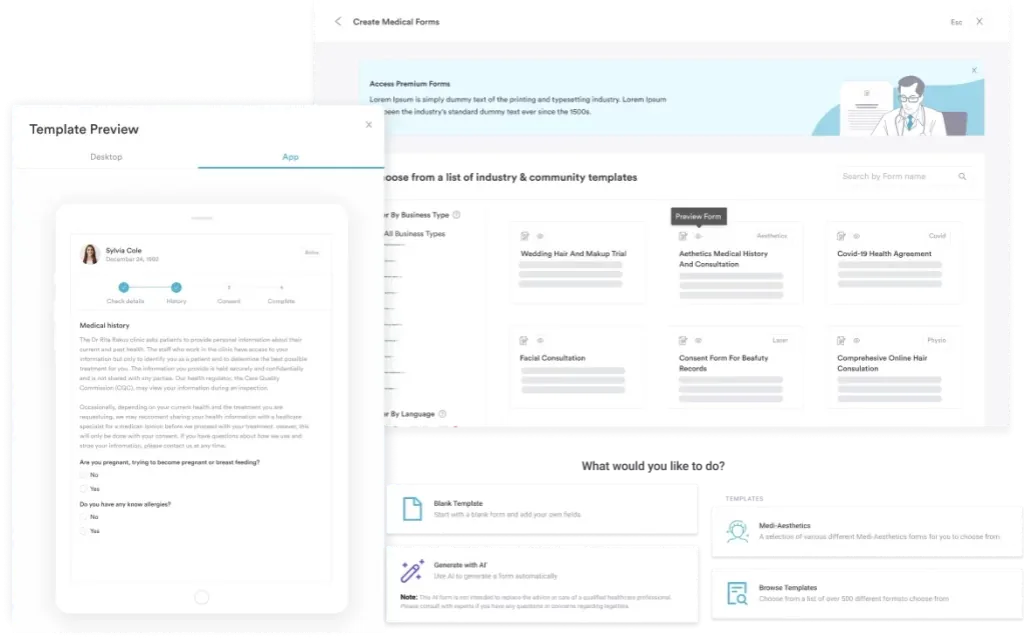
Practitioners using practice management software like Pabau can run the worksheet on digital forms during a session, so the client completes it on screen and it saves straight to their record.
At the choice point itself, the Choice Point 2.0 worksheet adds a short STOP skill that helps clients unhook in the moment: Slow down (anchor with the breath or press the feet into the floor), Take note of the thoughts and feelings showing up, Open up to make room for that discomfort, and Pursue values by choosing one small towards move. Walking a client through STOP out loud gives them a repeatable skill for the moments of difficulty that happen between sessions, not just on the page.
The choice point worksheet’s core distinction rests on two types of behavior.
Many clients initially gravitate toward away moves because relief is immediate. The worksheet’s power lies in revealing the cost: short-term ease buys long-term disconnection from what matters. By naming this trade-off explicitly, clients gain clarity and agency.
Sometimes an away move is one big decision the patient keeps postponing. The fear setting method asks what that delay costs the patient at six months, one year and three years.
ACT assumes that lasting behavior change flows from contact with core values, not from logic, willpower, or fear. The choice point worksheet anchors every decision to the client’s stated values. Before choosing a towards move, clients articulate why it matters: “This feels scary, but it matters because I value connection with my partner.”
Committed action emerges once values are clear. Instead of vague intentions (“I should be more honest”), clients name a specific behavior (“I will tell my partner one vulnerable thought by Friday”). This turns insight into action.
The choice point worksheet serves multiple professional and client populations.
Bereavement counselors often want written work the person can do alone between appointments. A grief worksheet for adults supplies journaling prompts, emotion naming, and CBT coping exercises for that purpose.
Clarifies decision-making in the moment. Clients often feel paralyzed by difficult emotions. The worksheet creates structure, reducing decision fatigue and supporting psychological flexibility.
Strengthens the values-action connection. By explicitly linking behavior to values, clients internalize that growth and meaning emerge from towards moves, not avoidance. This shift often persists beyond the session.
Builds accountability and tracking. Completed worksheets become clinical documentation that supports review and progress measurement across multiple sessions, key for demonstrating outcomes.
Reduces stigma and shame. Naming the choice point as a universal human experience, not a personal failure, normalizes struggle and invites agency. The worksheet is a permission slip to be human.
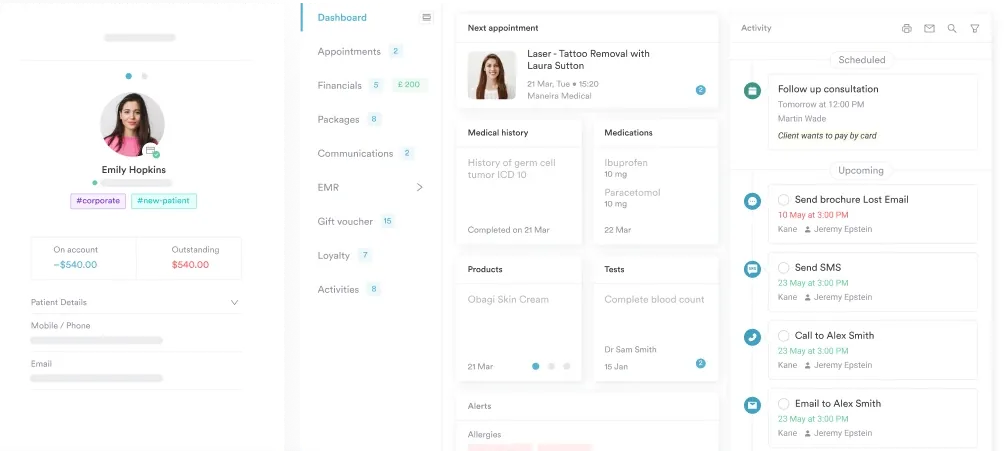
Many practitioners now administer the choice point worksheet digitally. After the session, practice management systems securely store completed worksheets in the client record, enabling practitioners to reference insights and committed actions during follow-up appointments.
Digital workflows also reduce paperwork. Some practitioners track whether clients are acting on their chosen towards moves, then adjust the therapeutic approach accordingly.
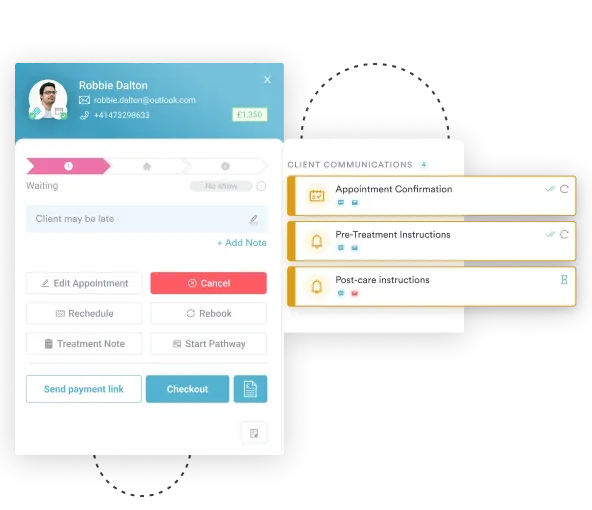
Use the book a demo link below to explore how Pabau’s digital forms and clinical documentation tools streamline choice point administration and outcome tracking within your therapy practice.

Pabau’s digital forms and client records help therapists distribute, complete, and track choice point worksheets, all within a HIPAA-compliant, integrated practice management system.

The choice point worksheet is rooted in Acceptance and Commitment Therapy (ACT), a third-wave cognitive-behavioral approach developed by Steven Hayes and colleagues. ACT teaches six core processes: acceptance, cognitive defusion, being present, self-as-context, values, and committed action. The choice point worksheet is a practical delivery vehicle for all six.
Related ACT tools include the ACT Matrix (mapping towards and away moves across different life domains) and values clarification exercises. However, the choice point worksheet is uniquely suited to in-the-moment decision-making during sessions or between-session moments of difficulty. For a deeper walkthrough of the tool, Russ Harris’s Choice Point 2.0 overview shows how practitioners use it to explain the model, take a history, and set a session agenda.
Some away moves attach to circumstances that cannot be changed. Covey’s be proactive worksheet sorts each worry into a circle of influence or a circle of concern, which makes committed action easier to name.
Completed choice point worksheets are clinical documents. They document the client’s decision-making process, identified values, and committed actions-key information for continuity of care, supervision, and legal protection. Store worksheets in encrypted clinical systems with secure audit trails, ensuring HIPAA compliance and easy retrieval for follow-up sessions.
The choice point worksheet is a powerful, evidence-based tool for therapy. By making the invisible decision process visible, it helps clients recognize that they have agency, even amid discomfort. Every towards move, no matter how small, strengthens psychological flexibility and draws clients closer to a life aligned with their values. When clinicians store completed worksheets within a secure practice system, they create a lasting record of client progress and reinforce committed action across multiple sessions. Book a demo with Pabau today to streamline your choice point workflow.

Planning longer-term care? Psychology treatment plan template helps structure goals and interventions beyond a single choice point.
Onboarding a new therapy client? Psychotherapy intake form template captures the history and values context that make choice point work more targeted.
Working with trauma? Trauma timeline worksheet maps the events that often drive today’s away moves.
The choice point worksheet is a structured ACT tool that helps clients identify the moment of decision between towards moves (value-consistent actions) and away moves (avoidance behaviors). Therapists introduce it during sessions when clients face difficult emotions or decisions, using the worksheet to clarify values and build psychological flexibility. Clients complete it collaboratively with the practitioner, then store it in their clinical record for future reference and progress tracking.
The original choice point worksheet was created by Joseph Ciarrochi, Ann Bailey, and Russ Harris for the book The Weight Escape (2013). Russ Harris refined it as Choice Point 2.0 in 2017, adding clarity and flexibility to the model. Both versions are widely used in ACT-informed practice.
Towards moves are behaviors aligned with a client’s stated values, even if uncomfortable (e.g., having a difficult conversation to strengthen a relationship). Away moves are behaviors driven by escaping discomfort, often creating distance from values (e.g., avoiding the conversation to reduce anxiety). The choice point worksheet helps clients recognize which path they are choosing and the long-term consequences of each.
Yes. Life coaches, executive coaches, addiction recovery specialists, and wellness practitioners use the choice point worksheet. Any setting where individuals face a decision between comfort and values benefits from the worksheet’s structure, including career transitions, health behavior change, relationship repair, and grief processing.
Use a HIPAA-compliant practice management system with encrypted clinical records. Scan or upload completed worksheets immediately after sessions, store them in the client’s digital record with a date stamp, and limit access to authorised practitioners only. Digital storage enables easy retrieval for follow-up sessions and supports outcome tracking over time.