Trauma response test: Free template for clinicians
A trauma response test is a structured screening questionnaire that helps clinic...

7
Last Updated: Oct 15, 2026

A problem solving worksheet for adults walks a client through five steps: define, brainstorm, evaluate, choose and implement, then review.
Problem-solving therapy sits inside cognitive behavioral therapy, and NICE lists individual problem-solving among its treatment options for depression.
Pacing matters more than the framework. Split the five steps across two sessions so the client is not asked to do them all at once.
Speech-language pathologists use the same form as an external scaffold for executive function after stroke or brain injury.
Store completed worksheets in the client record so a therapist can revisit an earlier problem and its outcome months later.
Five prompted sections take a client from a single problem statement to a dated action plan and a written review of how it went. Print it, work through it in session, or assign it as homework between appointments.
Download templateA problem solving worksheet for adults turns a stuck feeling into a sequence the client can work through. It is the delivery mechanism for problem-solving therapy, an evidence-based intervention that sits inside cognitive behavioral therapy.
Therapists, counselors, and clinical coaches use it in session, assign it as homework, and log the outcome afterward.
This guide covers what belongs on the form and how to pace the five steps across two sessions. It also shows how to keep the completed copy in your clinical workflow with software built for therapists.
It is a fillable form that breaks a difficulty down into concrete steps. It gives the client somewhere to put the problem instead of ruminating on it or avoiding it altogether.
The form is grounded in problem-solving therapy (PST), an intervention used within cognitive behavioral therapy (CBT). PST teaches practical coping skills for stress, anxiety, depression, and life transitions.
According to the American Psychological Association, structured problem-solving increases a person’s sense of control and reduces helplessness.
Clinicians across several disciplines reach for it:
PST works on anxiety and depression because it goes after avoidance, which keeps both conditions running. It asks what can be done about the problem rather than why the problem exists.
Avoidance rarely shows up on its own. If a client’s list keeps stalling at the doing stage, pair the form with a behavioral activation worksheet. Schedule the activity instead of waiting for motivation to arrive.
Each step produces something the next step needs. That is why the sequence still holds when a chosen solution does not work.
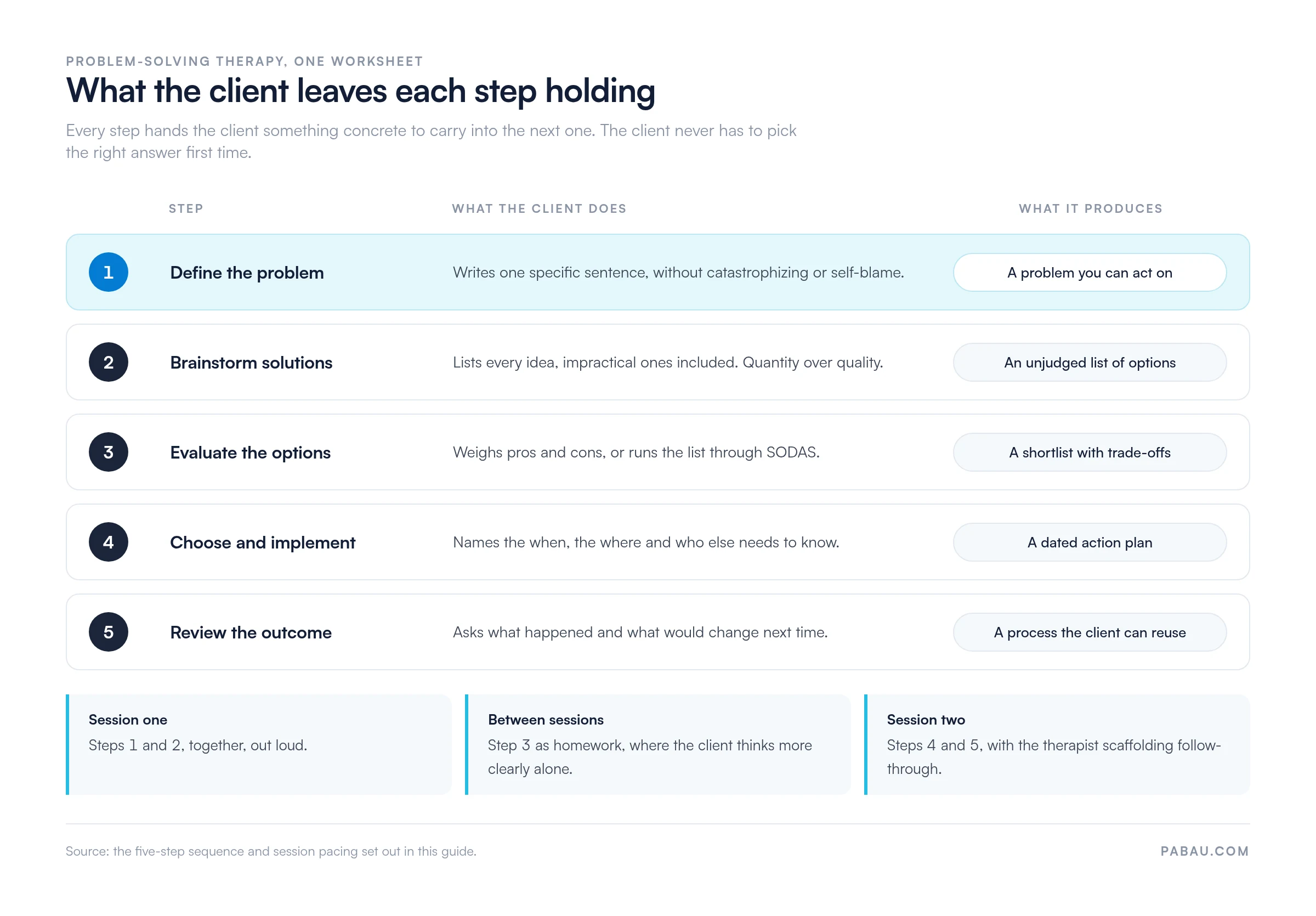
The first step is a clear, specific problem statement. Vague problems are hard to solve. “I’m stressed” gives the client nowhere to go. “I haven’t called my mom in three months and feel guilty about it” is something you can act on.
Ask for one sentence describing the situation, without catastrophizing or self-blame. The goal here is clarity, not catharsis. A well-defined problem is already half-solved.
The difficulty is often the one that brought someone into therapy in the first place. In that case, their documented reason for seeking care supplies step one almost word for word.
Here the rule is quantity over quality. Encourage divergent thinking and write down every idea, however impractical. “Call her now”, “send a letter”, and “ask my sister to check in” all belong on the list.
Non-judgmental brainstorming counters the perfectionism that stalls anxious and depressed clients. Many wait for the perfect option and never act at all. A form that says all ideas welcome takes that pressure off.
The client now reviews the list and weighs each option. The form asks for pros and cons, or runs the list through a structured framework such as SODAS: situation, options, disadvantages, advantages, solution.
This section moves the client from emotional reaction to practical assessment. Would this work? Is it realistic? What might go wrong? Those three questions anchor the client in the situation in front of them.
The client picks the most promising option and writes a concrete plan. “Call Mom on Thursday at 6 PM” is an implementation plan. “Improve my relationship with Mom” is not.
Prompt for specifics: when, where, how, and who else needs to know. Then ask what might get in the way. If the client needs more room here, hand them a separate action plan template and work it through together.
Once the client has tried the solution, the form guides reflection. What happened? Did it work? What would you do differently next time? This is where the client learns that the process itself is reusable.
The review also reinforces a growth mindset. A solution that failed becomes data for the next attempt, rather than evidence about the client.
Three named frameworks structure the same underlying process. Here is how they compare.
Most therapists start with the 5-step PST format. It maps cleanly onto clinical practice and carries the most research behind it. SODAS suits a client who needs one faster decision, and IDEAL fits educational or coaching work where the look-back matters most.
The framework matters less than consistency. Pick one, adapt the wording to the client’s reading level, and use the same layout every time so they recognize it on sight.
Speech-language pathologists use these worksheets for cognitive-communication rehabilitation. After a stroke, a brain injury, or a progressive neurological condition, clients often struggle with planning, organizing their thoughts, and making decisions. The form becomes an external scaffold for that thinking.
An SLP might set an everyday scenario. “You arrived at work and realized you left your laptop at home. Use the worksheet to decide what to do.” The client practices the process somewhere low-stakes, which helps it carry over into daily life.
Standalone worksheet libraries rarely cover this use. Speech therapy software that keeps the form beside the session note lets you show the same scaffold working across a course of treatment.
The worksheet is a springboard for conversation rather than a form to complete mechanically. The useful moment usually arrives with a follow-up question. What stopped you from trying that option? How did it feel when that one worked?
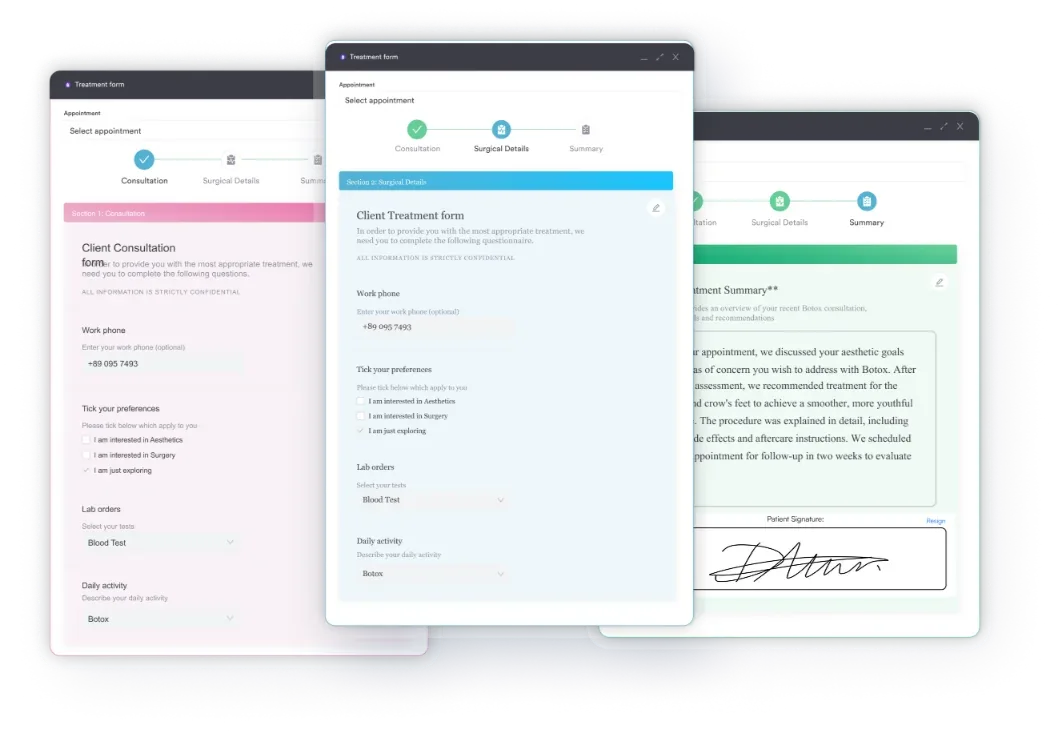
A worksheet only helps if it comes back. Follow-up between sessions is where most practices lose it, not the form itself.
Send a reminder a day or two after the session, while the conversation is still fresh. Ask for the completed form before the next appointment, so you can read it before the client walks in and start where they stopped.
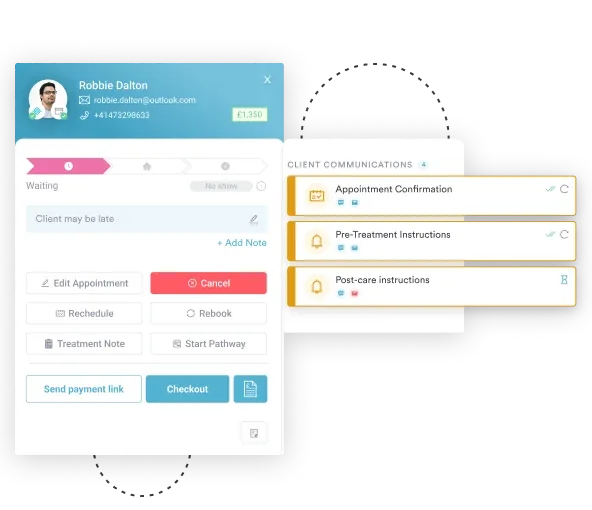
Completion rates rise when the worksheet is scheduled like any other part of care. Left to memory, it turns into another item the therapist chases at the start of the next session.
Mental health clients. Anxiety, depression, PTSD, and adjustment disorders all respond well to structured problem-solving, especially where avoidance or catastrophic thinking keeps the problem in place.
Coaching and life skills clients. Executive functioning, decision-making, and self-regulation all improve with repeated structured practice.
Rehabilitation and neuro-cognitive clients. Occupational therapists and speech-language pathologists use the form to rebuild planning and decision-making after an injury or illness.
Groups and community settings. Peer support groups, recovery communities, and psychoeducational classes use it to give every participant the same starting structure.
The form helps less when the difficulty has no options to weigh. Where a bereavement is what the session keeps returning to, a grief worksheet for adults offers reflection prompts and coping exercises instead.
Most practices print the worksheet, hand it over, and hope it comes back. The completed copy ends up in a paper folder, a scanned PDF, or a photo on somebody’s phone. Six weeks later, no one can find the problem the client actually worked on.
Practice management software like Pabau keeps the form attached to the person. Build the five steps as a digital form, send it from the client’s record, and the completed version files itself straight back against that record.
From there you can link the outcome to the session note. The next clinician to open the chart then sees what the client tried and what happened. Reminders go out on schedule, so chasing homework stops being a job for your front desk.
Every Pabau subscription includes the digital forms, the client records, and the client messaging, so none of this sits behind a higher tier.

Pabau links completed worksheets to session notes and sends the homework reminders for you. A client’s problem-solving history is still there at the next appointment.

The framework you choose matters less than whether the client finishes the sequence and you can find it again afterward. Pace the five steps across two sessions and adapt the wording to the person in front of you. Treat the review step as the part that teaches the skill.
The trade-off worth remembering is scope. A single completed worksheet rarely shifts a long-standing pattern. What it does is give a client somewhere to start when the problem feels too big to name. It also gives you something specific to work from next week.
Keeping those completed forms where the rest of the client’s record lives is what makes the second and third one useful. Book a demo to see how Pabau links worksheet outcomes to session notes across your caseload.

Working with a client who is ambivalent about changing? Change plan worksheet structures the motivation conversation that has to happen before problem-solving starts.
Need the client to challenge the thought, not just the situation? Cognitive restructuring worksheet walks through testing a belief against the evidence for it.
Looking for something to hand a client between sessions? Coping skills worksheet gives them a shortlist to use when a problem cannot be solved yet.
Turning a chosen solution into a plan the client will follow? Goal setting worksheets break one commitment down into dated steps you can check.
Define the problem, brainstorm every possible solution without judging them, then evaluate the pros and cons. Choose one option, plan how to act on it, and review what happened.
Yes. The worksheet at the top of this page downloads as a free PDF. Print it, complete it together in session, or fill it in digitally with the client. No subscription is required.
Adult worksheets assume autonomy and adult responsibilities like work, money, and relationships. Teen versions carry more psychoeducation and often involve a parent. The five steps stay the same, but the language, examples, and scope differ.
Yes. NICE lists individual problem-solving among the treatment options for depression, and problem-solving material also appears in its guided self-help recommendations. It works by reducing avoidance and rebuilding the client’s sense of agency.
PST runs define, brainstorm, evaluate, choose, review, and it is the general clinical sequence with the most research behind it. SODAS is faster and focuses on one immediate decision, which suits recovery and group settings.
Yes. SLPs use them in cognitive-communication rehabilitation after a brain injury, a stroke, or a neurological condition. The form scaffolds executive function and decision-making, which supports functional communication at home.