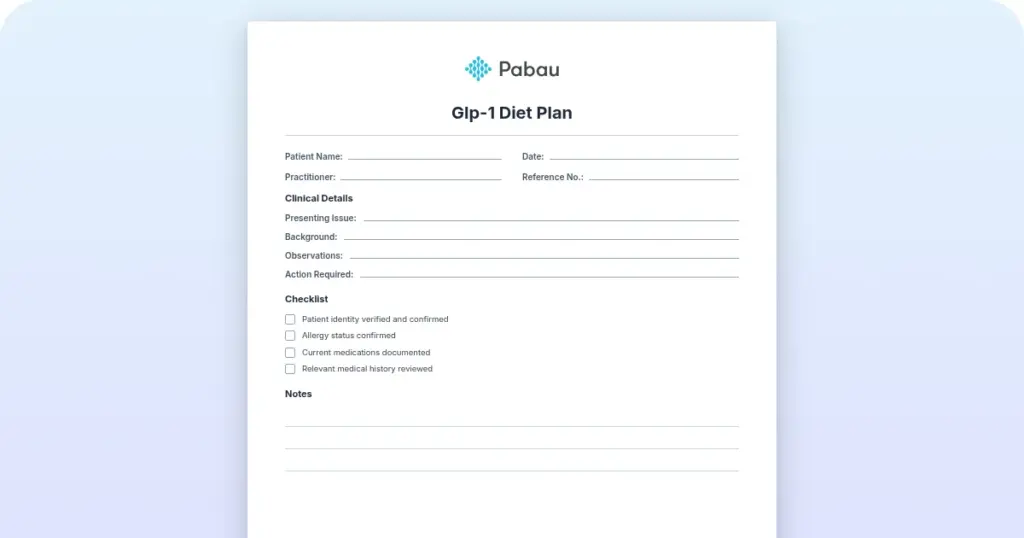
GLP-1 diet plan
A GLP-1 diet plan is a structured eating framework for patients taking semagluti...

2
Last Updated: Oct 13, 2026

A nurse brain sheet is a personal working document, not part of the official medical record, used to organize patient details during a shift.
An effective sheet covers demographics, vital signs, medications, labs, care tasks, and handoff notes in a format you can scan quickly.
One sheet covers four to six patients on Med/Surg, three to four on telemetry, and one patient in the ICU.
Vitals frequency, key labs, lines, and safety flags shift by unit, and the two tables below set out what changes.
Practice management software like Pabau cuts the brain-sheet workload by keeping records, medications, and task reminders in one place.
This printable nurse brain sheet PDF runs to 12 pages. It covers patient information, background and precautions, vital signs, systems assessment, timed medications and tasks, care plan, and discharge notes. Print one page per patient and add the fields your unit needs.
Download templateA nurse brain sheet is the one-page working document you fill in at report and update until handoff. It holds room number, vitals, medications, labs, and tasks for every patient you carry. The file above is one adaptable nursing report sheet template that stretches across units, rather than a set of siloed specialty PDFs.
Most nurses carry four to six patients a shift, sometimes more. Each one has medications due, labs pending, and care tasks that change by the hour. Without one structured sheet, that detail scatters across sticky notes and memory. Missed doses and overlooked lab values follow.
Free printable nurse report sheets are easy to find, and the button above gives you a free nursing report sheet with no signup. Guidance on what changes when you float from Med/Surg to the ICU is harder to find. This guide covers what belongs in each section, what shifts by unit, and how to work the sheet into your shift.
A nurse brain sheet is a personal, shift-based working document that sits outside the official medical record. Nurses use it to hold patient information in a format that is fast to scan and quick to update.
A working sheet always includes seven things for each patient:
The sheet stays with you at the bedside or the nursing station. You update it as you assess patients, give medications, and coordinate care.
At the end of the shift it is shredded or securely destroyed, because it holds protected health information, known as PHI. It never becomes part of the permanent chart.
You will also hear it called a nursing report sheet, a nursing brain worksheet, or just your nursing brain. Staple a week of pages together and it becomes a nurse brain book.
Nurses keep one for four reasons:
The habit travels across specialties, from medical-surgical floors to intensive care to the emergency department. Careful nursing documentation in the chart is still the legal record. The brain sheet is the working copy that gets you through the shift.
Every sheet carries the same seven blocks: demographics, vitals, medications and lines, labs, care tasks, precautions, and handoff notes. Units differ in layout and emphasis. Here is what each block holds.
Put this at the top of the sheet: room number, name, date of birth, admitting diagnosis, attending physician, code status, and critical allergies. It takes 10 to 15 seconds to fill in from report, and you refer back to it all shift.
Write code status in full, whether that is full code, DNR, or DNI. That one line changes what you do first if the patient deteriorates, so it does not belong in a margin.
Use a time-stamped grid for blood pressure, heart rate, respiratory rate, oxygen saturation, temperature, and pain score. Add a column for assessment frequency, so a four-hourly check or a post-procedure check never gets missed.
Circle anything outside your unit’s escalation thresholds as you write it down. The trend then stands out on the page without you having to reread the whole grid.
Digital client records track these automatically for nurses in a practice setting. On a hospital unit, the sheet is your working copy, updated hourly or per protocol.
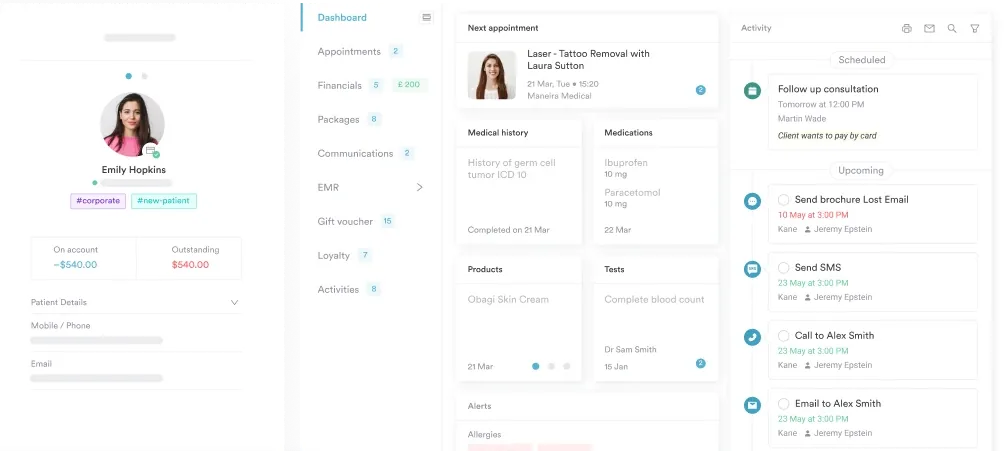
List every scheduled medication with dose, time, and route, then mark each dose as you give it. Note PRN medications with the last time given and the reason.
Record every line and tube in one column: peripheral IVs, central lines, drips with their rates, drains, and feeding tubes. Add the insertion date, because line days drive dressing changes and infection risk.
This is the section that keeps you ahead of the next dose due. Prescription management software can send the reminder, but the sheet is still the checklist in your pocket.
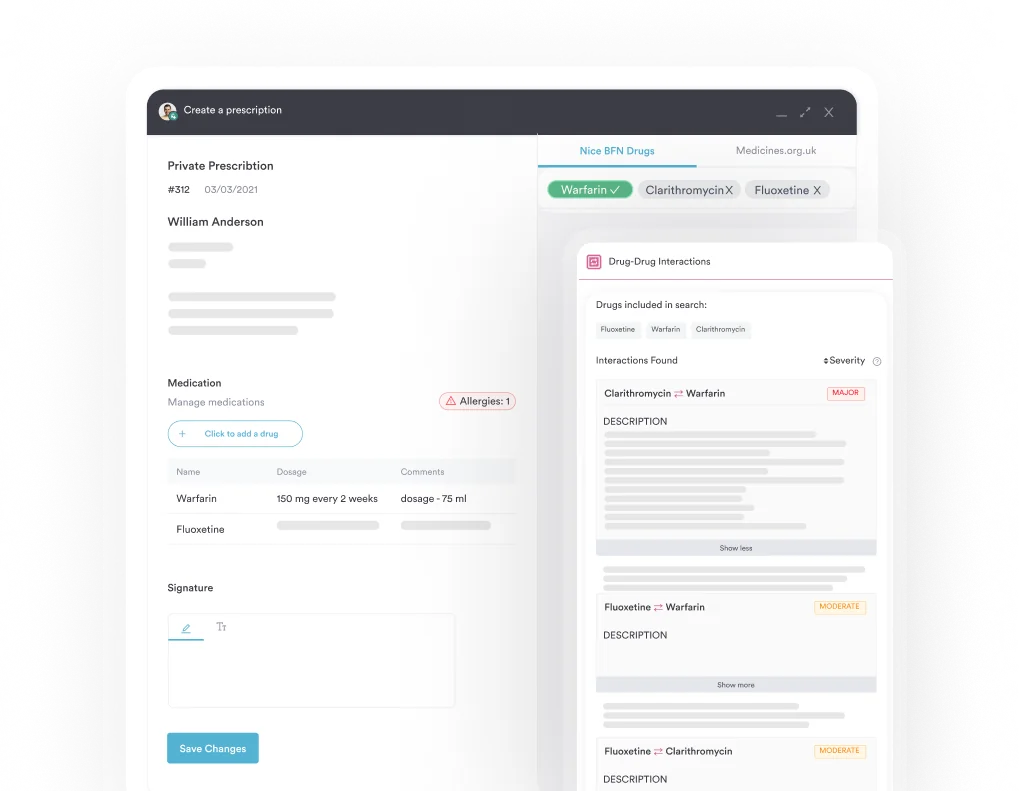
Record labs drawn this shift, results still pending, imaging orders, consults requested, and when each result is expected. Flag anything abnormal, so you know what to raise with the provider.
Note the time each specimen went to the lab. You then know whether a missing result is late or simply not back yet. Lab trends matter most in intensive care and after surgery.
Keep a checklist of interventions and safety flags, and tick each one off with the time completed:
A written list stops tasks drifting when acuity climbs or interruptions stack up. If you are building the checklist from scratch, a reference list of nursing interventions is a useful starting point.
Leave space at the bottom for the SBAR framework, which stands for situation, background, assessment, and recommendation. The printable sheet keeps this as free text, so rule a box or use the additional notes area.
An SBAR nursing handoff runs to four lines. Capture the patient’s current condition, the relevant history, your read on their status, and what the incoming nurse should prioritize.
A worked SBAR example helps if the format is new to you. Grounded in the sheet, the handoff takes two to three minutes.
Adapt the sheet by keeping all seven blocks and resizing only the ones your unit leans on. An ICU nurse and an ER nurse fill in the same page very differently.
The template downloads as one blank sheet, so you add the columns your specialty needs. The two tables in this section set out what shifts on the busiest floors.
What changes by unit is the vitals frequency, the labs you chase, and the lines you monitor. An ICU nurse report sheet and a Med/Surg one hold the same blocks, sized very differently.
| Category | Med/Surg | ICU | Emergency | Labor and delivery |
|---|---|---|---|---|
| Vitals frequency | Every four hours, plus post-op checks | Hourly, or continuous on the monitor | At triage, then repeated by acuity until disposition | Maternal vitals by stage of labor, with fetal heart tones alongside |
| Key labs and diagnostics | Morning labs, glucose checks, culture results | Blood gases, lactate, electrolytes, daily chest imaging | Point-of-care troponin and lactate, ECG, CT results | Group B strep status, hemoglobin, blood type and antibody screen |
| Medications and IV access | Scheduled oral doses, PRN pain relief, one peripheral IV | Titrated drips, sedation, a central line and several pumps | Stat and one-time doses with the time given, two large-bore IVs | Oxytocin rate, epidural infusion, antibiotics in labor |
| Monitoring and lines | Pulse oximetry, drains, urinary catheter, intake and output | Ventilator settings, arterial and central lines, hemodynamic values | Cardiac monitor, oxygen delivery, repeat pain scores | Contraction pattern, cervical dilation, fetal monitor tracing |
| Safety and isolation flags | Fall risk, isolation precautions, skin and wound care, code status | Code status, sedation scale, turning schedule, isolation precautions | Triage level, allergies, code status, elopement risk | Preeclampsia signs, hemorrhage risk, infant security tag |
| Handoff emphasis | Discharge planning, pending consults, teaching still owed | Overnight trends, drip titrations, goals of care | Disposition, bed request, results still pending | Labor progress, delivery plan, newborn status and Apgar score |
Notice that the safety row changes least. Fall risk, isolation precautions, and code status matter everywhere, so keep those three on the sheet whatever unit you float to.
A med surg brain sheet needs four to six patients on one page, a long medication column, and room for discharge planning. Build it around throughput, because admissions, post-op checks, and discharges land in the same shift.
Expand the vital signs grid for post-op checks and the medication list for scheduled doses. Add space for intake and output, complication screening, and patient teaching. Pain assessment deserves its own column.
ICU brain sheets differ by giving one patient the whole page, because hourly vitals, drip titrations, and ventilator settings fill it. Hemodynamic values and sedation scores need the most room.
IV access needs detail too, because central lines and several concurrent drips are the norm. Number the lumens and write one drip per line, so a titration order never lands on the wrong infusion.
Print one page per patient rather than four to a page. Nurses tracking neurological status often add neuro checks as a separate column.
ER nurses see fast turnover and unpredictable acuity, so the sheet has to stay condensed. Prioritize triage level, chief complaint, time-sensitive interventions, and medications given. Standard shorthand keeps the page scannable.
Leave a line for disposition, because the next question at handoff is usually where the patient goes. A structured emergency nursing assessment pairs well with the sheet for the initial workup.
Labor and delivery nurses track maternal vitals, fetal heart tones, contraction pattern, cervical dilation, and medications such as oxytocin. The timeline from labor onset to delivery runs down the middle of the sheet.
Risk flags belong in a highlighted box. Leave room for the newborn’s Apgar score at one and five minutes.
One sheet covers four to six patients on Med/Surg, three to four on telemetry, and one patient in the ICU. The emergency department sits at three or four at a time, rotating as patients are discharged.
That count decides the layout before anything clinical does. Six patients means six compact rows and no space for hourly columns. One ICU patient means the page is theirs.
The table below is the field checklist to run before you print. It sizes the blocks that stay on the sheet whatever unit you are covering.
| Field | Med/Surg | Telemetry | ICU | Emergency | Labor and delivery |
|---|---|---|---|---|---|
| Patients per sheet | Four to six, one row each | Three to four, one row each | One, sometimes two | Three to four, rotating | One labor, plus the newborn |
| How often you refresh it | Once at report, then tick as you go | At report, plus a rhythm note each round | Hourly, the grid fills in real time | Per patient, torn up at disposition | At each stage of labor |
| Code status box | One line, top row, written out in full | Same, plus pacemaker or ICD status | Plus goals of care and the family contact | Often unknown at triage, so flag it to chase | Two patients to think about, mother and newborn |
| IV access detail | One peripheral, note gauge and site | Peripheral, plus a lock kept free for contrast | Lumens numbered, one drip written per line | Two large-bore, with the time each went in | Peripheral plus epidural, listed separately |
| Labs block size | Two lines for the morning draw | A short series column, one row per troponin | Six rows, gases and lactate refresh hourly | Free text, results arrive out of order | Three fixed lines, drawn once on admission |
Telemetry is the unit nurses underestimate. The patient count sits close to Med/Surg. Yet every row needs a rhythm note and a troponin series, so the page runs out of width fast.
Fill the sheet in at report, update it the moment anything happens, and work from it at handoff. Used that way, a nursing shift report sheet replaces the running list you would otherwise keep in your head.
A typical shift runs like this:
Customize it by resizing the grids, adding the fields your unit watches, then testing the result on one quiet shift. Any nurse report sheet PDF free download hands you a starting layout and nothing more.
The file here is deliberately one master template rather than four unit-specific PDFs. A Med/Surg nurse who floats to the ICU keeps the same layout and adds two columns, instead of learning a new sheet.
No two nurses organize the same way. A few adjustments that pay off:
Nurses in private practice carry the same organizational load as hospital nurses, usually with a smaller team behind them. That holds in an infusion suite, a travel clinic, or a hormone therapy practice. The brain sheet ends up covering whatever the record system does not.
Pabau, our all-in-one practice management system, removes most of the copying. Digital intake forms land in the client record before the visit. Allergy and medication flags sit on the record itself. Task reminders fire on time, so the sheet no longer has to hold everything.
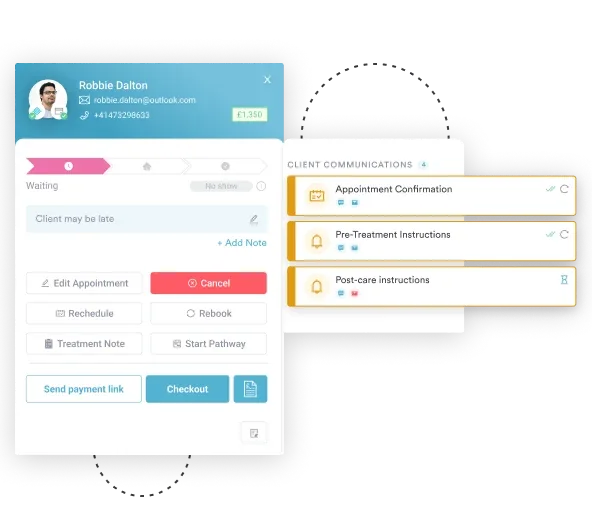
That changes what you print. A practice nurse can carry a short sheet with demographics, vitals, medications, and the day’s tasks, because the system holds the rest. Esho Clinic made the same move for the same reason. Staff across several sites needed one shared record instead of personal notes.
The trade-off is worth setting out plainly, job by job. Paper beats any screen for speed at the bedside. It also takes everything you wrote with it when you shred it at 7 AM.
| Job on the shift | What paper does well | What paper costs you | With a shared digital record |
|---|---|---|---|
| Filling it in at report | You write in your own shorthand, at talking speed | Demographics, allergies, and code status are copied by hand, which is where errors enter | Those fields are already on the record, so you note only what changed overnight |
| Updating mid-shift | No login, and no screen between you and the patient | Only you can read it, so whoever covers your break is working blind | Cover sees the same record, so a break stops creating a blind spot |
| Chasing a result | Nothing to reload if you already wrote the value down | A result that lands after you wrote the sheet stays invisible | New results appear against the client, so your copy is never stale |
| Timed tasks and doses | A ruled to-do column is faster to tick than any app | Nothing prompts you, so a missed tick becomes a missed task | Reminders fire on time, and the sheet stays the checklist in your pocket |
| Giving handoff | SBAR notes at the bottom keep the verbal handoff to three minutes | Your shorthand does not travel, so the next nurse rebuilds it from scratch | The record carries forward, so handoff covers judgment instead of data |
| End of shift | Shredding it closes the PHI risk in one action | Anything you wrote and did not chart is gone with it | Charted once and kept, with no second copy to destroy |
Read down the third column and you have the case for keeping the sheet short. The sheet then works as a lightweight reference rather than a data store, which frees up attention for the patient in front of you.

Pabau keeps client records, medication lists, and task reminders in one system. Your sheet only has to carry what you need at the bedside.

The sheet that works is the one you keep updating. A perfect layout you abandon by 10 AM is worth less than a scruffy one you touch every hour.
So print the template, run it through one shift, and change it. Most nurses land on their own version after three or four rounds. That is the version worth copying for the rest of the year.
One trade-off is worth naming. Paper is fast and flexible, but it dies at the end of the shift by design. Anything that has to outlive the shift belongs in the chart instead. Book a demo to see how Pabau keeps records, medications, and reminders in one place for practice nurses.

Need the structured version for handoff? Nursing shift report gives you a ruled form for the report you hand over at the end of a shift.
Handing over at the bedside with the patient listening? Bedside shift report covers what to say in front of the patient and what to hold back.
Want a handoff format your whole unit can standardize on? I-PASS handoff template walks through the five-part structure many hospitals adopt.
Still writing your summary after the shift ends? End of shift report sets out what the incoming team needs from you in writing.
Screening for stroke symptoms fast? NIHSS score sheet template scores consciousness, gaze, motor function, and language across 11 fields.
A nurse brain sheet is a personal working document for one shift. It holds demographics, vital signs, medications, labs, tasks, and handoff notes in one place. You fill it in during report, update it through the shift, and work from it at handoff. At the end of the shift you destroy it, because it holds PHI and is not part of the medical record.
Start with demographics, which means name, room, date of birth, diagnosis, code status, and allergies. Add time-stamped vital signs, scheduled and PRN medications, IV access and drips, labs and pending orders, care tasks, and space for handoff notes. Emphasis shifts by unit. ICU sheets add hemodynamic values, labor and delivery sheets add fetal heart tones and dilation, and ER sheets lead with triage.
One sheet covers four to six patients on Med/Surg, three to four on telemetry, and one patient in the ICU. The emergency department usually runs three or four at a time, rotating as patients leave. That count sets the layout. A med surg brain sheet needs six compact rows, while a critical care page belongs to a single patient.
In practice, yes. Both names describe a nurse’s personal working document for organizing patient data across a shift. Some facilities prefer the term report sheet, because it emphasizes the handoff. The content is identical either way.
No. Brain sheets are informal working documents with no standing as a legal record. Shred or securely destroy them at the end of every shift, because they hold PHI. The patient chart and the EHR are the legal record.
Yes, and that is the point of it. The download is one blank sheet rather than a set of unit-specific versions. Resize the grids, add the fields your unit watches, and highlight whatever you escalate. Then run it through a quiet shift and cut anything you never filled in.
SBAR stands for situation, background, assessment, and recommendation. It is the order nurses use to hand a patient over. Situation is what is happening right now. Background is the history that explains it. Assessment is your read on the patient. Recommendation is what the next nurse should do first. An SBAR nursing handoff fits in the notes box at the bottom of the brain sheet.
Write four lines in the notes box. Cover what is happening now, the history that explains it, your read on the patient, and what the next nurse should prioritize. The Joint Commission endorses this handoff structure. Four short lines are usually enough.
Med surg is short for medical-surgical nursing. These general adult inpatient units take patients before and after surgery, plus patients with acute medical conditions. Nurses there typically carry four to six patients at once. That load is why a med surg brain sheet needs a compact demographics grid and a long medication column.