Mental health self-care checklist
A mental health self-care checklist is a structured daily tool for tracking the ...

6
Last Updated: Oct 20, 2026

Metta meditation is a Buddhist loving-kindness practice that builds compassion for yourself and others through short, repeated phrases.
The full practice moves through five stages: self, a loved one, a neutral person, a difficult person, then all beings.
Research links regular loving-kindness practice to lower anxiety, more positive emotion, and stronger social connection.
Read the phrases slowly and leave 10 to 15 seconds of silence after each one.
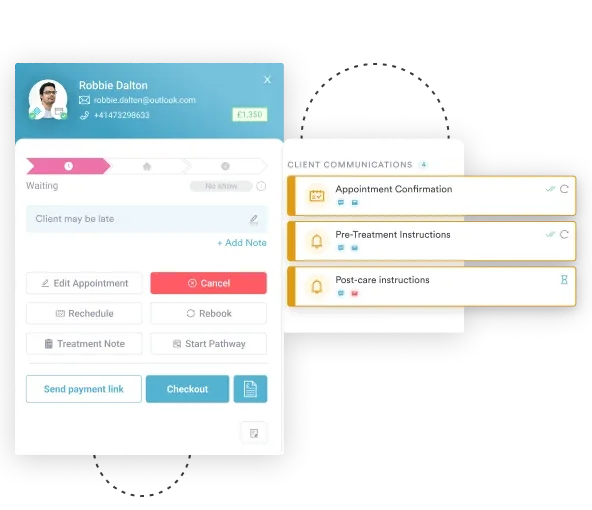
Practice management software like Pabau lets you log each session and chase home practice from the client record.
The PDF holds three ready-to-read scripts: a five-minute beginner version, a full 15 to 20 minute practice, and a difficult-emotions variant. Each one carries the traditional phrases and timed pause cues.
Download templateA metta meditation script gives you the exact words to say when you guide a client through loving-kindness practice. It keeps the phrasing consistent from one session to the next, so you’re not improvising while someone sits with their eyes closed. That matters most in therapy practices, where the same client hears the practice week after week.
This page gives you the script itself, a breakdown of the five stages, and facilitator notes for group work. The download adds three timed versions you can print and read aloud.
It also covers something the script alone won’t tell you: whether the practice is doing anything for a particular client. A two-number rating, taken before and after the meditation, answers that in about 15 seconds.
Metta is a Buddhist practice that deliberately generates warmth and goodwill toward yourself and other people. The word is Pali for loving-kindness, or friendliness.
Concentration practices ask you to watch the breath. Metta asks you to hold a person in mind and repeat a wish for their wellbeing until the feeling catches.
The practice comes from the Theravada tradition and the Karaniya Metta Sutta, the discourse on loving-kindness. Western therapists and mindfulness teachers started adapting it for secular settings around 40 years ago. It now turns up in anxiety treatment, depression relapse work, trauma recovery, and resilience training.
The practice moves outward in stages. You start with yourself, then extend the same wishes to a loved one, a neutral person, a difficult person, and finally all beings. Working in that order builds capacity, so the later stages don’t feel forced.
Here is the five-minute version in full. Read it at a slow, even pace and hold each pause for the length shown.
Resources like this pair well with telehealth software, letting remote clients complete them during virtual sessions.
The traditional phrases are short by design, so a client can hold them without effort:
Repeat the same four at every stage, swapping “I” for “you” once you direct them at someone else. You can change the wording where a different phrase lands better. Common variations include “May I know peace” and “May I be free from suffering”.
The download splits into three formats, each built for a different kind of session:
The difficult-emotions variant pairs with an interpersonal effectiveness worksheet when the conflict is live and the conversation still has to happen. Metta work softens the stance toward that person, while the DBT acronyms structure what gets said.
Print the PDF or read from your screen. Speak slowly and leave 10 to 15 seconds after each phrase so the words have somewhere to land. Store the file with the rest of your session material inside the client management system you already use.
Most of the benefit accumulates at home, between appointments.
Regular loving-kindness practice produces measurable mental health gains. The most cited evidence is a 2008 study by Fredrickson and colleagues in the Journal of Personality and Social Psychology.
It found that the practice increased positive emotions, social connection, and self-compassion while reducing depression and anxiety symptoms. The American Psychological Association has published on mindfulness-based approaches since.
The UK’s National Institute for Health and Care Excellence recommends mindfulness-based cognitive therapy for relapse prevention in depression. The recommendation applies to adults who have already had three or more depressive episodes, not to depression treatment in general.
Mindfulness-based cognitive therapy often includes loving-kindness work, though metta is only one part of it.
The NHS separately points people toward mindfulness for anxiety and everyday stress, across primary and secondary care.
Therapists, counselors, yoga teachers, and wellness practitioners fold metta scripts into standard care planning. The script sits naturally beside the clinical notes you already write after every session. It works best where a client portal hands people their recordings and notes between appointments.
One question on your intake form about previous meditation experience tells you which script length to open with. It saves a first session spent discovering that 20 minutes was too much.
Here is a simple way to see whether the practice is working. Ask the client to rate self-criticism from zero to 10 before the meditation, then again straight afterwards. Log both numbers in the session note.
After three weeks you have a short trend line rather than an impression. That is enough to decide whether to keep the script in the care plan, or change the stage you start from.
Group delivery has its own demands. These points make the biggest difference:
Group sessions usually need a group consent form on file before the first meeting. For groups with trauma histories, start with the beginner script. A client who feels unsafe generating self-compassion will find five minutes easier than 20.
Metta scripts serve therapists, counselors, yoga instructors, mindfulness teachers, life coaches, and wellness practice staff. The practice travels well across specialties:
Most practices run meditation alongside the record rather than inside it. The script lives in a folder somewhere and the reminder goes out by hand. The client’s response gets typed into a note, if there is time for it.
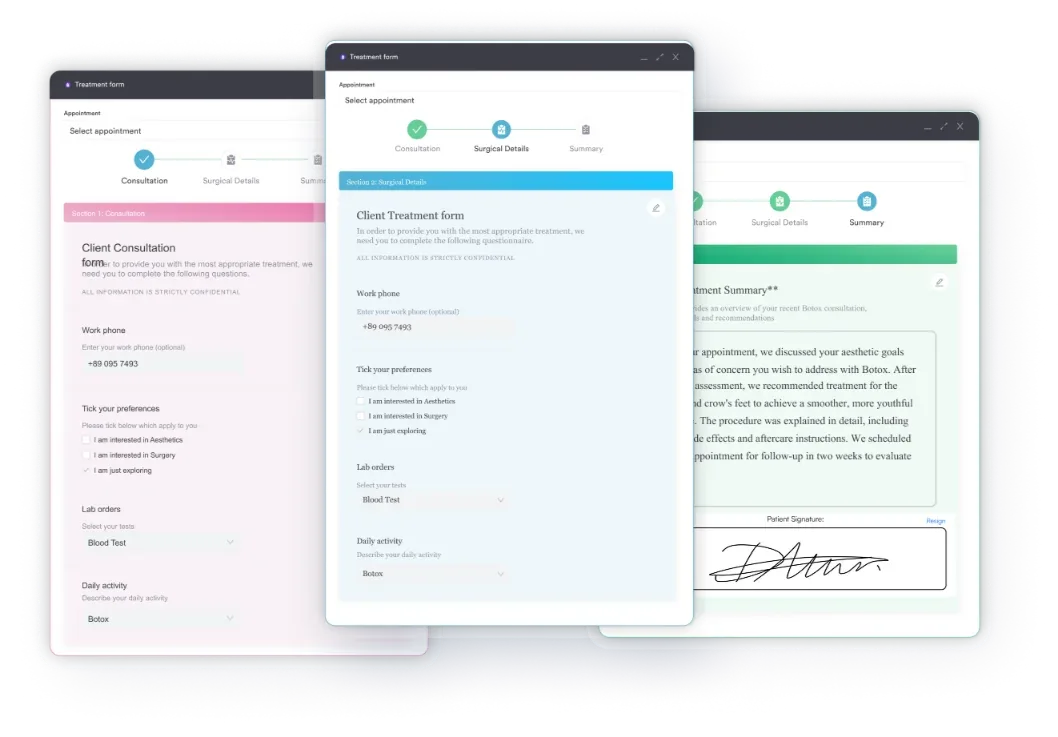
Practice management software like Pabau pulls those pieces together. You keep the script and the before-and-after rating as a digital form, so both open with the appointment. Nothing needs re-typing once the session ends.
Automated messages then handle the home practice prompt on whatever schedule you set. Reporting shows you which clients are still practicing at week four, so you can adjust the care plan on evidence instead of memory.
Pabau GO, our iOS app for practitioners, lets you write the note up between clients. The rating and the note reach the same record before you have left the room.

Keep meditation scripts, home practice reminders, and outcome ratings in one client record. Pabau’s digital forms and automated messages handle the admin between sessions.

A script is worth as much as the consistency it buys you. Read the same phrases at the same pace, week after week, and the client stops noticing your delivery and starts noticing the practice.
The trade-off worth remembering is length. The 20-minute version is the richer practice, but a client who dreads it won’t touch it at home. Start short and earn the longer version.
Pick one script, use it for three sessions, and write the ratings down. Book a demo to see how Pabau keeps those scripts, reminders, and outcome notes in one client record.

Need something for a client who dissociates mid-practice? Grounding worksheet gives you exercises that bring someone back into the room before you return to metta.
Tracking mood alongside the meditation? DBT journal gives clients a daily log that pairs well with a before-and-after rating.
Writing the session up afterwards? DAP note shows you where the meditation and the client’s response belong in the note.
Placing mindfulness inside a wider assessment? Psychiatry interview walks through the questions that surround a mindfulness recommendation.
Setting expectations before a first group? Counseling contract covers attendance, confidentiality, and what members agree to in the room.
Metta meditation is a Buddhist practice that builds loving-kindness through short phrases repeated toward yourself and others. It moves through five stages: self, a loved one, a neutral person, a difficult person, and all beings. Deliberately generating warmth is what produces the effect, and research links it to lower anxiety.
Anywhere from five minutes to about 30. Beginners and short appointments suit the five-minute version. The download also includes a 15 to 20 minute practice and a difficult-emotions variant.
Yes. The traditional set is universal, but wording a client responds to works better than wording that is technically correct. Practitioners often substitute lines such as “May I know peace” or “May I be free from fear”.
Mindfulness asks you to observe thoughts and sensations without judging them. Metta asks you to generate a feeling on purpose, through phrases and visualization. Both have evidence behind them, and metta suits self-criticism and relationship conflict particularly well.
Usually, and it is now common in trauma-informed therapy and anxiety work. Clients with severe trauma or hypervigilance need a gentler entry point. Start with the five-minute self-focused version before adding the later stages.
Read the script aloud at a slow, even pace and pause 10 to 15 seconds after each phrase. Offer alternatives for clients who prefer imagery to words. Normalize the difficulty people hit at the difficult-person stage.