Grains food list: whole vs refined grains (free PDF)
A grains food list sorts grain foods into whole and refined groups, so patients ...

3
Last Updated: Oct 20, 2026

A medical release form for minor authorizes non-parent caregivers to consent to medical treatment when parents are unavailable.
Required fields include child information, parent/guardian contact, authorized caregiver details, medical history, allergies, medications, insurance, and scope of consent.
Notarization requirements vary by state. Many states do not require notarization for private medical release forms.
Pabau’s digital intake forms let practices collect and store minor consent electronically with full audit trails and HIPAA compliance.
A ready-to-use legal document that authorizes a caregiver to treat a child under 18 when a parent is unavailable. It includes fields for medical history, insurance, and the exact scope of authorized treatment.
Download templateA medical release form for minor is a legal document that authorizes a healthcare provider to treat a child under 18. It applies when a parent or legal guardian cannot be present. The form grants a designated adult, such as a grandparent, family friend, teacher, or coach, the authority to make medical decisions for the child. This covers both emergency and routine care.
This document is critical when parents travel, work long hours, or arrange childcare through third parties. It connects a parent’s authority to immediate care, so a minor is treated without delay while consent stays properly documented.
The form also serves a compliance function. It documents parental intent and scope of consent, protecting both the child’s welfare and the provider’s legal standing. Without a signed release, providers may hesitate to treat a minor in non-emergency situations when a parent is unavailable. This holds even if the child’s condition needs immediate care.
Any parent or guardian whose child spends time away from them should complete a medical release form for their minor. Practices needing only single-visit coverage can use a shorter consent to treat minor template instead.
Common scenarios include travel, overnight stays with family, camp attendance, school trips, and regular childcare arrangements.
Healthcare providers in practices, urgent care, emergency rooms, and dental offices routinely request a medical release form for minor at intake. It streamlines the consent process and reduces liability when treating a child without a parent present.
A complete medical release form for a minor protects both parent and provider by capturing essential information upfront. Use this checklist to ensure your form covers all required fields.
Each field in the form serves a specific function.
If the authorized caregiver will also give prescribed doses, keep a separate medication administration form alongside the release. It records each dose, the time it was given, and the person who gave it.
Practices using digital intake forms can pre-populate many fields and customize scope of consent by specialty.
Complete the form methodically to ensure legal clarity and avoid delays that could hold up treatment.
A private medical release form for minor is generally legally enforceable in most US states. Enforceability depends on jurisdiction, proper execution, and scope of consent. This is different from a court-issued guardianship order, which carries stronger legal weight.
Factors that strengthen legal validity include:
According to the American Academy of Pediatrics (AAP), state statutes vary. Most recognize parental delegation of consent authority to a caregiver for the duration of a parent’s absence.
Notarization requirements vary by state. Some states, including Texas and Florida, recommend notarization to strengthen the form’s legal standing. Others do not require it. Check your state health department or court website for specifics. A notarized form is harder to challenge and carries more weight in emergencies.
HHS guidance on minor patient records recognizes that parents can delegate consent authority to non-parents, but the delegation must be clear and documented. A vague form, such as “you can take my child to the doctor,” is weaker than a specific one. A strong form names the exact treatments and dates allowed.
Grandparents: Many states explicitly recognize grandparent consent authority, particularly in custody cases or when the grandparent is the primary caregiver. A signed medical release form for a minor clarifies the scope and duration of grandparent authority. This protects the child’s access to care and limits the practice’s liability. Some states require additional documentation, such as proof of custodial relationship. Consult your state court system for specifics.
Travel: Forms used for travel should specify the travel dates, the caregiver accompanying the child, and the countries or states where consent applies. International travel may require notarization, and some countries have additional consent requirements. A US passport for a child under 16 normally needs both parents in person, or a DS-3053 statement of consent from the absent parent. Check with your destination’s health ministry before departure. For a one-off trip.
State-specific variation: Each state has different statutes governing minor consent. Texas, California, Florida, and New York have distinct rules about who can consent, notarization requirements, and scope of consent. For national organizations, use a form template that includes a jurisdiction selector or consult a healthcare attorney to ensure compliance in each operating state. The National Conference of State Legislatures (NCSL) publishes state-by-state consent law summaries.
Paper medical release forms require manual collection, scanning, filing, and retrieval. This is a slow workflow that leaves consent status unclear at the point of care. Practices using Pabau’s automated intake workflows can collect minor consent forms digitally before the appointment.
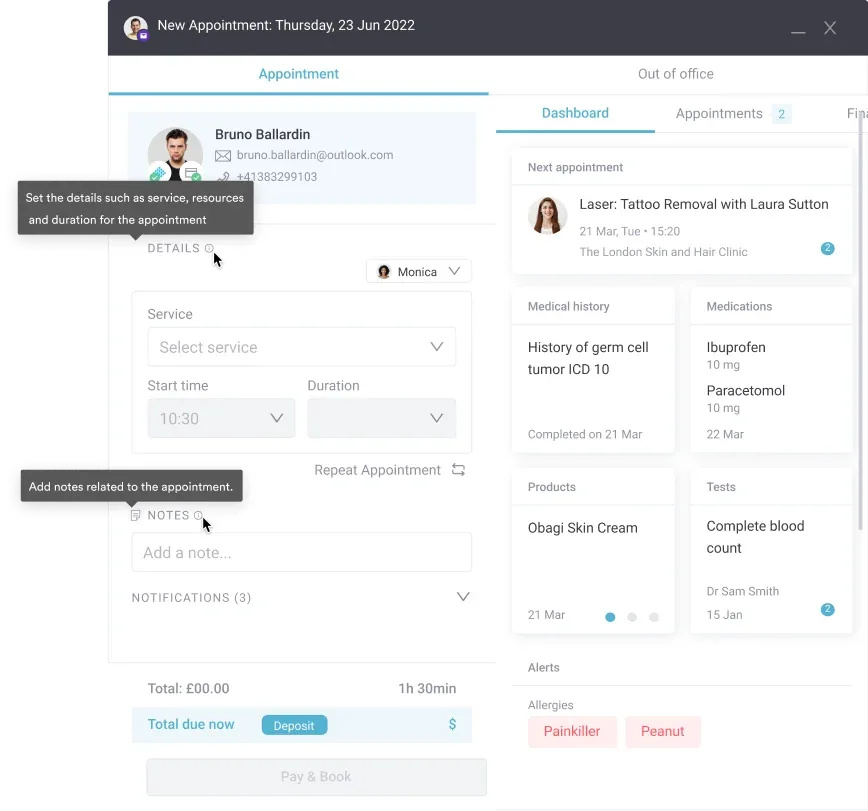
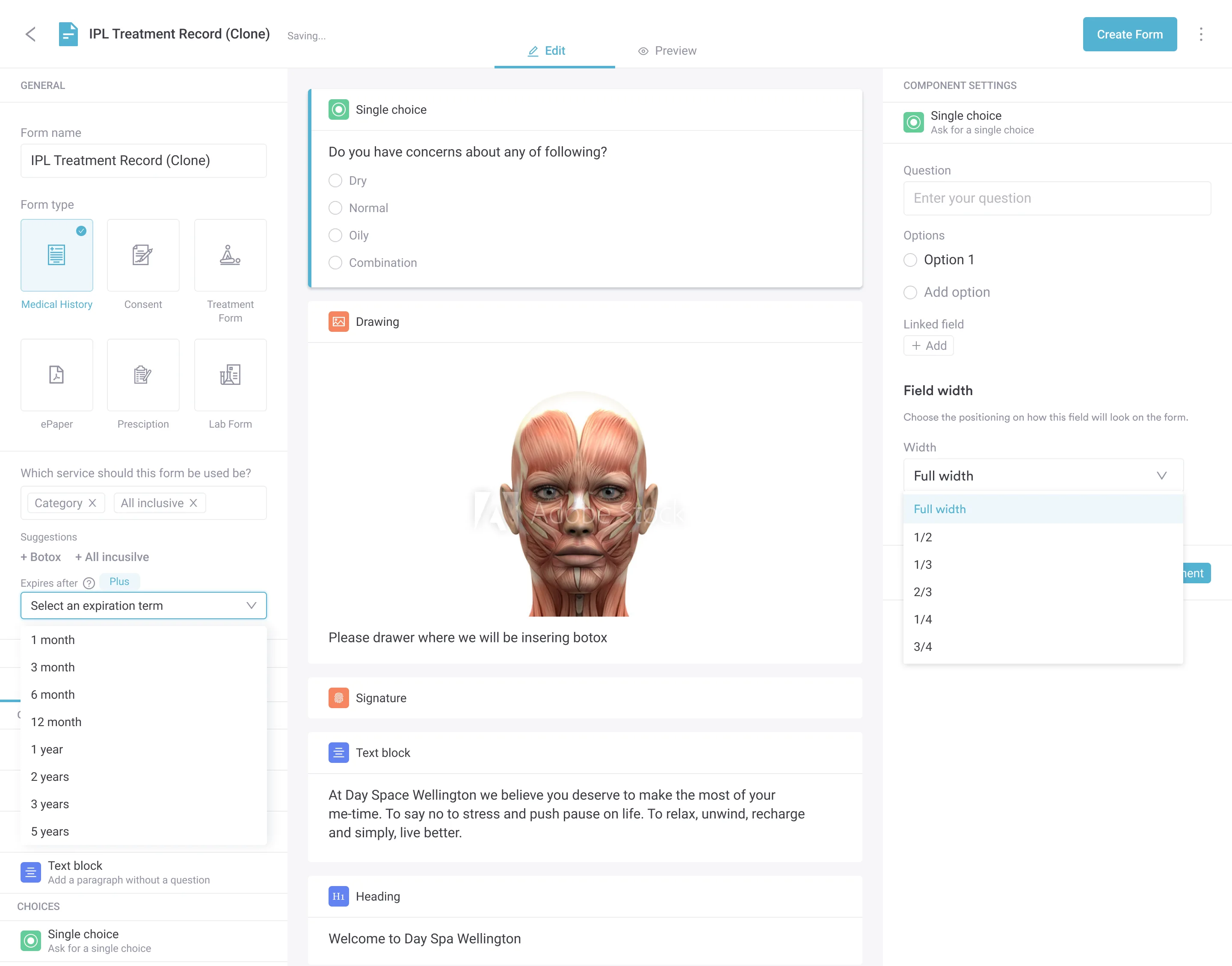
Pabau’s digital forms let parents complete the medical release form for their minor on a phone or computer before arrival. Fields pre-populate from the patient record, and parents sign electronically. The form is instantly stored against the child’s chart with a timestamp and audit trail. At check-in, staff can verify consent status in seconds, with no lost papers and no delays.
This applies to multi-location practices that treat minors often, including pediatrics, family medicine, speech therapy. For these practices, digital consent speeds up intake and keeps compliance documentation complete.

Digital intake forms mean faster check-in, automatic compliance tracking, and consent status visible at the point of care.

A properly completed medical release form for minor protects the child, empowers caregivers, and clarifies legal consent for healthcare providers. Whether you are a parent arranging childcare, a grandparent taking on caregiving duties, or an administrator managing pediatric intake, a comprehensive template keeps you compliant. It also prevents delays in emergency situations.
Practices that digitize minor consent workflows. Book a demo to see how digital consent forms streamline your practice.

Documenting care in the ICU? ICU note template gives a free systems-based note with a worked example for a readable handover.
Need a template for emergency medical care? Our emergency medical form covers the fields providers need before treating an unaccompanied minor.
Assessing a patient’s nutrition status? Imbalanced nutrition nursing care plan is a one-page form with patient details, allergies, and paired short- and long-term goals.
Caring for a patient with impaired gas exchange? Impaired gas exchange nursing care plan includes worked examples for COPD, pneumonia, and pulmonary edema.
Scoring a patient’s functional status? Karnofsky performance status scale gives the full 0-100 score table, hospice cutoffs, and space for your own assessments.
Notarization is not universally required. It depends on your state. Texas and Florida recommend it, but most other states do not legally require it for private consent forms. A notarized form is stronger evidence of the parent’s intent and harder to challenge. Check your state health department or court system for local requirements.
Yes, a grandparent can sign if they have legal custody or the parent delegates consent to them. The form must clearly state the grandparent’s authority and scope. If the grandparent is not the legal guardian, the parent must sign the form granting the grandparent consent rights.
Validity depends on what you specify in the form. For travel, set an end date matching the trip. For ongoing caregiving (e.g. a nanny or grandparent), you can write “valid until revoked in writing by the parent.” A form with no expiration date remains valid until the parent withdraws it or the child reaches the age of majority (18 in most states).
Yes, in most states a properly completed and signed medical release form for a minor is legally binding. Providers can rely on it to treat the child without parental presence. Enforceability is strongest when the form is notarized, specific about the scope of consent, and signed by the parent or legal guardian.
Generally, no. Minors cannot legally consent to treatment on their own, except in narrow circumstances like reproductive health or substance abuse treatment in some states. A medical release form for a minor, granted by the parent, is the standard way to authorize a non-parent caregiver. It lets that caregiver make treatment decisions in the parent’s absence.