Reflection questions: 14 examples and a free template
Reflection questions are open-ended prompts that guide a person through structur...

7
Last Updated: Oct 16, 2026

A life goal planner is a structured template for defining, organizing, and tracking goals across every area of your life.
Writing goals down made people 42% more likely to achieve them in Dominican University research.
Eight core life areas keep planning balanced, from health and career through to relationships, finances, and personal growth.
Practitioners can co-create goals with a client in session, then track progress in the client record between appointments.
A goal-setting workbook with a SMART goal page for each of the eight life areas. It also includes action steps, milestone dates, and review pages for your weekly, monthly, and quarterly check-ins.
Download templateA life goal planner is a template that turns loose ambitions into dated, measurable goals across every area of your life. Fill it out on your own, or work through it with a client during a session.
Coaches and therapists use the same worksheet with clients, then store each plan in their coaching client management system between sessions. This guide covers what belongs in the planner, how to fill it out, and how often to review it.
A life goal planner is a structured worksheet that walks you through goal setting one life area at a time. It converts a vague wish into a specific target. “I want to be healthier” becomes “exercise three times a week for 12 weeks, then move to four”.
Most versions give each goal four elements. You define the goal, list the action steps under it, set a timeline, and mark progress checkpoints. That structure is what separates a planner from a wish list.
It works on two fronts, clarity and accountability. Once a goal is written down, it becomes a commitment you can check yourself against. Participants in the Dominican University study who wrote their goals down were 42% more likely to achieve them than those who did not.
A complete planner covers eight domains, so a strong year at work does not quietly cost you your health or your relationships.
The workflow takes about an hour the first time, and 15 minutes a week after that.
Practitioners running this with clients need somewhere for the output to live. Client record tracking keeps every version of a plan, so you can hold month three up against month one.
Four groups get the most out of it, for fairly different reasons.
Personal development goals are harder to plan than professional ones, because nobody else is holding the deadline.
For therapists, coaches, and functional medicine doctors, the worksheet sits between assessment and action. It puts you in the position of helping someone design what comes next, rather than only naming what is wrong now. Where it fits into your therapy practice management routine matters more than which template you print.
The same life area can score differently depending on who rates it, and your read can sit a point or two off the client’s. Rather than averaging the two numbers, pick a few prompts from a list of 100 therapy questions and let the client’s answers settle it.
Adding the same rating questions to your standard intake questionnaire gets you the baseline before the client walks in. That buys back most of the first session.
In most practices, goal setting runs on paper. The client fills in a worksheet during the appointment, takes it home, and nobody sees it again until someone thinks to ask about it. The review cadence that makes the planner work is the first thing to slip.
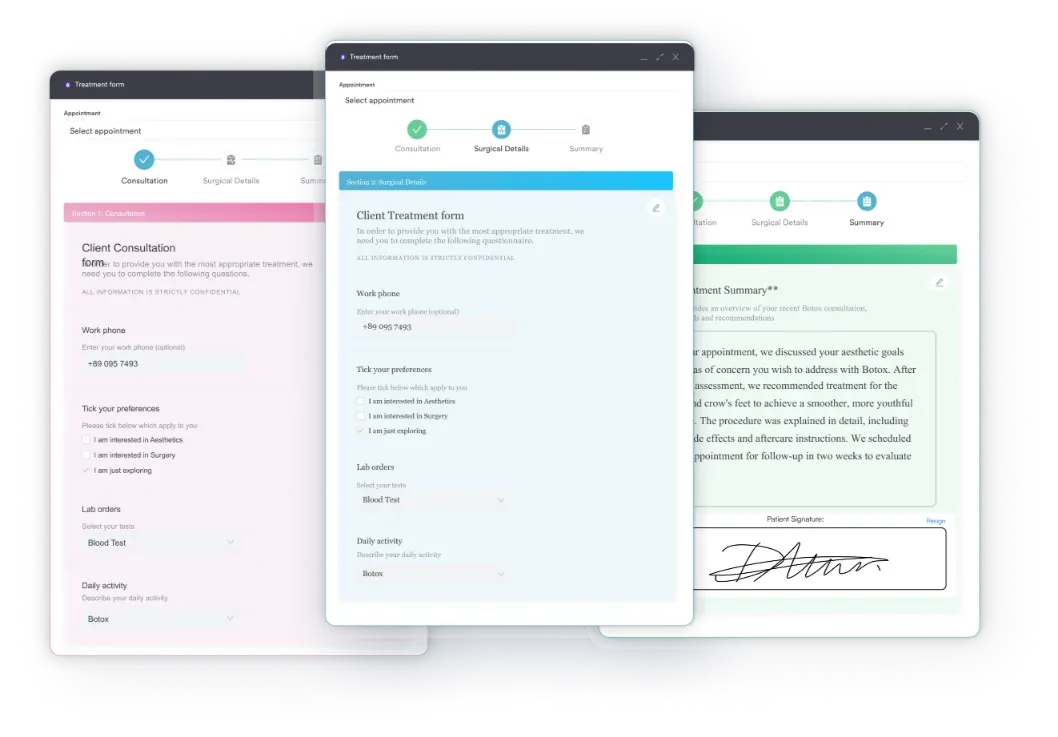
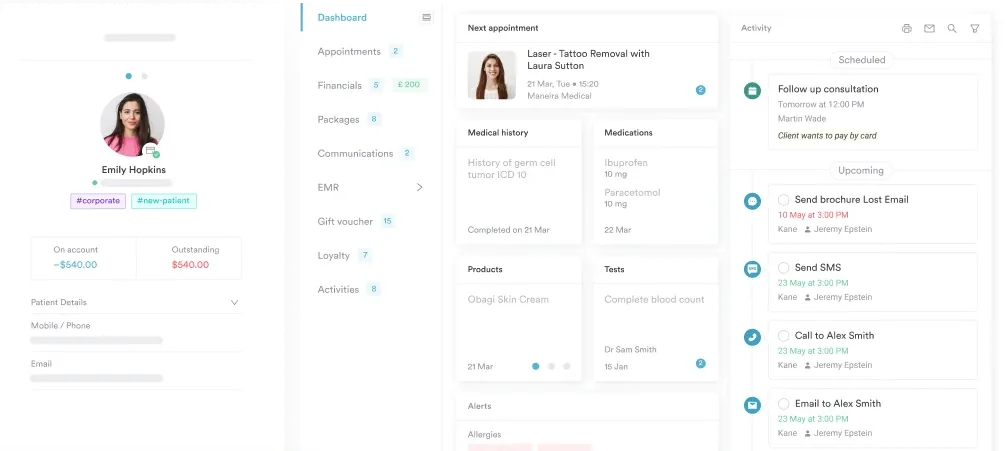
In Pabau, you build the planner as a digital form and send it out before the appointment. The answers land straight in the client record, so the session starts from something you have both already read. Every review after that is filed in the same timeline as the notes and appointments.
Clients can update their own progress through the client portal between visits. You can see which goals moved and which stalled before they arrive, and open the conversation there instead of spending 10 minutes catching up.

Pabau’s digital forms and client portal let clients set goals with you, then update their progress between appointments. Every review is filed in the client record, so you can show what changed over six months without hunting for paper.

The planner earns its keep in the review, not in the writing. A page of SMART goals filled in during January and never reopened changes nothing about the year.
So set the review dates before you set the goals. Weekly for actions, monthly for milestones, and quarterly for whether the goal still deserves the effort. If you are doing this with clients, those dates belong in your schedule as well as theirs.
One caveat worth remembering: Eight areas at once is a lot for anybody. Three goals you genuinely review will beat 16 you wrote down once. Book a demo to see how Pabau keeps client goal plans and their progress in one record.

Client goals stalling on the same thought? The thinking traps worksheet helps you name the pattern before you rewrite the action steps around it.
Working on the relationships area? The social connectedness scale gives you a baseline score you can run again at the quarterly review.
Building a habit rather than hitting a target? The classical conditioning worksheet maps the cues and rewards behind the behavior you are trying to change.
Want to measure a client’s sense of hope? adult hope scale is a 12-item questionnaire that scores hope through agency and pathways subscales.
Need to understand a behavior before you set a goal? A functional behavior assessment documents the triggers and consequences that keep a plan grounded.
A page for each of the eight life areas, with room for one to three SMART goals in each. You also need action steps under every goal, milestone dates, and review pages for the weekly, monthly, and quarterly check-ins.
Start from what you would regret not doing this year, working through one life area at a time. Then convert each answer into a SMART goal that is specific, measurable, achievable, relevant to your values, and time-bound. Aim for one to three goals per area.
Review your actions weekly, which takes about 15 minutes. Check milestone progress monthly and adjust your effort from there. Every quarter, ask whether each goal still fits your circumstances. Once a year, run the full rewrite.
Yes. Therapists, coaches, and wellness practitioners use goal planners as session tools. Co-create the goals during the appointment, track progress in a shared portal, and measure outcomes against what the client said they wanted.
A daily planner holds this week’s tasks and appointments. A life goal planner works in months and years, then breaks each goal down into milestones. Used together, the planner sets your direction and the diary handles the day.