Antipsychotic medication list
An antipsychotic medication list is a structured reference that organizes psychi...

2
Last Updated: Oct 13, 2026

A kindness worksheet gives a client a short list of kind actions to complete between sessions, then reflect on.
The free download on this page holds 10 guided activities and one closing reflection prompt.
Kindness practice has been linked to lower cortisol and steadier stress recovery, which makes it a useful companion to talk therapy.
Clients skip the self-kindness activity far more often than the outward ones, so treat a blank line as information.
Practice management software like Pabau lets you assign the sheet, chase the stragglers, and file every response in the client record.
A printable worksheet listing 10 guided acts of kindness, with room to record how each one felt. It closes with a single reflection on how the week changed your client’s mood and relationships.
Download templateTell a client to be kinder to themselves and most will nod, then do nothing. The instruction is too vague to act on. That is especially true for someone whose default setting is self-criticism.
A kindness worksheet fixes that by naming the actions. The free version above lists 10 small things a client can try during the week, from writing a thank-you note to giving themselves a break. Each one has room to record how it landed.
Handing the sheet over is the easy part. Getting it back completed takes a little setup, and that is where most of the work sits.
A kindness worksheet is a structured sheet that asks someone to perform specific kind acts, then reflect on what changed. It turns a broad therapeutic goal into a short list of tasks with a deadline attached.
Therapists, counselors, school staff, and wellness coaches use it alongside talk therapy. The sheet works between appointments, which is where most of a client’s week happens anyway. It also gives you a concrete opening for the next session, instead of “so, how was your week?”
The format overlaps with other homework tools, and the difference is worth knowing. A thought record worksheet targets distorted thinking, while a kindness sheet targets behavior. Plenty of clients take to one and stall on the other, so trying both tells you something useful.
Kindness works as more than a social nicety. It is a skill, and practicing it gives someone repeated, low-stakes reps at regulating emotion. Four benefits come up again and again in the research.
In schools, the same practice sits inside social and emotional learning, or SEL. Most US districts follow the framework published by the Collaborative for Academic, Social, and Emotional Learning. Structured practice sits at the center of it.
The file is a single printable sheet. Name and date fields sit at the top, followed by the objective and short instructions. Below that sits a table of 10 numbered activities, each with room to reflect. Here is how those activities group together.
The sheet ends with one overall reflection on how the week affected mood, relationships, and outlook. Instructions say a client can work through it alone or in a group, at their own pace.
Worth knowing before you assign it: other kindness tools go further than this one. A self-compassion break, a loving-kindness script, or a values exercise can all sit alongside the sheet. None of them are in this download, so bring your own if a client needs them.
Most of the value comes from the conversation on either side of the sheet, not the sheet itself. These five steps keep that conversation on track.
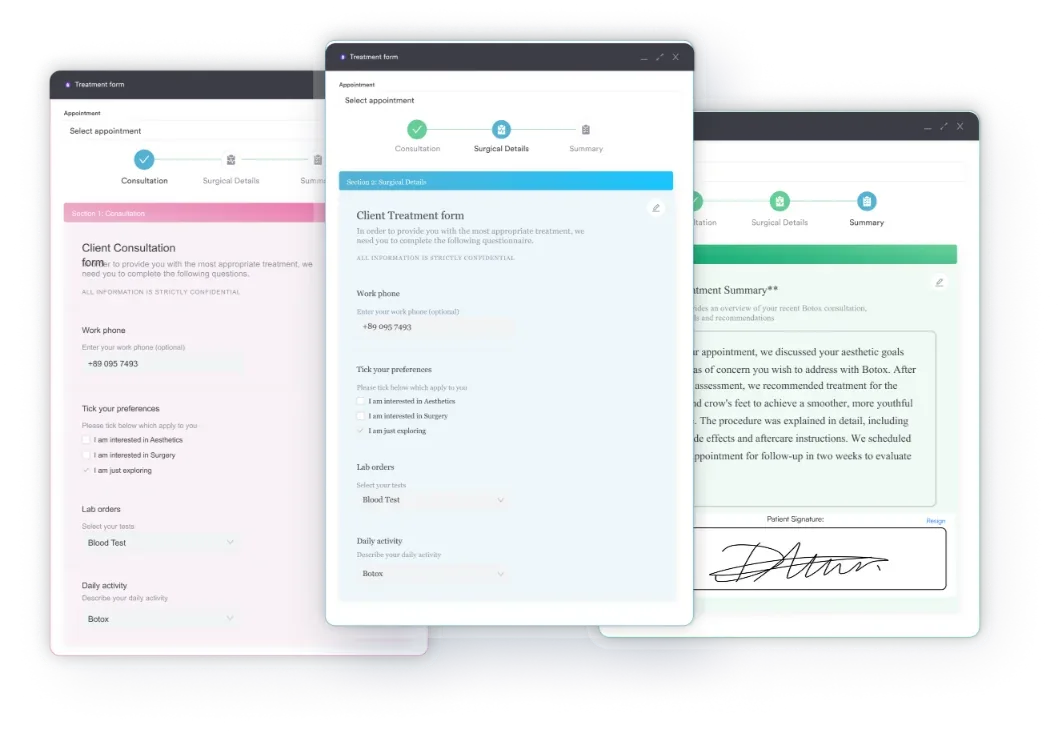
Sending the sheet as a digital form removes a step for the client. They complete it on a phone, and you get the answers back without chasing a photo of a crumpled page.
Run through four quick checks in the room:
Ask the client to pick three activities before they leave the room, and to write the day they will do each one. A sheet that goes home with dates already on it comes back far more often than a blank one.
Three mistakes account for most failed handovers. Volume is the first one, because 10 activities in a single week reads as a chore rather than an experiment. Next comes reading a blank sheet as non-compliance, when it usually signals shame or fatigue.
Last is the missing debrief. If the sheet comes back and nobody discusses it, the client learns the homework did not matter. Ten minutes at the top of the next session fixes that.
Clients who know what they should be doing but cannot start are the strongest fit. That usually means perfectionism, shame, or a long habit of self-criticism. The sheet gives them a way in that does not require insight first.
Beyond that, it travels well across settings:
Two situations call for something else. A client in acute distress needs a safety plan rather than a homework sheet. Where the distress shows up mainly in the body, somatic experiencing exercises tend to land better first.
Activity 10 is the one that comes back empty. Doing something kind for a stranger is far easier than doing something kind for yourself, especially after a failure or a rejection.
When that line is blank, treat it as information rather than laziness. Self-criticism is usually doing a job for the client. It might be holding standards high, or keeping disappointment at arm’s length, and naming that job is more useful than pushing harder.
This is where a fuller protocol earns its place. An inner-critic audit, prompts for rewriting harsh self-talk, and a guided script all go deeper than this sheet does.
Build those in session, then let the worksheet keep the practice ticking over during the week. The self-compassion research behind this work also publishes free guided practices you can adapt.
A secure client portal helps here too. The client can pull up whatever you wrote together whenever the critic starts up, without booking an appointment to do it.
Plenty of practices print the sheet, hand it over, and hope for the best. The completed copy comes back as a phone photo, or it never arrives. Notes about it end up in a separate write-up, so nobody can see completion rates across a caseload.
Practice management software like Pabau closes that loop. You send the worksheet as a digital form before or after an appointment, and the client fills it in on their phone. Answers drop straight into the client record, so nothing needs re-typing.
That one change lifts return rates more than any amount of encouragement in the room. It also saves your front desk a round of phone calls.
The setup is the same whether you run a therapy practice or a psychology caseload. A supervisor can pull completion figures for the whole team in a few clicks, so nobody spends an afternoon counting paper.
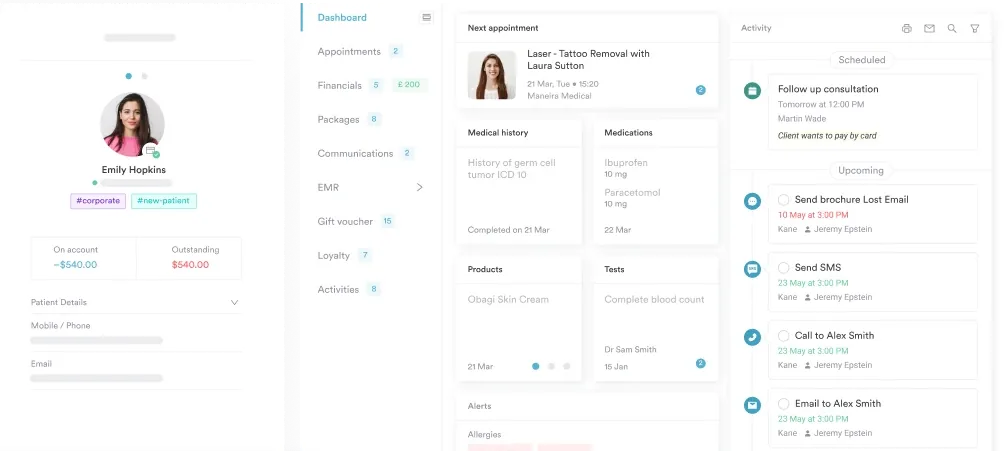

Assign the kindness worksheet as a digital form, then remind whoever has not finished. Every response lands in the same record as your session notes.

The sheet is only as good as the conversation it starts. Ten kind acts will not undo a long-standing self-critical pattern on their own. What they will do is give a client a week of behavior to report on, and give you something specific to work with.
So set the bar low on purpose. Two activities done and honestly reflected on beats 10 boxes ticked in the waiting room. Even a blank sheet tells you where the resistance sits.
The loop around the sheet is what deserves the investment. Getting it out, getting it back, and keeping it on file all take a system. Book a demo to see how Pabau assigns worksheets, chases the stragglers, and stores every response in the client record.

Want a second between-session tool for the same client? Wellness wheel worksheet scores eight life areas, so you can see which one to work on next.
Running kindness work with students? Devereux student strengths assessment measures social and emotional strengths, which pairs neatly with classroom kindness activities.
Need a whole-person check before you assign homework? Health triangle worksheet covers physical, mental, and social health, and comes with a scoring key.
Working with clients as a coach too? Coaching management software compares seven UK coaching platforms using consistent evaluation criteria.
Helping someone who feels stretched in every direction? Life balance wheel maps eight domains from 1 to 10, so the conversation starts with numbers.
No. A gratitude journal records what someone already appreciates. A kindness worksheet asks them to do something new, then reflect on it. Gratitude work is internal and kindness work is behavioral, so the two pair well in the same treatment plan.
About a week for most people. The sheet suggests spreading the 10 activities across seven days, though a client can go slower. Each activity takes a few minutes, and the closing reflection adds another five to ten.
Yes. The instructions allow the sheet to be completed alone or with a group. For group work, assign the same two or three activities to everyone. The closing reflection then becomes your discussion prompt in the following session.
The wording is written for adults, and this file has no age-tiered versions. Younger clients usually need the activities read aloud and simplified. For classroom use, pick three or four items and swap the written reflection for a drawing.
Kindness points outward at other people. Self-compassion points inward, and it means treating yourself the way you would treat a friend having a hard day. Most clients find the outward half much easier, which is why the sheet covers both.