Getting along with siblings worksheet
A getting along with siblings worksheet is a printable that helps children and t...

2
Last Updated: Oct 23, 2026

An identity worksheet gives clients a structured way to describe their values, interests, strengths, goals, and cultural background.
Our free template runs to three pages, seven sections, and around 20 open written prompts.
The values section asks for three core values, the experiences behind them, and how they guide everyday decisions.
Use it at intake to set a baseline, then bring it back mid-treatment to see what has shifted.
Practice management software like Pabau keeps the completed worksheet in the client record, so progress stays visible between sessions.
A three-page self-reflection form covering personal information, values and beliefs, interests and hobbies, strengths and weaknesses, goals, cultural identity, and self-reflection. Around 20 open prompts, plus a page for additional notes.
Download templateClients can usually describe their symptoms and their week. Ask them what they value, or what they are good at, and you tend to get a long pause. An identity worksheet gives that question a structure they can work through in writing.
This page explains what our free identity worksheet contains, how to introduce it, and what to do with the answers. The template is a three-page PDF with seven sections and around 20 open prompts.
It suits counseling, psychology, coaching, and mental health practices working with adults or adolescents. Nothing in it assumes a particular therapeutic model.
An identity worksheet is a structured self-exploration form that helps clients put words to parts of themselves they rarely describe out loud. Tools such as the University of Toronto’s social identity wheel work the same way. The client names what they carry, then notices which parts feel loudest.
The value sits in the writing, not the form. Clients answer open prompts about values, interests, strengths, goals, and culture, then read their own answers back. Patterns show up quickly, and so do the contradictions worth a conversation.
The template runs to three pages and seven sections. Each section carries three open prompts. The personal information page also collects a name and age, and the last page leaves room for additional notes.
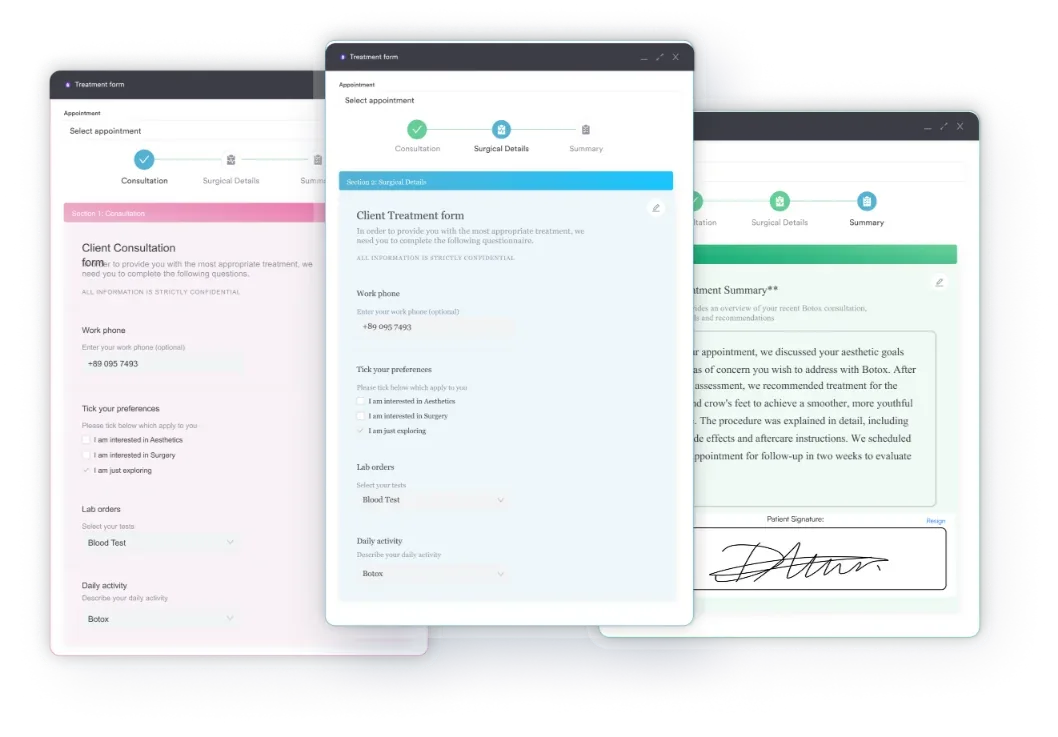
Print the PDF as it stands, or rebuild the same prompts as a digital form. Practice management software like Pabau sends the worksheet out ahead of the first session as a digital intake form. Clients then arrive with their answers already written.
Identity work asks clients to be candid on paper, so the setup matters as much as the prompts. Keep a grounding worksheet on hand in case a question unsettles someone.
Many practitioners hand the worksheet out at intake to set a baseline. Others bring it back three or six months in, then put the two versions side by side and ask the client what changed.
The worksheet is deliberately model-neutral, so it fits alongside most approaches. It’s also useful outside the therapy room, in supervision or in staff development.
A standard set of prompts means every client answers the same questions, which makes the second reading meaningful. You’re comparing like with like rather than two different conversations.
Values sit at the center of most identity work. The template asks for three core values rather than a long list. That limit forces a choice, and the choice itself is worth discussing.
Two follow-up prompts do the heavy lifting. One asks which life experiences shaped those beliefs. The other asks how the values guide decision-making, which moves the client from naming a value to showing where it operates.
The worksheet does not ask clients to score how well they live by each value. That comparison lands better out loud. A client who names authenticity, then describes a decision made to manage someone else’s opinion, has handed you the session’s material.
Adults can usually work through all seven sections in one sitting. The cultural identity and self-reflection pages tend to produce the richest answers, simply because there is more history to draw on.
Adolescents do better with a shorter form. Keep personal information, interests, strengths, and goals, and simplify the prompts about worldview. If a blank page stalls a teenager, ask them to talk while you write.
Both groups benefit from mental health records kept in one place. The worksheet then sits with the session notes, rather than in a separate folder of scanned PDFs.
Identity work appears across orientations, though the lens differs. Cognitive behavioral therapists use the answers to spot unhelpful beliefs about the self. Psychodynamic practitioners read the shaping-experiences prompt closely.
Humanistic and person-centered practitioners tend to stay with the values and self-reflection pages, where the client’s own language does most of the work. Whatever the model, the worksheet gives clinician and client the same set of words to work from.
Coaches and psychology practices often use the goals section as a bridge. The client names a value on page one, then commits to an action on page two. A coaching intake form can cover the practical setup at sign-up, which leaves this worksheet free for reflection.
A completed identity worksheet is client self-report. Record it that way. It supports your formulation, and it should never be written up as a score or a diagnostic finding.
Store it with the rest of the client file rather than in a separate folder. Note the date it was completed and the date you reviewed it together, so a later reader can see what informed the treatment plan.
Identity prompts can surface sensitive material about culture, gender, and family. Handle the answers under the same confidentiality and access rules as your clinical notes. Tell clients where the worksheet will be kept before they fill it in. Your counseling contract is a good place to set that out.
Most practices still run worksheets on paper. The form gets printed, filled in, and scanned if someone remembers. Six months later nobody can find the three values the client wrote down at intake.
Pabau rebuilds the worksheet as a digital form you send before the appointment. Clients complete it on their phone, and the answers land in the right client record on their own. Nothing to scan, and nothing to file.
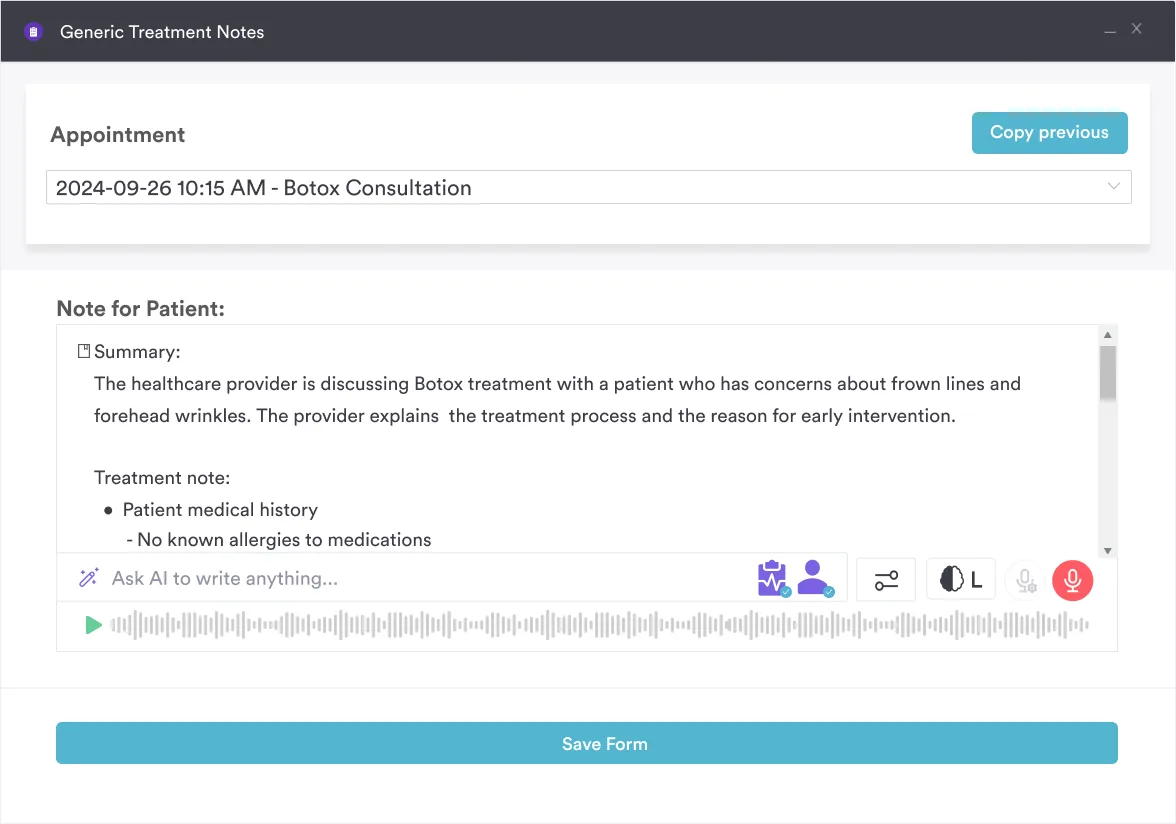
From there you can pull the original answers into a later note, or send the same form again after three months and compare. Pabau Scribe, our AI scribe, drafts the note while you talk, so the comparison happens in conversation rather than in typing time.
The result is a longitudinal record of how a client’s self-description changes, kept in one place and available in the room. That’s the part a paper worksheet can’t give you.

Pabau turns the identity worksheet into a digital form clients complete before the session. Answers file straight into the client record, so self-reflection work stays visible at every appointment.

The identity worksheet earns its place because it is slow. Clients write down things they would talk around in session, and you end up with their own words to work from.
Keep expectations honest about what it does. Three pages of prompts won’t settle an identity question, and the answers only capture one afternoon. Treat the worksheet as an opening move, and plan to revisit it.
Download the template, try it with two or three clients this month, and watch which prompts make them stop. Book a demo to see how Pabau keeps completed worksheets and session notes in one client record.

Working with adolescents? Adolescent intake questionnaire covers the history and risk questions worth asking before identity work begins.
Need a first-session form? Adult counseling intake form collects presenting concerns, history, and consent, so the identity worksheet can stay reflective.
Ready to turn insight into action? Change plan worksheet takes a client from a stated value to a dated, specific commitment.
Weighing a decision with a client? Cost-benefit analysis therapy worksheet maps the pull of each option when two values conflict.
Writing the session up afterwards? Progress notes for psychotherapy shows how to record self-reflection work without over-quoting the client.
It helps clients describe their values, interests, strengths, goals, and cultural background in their own words. The written answers give you a baseline for formulation, and give the client language for things they have never named.
Frame it as self-discovery rather than a test. Work through the first prompt together, allow 20 to 40 minutes for the rest, then review the answers with the client and look for patterns.
Yes, with adjustments. Adults can usually complete all seven sections in one sitting. For teens, shorten the form and focus on interests, strengths, and goals rather than abstract prompts about worldview.
Our template has seven sections: personal information, values and beliefs, interests and hobbies, strength and weaknesses, goals and aspirations, cultural identity, and self-reflection. That comes to around 20 open prompts across three pages, plus a page for additional notes.
Writing it down makes it specific. A client who names three values, then describes the decisions those values drive, can see where daily choices and stated priorities diverge. That difference is usually where the useful work sits.