Facial skin treatment consent form template: Microneedling and phi-ion
A facial skin treatment consent form is the signed proof that a patient was scre...

2
Last Updated: Oct 21, 2026

HIFU heats the deeper layers of skin, so most of the collagen response happens in the weeks after treatment.
Redness, swelling, and tenderness for 24 to 72 hours are normal, and most patients need no downtime.
Day one rules are short. Skip heat, makeup, and active skincare, then apply SPF 30 or higher.
Sun protection is the one step that protects new collagen, so keep patients on it for at least two weeks.
Written instructions plus timed reminders beat a verbal handover, because patients forget most of what they hear in the room.
A ready-to-print patient handout covering the first 24 hours and week one. It sets out safe skincare, heat and sun restrictions, and the red flags that need a call. Hand it to every patient as they leave the treatment room.
Download templateYour patient leaves glowing, then messages you at 9pm asking why one cheek still feels tender. Nine times out of ten the answer lies in aftercare rather than the treatment itself. HIFU keeps working for weeks after the probe comes off, and what happens at home decides how much lift the patient keeps.
Most practices still deliver aftercare verbally, in the two minutes it takes to walk someone to reception. Details drop out fast, and patients fill the space with whatever Google offers. A written plan, handed over at the door and repeated by text, closes that loop.
HIFU, or high-intensity focused ultrasound, sends energy past the surface of the skin into the deeper support layer. The usual target is the superficial musculoaponeurotic system, known as the SMAS, at roughly 4.5mm depth. Heat at that depth injures the tissue on purpose. Fibroblasts respond by laying down fresh collagen.
Because the energy skips the epidermis, there is no wound to dress and no scab to protect. That is what makes HIFU a no-downtime lift. It also means the aftercare looks very different from resurfacing recovery, so teams in a busy laser practice should keep the two protocols clearly separate.
The appointment itself runs 30 to 60 minutes, depending on the area treated. Collagen remodeling then continues for weeks. Hydration, daily sun protection, and time away from inflammatory triggers all feed that process. The handout therefore matters as much as the settings on the device.
Mild to moderate redness, swelling, and tenderness are normal for 24 to 72 hours. That is an inflammatory response to heat rather than a complication. Say so in the room, before the patient has a chance to worry about it at home.
Practices running pre- and post-care automation in practice management software like Pabau send that list by text before the swelling even starts. Fewer patients call on day two, because the answer already arrived on their phone.
Day one is the highest-risk window, so keep the instructions blunt and short. Six rules cover almost every question a patient will have before bed.
Patient compliance climbs when the reminder is tied to the clock rather than to a leaflet. A text at two hours saying “time for a cool compress” lands far better than a sheet folded into a handbag.
By the second day most redness has faded and patients feel comfortable going out. The skin is still repairing underneath, though, so the rules loosen rather than disappear.
Once the first week is behind them, patients move into the collagen-building phase. Very little is off limits now. What they do daily matters more than what they avoid.
This table answers the questions patients ask most often. Print it alongside the template and you have covered the first week on one page.
Point patients toward ingredient categories rather than brands. That way the advice still works when they run out of their usual serum and grab something else on the way home.
Everything else waits a week, including vitamin A derivatives, AHAs, BHAs, benzoyl peroxide, and any harsh cleanser. Consistent before-and-after photography is what proves the point to a skeptical patient, because they can see what careful aftercare bought them.
Most of the advice above holds wherever you treat. Two areas behave differently enough to need their own lines on the handout.
Periocular skin is thinner and reacts more, so the standard advice needs tightening. Keep eye makeup off for 48 hours, until redness and puffiness have gone. Apply cool compresses carefully, and never ice.
Sunscreen goes around the eye rather than on the lid, so recommend a dedicated eye SPF. Gentle eye cream can return after a day. Swelling here often lasts three to five days, so say that upfront.
The same protocol applies below the jawline, with one addition. Looser skin and slower lymphatic drainage mean more swelling, often for five to seven days. Warn patients so they do not read it as a problem.
Ask for loose clothing and no fabric rubbing the treated area for 48 hours. Elevating the area helps too, so a patient who has had calf treatment should rest with their legs up that evening.
Give patients a short list of symptoms worth a phone call, and an obvious way to make it. Clear patient communication catches the rare complication early, and it stops the common ones turning into panic.
One practical detail matters here. Patients rarely call the main line at 9pm. A reply-to text or a portal message gets used instead, which is the practical side of patient engagement.
Nothing dramatic happens in week one, and patients need to hear that before they leave. HIFU builds collagen slowly, so the timeline below is the most useful thing you can set out for them.
Most patients need only one session to see a difference. A maintenance treatment 12 to 18 months later prolongs the lifted, firmer result. That conversation is far easier when the recall lands on time. An aesthetic practice repeating a treatment needs the last settings recorded, not remembered.
The handout only works if the handover does. Run these five checks while the patient is still in the chair, and most follow-up problems disappear.
Three patterns come up again and again. Patients restart actives too early, because seven days feels like a suggestion rather than a rule. They also confuse “no downtime” with “no aftercare”, so heat and sun creep back in on day two.
The third is on us. Verbal instructions given at reception, while the patient is paying and putting a coat on, land badly. Write them down, then repeat the key steps by message at the hour each one applies.

In most practices the aftercare sits in three places at once. Instructions live in a leaflet, consent lives in a folder, and nobody can say for certain whether the patient read either one. When a result underwhelms at month three, there is no record to look back at.
Digital forms collect consent, contraindications, and the aftercare acknowledgement before the patient stands up. Each signed copy files itself against the client record. The patient portal then holds the handout where they can find it at 10pm, without digging through a bag.
Timing is where the automation earns its place. SMS and email campaigns cover cool compresses at two hours, light makeup at 48 hours, and the maintenance slot at month 12. Anyone who never opens theirs gets flagged, so your front desk chases four people instead of forty.
The pattern is familiar to any skin practice that has gone paperless. One London skin practice swapped physical consent forms for digital ones. Automated reminders then took over the chasing, so the team could treat instead of file.
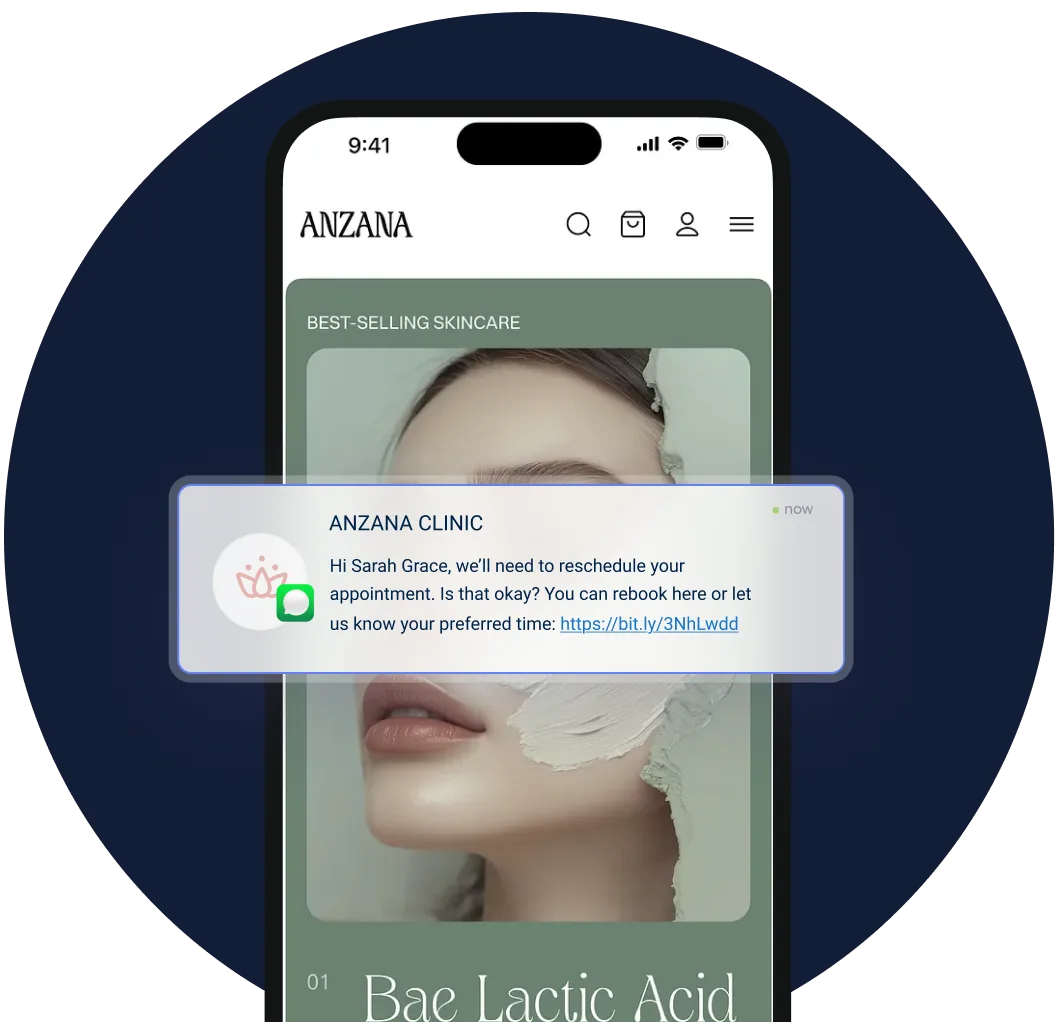

Pabau sends timed aftercare messages, stores the signed acknowledgement against the client record, and books the maintenance visit at month 12. Your team stops repeating itself and starts seeing better week-one compliance.

HIFU aftercare comes down to three habits. Keep the heat down, keep the actives off, and keep the sunscreen on. The clinical side is genuinely simple, which is easy to forget when a nervous patient is asking about swelling.
Consistency is the harder part, because it rests on what someone remembers three days later. Print the template, hand it over at the door, and let a message repeat each step at the hour it applies. Day-two phone calls drop, month-three photos look better, and maintenance slots start filling themselves.
Aftercare is one of the cheapest ways to protect a result you have already delivered. Book a demo to see how Pabau sends HIFU aftercare, tracks who acknowledged it, and books the maintenance visit for you.

Need another aftercare handout? Silikon 1000 aftercare instructions gives you a ready-made template for a permanent injectable.
Running surgical recovery too? The SAFELipo aftercare template pairs the consent form with post-procedure instructions in one document.
Offering cryotherapy alongside HIFU? The cryotherapy aftercare guide walks through the recovery window and includes a free template.
Assessing risk for a different injectable treatment? silicone injections clinical template covers history screening, contraindication assessment, complication risk factors, and incident documentation for practitioners.
Need a consent form for dermal filler treatment? Teoxane consent form covers contraindication screening, risk disclosures, and pre- and post-treatment care instructions for practitioners.
Not straight away. Keep waxing, threading, and laser hair removal off the treated area for about two weeks. Both pull at skin that is still settling, or add heat it does not need.
Many practices leave two to four weeks between HIFU and injectables like toxin or filler. Swelling needs time to settle first, so you can judge the lift honestly before adding volume.
Skip facial steaming, extractions, and firm massage for 48 hours. A gentle hydrating facial is usually fine from around three weeks, once the skin has fully calmed down.
On the first day, yes. Very hot drinks and spicy food can flush treated skin and make swelling feel worse. Lukewarm is the simpler instruction to give.
Yes. Smoking narrows small blood vessels and slows collagen production, so the lift can look weaker. Ask patients to cut back for the first week at least.
Give it about a week before pools and hot tubs. Chlorine irritates skin that is still recovering, and hot water adds heat the area does not need.