What state has the most plastic surgery per capita? America’s cosmetic map in 20 numbers
What state has the most plastic surgery per capita? Florida is America’s p...

Last Updated: Oct 16, 2026

SAFELipo® is a three-step body contouring technique — separation, aspiration, and fat equalization — designed to reduce contour irregularities compared to traditional liposuction.
This technique was originally developed for revision liposuction to correct uneven results, making it ideal for patients seeking smooth, natural-looking outcomes.
Practices using Pabau can centralize SAFELipo® patient management, capturing consent, before-and-after photos, and outcome data in one platform instead of juggling manual processes.
Recovery to full normal activities typically takes 4-6 weeks, with compression garment use and swelling management essential for optimal contouring results.
A ready-to-use aftercare guide covering post-operative recovery, activity restrictions, compression garment use, swelling timeline, and follow-up care protocols for SAFELipo® patients.
Download templateSAFELipo® is transforming how aesthetic practitioners deliver body contouring results. This guide explains the technique and shows how to integrate SAFELipo® documentation into your practice management workflow. It also provides downloadable templates to standardize patient consent and aftercare guidance.
SAFELipo® is a proprietary three-step body contouring system developed by Dr. Simeon Wall Jr. at The Wall Center for Plastic Surgery. Traditional liposuction removes fat in a single pass. SAFELipo® instead separates fat cells before removal, aspirates them in a controlled manner, and uses local fat grafting to equalize contours. The result is smoother, more refined outcomes.
The technique was specifically designed to address the most common complaint about traditional liposuction: Contour irregularities and uneven results. By incorporating a fat-grafting step into the process itself, SAFELipo® practitioners create more natural transitions between treated and untreated areas.
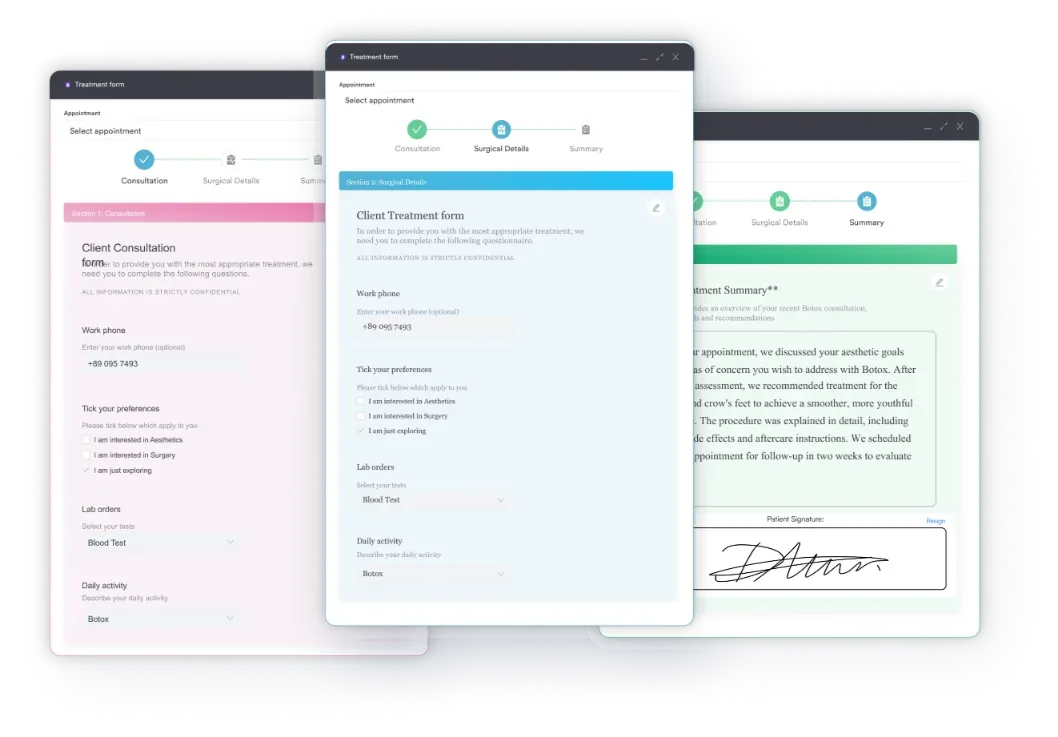
When documenting SAFELipo® procedures in your practice, using digital consent forms helps ensure comprehensive patient education and legal protection. Pabau’s templates allow aesthetic practices to standardize their SAFELipo® consent process across all practitioners.
Understanding the three steps helps practitioners explain the procedure to patients and document each stage within clinical notes.
The first step uses a specialized basket-weave separation technique to gently separate fat cells from surrounding connective tissue before any aspiration begins. This separation phase minimizes trauma to the fat cells themselves and to delicate structures like nerves and blood vessels.
Once fat cells are separated, controlled aspiration removes the targeted fatty tissue. Because the cells are already loosened, this step requires less aggressive suction, reducing inflammation and tissue damage compared to traditional liposuction.
The final step uses micro-fat grafting, known as “Fat Equalization” (FE), to fill in irregularities and create smoother contours. Harvested fat is reinjected into areas where thickness or refinement is needed, producing natural-looking, minimally visible results.
The table below outlines how SAFELipo® differs from conventional liposuction across key clinical dimensions:
Practices using software for managing patients retrieve past forms in seconds during consultations.
Patient selection is critical for optimal outcomes. Ideal SAFELipo® candidates typically have:
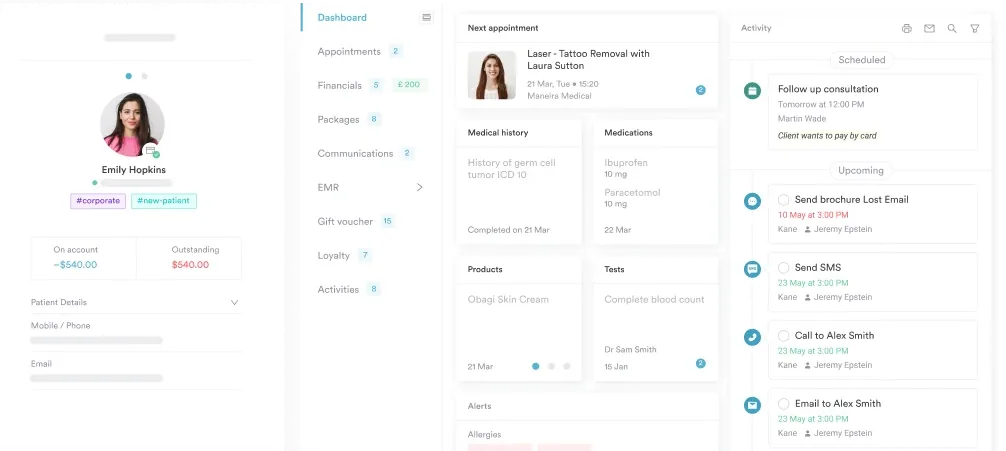
Board-certified plastic surgeons performing SAFELipo® should conduct thorough consultations documenting patient goals and medical history. Pabau’s client record system centralizes these assessment details, making it easy to track candidacy factors and contraindications.
SAFELipo® was originally designed to correct the contour irregularities that traditional liposuction can leave behind. Patients seeking revision liposuction often have waviness, dimpling, or uneven fat distribution from prior procedures. The separation and fat-equalization steps allow surgeons to address these defects precisely.
Revision cases require detailed documentation of prior surgical history, imaging, and specific problem areas. Using before-and-after photo management within Pabau, practices can compare prior results against current anatomy and plan the revision approach. This visual record supports both clinical decision-making and patient communication.
Setting realistic recovery expectations is essential for patient satisfaction. SAFELipo® recovery typically follows this timeline:
Practices should provide comprehensive post-operative care instructions and follow-up scheduling to patients. Pabau templates automate aftercare delivery.
Standardized templates ensure every patient receives the same level of informed consent and aftercare instruction. The SAFELipo Aftercare Instructions template provided above covers essential post-operative care, activity restrictions, symptom management, and warning signs requiring immediate medical attention.
Practices can customize these templates within plastic surgery EMR systems or broader medical spa software, adjusting protocols, pricing, and follow-up schedules. This consistency reduces liability risk and improves outcomes, since every patient receives identical guidance regardless of which clinician performed the procedure.
Many practices still track SAFELipo® consultations, consent, and outcomes across separate paper forms, a photo app, and a spreadsheet. Details get lost between a patient’s visits, and no one person holds the full picture.
Effective documentation protects both the practice and the patient. When using Pabau for SAFELipo® management, practices centralize the entire patient journey:
By consolidating SAFELipo® workflows in Pabau, aesthetic practitioners reduce paperwork, improve compliance, and create a professional patient experience that builds trust and loyalty.

Pabau’s digital consent forms, before-and-after photos, and AI-assisted notes keep every SAFELipo® record in one place, cutting paperwork after each procedure.

SAFELipo® gives practices a way to correct the contour irregularities traditional liposuction can leave behind, particularly for revision cases. Its value still depends on careful patient selection, clear consent documentation, and a structured aftercare plan patients actually follow.
Practices that document consultations, consent, and follow-up in one system catch missed candidacy checks and incomplete aftercare records before they turn into compliance problems. Book a demo to see how Pabau centralizes SAFELipo® consultation, consent, and aftercare documentation for your practice.

Need a broader cosmetic surgery consent process? Cosmetic surgery consent form covers the risk disclosures and legal language that apply across surgical procedures, not just SAFELipo®.
Capturing patient history before the consult? Cosmetic surgery intake form standardizes the candidacy and medical history questions that feed into your SAFELipo® consultation.
Treating patients who want a non-invasive option first? Cryolipolysis consent form gives you a ready-made template for the non-surgical fat-reduction alternative many SAFELipo® candidates ask about.
Performing hip augmentation procedures as well? Hip augmentation consent form template covers technique selection, risk disclosures, and gender-affirming case guidance in one form.
Working with another injectable body contouring option? Silikon 1000 aftercare instructions give you a template for documenting recovery after silicone-based augmentation.
SAFELipo® is a three-step body contouring technique: separation, aspiration, and fat equalization. Separation loosens fat cells using a basket-weave method before aspiration removes fat with controlled suction. Fat equalization then uses micro-fat grafting to smooth contours. The technique minimizes tissue trauma and reduces contour irregularities compared to traditional liposuction.
Traditional liposuction removes fat in a single pass with aggressive suction, which can damage surrounding tissue and leave contour irregularities. SAFELipo® separates fat cells first, aspirates gently, and uses local fat grafting to create smooth, even results, particularly valuable for revision cases.
Ideal candidates have good skin elasticity, localized fat deposits, realistic expectations, stable body weight, and no contraindications to surgery. Revision patients who want to correct prior liposuction irregularities are especially suited to SAFELipo®.
Recovery to full normal activities typically takes 4-6 weeks. Weeks 1-2 involve maximum swelling and continuous compression garment use. By weeks 3-4, most patients return to desk work. Final contouring emerges over 3-6 months as swelling resolves.
Yes. SAFELipo® was originally developed to address contour irregularities from traditional liposuction. The fat-equalization step allows surgeons to fill in waviness and dimpling, making it the preferred technique for revision cases.
Lipo 360 refers to circumferential liposuction around the entire body area (e.g. full abdominal circumference). SAFELipo® is a specific technique using three steps; lipo 360 describes the treatment area rather than the method. SAFELipo® can be used for lipo 360 treatments.