Physician credentialing checklist
A physician credentialing checklist lists every license, certificate, verificati...

Last Updated: Oct 23, 2026

A domestic violence worksheet is a structured clinical tool that helps therapists identify, document, and respond to abuse patterns.
The checklist walks through five abuse categories: physical, emotional/verbal, financial, sexual, and isolation, using simple yes or no questions that help clients name patterns they may not have words for yet.
The download closes with a short safety tips section, general guidance clinicians can build on, though it does not replace a validated risk or lethality assessment like the Danger Assessment.
Store the completed worksheet in the client’s secure record, note the date and who was present, and follow your state’s mandatory-reporting rules if they apply.
A two-page intake and yes/no checklist covering five categories of abuse: physical, emotional/verbal, financial, sexual, and isolation, plus a short safety tips section. Print it and use it as a conversation starter during intake or in an ongoing session.
Download templateSurvivors rarely say the word abuse out loud. They mention a controlling partner, a missed appointment, or an injury that does not quite match the story. It is easy to miss the pattern unless you know what to listen for.
The scale of the problem backs this up. The CDC reports that more than 1 in 3 women and more than 1 in 6 men in the US experience contact sexual violence, physical violence, and/or stalking by an intimate partner during their lifetime. For therapists, counselors, and social workers, catching these patterns early shapes a client’s safety and your own documentation.
That starts with knowing what is on these two pages, and how to bring them into a session well.
A domestic violence worksheet is a structured tool that guides you through screening, documentation, and response, all in one document. It helps you spot abuse patterns a client may not recognize in themselves, and it opens a supportive conversation about safety. It also documents what you find in a way that holds up for HIPAA and professional record-keeping standards, then points toward the right referrals.
A full risk or lethality score calls for a separate, validated instrument, more on that further down.
This isn’t a diagnostic instrument. Think of it as a psychoeducational aid, a practical document that helps you ask the right questions, listen carefully, and respond with trauma-informed guidance. It works for therapists, psychologists, social workers, primary care physicians, nurses, and any other healthcare advocate supporting survivors or people at risk.
Abuse rarely fits one box. This worksheet’s checklist walks through five categories:
Many survivors face more than one type at once. Understanding this range helps you avoid a common misconception: that “real abuse” has to be physical. Psychological manipulation and coercive control often come up in conversation too, even though they do not get their own row on the checklist.
Beyond the checklist, watch for broader behavioral signs too. A survivor might show these directly, or bring them up unprompted during a session. They span several domains:
These patterns help you open a trauma-sensitive conversation. They also help you validate what a survivor shares, without judgment.
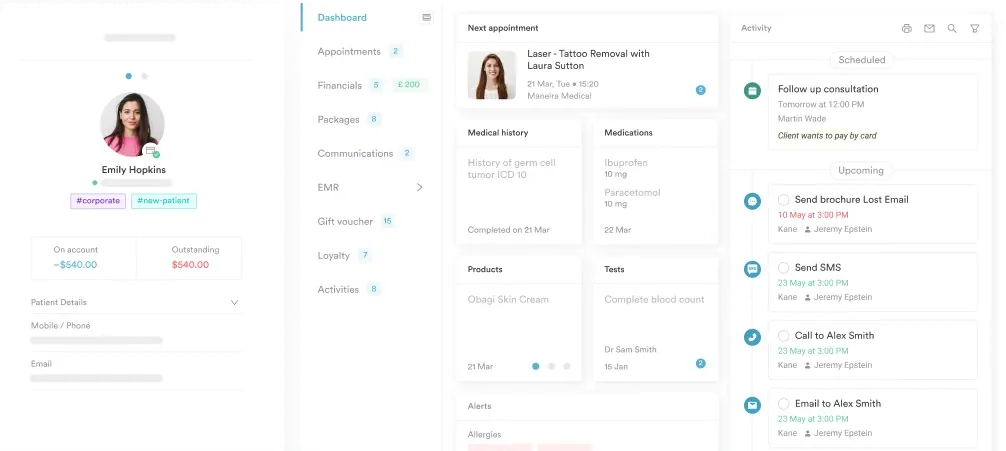
Practices using software for managing patients retrieve past forms in seconds during consultations.
One concept worth sharing alongside this worksheet is the abuse cycle, developed by psychologist Lenore Walker. It isn’t printed on the two pages itself. Still, understanding the cycle helps you frame what a checklist alone can’t capture: the predictable pattern many survivors describe, and why leaving often feels impossible.
The cycle has four phases:
The “good” phases, reconciliation and calm, are part of the pattern. They are not proof the relationship is healthy. Recognizing that distinction matters for safety planning later.
This worksheet’s checklist is a starting point for the conversation. It is not a validated risk or lethality instrument. When a client’s answers raise concern, pair it with a purpose-built screening tool instead, and document your findings in a structured client record to track patterns and inform next steps.
Risk assessment tools like the Danger Assessment, developed by nursing researcher Jacquelyn Campbell, provide evidence-based lethality scoring. Use one of these alongside this worksheet rather than expecting the checklist to substitute for it.
Clinicians use risk findings to justify shelter referrals, law enforcement notification when state law requires it, or more intensive safety planning.
This worksheet’s second part gives you a short set of general safety tips. It is not a fillable safety plan template. A full written plan goes further: a personalized protocol the survivor builds with you to prepare for escalation or for leaving. A complete plan usually covers:
A written plan gives survivors concrete next steps and a sense of agency, even though building the full version takes more than these two pages. Talk through the safety tips section together first, then use a dedicated safety-planning resource, such as the National Domestic Violence Hotline’s interactive planner, or your own template, to fill in the specifics. Store the result securely in the client record.
This worksheet does not include a standalone coping skills section. Pairing it with a coping skills checklist gives survivors something to use between sessions. These tools address the nervous system effects of abuse and help with regulation. Consider introducing:
Hand these out as a takeaway sheet, or walk through them out loud. Either way, they give survivors something concrete for between sessions, and they make the client an active participant in their own healing.
A domestic violence worksheet bridges screening, documentation, and ongoing care. Here is how that looks in a typical session:
Say a client mentions, almost in passing, that their partner controls every dollar in the household. That single comment is enough to prompt the financial abuse row on the checklist. Note the response, ask one gentle follow-up question, and keep moving rather than turning the moment into cross-examination.
A few operational questions come up again and again with this worksheet. Here is what tends to trip clinicians up.
Do I need to explain confidentiality before I start? Yes. Tell the client upfront what stays private, what you are required to report, and to whom. Abuse disclosures carry limits that routine intake questions don’t, so say this before the first checklist question, not after.
What are my mandatory reporting duties? They vary by state, and sometimes by the client’s age or whether children are in the home. Check your state’s specific rules before you need them, not mid-session, and consult a supervisor whenever you are unsure.
How should I document a disclosure? Record what the client said, in their own words where possible, alongside the checklist responses and any immediate safety concerns. Keep clinical judgment and direct quotes separate, and avoid diagnostic language the worksheet isn’t designed to support. A progress notes template built for psychotherapy sessions can help you keep this consistent across clients.
Is it safe to send a paper copy home with a client? Not always. Ask first whether a partner might find it. A completed checklist in the wrong hands can raise the danger, so offer to keep it in the secure client record instead, or hand over a blank copy if the client wants their own.
A short check before the session helps the worksheet land well:
None of this takes long. It just means the conversation starts on solid ground.
This worksheet earns its place with therapists and counselors working in trauma, anxiety, or relationship issues. Primary care physicians, emergency department nurses, and occupational therapists working with at-risk populations rely on it too. Social workers use it in protective services, shelters, and community advocacy.
Psychiatrists and psychiatric nurse practitioners build it into mental health assessments, since domestic violence raises the risk of depression, PTSD, and suicidal ideation. A major depression inventory or similar screening tool often sits alongside it for that reason.
Whether you run a solo counseling practice or a larger behavioral health group. Group practices that lean on therapy practice management software can share the flag across providers without asking the client to repeat their story.
Any provider treating survivors, whatever the presenting complaint, benefits from understanding a client’s abuse history. The worksheet gives every specialty a standardized, compassionate way to start that conversation.
Keep a referral resource list on hand, whether or not one is built into your worksheet, so you can connect survivors with shelter, legal, and advocacy services. Key resources to reference include:
This list gives survivors a concrete starting point, even if they aren’t ready to disclose abuse to their own network or leave right away.
When you hand over a referral list, verify the contact information and hours of operation first. Hotline numbers and shelter addresses change, and an outdated referral creates a barrier to help. Store a master list in your practice management system, and review it every quarter.
A domestic violence worksheet turns an informal conversation into a systematic, trauma-informed assessment. It opens the conversation, documents what a client shares, and points toward the right resources, building a foundation for continuity of care across your team.
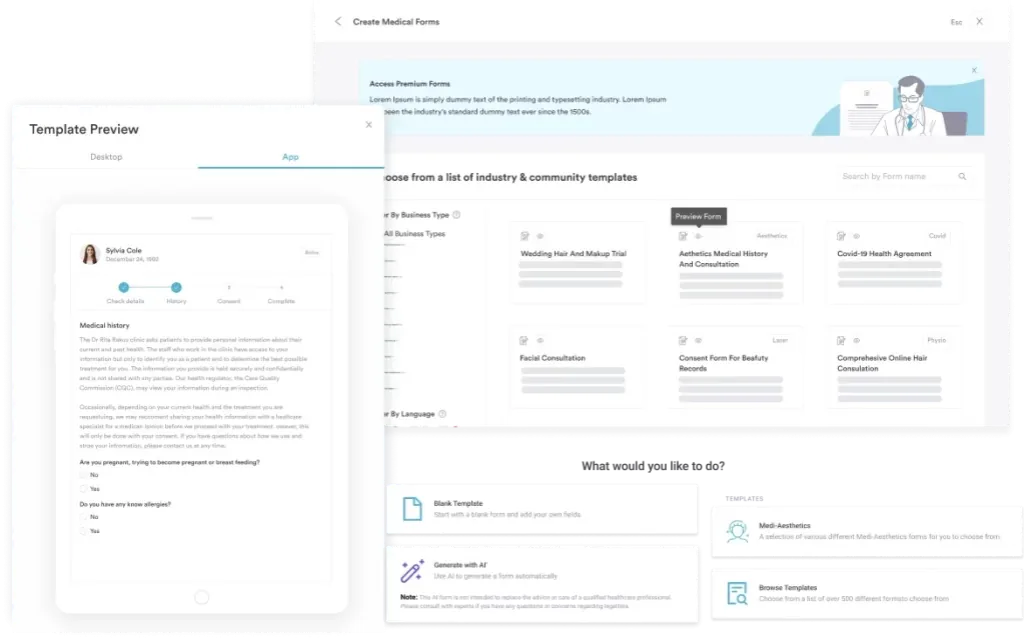
Practice management software like Pabau keeps a completed worksheet inside a client’s secure digital record, alongside intake forms and session notes, so sensitive disclosures stay protected and easy to find later. Book a demo to see how Pabau handles documentation like this.

Want a tool clients can use between sessions? Self-reflection worksheet gives survivors a structured way to sit with their thoughts outside the therapy room.
Building a longer-term recovery plan too? Wellness Recovery Action Plan worksheet covers a wellness toolbox, daily maintenance plan, triggers, warning signs, and a crisis plan.
Building emotional awareness alongside safety work? Emotional intelligence worksheet helps clients name and regulate feelings as part of ongoing therapy.
Need a consistent way to write up sessions? BIRP note template standardizes your documentation format across every client file.
Working on healthier communication after abuse? Communication styles worksheet helps clients recognize patterns and practice new ways of relating to others.
A domestic violence worksheet is a structured clinical tool that helps you open a conversation about abuse, document what a client shares, and connect them with the right resources. This version is a two-page intake and yes/no checklist across five categories, physical, emotional/verbal, financial, sexual, and isolation, plus a short safety tips section. It’s a starting point, not a substitute for a full risk assessment or safety plan.
The Power and Control Wheel is a visual framework developed by the Domestic Abuse Intervention Programs (DAIP) in Duluth, Minnesota. It shows eight spokes: using intimidation; using emotional abuse; using isolation; minimizing, denying and blaming; using children; using male privilege; using economic abuse; and using coercion and threats. Physical and sexual violence form the outer ring around those spokes, not spokes themselves. Many domestic violence worksheets reference this model to help survivors see how these tactics work together.
Possibly, depending on your state and the type of record. Clinical notes aren’t automatically privileged in every jurisdiction, especially once shared with a third party. Store the completed worksheet in the client’s confidential record, and check your state’s rules on privilege before you promise absolute confidentiality.
Yes. Abuse happens in relationships of every gender combination, and the checklist categories apply the same way. Adjust your language rather than the questions themselves, and avoid assuming a client’s relationship dynamics based on gender.
Re-screen at follow-up visits or whenever circumstances change, not just at intake.