Emotional awareness worksheet
An emotional awareness worksheet is a structured psychoeducational tool that hel...

2
Last Updated: Oct 16, 2026

The four communication styles are passive, aggressive, passive-aggressive, and assertive, each with distinct characteristics, body language, and relational outcomes.
Passive communication suppresses needs, aggressive communication damages trust, passive-aggressive communication creates confusion, and assertive communication builds respect and clear problem-solving.
This worksheet includes an inline self-scoring quiz with an answer key, so clients can identify their dominant style and see how it shifts across work, family, and intimate relationships.
Practice management software like Pabau lets therapists share the worksheet before a session, collect responses through the client portal, and store the results in the client record.
A printable communication styles worksheet (PDF) that helps clients identify passive, aggressive, passive-aggressive, and assertive patterns. Includes a self-scoring assessment, a comparison chart, and I-statement examples you can use in session.
Download templateA communication styles worksheet helps clients recognize which of four patterns they default to, passive, aggressive, passive-aggressive, or assertive, and practice shifting toward assertiveness. Most people lean on one ineffective style without noticing how it shapes their relationships and stress levels.
Unlike the static PDFs most sites hand out, this communication styles worksheet includes a self-scoring quiz with an answer key, so a client can complete it, tally their result, and bring a clear starting point to their next session.
This guide explains what the worksheet is, how to score it, and how to use it in therapy with counselors, coaches, and mental health practitioners. Practice management software like Pabau lets you send the worksheet ahead of an appointment and keep the completed result in the client record, which we cover further down.
A communication styles worksheet is an assessment tool that helps clients identify which of the four core communication styles they use most often. It combines definitions, characteristics, and examples with a self-reflection section where clients rate their own patterns across different situations.
The worksheet serves two clinical purposes. First, it provides structured intake data that documents a client’s baseline communication style at the start of treatment. Second, it turns abstract advice (“be more assertive”) into specific, observable patterns a client can recognize and practice changing.
In therapeutic settings. They’re particularly useful for clients with anxiety, depression, low self-esteem, or relationship difficulties, where ineffective communication patterns often maintain the presenting problem.
The four types of communication styles are passive, aggressive, passive-aggressive, and assertive. Each has distinct characteristics, body language cues, and relational outcomes. The communication styles chart below is a quick reference you can walk through with a client before they complete the worksheet.
Passive communicators prioritize avoiding conflict over expressing their own needs. They often say “yes” when they mean “no,” agree with others to keep the peace, and hold back their opinions. Over time, this pattern leads to resentment, burnout, and relationships that feel one-sided.
In clinical work, passive communication frequently appears alongside anxiety, depression, and low self-esteem. Clients using passive patterns often report feeling unheard, taken advantage of, or invisible in relationships, which paradoxically feels safer than the risk of conflict. Where those clients also report ongoing exhaustion, a fatigue severity scale measures how much it limits daily activity.
Aggressive communicators prioritize winning and controlling the conversation at others’ expense. They interrupt, blame, use sarcasm as a weapon, and dismiss others’ feelings. While aggression can feel powerful in the moment, it damages relationships and escalates conflict rather than resolving it.
Aggressive patterns often mask underlying anxiety, shame, or trauma. Some clients use aggression to protect themselves from perceived threats. Where a trauma history looks likely, the International Trauma Questionnaire screens for PTSD and complex PTSD symptoms.
Passive-aggressive communicators express anger indirectly, through sarcasm, sulking, procrastination, or subtle sabotage. They appear compliant on the surface but signal resentment through mixed messages, eye-rolling, or “forgetting” to follow through. This style is particularly common in workplace and family settings where direct conflict feels unsafe.
Passive-aggressive patterns often leave others confused and frustrated without understanding why. The underlying conflict never gets addressed, so it compounds over time.
Assertive communicators express their needs clearly and directly while respecting others’ boundaries. They listen actively, acknowledge different perspectives, and negotiate solutions collaboratively. Assertiveness is the goal most therapy works toward, because it’s the style that builds trust, enables problem-solving, and strengthens relationships.
To identify your communication style, read each scenario below and pick the response closest to what you would actually do, then use the scoring key to find your dominant pattern. This short communication style quiz is the fillable core of the worksheet, and few passive, aggressive, passive-aggressive, and assertive handouts pair it with the scoring key that follows.
Scoring key: count how many times you chose each letter. Mostly (a) points to a passive style, mostly (b) to aggressive, mostly (c) to passive-aggressive, and mostly (d) to assertive. A mix is normal, and it’s the pattern that matters more than any single answer.
Most people shift styles depending on context, passive at work but aggressive at home, for example. Ask clients to run the quiz twice, once for a work relationship and once for a close relationship, so the worksheet captures how their style changes across settings.
Introducing a communication styles worksheet in therapy works best as five steps that move clients from awareness to behavior change.
Dialectical behavior therapy (DBT), developed by Marsha Linehan, teaches assertive communication directly as part of its interpersonal effectiveness module. DBT skills like DEAR MAN, GIVE, and FAST are frameworks for staying assertive in different relational contexts.
A communication styles worksheet fits naturally into DBT work. It establishes the baseline (which style the client uses now) and the goal (developing assertiveness using DBT skills). Many clinicians pair it with a behavior chain analysis worksheet to map what triggers the ineffective pattern in the first place.
One of the most practical skills taught alongside communication styles worksheets is the “I statement,” a formula for expressing feelings and needs without blame or aggression.
The classic I statement structure is: “I feel [emotion] when [situation] because [impact], and I would like [request].”
I statements work because they express the speaker’s internal experience rather than making accusations. Instead of putting the listener on the defensive, they invite collaboration.
Awareness alone doesn’t change communication patterns. Clients need specific, practiced steps to shift from their default style toward assertiveness.

Organize communication styles assessments and other clinical worksheets inside Pabau. Share with clients before sessions, track progress over time, and maintain complete records in one clinical system.

Communication styles worksheets work best when they slot into your therapy practice workflow instead of adding to it. Most therapists currently juggle worksheets across email, PDFs, and paper, which creates administrative friction and incomplete records.
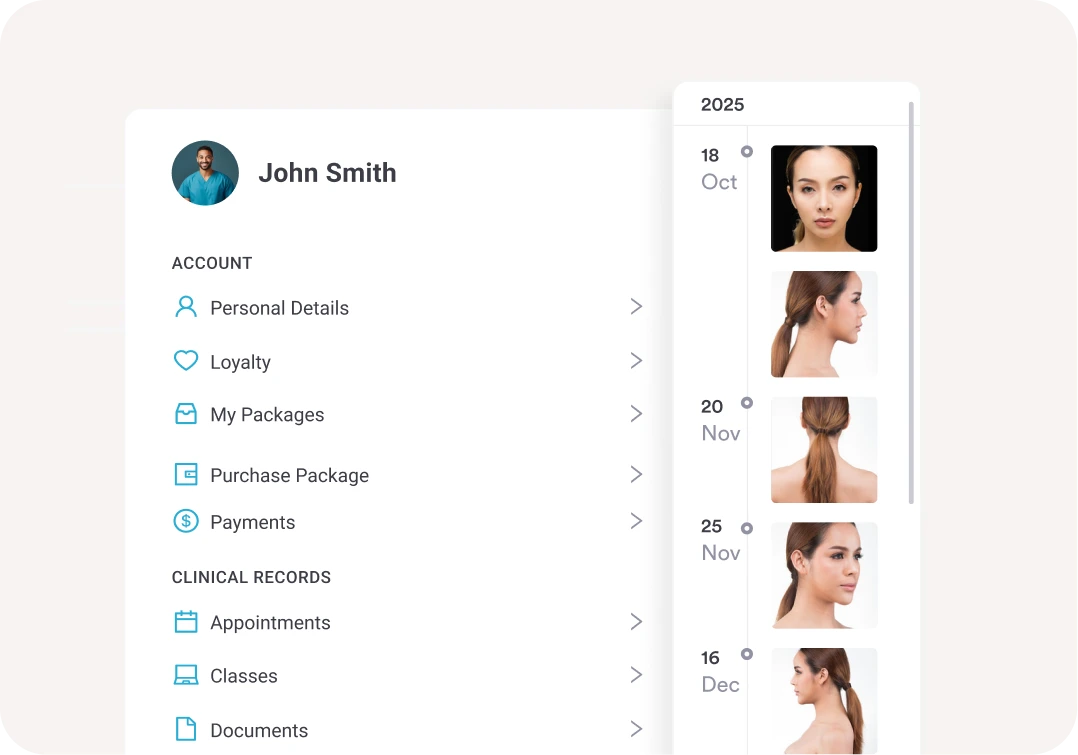
Pabau lets you upload communication styles worksheets and other assessment tools directly into your practice. Clients receive them through the client portal before sessions, and their completed responses sync into the clinical record automatically. Within minutes, you have a documented baseline of their communication patterns, searchable and linked to session notes.
With Pabau Scribe, you can dictate session progress (“client practiced I statements today, reported trying assertiveness with their partner last week”) and the system generates structured notes capturing the communication work. That keeps your documentation tight, compliant, and focused on progress over months and years.
Communication styles worksheets deliver measurable clinical value. They turn abstract goals (“be more assertive”) into specific, observable patterns clients can identify and practice changing. They also create accountability, because clients can see their baseline and track progress session to session.
They’re widely applicable too. Whether a client struggles with anxiety, depression, relationship conflict, or workplace difficulties, communication patterns are often maintaining the problem. Teaching assertiveness is one of the highest-yield clinical interventions available to any therapist.
A communication styles worksheet turns vague therapeutic goals into concrete, measurable behavior change. By helping clients identify their default patterns and practice assertive alternatives, you give them a skill that improves relationships, reduces anxiety, and builds confidence across every area of life.
Download the free communication styles worksheet above to introduce this with your clients. Add it to your digital forms library and you’ll have a complete record linking each client’s communication patterns to their session progress and outcomes. Book a demo to see how therapy practices run worksheet-based care inside Pabau.

Assessing ADHD in an adult client? ADHD psychological assessment for adults covers validated rating scales, DSM-5 criteria and developmental history for diagnostic work.
Screening a patient for ADHD during intake? ADHD screening test template captures the attention, hyperactivity and impulsivity patterns that inform further diagnostic assessment.
Choosing which ADHD rating scale to use? ADHD rating scale template compares Vanderbilt, Conners and the ASRS with scoring and ICD-10 code references.
Helping an adult client manage ADHD daily? ADHD strategies for adults covers evidence-based approaches for managing time, focus and emotional regulation.
Documenting an ADHD intervention plan? ADHD treatment plan template structures diagnostic integration, SMART goals and progress monitoring for adult and pediatric clients.
The four core communication styles are passive (avoidant, agreement-focused), aggressive (dominating, blaming), passive-aggressive (indirect anger, sarcasm), and assertive (clear, respectful, direct). Most people use one style predominantly, though context can shift which style someone defaults to.
A communication styles worksheet helps clients identify which patterns they use, understand the impact of each style, and practice shifting toward assertiveness. It creates a concrete, documented baseline for tracking progress across treatment.
Complete the self-scoring quiz in this worksheet: read each scenario, choose the response closest to your own, and tally the letters. Mostly (a) points to passive, (b) to aggressive, (c) to passive-aggressive, and (d) to assertive. Many people shift style by context, passive at work but aggressive at home.
Yes. The downloadable PDF above includes the scenario quiz plus a scoring key, so clients can complete it independently and interpret the result before their session. The answer key maps each response pattern to a dominant style and suggests what to work on next.
Yes. Child and teen versions use simpler language and age-appropriate scenarios. The four-style framework is understandable from around age 10, and worksheets are particularly valuable for helping young people recognize their own patterns early and build assertiveness skills.
Assertive communication expresses needs clearly while respecting the other person’s boundaries and feelings. Aggressive communication prioritizes winning and may include blaming, interrupting, or dismissing others. Assertiveness builds trust; aggression escalates conflict.