Journal prompts for mental health
Journal prompts for mental health are guided questions that help people process ...

2
Last Updated: Oct 13, 2026

A bipolar treatment plan is a structured clinical document that guides evidence-based care by documenting DSM-5 diagnosis, treatment goals, therapeutic interventions, and medication management.
The template must include presenting problem documentation, SMART treatment goals, evidence-based therapy modalities (CBT, IPSRT, FFT), mood stabilizer and antipsychotic options, and comprehensive safety planning.
Treatment plans differ significantly between Bipolar I (manic episodes) and Bipolar II (hypomanic episodes), requiring different medication sequencing and intervention emphasis.
Practice management software like Pabau lets therapists and psychiatrists customize treatment plan templates, track progress notes, and coordinate multi-provider care in one secure system.
A ready-to-use clinical framework covering DSM-5 diagnosis documentation, treatment goals, therapeutic interventions, medication protocols, lifestyle strategies, and crisis safety planning for bipolar disorder management.
Download templateA comprehensive bipolar treatment plan is essential for delivering evidence-based, coordinated care. This template guides clinicians through documenting the presenting problem, establishing measurable treatment goals, selecting therapeutic modalities, managing medications safely, and creating a crisis safety plan tailored to each patient’s needs.
A bipolar treatment plan is a structured clinical document that outlines the evidence-based approach to managing a patient diagnosed with bipolar disorder. According to the American Psychiatric Association (APA), a complete bipolar treatment plan documents the DSM-5 diagnosis, presenting problem, clinical history, and the integrated interventions across medication, psychotherapy, lifestyle management, and safety protocols.
The plan serves multiple clinical functions: it creates a shared roadmap between patient and clinician, establishes accountability for treatment progress, guides medication adjustments when needed, and ensures rapid response protocols are in place during mood episodes or crisis situations.
For mental health EMR software users, a standardized bipolar treatment plan template ensures consistency across multi-provider teams and creates a durable clinical record that survives transitions between clinicians.
NIMH clinical guidance emphasizes that bipolar treatment plans must be “living documents,” reviewed and updated at each appointment as the patient’s mood stability, medication response, and life circumstances evolve.
Complete your bipolar treatment plan using these five operational steps during the initial intake or when reopening a patient’s case:
Store and update this plan within your patient electronic health record alongside session notes. Review the plan at each visit, revise treatment goals quarterly, and adjust medications based on mood tracking and side effect reports.
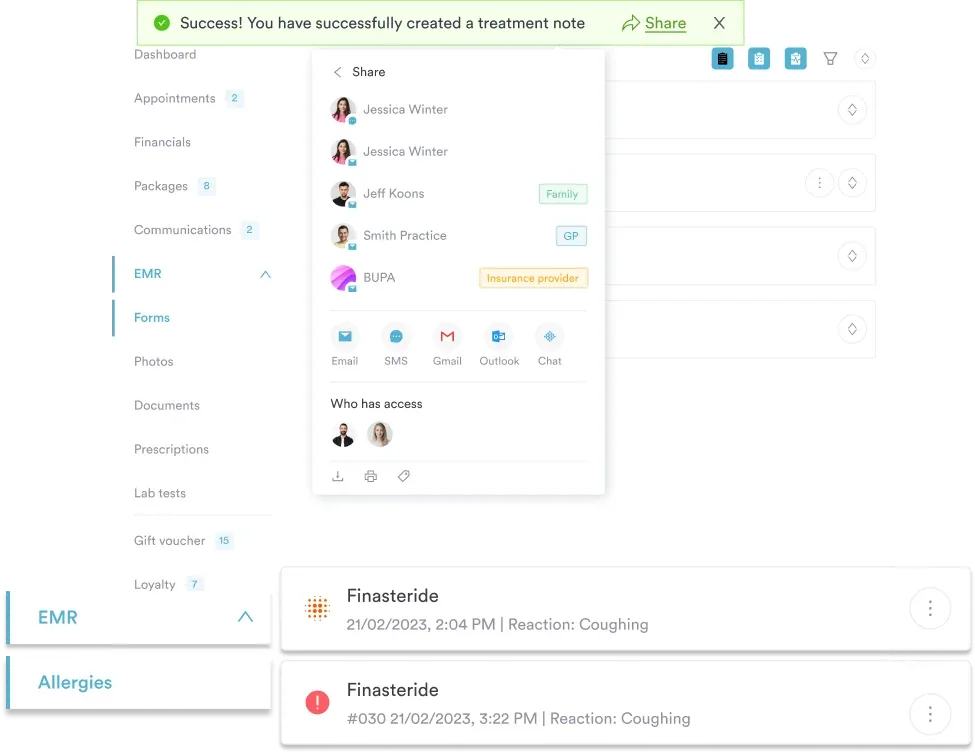
Therapists using therapy practice management software can send resources like this to clients between sessions.

Pabau’s clinical documentation, customizable templates, and secure patient records help therapists and psychiatrists coordinate evidence-based bipolar care, from intake to crisis response.

This bipolar treatment plan template is essential for therapists, psychiatrists, counselors, psychiatric nurse practitioners, and mental health practices managing bipolar I or bipolar II disorder across outpatient, community mental health, and private practice settings.
The template is particularly valuable for multi-disciplinary teams (therapist + psychiatrist) who need to document a unified treatment approach. It’s equally useful for solo practitioners who want to standardize their documentation and ensure continuity during clinician transitions or patient handoffs.
A written bipolar treatment plan provides immediate operational and clinical safety benefits. It ensures clinicians document measurable goals and track progress objectively, moving beyond subjective impressions to evidence-based milestone tracking. It demonstrates HIPAA compliance during audits and regulatory reviews by showing informed consent, clear treatment rationale, and documented clinical reasoning.
For medication management, a written plan reduces prescribing errors because each medication’s indication, target dose, and monitoring schedule are explicit. For safety planning. There’s no time spent reconstructing the safety plan mid-emergency.
Evidence-based bipolar treatment planning requires several core sections. The presenting problem captures the chief complaint, duration of mood symptoms, and functional impact (work, relationships, self-care). The DSM-5 diagnosis specifies Bipolar I (one or more manic episodes) or Bipolar II (hypomanic and depressive episodes), current episode severity, and any psychotic features.
Treatment goals follow the SMART framework: mood stabilization (target mood range, reduced episode frequency), medication adherence (measured by pill counts, pharmacy refill patterns), functional recovery (return to work, family engagement.
Therapeutic interventions should be evidence-based. Cognitive behavioral therapy (CBT) addresses distorted thinking patterns during mood episodes. Interpersonal and social rhythm therapy (IPSRT) stabilizes sleep-wake cycles and social routines.
Family-focused therapy (FFT) educates relatives and reduces expressed emotion, lowering relapse risk. Psychoeducation teaches the patient the bipolar disorder model, medication rationale, and relapse warning signs.
Medication management documents mood stabilizers (lithium, valproate, lamotrigine), antipsychotics (quetiapine, aripiprazole, lurasidone), and antidepressants (only with mood stabilizer coverage). Include target doses, therapeutic drug level ranges, and lab monitoring schedules.
Safety planning is non-negotiable: list the patient’s personal warning signs (e.g., “decreased need for sleep,” “excessive shopping,” “calling people at 3am”), emergency contacts, crisis hotline numbers, and agreed hospitalization thresholds.
If the patient also reports self-injury, pair this crisis protocol with a treatment plan for self-harm. That separate plan targets the longer-term drivers of the behavior.
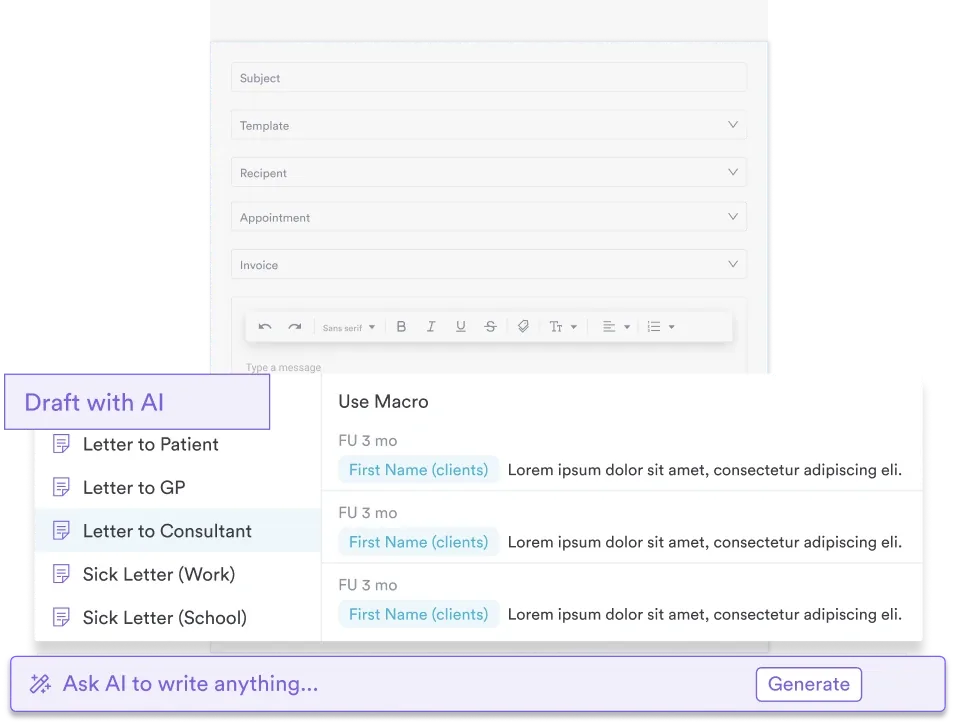
Using AI-powered clinical documentation tools, you can dictate or auto-populate much of this framework during the appointment, saving time while maintaining clinical depth and accuracy.
Track mood stability weekly using a simple 0-10 scale or a standardised mood questionnaire (e.g., Mood Disorder Questionnaire). Store these trackers in your patient portal so patients can log moods between visits and you can review trends at each appointment. This objective data is far more valuable than subjective recall when adjusting treatment.
A structured bipolar treatment plan transforms clinical care from reactive crisis management into proactive, evidence-based intervention. By documenting DSM-5 diagnosis, measurable goals, evidence-based therapies, medication protocols, and safety planning in one place, you create a durable clinical record that protects patient safety and demonstrates clinical competence during regulatory review.
Download this template today and begin standardizing bipolar treatment planning across your practice. Then book a demo to see how digital templates, secure patient records.

Need a grounding technique for acute episodes? grounding worksheet walks clients through the 5-4-3-2-1 countdown with a fillable plan you build together.
Also assessing a client for hoarding behavior? hoarding rating scale is a validated 5-item scale measuring clutter, acquisition, distress, and functional impairment.
Running group sessions as part of treatment? group therapy informed consent explains what to include, covering confidentiality limits, rules, and boundaries.
A bipolar treatment plan is a structured clinical document that guides evidence-based care by documenting the DSM-5 diagnosis (Bipolar I or II), presenting problem, measurable treatment goals, evidence-based therapeutic interventions (CBT, IPSRT, family therapy), medication protocols with monitoring schedules, lifestyle strategies, and a comprehensive crisis safety plan.
Review and update the treatment plan at minimum quarterly, and immediately after any mood episode, medication change, or significant life event. Best practice is to review at every clinical visit and adjust goals based on mood tracking data and treatment response.
Bipolar I plans emphasize managing full manic episodes with faster antipsychotic and mood stabilizer escalation. Bipolar II plans focus on hypomanic episode recognition and depressive symptom management, often requiring different medication sequencing and psychotherapy emphasis. Both include safety planning, but Bipolar I typically has higher crisis risk.
First-line mood stabilizers include lithium, valproate (Depakote), and lamotrigine. Antipsychotics such as quetiapine, aripiprazole, and lurasidone are often added. Antidepressants are used cautiously and only with concurrent mood stabilizer coverage to prevent mood cycling. The plan documents each medication’s indication, target dose, and monitoring schedule.
A written safety plan ensures the patient, clinician, and emergency contacts are aligned on early warning signs, de-escalation strategies, and crisis protocols. During a mood episode, cognitive impairment makes it impossible to recall safety steps. Having them written and stored digitally, in the patient portal or shared care record, enables rapid, correct response when it matters most.
Yes. This template is designed for outpatient practices, community mental health centers, private therapy practices, psychiatry offices, and multi-disciplinary teams. Customize it to match your workflow. Solo therapists may focus on psychotherapy goals, while psychiatry teams emphasize medication protocols and monitoring.