Journal prompts for mental health
Journal prompts for mental health are guided questions that help people process ...

2
Last Updated: Oct 13, 2026

Anticipatory anxiety is excessive worry about future events driven by catastrophic thinking and intolerance of uncertainty.
The worksheet guides clients through trigger identification, automatic thought records, evidence examination, and thought restructuring — core CBT techniques.
This free template helps therapists deliver structured anxiety interventions in session or assign as evidence-based homework.
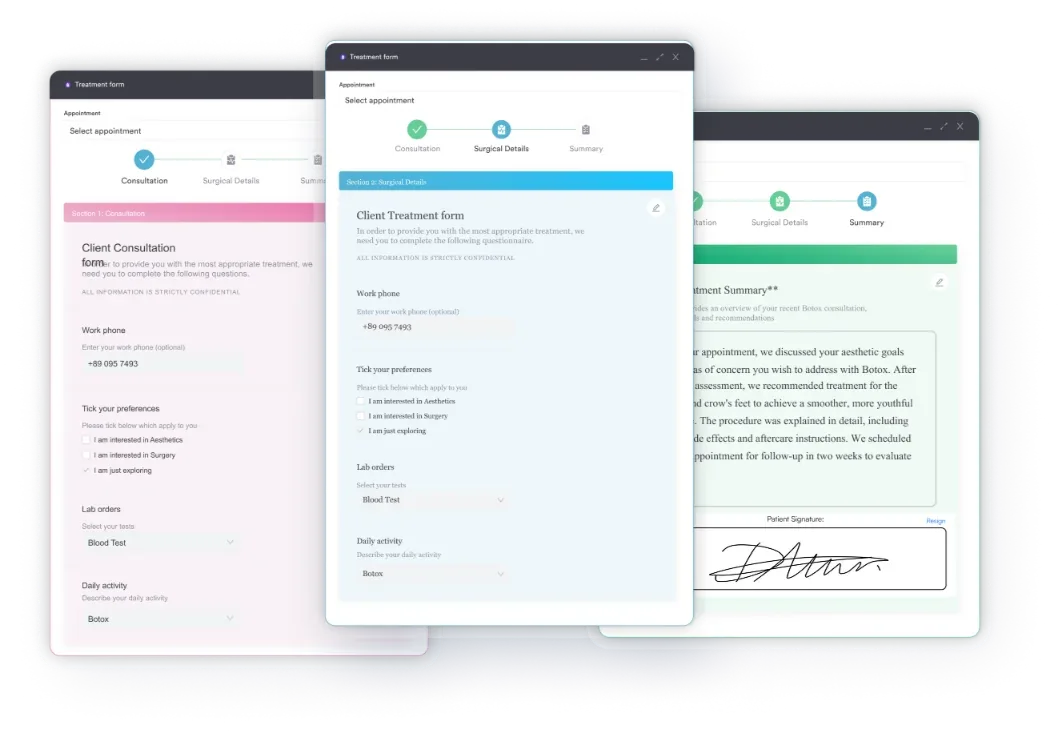
Practice management software like Pabau can digitize this worksheet through built-in digital forms, auto-populating client records with assessment data.
A comprehensive CBT worksheet for identifying anxiety triggers, recording automatic thoughts, examining evidence for and against catastrophic predictions, and building a personalized coping plan for managing future-focused worry.
Download templateAnticipatory anxiety — the experience of excessive worry about future events — affects many clients in therapy. This free downloadable anticipatory anxiety worksheet is a structured tool that helps clinicians guide clients through evidence-based cognitive and behavioral strategies to reduce pre-event anxiety and build confidence.
Anticipatory anxiety involves becoming anxious about something that hasn’t happened yet. A client might worry excessively about a job interview next week, a medical appointment in two months, or a social gathering this weekend. The anxiety feels real and distressing, even though the feared event is still in the future.
This differs from general anxiety because it’s specifically tied to a future situation and often involves catastrophic thinking — assuming the worst possible outcome will occur. The person may also experience intolerance of uncertainty, struggling to accept that they cannot predict or control what will happen.
The good news: anticipatory anxiety responds very well to cognitive behavioral therapy (CBT).
The anticipatory anxiety worksheet breaks down into four sections that mirror the CBT treatment model. Introduce it to clients by explaining each section’s purpose, then walk them through the steps in session or assign it as structured homework between appointments.
For practices using digital intake forms, you can embed this worksheet into your client portal so clients complete sections online.
The first step is clarity. Help your client name the specific situation causing anxiety. “I’m anxious about the future” is too vague. “I have a performance review on March 15th” is concrete and actionable.
Ask: What is the specific event? When will it happen? What is the worst thing you think could happen? What outcome are you most afraid of?
This section also identifies the typical triggers that activate the anxiety — for some clients it’s thinking about the date approaching, for others it’s a conversation or news story that reminds them of the feared event.
Psychologists often assign tools like this through psychology practice software, tracking completion between sessions.
In this section, clients record the automatic negative thoughts that arise. These are the immediate mental reactions — often not fully conscious — that pop into their mind when they think about the feared event.
The thought record columns capture: (1) the situation or trigger, (2) the automatic thought, (3) the emotion(s) that follow, and (4) any physical sensations. This structured format helps clients see the connection between their thinking and their anxiety responses.
Common automatic thoughts in anticipatory anxiety include:
Recording these thoughts makes them visible and testable .
Cognitive restructuring is the heart of CBT for anxiety. The worksheet guides clients to examine each automatic thought with a critical eye: What’s the evidence that this thought is true? What evidence argues against it? What’s a more balanced, realistic thought?
Clients fill in an “evidence for” and “evidence against” section, helping them see that catastrophic predictions are often based on fear, not fact. For example, a client worried about a job interview might list evidence against “I’ll say something stupid”:
The result is a more balanced alternative thought: “I may feel nervous, but I’m well-prepared and capable of handling the interview professionally.” This shift — from catastrophic certainty to realistic possibility — is where anxiety reduction happens.
Knowledge alone doesn’t resolve anxiety. Clients need a concrete coping plan — specific, actionable strategies they’ll use before and during the feared event.
Clients select which strategies fit their situation and personality, then write them into the coping plan section. This personalizes the worksheet and increases the likelihood they’ll actually use these tools.
The worksheet is powerful on its own, but clinicians can amplify results with complementary exercises assigned between sessions.
Pair these with a best possible self worksheet for clients who respond better to visualizing a positive outcome than to disputing catastrophic ones.
For clinics managing multiple clients and follow-ups.
For adults: Use the worksheet as written. Adults typically have the metacognitive ability to recognize thoughts as thoughts (not facts), making cognitive restructuring effective.
For adolescents: Simplify language, reduce the amount of writing required, and add behavioral experiments (teens often learn better through doing than thinking). Involve parents when appropriate, explaining the anxiety model so they support coping efforts at home.
For children (ages 8-11): Use drawings or emoji to represent emotions, break the worksheet into two shorter sessions, and emphasize the coping strategies over thought challenging. Include a parent-child section so caregivers reinforce skills outside the session. If peer conflict is the trigger, pair this with a bullying worksheet to address the underlying social fear directly.
For high-anxiety presentations: If a client is too anxious to engage with the worksheet in the first session, begin with grounding and breathing exercises, then introduce the worksheet once they’re more regulated. For complex anxiety (comorbid with OCD, depression, or trauma), use the worksheet as one piece of a broader treatment plan.
If your team manages multiple specialties and populations, therapy practice management software helps you track which clients are using this worksheet, at what stage they are, and what outcomes they’ve achieved — valuable data for refining your anxiety treatment protocols.
Similarly.
The anticipatory anxiety worksheet is evidence-based, flexible, and designed for the constraints of clinical practice. By applying it consistently and combining it with group therapy informed consent where appropriate, you create a clear, collaborative treatment pathway that clients understand and can engage with.
Book a demo to see how Pabau’s digital forms and client record features can streamline your use of this worksheet and other assessment tools, keeping all client responses organized and searchable in one secure clinical platform.
Anticipatory anxiety is treatable. This free anticipatory anxiety worksheet gives you a structured, evidence-based tool to help clients move from worry to action. By guiding them through trigger identification, automatic thought records, cognitive restructuring, and coping planning, you create clarity and confidence for the feared event ahead.
Download the PDF, use it in session, refine it based on your clients’ needs, and track progress over time. Your clients will appreciate the roadmap, and you’ll appreciate having a proven technique that works.

Need a tool for the shame and guilt that often ride alongside anxious rumination? Shame and guilt worksheet helps clients separate the two emotions and challenge the thinking behind each.
Supporting a client considering a trial separation? Trial separation checklist covers ground rules, finances, living arrangements, custody planning, and communication agreements.
Need a validated way to screen for loneliness? UCLA Loneliness Scale template gives clinicians a validated way to screen and document loneliness during intake.
Anticipatory anxiety is worry specifically about a future event or situation. Unlike generalized anxiety, which floats across many topics, anticipatory anxiety is anchored to a specific feared outcome with a definite timeline. It’s driven by catastrophic thinking (“something bad will happen”) and intolerance of uncertainty.
Yes, with modifications. Adolescents can use the worksheet nearly as written. Children (8-11) benefit from simpler language, emoji for emotions, drawings, and shorter sessions. Always adapt based on developmental level and consider parental involvement to reinforce coping skills at home.
Introduce and complete the first pass together in session. Clients can then use it as a template whenever a new anxiety-provoking event arises. Some therapists assign it as homework for a specific feared event; others have clients keep a copy on hand for repeated practice with the same event (e.g., weekly anxiety about a recurring meeting).
Cognitive restructuring (challenging catastrophic thoughts), behavioral experiments (testing anxious predictions), graded exposure (gradual approach to feared situations), and worry postponement (deferring rumination to a set time) are all evidence-supported. This worksheet addresses cognitive restructuring directly and supports the others through planning.
Yes. The worksheet is built on cognitive behavioral therapy (CBT), which has extensive research support for anxiety disorders. The automatic thought record, evidence examination, and coping planning are core CBT techniques backed by randomized controlled trials from researchers including David Clark and Aaron Beck.
Absolutely. Psychology practice software with digital form capabilities lets you upload this template so clients complete it online, with responses stored securely in their clinical record for you to review before the next session.
Yes, this one is free. The PDF link at the top of this page gives you immediate access to download, customize if needed, and use with clients. No licensing restrictions — use it in your practice today.