

CCSD code G5100: Bypass of duodenum billing guide
CCSD code G5100 bills a bypass that leaves the duodenum in place CCSD code G5100...

Last Updated: Oct 16, 2026
S0177 is the HCPCS Level II code for levamisole hydrochloride, oral, 50 mg.
S-codes are approved by the HCPCS National Panel rather than by one agency alone. The panel brings together the Centers for Medicare and Medicaid Services (CMS), the Blue Cross Blue Shield Association, and America's Health Insurance Plans (AHIP). It adds or changes a code only by unanimous consent.
Ergamisol, the levamisole brand approved for human use in the United States, was withdrawn in 2000. The code still appears in HCPCS references, so a US claim carrying it today usually points to a coding error rather than a dispense.
Let Pabau's smart automation suggest the right codes, reduce claim denials, and keep your practice compliant—effortlessly.
Automate repetitive tasks and focus on what matters most—your patients.
Reduce coding errors and ensure compliance with the latest regulations.
Clean claims, fewer denials, and faster reimbursements.
Powerful insights and reporting to help your practice thrive.
HIPAA compliant SOC 2 certified GDPR-compliant Trusted by 4,000+ clinics worldwide

HCPCS code S0177 describes levamisole hydrochloride, oral, 50 mg, an anthelmintic with immunomodulatory activity. One unit of service is one 50 mg oral dose.
S0177 is an HCPCS Level II S-code approved by the HCPCS National Panel. Traditional Medicare fee-for-service does not cover it, so Medicaid and commercial payers are its only realistic users.
The JW and JZ drug-waste modifiers do not apply to S0177, because CMS wrote that policy for single-dose vials and single-use packages of injectable drugs.
Ergamisol, the US human brand of levamisole, was withdrawn in 2000. A current S0177 claim usually turns out to be a mis-keyed S0176 or S0178.
Practice management software like Pabau helps specialty practices track units of service and reduce denials on HCPCS drug codes.
Levamisole hydrochloride is an oral anthelmintic that also acts as an immunomodulator. Against parasites, it overstimulates nicotinic receptors in nematode muscle and paralyzes the worm. In people, researchers found that it restored depressed T-cell function, which is what drew oncologists to it.
The FDA approved levamisole in 1990 as an adjuvant to fluorouracil (5-FU) after surgical resection of Dukes’ stage C colon cancer. That pairing anchored adjuvant colon cancer therapy for much of the 1990s. Later regimens replaced levamisole with leucovorin, and the US brand was withdrawn in 2000 after reports of agranulocytosis. An eligibility check at booking and again at arrival catches mid-month plan changes.
Levamisole is still prescribed outside the United States and still used in veterinary medicine. No human product is marketed here, so S0177 describes a drug your practice is very unlikely to supply. The same pattern shows up with S0140, since the branded saquinavir is discontinued while the code stays valid for older claims and audits.
The HCPCS Level II system gives named oral drugs their own codes, like S0177. The alternative is a miscellaneous code such as J8499 or J8999. A dedicated code makes claim submission cleaner, because the payer knows which drug and strength was supplied without extra documentation.
Important: HCPCS code S0177 describes the drug for billing purposes only. This article does not constitute clinical guidance on levamisole dosing or patient selection. Always follow current clinical protocols and consult prescribing references for treatment decisions.
The HCPCS Level II coding system is divided into code series identified by a leading letter. The S-series covers temporary codes for drugs, supplies, and services that CPT codes do not capture. These items also have no permanent HCPCS code in another series.
Key characteristics of S-codes:
Within the S0100 to S0199 range, the oral drug codes run in alphabetical order by drug name. S0177 sits between S0176 (hydroxyurea, oral, 500 mg) and S0178 (lomustine, oral, 10 mg). Every code in that run describes a tablet or capsule the practice supplies.
The T-series works the same way for state Medicaid agencies. A code such as T2019 is billable to Medicaid but never to Medicare fee-for-service.
Traditional Medicare fee-for-service does not cover HCPCS code S0177 or any other S-code. CMS policy excludes S-codes from Medicare FFS reimbursement. Submitting S0177 on a CMS-1500 claim for a Medicare FFS beneficiary will result in claim denial.
A second exclusion sits behind the first. Part B does not pay for most self-administered oral drugs. It carves out a narrow exception for oral anticancer drugs that share an active ingredient with an injectable form. Levamisole never had a human injectable form here, so that exception does not reach it.
Medicare Advantage (Part C) plans are a separate question. Private insurers run them and set their own formularies and coverage policies. Oral drugs usually route to the plan’s pharmacy benefit rather than a medical claim, so verify before assuming S0177 is billable.
Medicaid is the primary government payer that uses HCPCS S-codes, and coverage is not uniform. Each state Medicaid program sets its own fee schedule and coverage policies. A code covered in one state may be excluded in another, so check the state agency’s published fee schedule before billing.
Oral drugs raise a routing question that injectables do not. Most oral prescriptions reach the payer as a pharmacy claim carrying a National Drug Code (NDC).
An S-code like S0177 belongs on a medical claim, and only when the practice itself supplied the tablets. Send it down the wrong benefit and the claim denies as non-covered or duplicate.
Prior authorization is common for drugs billed under HCPCS Level II codes. Medicaid managed care plans and commercial payers frequently require an authorization number on the claim before they will process it. Submitting without an approved authorization is a leading denial reason on specialty drug codes.
Dispensing records fall under HIPAA documentation rules whatever the payer. Keeping them complete is a compliance obligation as much as a billing one, and it protects the practice during an audit.
Because S0177 is an S-code excluded from Medicare FFS, CMS publishes no national physician fee schedule rate for it. Drug codes Medicare does recognize, such as J1950, carry a published payment limit. S0177 has none, so reimbursement depends entirely on the payer’s own fee schedule.
State Medicaid programs that list the code express the rate per 50 mg unit of service. Commercial payers negotiate rates individually or set them against average wholesale price (AWP) benchmarks.
Levamisole’s market status complicates that last point. With no human product marketed in the United States, there is no current AWP to price against. Any figure you find in an older pricing file is decades out of date and should not be quoted to a patient.
Cross-check the descriptor and current status against the CMS quarterly HCPCS update before you bill. Never state a dollar figure as a definitive reimbursement amount without confirming it against the current payer fee schedule.
Billing HCPCS code S0177 correctly requires attention to claim form placement, units, NDC reporting, and documentation. Each of these elements must align for the claim to process cleanly. Practices using claims management software can configure drug code rules to flag missing data before submission.
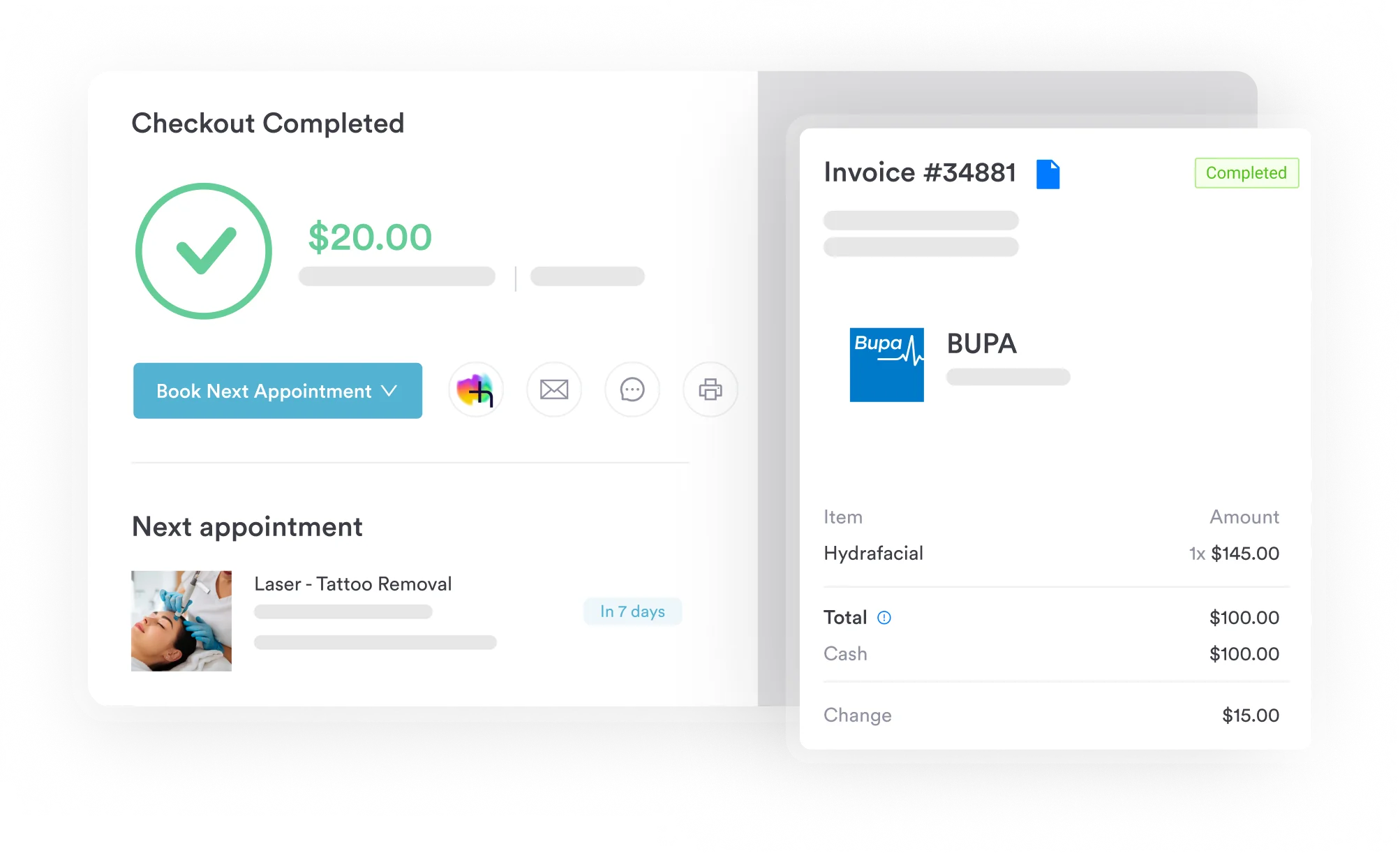
Modifier expectations for S0177 differ from the injectable drug codes coders often work alongside. The JW and JZ drug-waste pair does not apply here. CMS wrote that policy for amounts discarded from single-dose vials and single-use packages. That matters to an IV therapy practice, but a tablet has no vial to discard.
That leaves payer-specific modifiers. Check the plan’s published policy before appending any of them, because S-code rules vary widely from one payer to the next.
The AAPC HCPCS code lookup lists coding tips and payer notes that help confirm modifier requirements payer by payer.
Your medical forms have to capture strength, quantity, and date at the point of dispensing. Without that, you cannot defend the units on the claim.
Before submitting S0177, confirm the drug dispensed was levamisole. The code sits one digit away from S0176 (hydroxyurea, oral, 500 mg) and S0178 (lomustine, oral, 10 mg). No human levamisole product has been marketed in the US since 2000. A quarterly audit of S0177 lines usually surfaces a mis-keyed neighbor rather than a genuine dispense.
The S0175 to S0179 block is an alphabetical run of oral drug codes. Knowing the neighbors prevents miscoding when a practice supplies tablets from more than one of them. The table below covers the codes immediately surrounding HCPCS code S0177.
Every code in this run is oral, so the route recorded in the chart will not tell you which one to pick. Confirm the drug name and strength against the dispensing record each time.
Injectable drugs sit in the J-series instead, where a code such as J0881 carries its own unit and waste rules. A short cheat sheet of the drugs you supply removes most of these errors.
Practices that supply drugs in-house hit the same workflow problem, from oncology groups to functional medicine practices. One drug may be billed at different rates, with different data requirements, to different payers. Managing those rules by hand in a spreadsheet invites errors.
Practice management software like Pabau centralizes those rules and enforces them when the claim is generated. Capabilities that cut S-code billing errors include:
Digital intake forms feed straight into the billing workflow. Drug name, strength, and date captured at the point of care then match what goes out on the claim. EHR integration keeps clinical and billing data in sync rather than re-entered by hand.
Oncology charts carry sensitive diagnosis and treatment detail, so patient data security tools matter as much as billing accuracy.
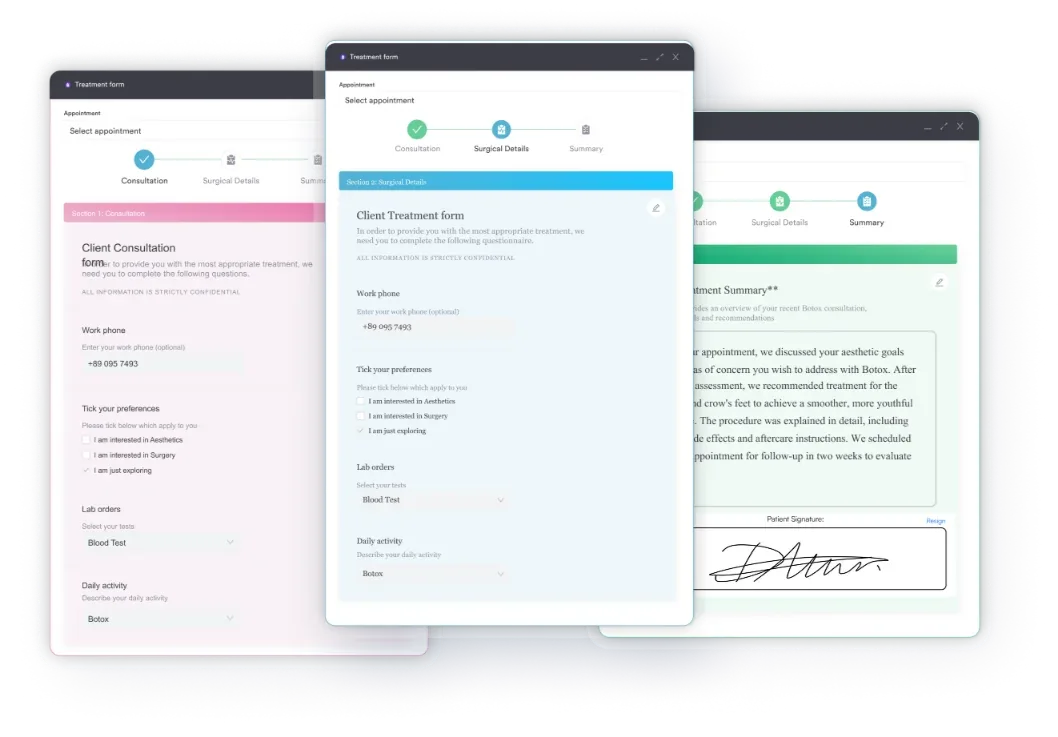

Pabau’s claims management lets specialty practices configure drug code rules, track units of service, and catch missing claim data before anything goes out. See how it works in a live demo.

Treat an S0177 line as a question before you treat it as a claim. The code is valid, but the drug behind it has not been available in the US for more than two decades.
If the dispensing record confirms levamisole, the billing work is straightforward. Get the units right at one per 50 mg, and add the NDC where the state requires it. Then confirm the payer covers S-codes at all.
If it does not, the cleaner path is often a pharmacy claim rather than a medical one. That choice costs nothing to make up front and saves a rework cycle later.
Managing these rules across multiple payers is easier with practice management software built for specialty billing. Book a demo to see how Pabau handles HCPCS Level II drug code workflows end to end.

Billing an injectable drug instead of a tablet? J2010 walks through units, NDC reporting, and the payer rules that apply to a J-series drug code.
Need a second worked example of drug units? J2320 shows how dosage maps to billable units when one vial covers several doses.
Billing a controlled drug in the office? J2175 covers documentation and unit reporting for an injectable analgesic supplied on site.
Working with other temporary HCPCS codes? G0162 explains how the G-series handles services that have no permanent code yet.
Billing supplies rather than drugs? A4490 sets out how the A-series supply codes are documented and submitted.
HCPCS code S0177 reports levamisole hydrochloride, oral, 50 mg, an anthelmintic with immunomodulatory activity. Practices bill it per 50 mg unit supplied. That applies to patients covered by Medicaid or by commercial payers that recognize HCPCS S-codes.
No. Traditional Medicare fee-for-service does not cover S0177 or any other S-series code. Part B also excludes most self-administered oral drugs, and levamisole has no injectable form that would bring it under the narrow oral anticancer exception. Medicare Advantage plans set their own rules, so verify coverage with the plan before billing.
Report S0177 in Box 24D of the CMS-1500, with units matching the number of 50 mg doses supplied. Confirm that the state Medicaid program covers the code. Add the 11-digit NDC where the state requires it, and obtain prior authorization when the plan asks for one.
No. CMS created JW and JZ for amounts discarded from single-dose vials and single-use packages of injectable drugs. S0177 describes an oral tablet, so neither modifier fits. Check the payer’s published policy for any modifier it does require, such as KX.
S0177 still appears in current HCPCS Level II code references, but verify its status against the latest CMS quarterly update file before billing. S-codes can be revised or deleted each quarter. Note that no levamisole product for human use has been marketed in the United States since 2000.
J-codes (J0001 to J9999) are permanent HCPCS Level II drug codes recognized by Medicare, Medicaid, and most commercial payers, mainly for injectable drugs. S-codes are temporary codes approved by the HCPCS National Panel and excluded from traditional Medicare fee-for-service. Levamisole carries S0177 because it never received a permanent J-code assignment.
Keep the prescription and the dispensing record. Between them they should show the date of service, the drug name (levamisole hydrochloride), the strength, the quantity supplied, and the prescribing provider. Where the state Medicaid program requires an NDC on the claim, record the exact NDC you dispensed against.



