

HCPCS code E0198: Water pressure pad billing guide
HCPCS code E0198 is a water pad for a standard mattress HCPCS code E0198 is the ...

Last Updated: Oct 13, 2026
A4452 is the HCPCS Level II code for tape, waterproof, per 18 square inches.
A tape claim looks like the simplest line on a wound care invoice, until it comes back denied. HCPCS code A4452 is the code Medicare uses for waterproof tape, billed per 18 square inches.
The catch is what happens next. A missing modifier, a miscounted wound, or a rounding error on the unit count sends the claim straight back for rework. Getting A4452 right means matching the modifier, the diagnosis, and the measurement every single time.
Let Pabau's smart automation suggest the right codes, reduce claim denials, and keep your practice compliant—effortlessly.
Automate repetitive tasks and focus on what matters most—your patients.
Reduce coding errors and ensure compliance with the latest regulations.
Clean claims, fewer denials, and faster reimbursements.
Powerful insights and reporting to help your practice thrive.
HIPAA compliant SOC 2 certified GDPR-compliant Trusted by 4,000+ clinics worldwide

HCPCS code A4452 describes tape, waterproof, per 18 square inches, a Level II supply code in the surgical dressings category that has been active since January 1, 1997.
Coverage under Medicare Part B requires medical necessity documentation that meets LCD L33831. Each billable unit equals exactly 18 square inches of tape applied.
Modifier AW is mandatory on every A4452 claim, alongside an A1 through A9 modifier showing how many wounds are being treated. KX, GA, GY, and GZ signal coverage status on top of that.
Practice management software like Pabau lets wound care practices attach A-series HCPCS codes directly to patient records and submit claims without switching systems.
CMS defines HCPCS code A4452 as “Tape, waterproof, per 18 square inches,” a Level II code in the medical and surgical supplies section it maintains. The descriptor has stayed unchanged since January 1, 1997, and the code remains billable under the HCPCS Level II system today.
Most denials on this code come from missing wound measurements, incorrect unit counts, or a claim submitted without the required modifier. Picking the wrong code is rarely the problem.
The table below summarizes every metadata field billers need when entering or auditing HCPCS code A4452 on a claim.
Reimbursement for HCPCS code A4452 is set annually by CMS through the DME fee schedule, and rates vary across the four DME MAC jurisdictions. The CMS fee schedule tool lets billers confirm current allowed amounts before submitting a claim.
Because A4452 is a supply code rather than a procedure code, it uses the DME fee schedule rather than the Medicare Physician Fee Schedule (MPFS). Rates reflect a national average payment with regional adjustments applied by each DME MAC jurisdiction.
Always verify exact 2026 allowable amounts directly through the CMS DME fee schedule before submitting claims. Third-party rate tables may reflect previous years or estimates rather than the current CMS published figure. Geographic variation affects the allowed amount, and billing a single national rate for every jurisdiction is a documentation error that auditors flag. Practices reconciling payment posting against expected fees find short-paid claims that never appear as denials.
Good practice management software for medical practices turns supplies used in a visit into billed line items automatically.
Medicare Part B covers waterproof tape billed under A4452 as a surgical dressing supply, but coverage is not automatic. Good healthcare billing compliance requires that the tape be medically necessary for wound care and that documentation supports that necessity before the claim is submitted.
Local Coverage Determination L33831 (Surgical Dressings) governs which wound care supplies Medicare will cover, including A4452. Under LCD L33831, waterproof tape is a covered item when it is part of a medically necessary surgical dressing regimen for a qualifying wound.
Coverage criteria under LCD L33831 require all of the following:
CMS Policy Article A54563 supplements LCD L33831 with additional billing instructions, including how to calculate units when multiple dressings are changed per visit. Practices should review both documents and keep HIPAA compliance checklist workflows in place to protect the supporting documentation.
Document wound dimensions at every dressing change visit. Surface area directly drives the number of A4452 units you can bill. A 4-inch by 9-inch wound site covered with waterproof tape = 36 sq in = 2 units. Without a documented measurement, a DME MAC auditor has no way to verify the unit count, and the claim is exposed to full recoupment.
Billing errors on A4452 are almost always unit-count errors or modifier omissions. Getting these right protects reimbursement and reduces the risk of a DME MAC audit. Proper documentation forms for healthcare practices are the first line of defense.
One unit of A4452 equals exactly 18 square inches of waterproof tape. Billing multiple units requires that the medical record documents the total area covered. Rounding up without a corresponding documented area is a common audit finding.
For a claim covering multiple dressing sites or multiple dressing changes in a single billing period, add the square inches across all sites and divide by 18 to calculate total billable units. Round any fractional result to the nearest whole number. For example, 5.5 units rounds up to 6.
A4452 claims need two distinct categories of modifier. One kind is mandatory on every claim, and the other describes coverage status. Missing either type is a leading reason A4452 claims are held or denied. Review medical office billing requirements for the documentation each one expects.
CMS Policy Article A54563 requires an AW modifier (item furnished with a surgical dressing) on every A4452 claim. It also requires an A1 through A9 modifier showing the number of wounds treated. Skip the AW modifier and the claim gets rejected outright, not just denied for medical necessity.
When tape is furnished with an ostomy, tracheostomy, or urological supply instead of a dressing, use AU in place of AW. When it secures a prosthetic or orthotic device, use AV instead.
An adhesive attachment made for an external breast prosthesis carries its own supply code, A4280. That code is limited to attachments designed for the prosthesis, so general surgical tape doesn’t qualify.
AW is the modifier billers miss most often on A4452, since it’s easy to assume KX alone covers it. Submitting without a required modifier causes the claim to reject or suspend at the DME MAC for manual review, delaying payment by weeks.

Pabau lets wound care practices attach HCPCS codes like A4452 directly to patient treatment records and route them to claims without leaving the platform. Your billing team gets the documentation and the code together.

A4452 requires a supporting ICD-10 diagnosis code to establish medical necessity. The diagnosis code tells the DME MAC why the patient needs waterproof tape. Without one that maps to LCD L33831’s covered indications, the claim gets denied.
Structured wound care patient management documentation should capture these codes at every encounter.
Verify that each ICD-10-CM code used is current for the service date. CMS updates the ICD-10-CM code set annually on October 1. Codes valid in a prior fiscal year may have been revised, expanded, or deleted since.
Cross-check against the NLM HCPCS lookup API or the AAPC Codify HCPCS lookup for crosswalk confirmation before each billing cycle.
A4452 rarely appears on a claim in isolation. Wound care episodes typically involve a combination of tape, gauze, and primary dressings billed together under the A-code range.
Understanding the adjacent codes helps billers select the correct combination and avoid duplicate billing. Using EMR software that surfaces related codes at the point of documentation cuts down on these errors.
When billing A4450 and A4452 together on the same claim, ensure documentation specifies which type of tape was used at which dressing site. Submitting both codes for the same surface area without distinguishing documentation is a common audit finding.
Static HCPCS code reference tools tell you what the code means. They don’t help you attach it to a patient record, calculate units from wound measurements, or route it to a claim submission. That disconnect, not a coding mistake, is what slows down wound care billing.
Practices using Pabau’s claims management software can embed HCPCS supply codes directly into treatment records at the point of care, cutting out the manual transcription step that introduces errors.
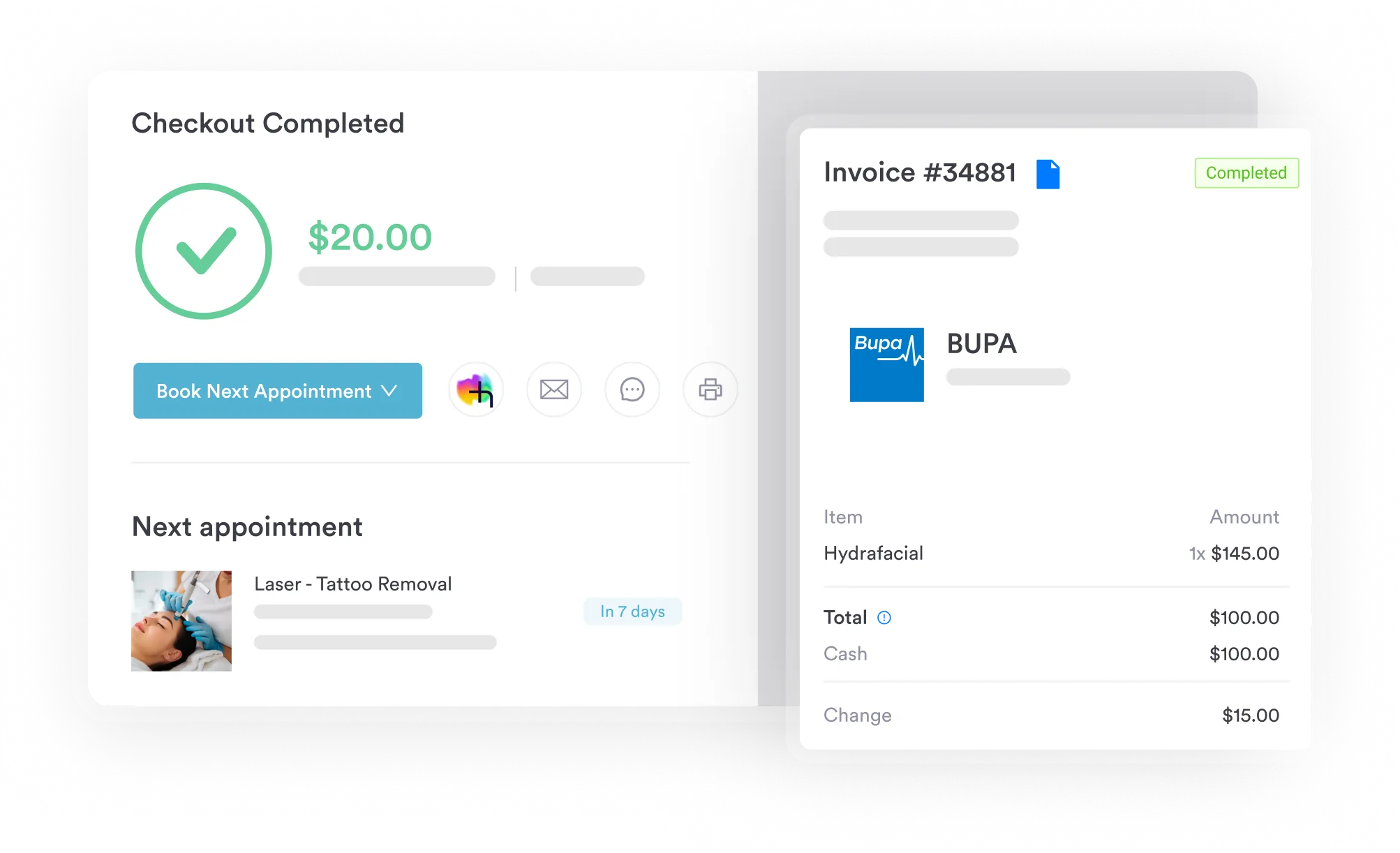
With automated billing workflows, wound care clinicians can pre-configure A-series codes alongside the dressing types they use regularly. When a clinician completes a dressing change, the supply codes and quantities are already attached to the encounter. The billing team reviews, applies the modifier, and submits without rebuilding the claim from scratch.
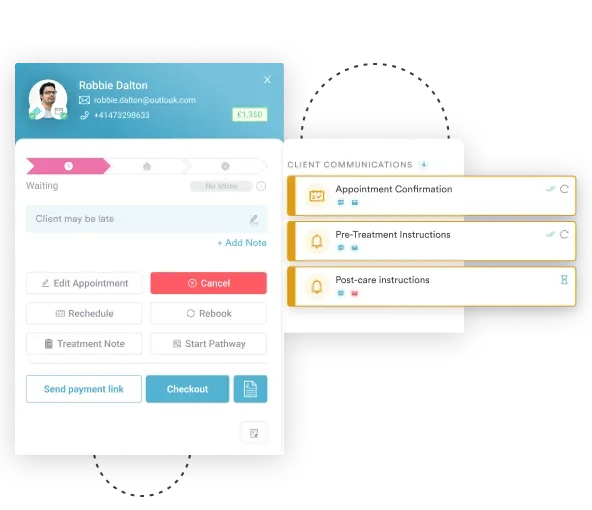
For multi-site practices managing wound care across locations, Pabau also generates supply utilization reports. These show how frequently A4452 and related codes appear across providers, which helps compliance teams spot outlier billing patterns before a DME MAC audit does.
Practices wanting a complete practice management platform for wound care supply billing can also use digital documentation forms to capture wound measurements at every encounter, creating the paper trail that backs up every A4452 unit billed.
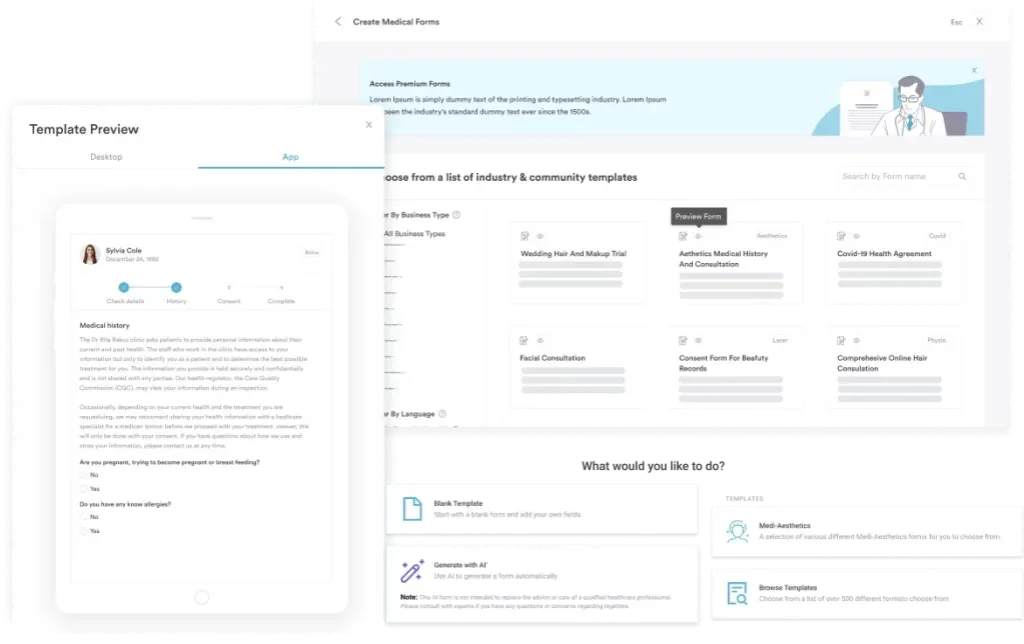
The same workflow works whether it’s a dermatology practice running skin clinic software or a primary care practice running gp clinic software. Dressing changes get billed the same way, regardless of specialty.
Build a wound care supply code set in your practice management system that groups A4452 with the dressings you most commonly pair it with (A4450, A6252, A6216). When a clinician opens a dressing change encounter, the full supply list appears ready to confirm or adjust. This cuts billing build time per encounter and reduces the chance of a code being missed from the claim.
Claim denials for waterproof tape are rarely about the wrong code. They come from underdocumented wound sizes, a missing AW or wound-count modifier, and ICD-10 codes that don’t map cleanly to LCD L33831.
HCPCS code A4452 is a low-complexity supply code with a well-defined unit structure, but the billing rules around documentation and modifiers demand the same rigor as any other Medicare Part B claim.
Our guide to EHR and billing integration covers how Pabau connects wound documentation directly to claims, so the surface area measurement a clinician captures at the bedside becomes the unit count on the claim.
To see how Pabau handles A-series HCPCS billing end to end, book a demo.

Billing the treatment visit, not just the supplies? CPT code 97597 covers the active wound care management service that’s often billed alongside A4452.
Furnishing tape with an ostomy supply instead of a dressing? HCPCS code A4368 walks through the AU-modifier scenario for ostomy filters.
Need the claim form itself before you submit? CMS-1500 form template walks through every box a DME supplier needs to complete.
AW and a wound-count modifier (A1 through A9) are mandatory on every A4452 claim, since tape alone isn’t a covered benefit without one. KX, GA, GY, and GZ describe coverage status on top of that, and AU or AV replace AW when the tape secures an ostomy, urological, or prosthetic item instead of a dressing.
Jurisdiction is set by the patient’s home address, not the supplier’s location. Noridian administers Jurisdictions A and D, and CGS administers Jurisdictions B and C, so allowed amounts can differ across the four regions.
Yes. LCD L33831 requires a standard written order from the treating practitioner on file before the claim goes out. Billing without one gets the claim denied as not reasonable and necessary, regardless of how well the wound is documented.
Yes. Tape billed under A4452 is also payable when it secures an ostomy, tracheostomy, or urological supply (modifier AU), a prosthetic or orthotic device (AV), or an item tied to dialysis services (AX). It’s still non-covered on its own.
No. CMS requires the supplier to contact the patient before each refill and document that the patient confirmed they still need more tape. Suppliers also can’t deliver refills more than 10 days before the current supply runs out.



