CCSD code L5910: Femorofemoral bypass billing guide
CCSD code L5910: What the code covers CCSD code L5910 is the billing code for a ...

Last Updated: Nov 12, 2026
58999 is the CPT code for an unlisted procedure on the female genital system (nonobstetrical). It covers gynecologic procedures that have no dedicated code in the 56405–58999 range.
58999 carries no fixed Medicare fee schedule rate. Every claim needs a full operative report and a comparable code for the payer to price against. It is commonly denied when the documentation package is incomplete. Laparoscopic procedures on the uterus (58578) or the oviduct and ovary (58679), and unlisted hysteroscopy (58579), each have their own unlisted code.
Let Pabau's smart automation suggest the right codes, reduce claim denials, and keep your practice compliant—effortlessly.
Automate repetitive tasks and focus on what matters most—your patients.
Reduce coding errors and ensure compliance with the latest regulations.
Clean claims, fewer denials, and faster reimbursements.
Powerful insights and reporting to help your practice thrive.
HIPAA compliant SOC 2 certified GDPR-compliant Trusted by 4,000+ clinics worldwide

CPT code 58999 covers gynecologic procedures with no dedicated CPT code in the female genital system range (56405-58999).
Every claim requires a full operative report, a medical necessity statement, and identification of a comparable established CPT code for payer pricing.
58999 is often miscoded. Unlisted laparoscopy goes to 58578 (uterus) or 58679 (oviduct, ovary), and unlisted hysteroscopy of the uterus goes to 58579.
Pabau, the practice management platform we build, tracks prior authorizations on each case and submits US claims electronically through Claim.MD.
CPT code 58999 is officially described as “Unlisted procedure, female genital system (nonobstetrical)” in the AMA’s CPT codebook.
According to the AMA’s CPT code set overview, the CPT Editorial Panel meets three times a year to review applications for new or revised codes. Until a gynecologic technique earns a code of its own, 58999 is how it gets billed.
The code closes the Female Genital System surgery subsection, which runs from 56405 through 58999. It is the catch-all for any gynecologic procedure in that range that lacks its own specific CPT descriptor.
Using this code tells the payer that the procedure is unusual enough to need manual adjudication. That means a human reviewer, not an automated processing system, will evaluate the claim.
Manual review increases processing time, adds documentation scrutiny, and raises the probability of a request for additional information before payment. Coders who understand this dynamic prepare the complete documentation package upfront rather than waiting for a development letter.
The code applies when a gynecologic procedure in the female genital system genuinely has no established CPT descriptor. Common legitimate scenarios include:
The key test is whether a dedicated, specific CPT code already describes what was done. If one does, the coder must use it. 58999 is not a default for complex or unusual cases that do have a matching code. It is only valid when the AMA codebook genuinely has no match.
The most frequent billing error with CPT code 58999 is using it for laparoscopic or hysteroscopic procedures that have codes of their own. Check these routes before you reach for 58999:
Submitting 58999 when 58578, 58579 or 58679 applies creates an audit flag and signals poor coding discipline to payers. A reviewer who reads a laparoscopic or hysteroscopic approach in the operative report will usually deny the claim or ask for a corrected code.
Four unlisted CPT codes cover gynecologic procedures, and three of them are tied to an endoscopic approach. The correct one depends on the surgical approach and anatomical site, never on how complex the case was.
Route the claim by surgical approach first, then by anatomical site:
Reading the operative report’s approach language before you select the code catches most wrong-code choices before submission. The tabs below show what each unlisted code covers.
Tap a code to compare
Match the unlisted code to the approach and site in the operative note
CPT 58999
Unlisted procedure, female genital system (nonobstetrical).
Use it when
No dedicated code matches the procedure after you check the 56405-58976 range. Open and vaginal approaches usually end up here.
How it differs
It is the fallback for any approach or site the endoscopic unlisted codes do not cover.
CPT 58578
Unlisted laparoscopy procedure, uterus.
Use it when
The procedure was laparoscopic, was done on the uterus, and has no dedicated code.
How it differs
It covers the uterus only. Laparoscopy at any other site does not fit this code.
CPT 58579
Unlisted hysteroscopy procedure, uterus.
Use it when
The procedure was hysteroscopic, was done on the uterus, and has no dedicated code.
How it differs
Unlisted hysteroscopy has its own code, so it does not go under 58999.
CPT 58679
Unlisted laparoscopy procedure, oviduct, ovary.
Use it when
The procedure was laparoscopic, was done on the oviduct or ovary, and has no dedicated code.
How it differs
It covers the oviduct and ovary only. Other laparoscopic sites need a dedicated code or 58999.
Descriptors from the AMA CPT code set, as cited in this guide. Match the code to the approach and site in the operative note.
Match the approach and site in the report to one tab, then run the two-question check below before you choose 58999.
Before selecting 58999, run a two-question check: (1) Was the approach laparoscopic or hysteroscopic? If yes, evaluate 58578, 58679 or 58579 first. (2) Does any code in the 56405-58976 range describe what was done? If yes, use that code. Only if both answers are no does 58999 apply. The check takes under a minute and catches the most common wrong-code error on unlisted gynecologic claims.
Modifier 22 (Increased Procedural Services) and CPT code 58999 solve different coding problems. Modifier 22 applies when an existing, specific CPT code describes the procedure performed, but the case required substantially more work than the descriptor implies. 58999 applies when no specific CPT code exists at all.
Picking the wrong one costs the practice either way. Using 58999 when modifier 22 was correct signals a procedure with no CPT code. That contradicts an operative report describing a coded procedure.
Using modifier 22 when 58999 was correct undervalues the case, because modifier 22 only adjusts an existing fee. With 58999, the payer prices the procedure from scratch against a comparable code.
Payers cannot price an unlisted code without a reference point. The comparable procedure code is that reference: An established CPT code whose descriptor most closely matches the work, complexity, and time of the unlisted procedure.
Without it, most payers return the claim with a request for additional information or deny it outright. Finding the right comparable code is the most consequential step in a CPT code 58999 claim.
Payers compare physician work in relative value units, so the comparable code’s RVUs set the starting point for payment. Teams new to payer pricing can start with these medical billing fundamentals.
Documentation requirements for CPT code 58999 go beyond what most standard surgical codes need. Payers adjudicating an unlisted code cannot rely on established coverage criteria or fee-schedule rates, so they require the full clinical and operational picture. Build this package before the claim is submitted, rather than after the development letter arrives, to speed up payment.
The claim narrative usually goes in box 19 of the CMS-1500 form, so confirm that field before every 58999 submission. For teams new to this process, the elements of a clean claim provide useful context.
Prior authorization (PA) requirements for unlisted codes vary by payer and plan, and no universal rule applies. Many commercial payers with PA programs include unlisted codes in their authorization requirements. Medicare’s traditional fee-for-service program does not require prior authorization for most surgical procedures.
Treat every unlisted code submission as PA-required until the payer’s policy confirms otherwise. The steps below adapt the standard prior authorization process to unlisted codes:
CPT code 58999 has no fixed RVU value and no published rate on the CMS Medicare Physician Fee Schedule. Medicare and commercial payers price it by crosswalk. They take the comparable CPT code from the documentation package and look up its allowed amount for the geographic region. That figure becomes the basis for reimbursement.
The resulting payment depends entirely on which comparable code was selected and how well the operative report supports the comparison. In Pabau, US claims go out electronically through the Claim.MD clearinghouse integration.
Several factors influence the final allowed amount:
Unlisted code denials follow predictable patterns. The table below maps the most frequent denial reasons to their prevention actions. Teams that build these checks into their pre-submission routine, as part of wider denial management, can cut unlisted-code denials.
For teams tracking denials at scale, the full list of denial codes in medical billing helps map each pattern back to its cause. Most causes sit in either the coding step or the documentation step.
The diagnosis code attached to a CPT code 58999 claim must directly support the medical necessity of the unlisted procedure. A mismatch between the ICD-10-CM code and the operative report narrative is a common cause of medical necessity denials on unlisted code claims.
The following table shows commonly used ICD-10-CM codes paired with 58999, with the clinical context each requires to support necessity.
Payers reviewing unlisted code claims pay close attention to the clinical link between the diagnosis and the procedure. The operative report should use language that connects the ICD-10 diagnosis directly to the clinical rationale for the procedure performed.
Run a diagnosis-procedure logic check before submitting any CPT code 58999 claim. Read the ICD-10-CM description alongside the medical necessity statement. Then ask whether a reviewer who has never seen this patient would understand why this procedure was necessary for this diagnosis. If the connection requires knowledge the documentation does not provide, the claim needs a stronger medical necessity statement before it goes out.
Unlisted code billing is documentation-heavy and manual. Submission errors often surface only when the denial arrives weeks later. Pabau keeps the case and the claim in one system. The billing team works a 58999 claim from the same patient record that holds the clinical notes. Its claims management software covers insurance billing for US practices.
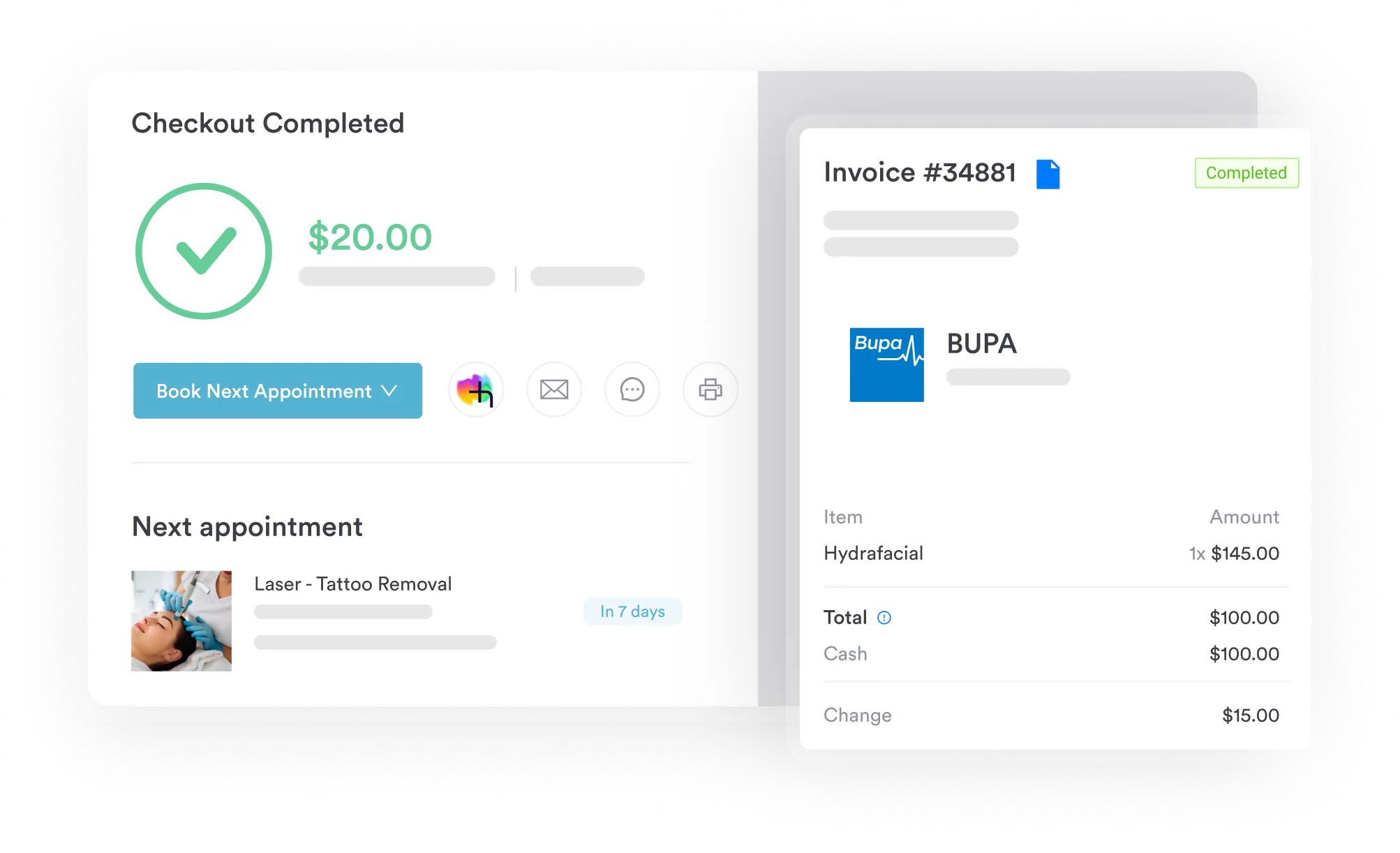
Prior authorization is tracked on each case, so the billing team can confirm a 58999 claim has its authorization before it goes out. For US claims, electronic submission runs through Pabau’s Claim.MD integration.

Pabau tracks prior authorizations on each case and submits US claims through Claim.MD, so your CPT 58999 claims go out with the authorization confirmed.

CPT code 58999 carries a higher documentation burden than most codes in the female genital system range. Treat it as the last code you check. Rule out a dedicated code and the three endoscopic unlisted codes first, then build the 58999 package before the claim goes out.
The payoff is a claim a reviewer can price on first read, with the operative report, necessity statement and comparable code already attached. The trade-off is time spent upfront, which is usually cheaper than working a denial and resubmitting.
Book a demo to see how Pabau tracks prior authorizations and submits US claims for gynecology practices.

Need a clearinghouse that handles unlisted gynecologic claims? Claim.MD clearinghouse overview explains how the integration submits US claims and handles eligibility checks and ERA remittances.
Tracking denials across your gynecology billing queue? Revenue cycle management guide covers the end-to-end workflow from charge capture through payment posting and denial appeal.
Building a submission checklist for unlisted codes? Medical billing compliance outlines the documentation standards that protect practices during payer audits of unusual procedure codes.
CPT code 58999 is used to bill gynecologic procedures that have no matching dedicated CPT code in the female genital system range (56405-58999). It applies to novel surgical techniques, rarely performed open gynecologic interventions, and combination procedures that cross anatomical boundaries no existing code captures. It is not a catch-all for complex cases that do have an established code.
Use CPT 58999 when no established CPT code exists for the procedure performed. Use modifier 22 when an established code does exist but the case required substantially more physician work than the descriptor implies. Never apply modifier 22 to code 58999; the two are not interchangeable and combining them creates a redundant claim that may trigger an edit.
Yes, Medicare can reimburse CPT code 58999, but there is no fixed fee schedule rate for the code. Medicare prices it by crosswalk to the comparable established CPT code in the documentation package. It then applies the geographic practice cost index and the facility or non-facility adjustment to that code’s RVU value. The allowed amount is determined case by case.
Every CPT 58999 claim requires a full dictated operative report and a signed physician medical necessity statement. It also needs a comparable established CPT code with a written rationale, plus a cover letter or box-19 narrative naming both codes. At least one ICD-10-CM diagnosis code must link the diagnosis to the procedure’s clinical necessity.
CPT 58578 covers unlisted laparoscopic procedures on the uterus, and CPT 58679 covers unlisted laparoscopy of the oviduct or ovary. Unlisted hysteroscopy of the uterus is CPT 58579. CPT 58999 covers unlisted procedures by an open, vaginal or other approach that has no unlisted code of its own. If the operative report documents a laparoscopic approach on the uterus, 58578 applies rather than 58999.
Prior authorization requirements vary by payer and plan. Many commercial payers with PA programs include unlisted codes in their authorization requirements. Medicare traditional fee-for-service generally does not require prior authorization for surgical procedures. The safest approach is to treat every unlisted code as PA-required until the payer’s policy confirms otherwise. Request authorization before the procedure whenever the clinical situation allows.