



HCPCS code E0198: Water pressure pad billing guide
HCPCS code E0198 is a water pad for a standard mattress HCPCS code E0198 is the ...

Last Updated: Oct 13, 2026

CPT code 30210 covers Proetz displacement therapy, the irrigation technique used to drain the ethmoid and sphenoid sinuses.
The AMA descriptor names the technique, not the sinus, so your note and diagnosis code carry the anatomic detail.
Medicare pays 30210 under the Physician Fee Schedule, with rates that move by locality and place of service.
Thin medical necessity documentation and bilateral modifier errors are the two denial triggers that account for most rejected claims.
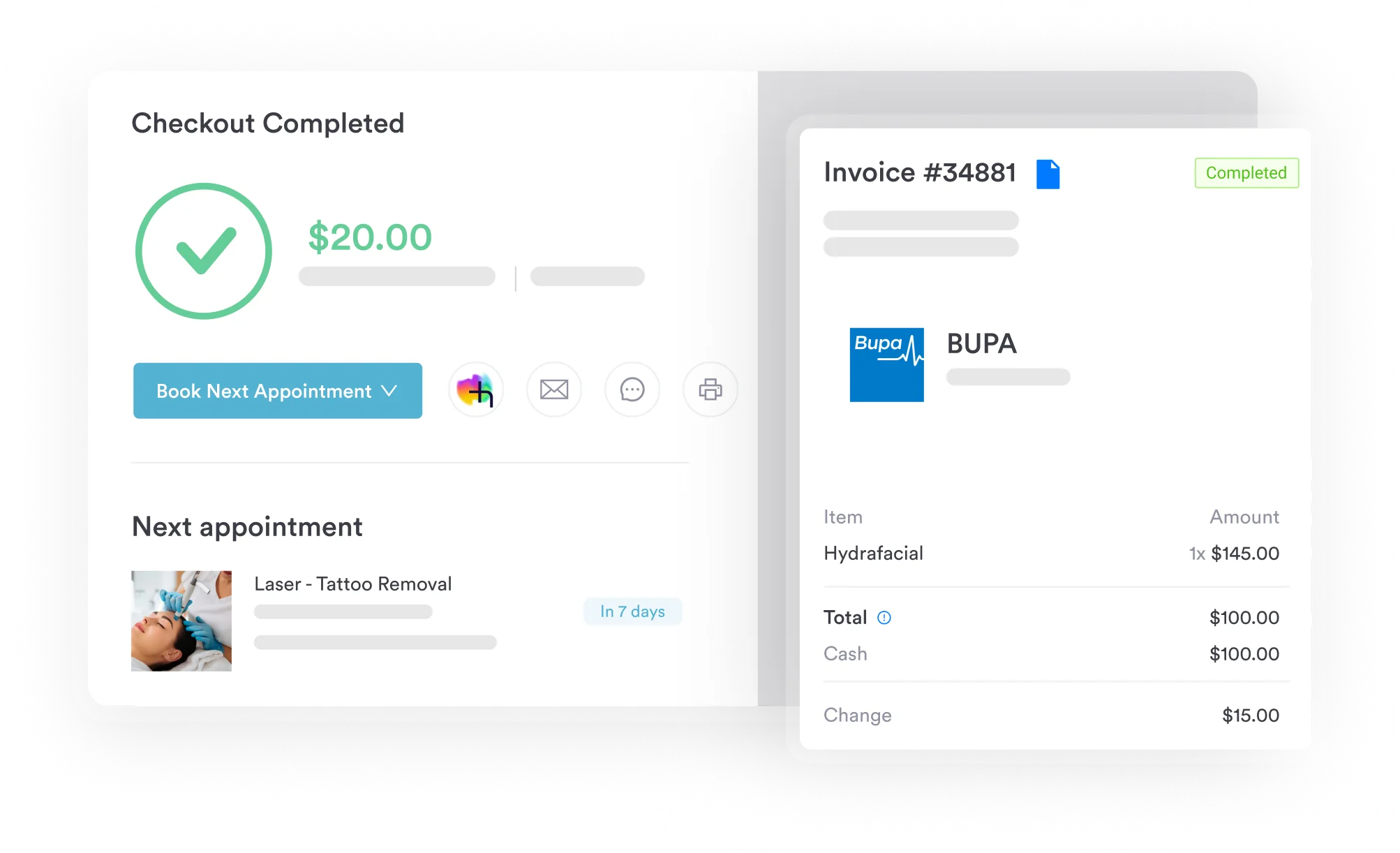
Pabau’s claims management software pre-fills a claim from the invoice on the patient record, then submits and tracks it electronically.
CPT code 30210 is the billing code for Proetz displacement therapy, an irrigation technique used to drain the ethmoid and sphenoid sinuses. The official AMA descriptor is four words long: displacement therapy (Proetz type). It names the technique and stops there.
That matters more than it sounds. Because the descriptor carries no anatomy, the payer has nothing to read except your procedure note and the diagnosis you paired with it. This reference covers the descriptor, clinical indications, reimbursement, modifiers, the ICD-10 crosswalk, documentation, and the denial patterns that derail these claims.
The American Medical Association publishes and maintains the CPT code set, and classifies 30210 under the nasal introduction procedures subsection. Coding references from AAPC tie the technique to the ethmoid and sphenoid sinuses, which is where Proetz displacement does its work.
Displacement therapy is a minimally invasive irrigation technique. The physician introduces solution into the nasal cavity, then uses negative pressure to draw infected or inflammatory material out of the sinuses. It usually happens in an office, once conservative treatment has failed but surgery is not yet on the table.
There is no separate displacement code for the maxillary sinus, and no wording in the descriptor that rules one out. So the anatomic claim you are making lives entirely in the note and the diagnosis code. Write ethmoid or sphenoid into the note, or the payer has no reason to believe the procedure matched the diagnosis.
Payers want a clear clinical rationale before they approve this code. The procedure fits when drainage of the ethmoid or sphenoid sinus is medically necessary, and less invasive measures have not resolved the condition.
The code does not cover routine nasal irrigation or lavage the patient performs at home. Once displacement stops working and the patient moves to surgical drainage of the sphenoid, coding moves with them to 31051.
The Centers for Medicare and Medicaid Services (CMS) sets payment for 30210 each year through the Medicare Physician Fee Schedule (MPFS). Rates move with geographic locality, place of service, and payer type. Verify current amounts in the CMS fee schedule lookup before you bill.
Work, practice expense, and malpractice RVUs are the three components behind that allowed amount. The FastRVU lookup returns current RVU values for 30210 by locality. The MPFS conversion factor, which changes each January, turns those components into a dollar figure.
Medicare covers displacement therapy of the ethmoid or sphenoid sinus when the service is medically necessary and properly documented. Geographic adjustment factors mean a practice in San Francisco sees a different allowed amount than one in rural Mississippi, for the identical procedure.
Check whether your Medicare Administrative Contractor (MAC) has a Local Coverage Determination covering sinusitis procedures in your region. Some MACs publish documentation criteria that go beyond the AMA descriptor. Meeting those criteria before the claim goes out is the most reliable way to avoid a medical necessity denial.
Run a quarterly audit of your 30210 claims against your MAC’s coverage policy for sinusitis procedures. If the local policy has moved since you last billed this code, your documentation template may no longer meet it. Catching that before claims go out saves an appeals cycle.
Modifier selection affects both payment accuracy and claim acceptance. Applying the wrong modifier, or leaving out one a payer requires, is among the most avoidable denial causes in ENT billing.
Modifier 50 comes up often, because the ethmoid and sphenoid sinuses are bilateral structures. Before you append it, check the current National Correct Coding Initiative (NCCI) edits and your payer’s bilateral billing policy. Some commercial payers want two line items, one with LT and one with RT, instead of a single line with modifier 50.
Every 30210 claim needs at least one ICD-10-CM diagnosis code behind it. The diagnosis is what tells the payer which sinus you treated and why. A vague or mismatched diagnosis code is one of the fastest routes to a denial, even on a well-documented procedure.
Check every ICD-10-CM code against the current fiscal year’s code set before billing, since the code set changes each October. A current medical coding cheat sheet at the billing desk catches revised and retired codes early. The CrossCoder crosswalk tool confirms which diagnoses support medical necessity under your MAC’s policies.
Thin documentation is the most preventable denial cause on this code. The payer confirms three things from your record. Did the procedure happen, did it happen at the site you billed, and did the patient’s history make it necessary?
A note missing the medical necessity statement or the attestation puts the whole claim at risk, however well the procedure went. Digital clinical forms pre-mapped to those six items keep incomplete notes away from billing. A one or two-physician office running EMR for small practices can build the same checklist into the note template.
Consent paperwork carries its own deadline on some procedures. Medicaid requires the sterilization consent form behind CPT code 00851 to be signed and dated at least 30 days before surgery. Missing or incomplete forms are the leading cause of Medicaid denials on that code.
The same discipline applies across every form your practice uses, and standardizing medical forms is where most of that consistency comes from.
30210 sits inside the Introduction Procedures on the Nose subsection. Knowing its neighbors prevents upcoding and helps coders pick the most specific code when several procedures happen in one session.
A physician may perform a turbinate injection and displacement therapy in one session. Modifier 51 on the secondary procedure tells the payer that two distinct services took place. Check the NCCI edits first to confirm the pair is not bundled. Nasal work under general anesthesia falls outside this range entirely, as range entirely, as 30310 shows.
Denial patterns on this code are consistent enough across payers that you can head most of them off before the claim leaves the practice.
The AAPC Codify lookup carries modifier applicability data that helps coders sanity-check the claim logic first. Most appeals on this code succeed when the practice can produce a complete note with a medical necessity statement. The documentation hour costs less than the appeal. Running those checks inside your practice management software keeps them from depending on one person’s memory.
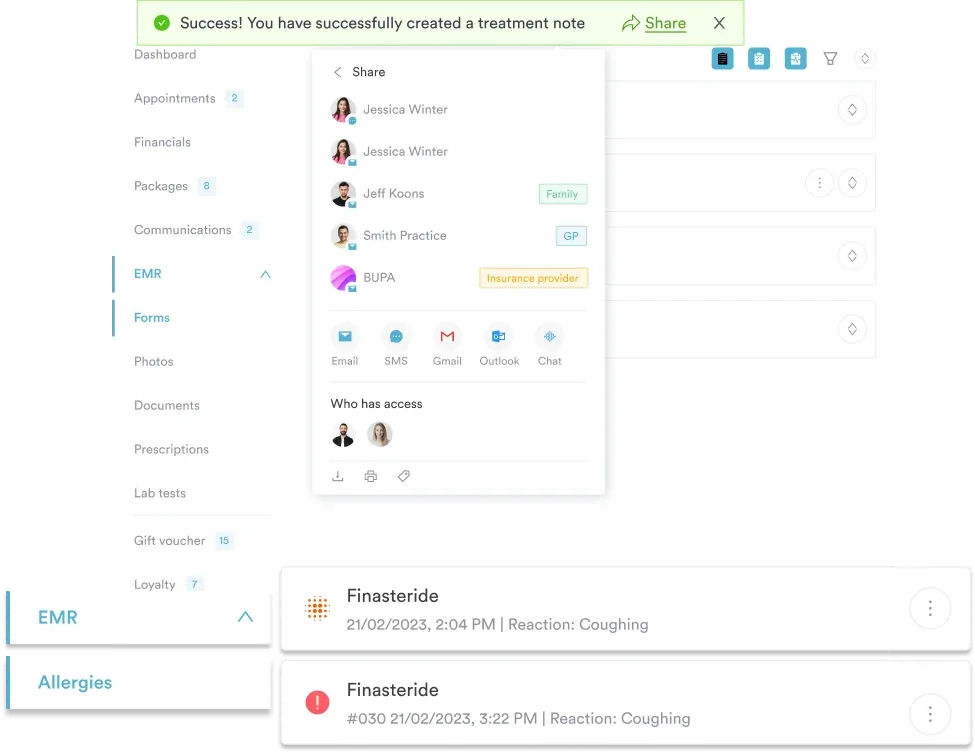
In most ENT offices, the note lives in one system and the claim gets typed into another. Every hand-off is a chance for the sinus, the laterality, or the modifier to arrive wrong. Practice management software like Pabau keeps the record, the invoice, and the claim in one place, so nothing gets re-keyed.
Pabau’s claims management software is a submission and tracking tool. It pre-fills the claim from the invoice already on the patient record, sends it electronically, and reports the status back to you. Code selection stays with your coder, and the claim carries what the invoice says.
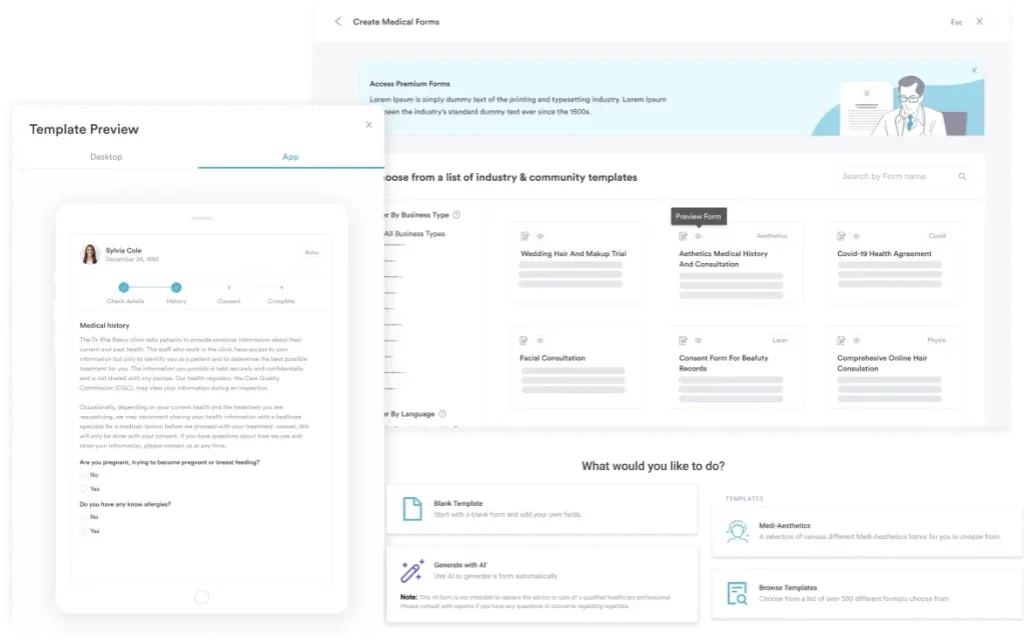
Documentation templates can be pre-mapped to the fields a 30210 note needs, from the sinus treated through to the physician attestation. A blank required field gets flagged before the note is signed, which is a cheaper moment to fix it than after a denial. Pabau’s clinical record management tools hold that structure on every note a payer might request.
Denial rates by CPT code come from Insights Plus, our additional reporting and analytics add-on. It is a paid extra rather than part of every subscription. If 30210 fails more often than the rest of your procedure mix, that pattern shows up in the numbers well before it dents a quarter.

Pabau keeps clinical notes, invoices, and claim submission on one patient record. Your billers stop retyping the same sinus, laterality, and modifier detail into a second system.

The descriptor for 30210 is four words long, so it will never carry the anatomy a payer wants to see. Your procedure note and your diagnosis code do that job instead, which makes this a documentation code more than a coding one.
So decide which of the two you trust less today. If it’s the note, fix the template before your next sinusitis clinic. If it’s the modifier, pull your last twenty bilateral claims and read them against your payer’s policy.
Book a demo to see how Pabau keeps ENT documentation and claim submission on the same patient record.

Coding another ENT scope procedure? CPT code 31541 walks through laryngoscopy with an operating microscope, and the documentation payers expect with it.
Billing an airway dilation? CPT code 31528 covers direct laryngoscopy with dilation, including how the initial session differs from a repeat.
Coding a minor ENT excision procedure? CCSD code D0132 guide covers billing for excision of an accessory auricle in UK private healthcare.
Billing another ENT biopsy procedure? CCSD code D0610 guide explains why pinna lesion biopsy claims get rejected and how to submit them correctly.
Billing a nasal septum biopsy too? CCSD code E0330 guide covers billing for tissue sampling from the nasal septum in UK private practice.
CPT code 30210 bills for Proetz displacement therapy, an irrigation technique that drains the ethmoid and sphenoid sinuses. It sits in the Introduction Procedures on the Nose range, 30200 to 30220, and is performed mainly by otolaryngologists.
Medicare pays 30210 under the Physician Fee Schedule, with separate rates for facility and non-facility settings. The office rate is the higher of the two, because it includes the practice expense. Dollar amounts change every January with the conversion factor, so check the CMS lookup tool against your locality code.
The main crosswalk codes are J32.2 for chronic ethmoidal sinusitis and J32.3 for chronic sphenoidal sinusitis. For acute presentations, use J01.20 or J01.30. The diagnosis has to match the sinus named in your note. A maxillary-only code such as J32.0, on a note that never mentions the ethmoid or sphenoid, invites a medical necessity denial.
Four causes account for most denials. The first is a diagnosis that contradicts the procedure note, and the second is missing medical necessity documentation. Modifier errors on bilateral claims come third, and unsigned or incomplete notes come fourth. Medicare’s documentation requirements make that last one a consistent trigger.
Most commercial payers cover 30210 where the procedure is medically necessary, though criteria and rates vary by plan and contract. Some follow their own coverage policies rather than Medicare’s. Verify coverage and any prior authorization requirement with the payer before performing the procedure.



