CPT code 93503: Swan-Ganz catheter billing and modifiers
CPT code 93503: Official descriptor and procedure overview In the AMA CPT code s...

Last Updated: Oct 23, 2026

CPT code 15005 is the add-on for each additional 100 sq cm of recipient site preparation on the face, neck, hands, feet, or genitalia.
The 15002/15003 and 15004/15005 pairs differ only by anatomic site, not by wound type, so 15005 pairs with 15004 alone.
Each unit of 15005 covers 100 sq cm beyond the first 100 sq cm that CPT 15004 already covers.
Report 15002-15005 only when a graft, flap, skin substitute, or negative pressure wound therapy follows in the same treatment plan.
Debridement of a chronic wound left to heal by secondary intention belongs to 11042-11047 or 97597-97598, not to the surgical prep codes.
CPT code 15005 covers each additional 100 sq cm of recipient site preparation on the face, scalp, neck, hands, feet, or genitalia. It is an add-on code, and it is reported only with primary code CPT 15004.
Wound prep claims generate heavy denial volume, and most of it is mechanical. The add-on arrives without its primary code, or the unit count does not match the defect recorded in the operative note.
The code belongs to the integumentary system section of the AMA’s CPT code set, which maintains the whole 15002-15005 family. This guide covers the descriptor, pairing rules, unit math, modifiers, documentation, and the most common denial causes.
One detail in that descriptor drives most of the confusion around this family. The site list is what separates 15004 and 15005 from 15002 and 15003, not the type of wound.
The two pairs describe the same procedure on different parts of the body. Their long descriptors are word for word identical apart from the anatomic site list.
Both pairs describe the same work. That work is excision of open wounds, burn eschar, or scar, or incisional release of scar contracture.
So a burn on the hand is still 15004, and a chronic ulcer on the calf is still 15002. The type of wound never moves a case between the two tracks.
Because the two site lists do not overlap, 15005 never pairs with 15002. A single prepared site falls into one track or the other, so the codes cannot both apply to it.
A patient may have wounds prepared on the thigh and on the hand in one session. Report 15002 for the thigh and 15004 for the hand, then add 15003 or 15005 for the extra area at the matching site.
Don’t carry that two-way split into the rest of the integumentary section. Lesion shaving and excision use three site groups.
Report 15002 through 15005 only when the prepared wound bed goes on to receive coverage in the same treatment plan. Coverage means an autograft, a flap, a skin replacement or substitute, or negative pressure wound therapy.
These are recipient site preparation codes, and they assume the wound is being closed to heal by primary intention. The work they describe is creating a clean, viable surface for that closure.
CPT guidance is explicit about the flip side. Removing nonviable tissue or debris from a chronic wound that is left to heal by secondary intention is not surgical preparation.
That work belongs to debridement codes 11042-11047. A venous leg ulcer or a diabetic foot ulcer debrided at a routine visit is the classic example.
Payers read the operative note for that intent. If nothing was placed on the wound and nothing was planned, the surgical prep codes will not survive review.
A dermatology EMR platform makes it easy to document lesion measurements that determine which code applies.
CPT 15005 carries a ZZZ global period indicator in the Medicare Physician Fee Schedule. ZZZ marks an add-on code with no global period of its own, so it takes the one attached to its primary procedure.
Three rules follow from that indicator.
Practices transmit these lines electronically as an 837 file, and the payer’s system rejects the add-on when CPT 15005 arrives without CPT 15004 in the same transaction.
Unit counting: each unit of 15005 equals one additional 100 sq cm, or part thereof, beyond the first 100 sq cm covered by 15004. For patients under 10 years old, each unit is an additional 1% of total body area.
Measure the defect created by the preparation, not the size of the original wound. The two are rarely the same, and reviewers audit against the defect the note records.
A patient arrives with a full-thickness scalp burn. The surgeon excises eschar across 260 sq cm and places a split-thickness autograft the same day.
Billing three units of 15005 is the error to watch for here. The first 100 sq cm already sits inside 15004, so it cannot be counted twice.
Payment for 15005 comes from the Medicare Physician Fee Schedule and varies by locality and setting. Look the code up in the fee schedule tool for your Medicare Administrative Contractor (MAC) locality before quoting a figure.
Add-on codes sit outside the multiple procedure payment reduction. Each unit of 15005 is priced on its own. A second or third unit is not cut the way a second surgical procedure would be.
The non-facility rate is the higher of the two, because it covers practice expense the physician carries in an office. In a hospital outpatient department or an ambulatory surgery center (ASC), the facility bills that overhead instead.
Facility payment tracks the primary code, since an add-on follows the procedure it attaches to. Check the current Outpatient Prospective Payment System and ASC addenda for CPT 15004 before assuming the site of service is covered.
Modifier choice affects payment and acceptance in equal measure. Modifier 51 never belongs on 15005, and the rest depend on what else happened during the session.
The operative note has to support every unit billed. Records that fail pre-payment review usually miss one of the same six items.
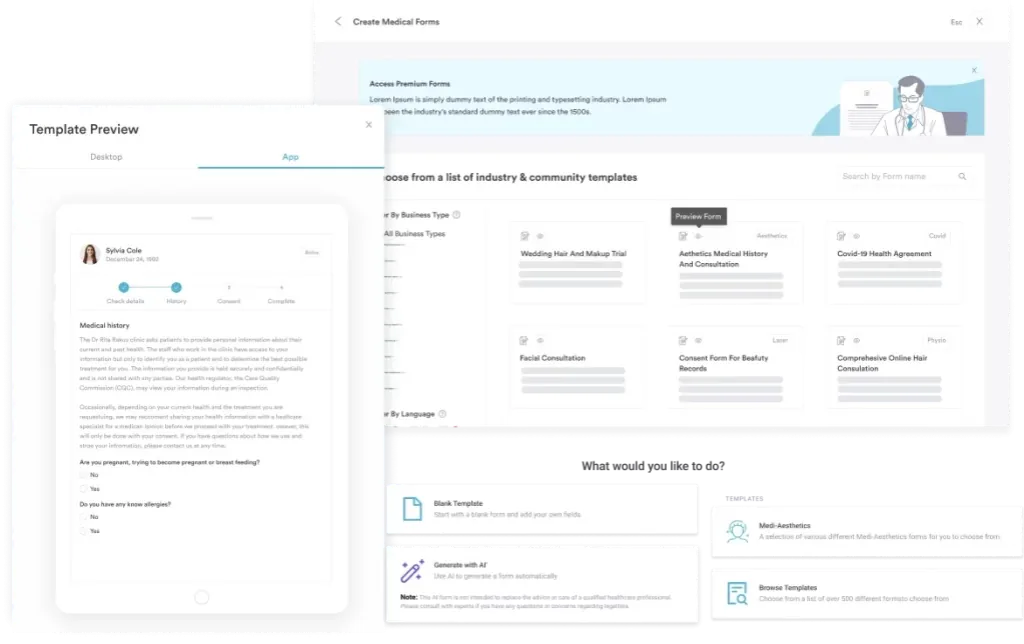
Structured clinical forms keep those fields in front of the clinician while the note is being written. A measurement captured at the bedside is one that billing does not have to chase later.
The diagnosis codes on the claim also have to match the wound described in the note. A mismatch between the narrative and the diagnosis is a routine audit trigger.
Payers want a diagnosis that explains why the wound needed surgical preparation. Specificity carries the argument, because an unspecified ulcer code is much harder to defend at review.
Two families sit outside that table. Traumatic wounds take S-codes chosen by site and encounter. An inflammatory cause such as M31.0 is coded alongside the ulcer, not in place of it.
Code to the highest specificity the record supports. Unspecified codes are defensible only when the detail genuinely is not documented anywhere in the chart.
Most 15005 denials trace back to six recurring mistakes. All six are catchable before the claim leaves the practice. A practice management platform with structured documentation checks will surface several of them.
Tracking denials by code is how billing teams spot a systemic problem instead of chasing one claim at a time. A cluster of 15005 rejections usually points at a single habit, not at a run of bad luck.
Run a monthly report on denied lines for CPT 15005 and sort them by reason code. Missing primary code points at claim construction. Insufficient documentation points at the operative note. A non-covered service denial often means the case was debridement rather than recipient site preparation. Each root cause needs its own fix, so separate them before you change anything.
Medicare Administrative Contractors publish Local Coverage Determinations, known as LCDs, that set medical necessity criteria for wound care procedures. Requirements differ by jurisdiction, so the policy that governs your claims depends on where you practice.
Search the Medicare Coverage Database for your MAC before you build wound care documentation templates. An LCD often names the exact findings a note has to contain.
Commercial payers set their own rules. Many follow Medicare as a baseline, and some ask for prior authorization on surgical wound preparation, particularly when it repeats across visits.
Common LCD themes for this family include failed conservative treatment, documented infection or chronicity, and a qualified provider doing the work.
Add-on coding breaks down when the clinical record and the billing record live in different systems. The coder sees a procedure line with no defect measurement, or a note that never says what covered the wound.
Practice management software like Pabau keeps both in one patient record. Treatment notes and digital forms capture the site, the defect size, and the planned coverage while the clinician is still with the patient.
Our guide to the best medical billing software in the US compares platforms on pricing, claims tools, and reporting depth for practices weighing more than one system.
Charges attach to the same appointment, so the invoice and the treatment note point at one encounter. Billing does not have to rebuild the case from two systems a week later.
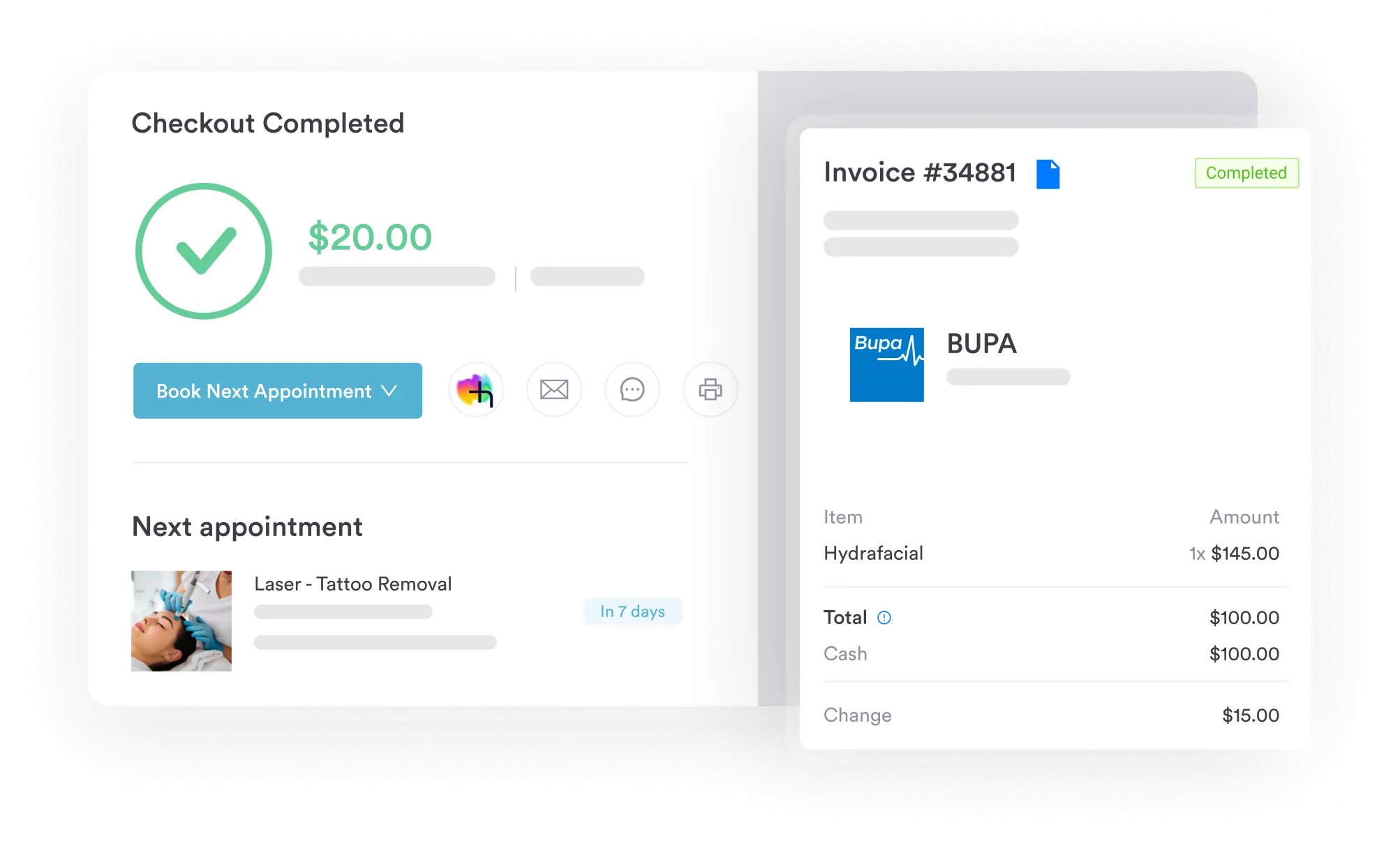
For wound care practices with high chronic wound volume, that check stops incomplete records at the source.
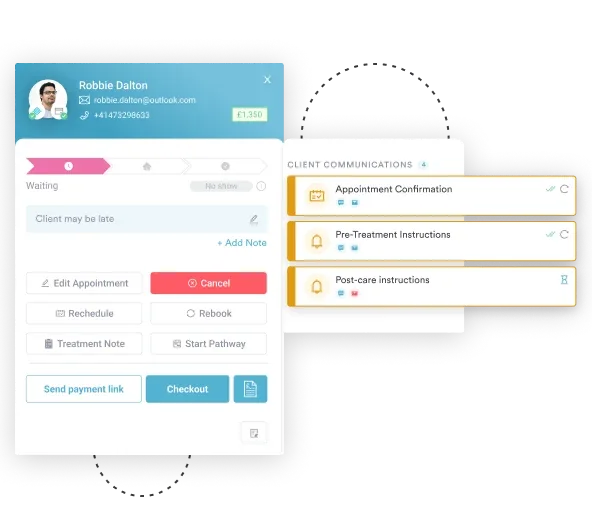
In a plastic surgery practice with steady graft volume, that view separates a coding habit from a one-off case.
Every charge stays attached to the note behind it. When a payer asks for records on a 15005 line, the measurement and the operative detail are already on file.

Pabau keeps the wound measurement, the anatomic site, and the planned coverage in one patient record. Coders can confirm CPT 15004 and its 15005 units before the claim goes out.

The descriptor is the easy part of CPT 15005. The judgment call is whether the case belongs to this code family at all.
Ask what happened to the wound bed after preparation. Did a graft, flap, skin substitute, or negative pressure wound therapy go on? If the site is also in the 15004 list, 15005 carries the extra area. If the wound was dressed and left to granulate, the debridement codes are the honest answer. A clean claim carries the code, the modifiers and the diagnosis in agreement, and needs no rework before payment. Payment for this code arrives with a remittance advice that explains any adjustment line by line.
Get that judgment right and the unit math is simple arithmetic. Get it wrong and every unit on the claim is exposed at review. Book a demo to see how Pabau keeps wound measurements, coding notes, and charges on one patient record.

Need the primary code that 15005 attaches to? CPT code 15004 covers the first 100 sq cm of recipient site preparation on the face, hands, feet, and genitalia.
Preparing a wound bed on the trunk, arms, or legs? CPT code 15002 explains the parallel track and the 15003 add-on that goes with it.
Working out whether the case is debridement instead? CPT code 11042 sets out the depth and area rules for subcutaneous tissue debridement.
Treating a wound with no graft planned? CPT code 97597 covers selective debridement and active wound care management.
Coding a lesion on the face instead of a wound bed? CPT code 11312 shows how the lesion shaving families divide by anatomic site.
CPT code 15005 reports each additional 100 sq cm of recipient site preparation on the face, scalp, neck, hands, feet, genitalia, or multiple digits. It is an add-on to CPT 15004, and it applies when the prepared bed receives a graft, flap, skin substitute, or negative pressure wound therapy.
CPT 15004 is the only primary code for CPT 15005. The 15002 and 15003 pair covers the trunk, arms, and legs. The 15004 and 15005 pair covers the face, scalp, neck, hands, feet, genitalia, and multiple digits. A single prepared site cannot fall in both groups, so 15005 never attaches to 15002.
Medicare payment for CPT 15005 varies by locality and by place of service. Look the code up in the CMS Physician Fee Schedule tool for your MAC locality to get a current figure. Add-on codes are exempt from the multiple procedure payment reduction, so each unit is priced on its own.
Use 11042-11047 or 97597-97598 when nonviable tissue is removed from a chronic wound that is left to heal by secondary intention. The 15002-15005 family applies only when the wound bed is being prepared for a graft, flap, skin substitute, or negative pressure wound therapy.