



HCPCS code E0198: Water pressure pad billing guide
HCPCS code E0198 is a water pad for a standard mattress HCPCS code E0198 is the ...

Last Updated: Oct 13, 2026

CPT Code 00192 describes anesthesia for radical surgery on facial bones or skull, including procedures that correct prognathism, with an ASA base unit value of 7.
Reimbursement is calculated using the formula: (base units + time units + modifying units) x the Medicare anesthesia conversion factor, which CMS updates annually.
Physical status modifiers P1-P5 and provider modifiers (AA, QX, QZ) are required with CPT Code 00192. Missing either is among the top denial reasons.
Pabau’s claims management software helps anesthesia practices apply modifiers accurately and submit complete claims with the supporting documentation Medicare requires.
CPT Code 00192 covers anesthesia for radical surgery on the facial bones or skull, including procedures that correct prognathism, an abnormally protruding jaw.
According to the American Medical Association (AMA), the official descriptor for CPT Code 00192 is anesthesia for procedures on facial bones or skull: radical surgery, including prognathism.
The code carries an ASA base unit value of 7 and falls within the CPT anesthesia section (codes 00100-01999), which uses base units and time units rather than the work RVU model applied to surgical CPT codes.
CPT Code 00192 is often confused with 00190, the “not otherwise specified” code for the same facial bone and skull region. 00192 is actually the more specific of the two, reserved for radical procedures rather than a catch-all default.
Anesthesia practices relying on claims management software to track base and time unit calculations can reduce arithmetic errors that cause systematic underpayment.
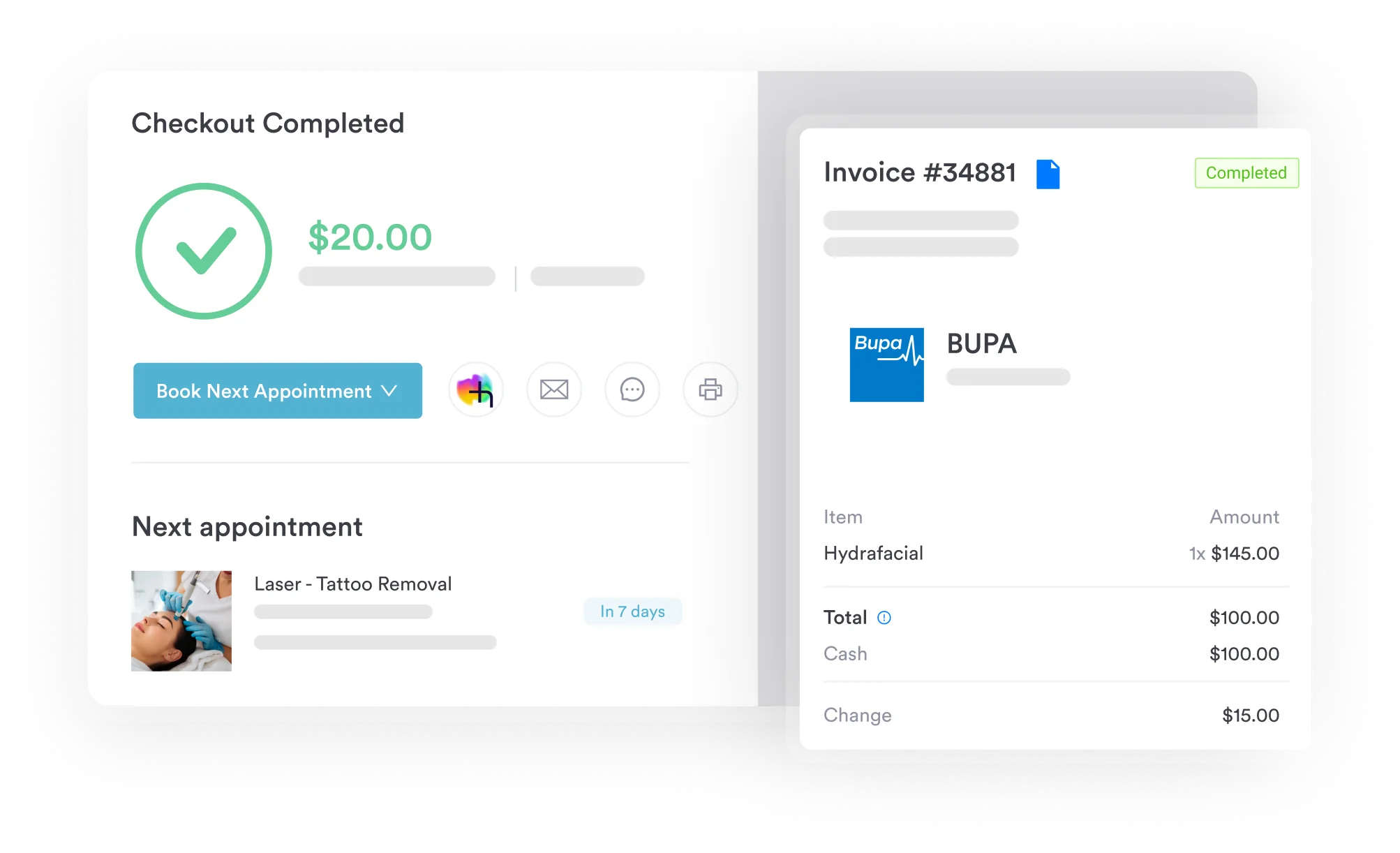
The table below summarizes the essential billing reference data for CPT Code 00192. Use it as a quick-check before submitting any claim for facial bone or skull anesthesia.
CPT Code 00192 applies to radical surgery on the facial bones or skull, including procedures that correct prognathism. It carries a higher base unit value than the lower-scope 00190 code for the same anatomical region. These are the clinical scenarios where 00192 is the appropriate choice.
Oral and maxillofacial surgeons and their billing teams should confirm a procedure meets the radical-surgery threshold before assigning 00192 rather than the lower base-unit 00190. Practices billing plastic and reconstructive surgery alongside oral surgery will encounter 00192 most frequently in extensive craniofacial reconstruction and facial trauma cases.
Anesthesia reimbursement uses a unit-based model, not the RVU model used for surgical codes. Understanding this formula is essential before submitting any claim for CPT Code 00192.
The American Society of Anesthesiologists (ASA) assigns a base unit value to each anesthesia code. For CPT Code 00192, the ASA base unit value is 7, verified against the current ASA Relative Value Guide, as values can be revised annually.
Time units are calculated by dividing actual anesthesia time by 15-minute increments, meaning a 60-minute case generates 4 time units. Modifying units add additional value for physical status and qualifying circumstances.
For current RVU values and reimbursement estimates, use the FastRVU lookup tool, which pulls from CMS data and applies geographic modifiers. Practices billing across multiple locations should check locality-specific conversion factors, as reimbursement varies by geographic area.
Physical status modifiers classify a patient’s health status at the time of anesthesia. They are required on anesthesia claims and directly affect reimbursement when payers recognize additional modifier units.
Important: not all payers reimburse additional units for P3-P5 modifiers. Medicare and many commercial payers recognize only the physical status modifier for documentation purposes, without adding reimbursable units. Always verify payer-specific policy before expecting additional payment.
The physical status classification must be documented in the pre-anesthesia evaluation note, not assigned retrospectively. Practices using digital forms for pre-anesthesia assessments can standardize this documentation capture at the point of care.

Provider-type modifiers determine who performed the anesthesia service and the supervision arrangement. Applying the wrong modifier is a compliance risk and a denial trigger.
The distinction between QX and QZ has direct compliance implications. QX requires a documented medical direction relationship between the supervising anesthesiologist and the CRNA. Billing QX without that relationship constitutes a false claim under the Medicare Claims Processing Manual, Chapter 12. State-level supervision requirements for CRNAs also vary. Confirm applicable rules before billing. A payer reviewing this code looks for the reasoning in the note, not only the conclusion, so the documentation level matters.
Audit your anesthesia claims quarterly for modifier consistency. A claim billed with AA for one case and QY for another, when the provider arrangement was identical, signals a documentation inconsistency that payers flag during prepayment review. Run a modifier frequency report from your billing system and investigate outliers before an auditor does.
Qualifying circumstances codes (99100-99140) may be appended to CPT Code 00192 when unusual conditions increase the complexity or risk of administering anesthesia. These are add-on codes, not standalone billable codes.
Many commercial payers do not reimburse separately for qualifying circumstances codes. Verify payer policy before billing these add-on codes with CPT Code 00192.
For craniofacial procedures on pediatric patients under age 1. Documenting the qualifying circumstance in the intraoperative anesthesia record, not just on the claim form, is essential for withstanding audit scrutiny.
Medicare calculates anesthesia payment using the formula: (base units + time units + modifying units) multiplied by the anesthesia conversion factor. The conversion factor is published annually in the Medicare Physician Fee Schedule Final Rule and varies by geographic locality.
For CPT Code 00192 with a base unit value of 7, a 90-minute procedure (6 time units) and a P1 patient (0 modifying units) generates 13 total units. Multiply those 13 units by the applicable conversion factor to calculate the Medicare allowable.
Reimbursement is specific to the MAC (Medicare Administrative Contractor) jurisdiction where the service was rendered, so a practice billing in California will receive a different rate than one in rural Ohio. Use the AAPC Codify CPT lookup to cross-reference code-level reimbursement data alongside the official fee schedule.
Specific dollar amounts should always be verified against the current CMS Medicare Physician Fee Schedule, as rates change annually. Practices managing multiple payer contracts alongside Medicare can benefit from automated billing workflows that apply contract-specific fee schedules at the claim level rather than relying on manual rate tables.
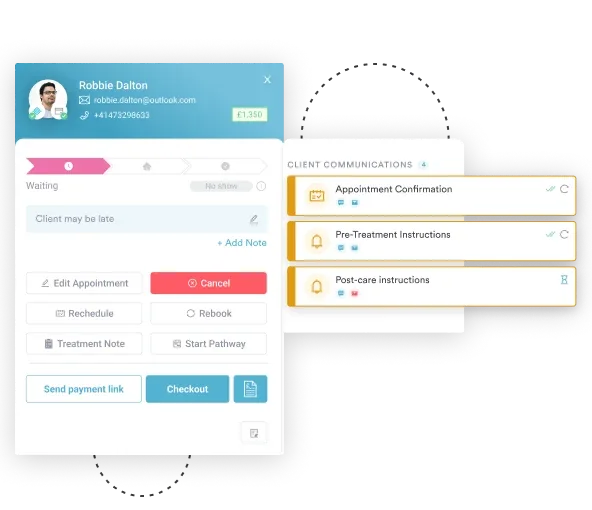

Pabau helps anesthesia and surgical practices apply modifiers accurately, capture pre-anesthesia documentation, and submit complete claims. See how it works for your billing workflow.

Every anesthesia claim requires a diagnosis code that supports medical necessity. The ICD-10 codes below are among the most frequently paired with CPT Code 00192 based on the procedures it covers. Payer policies on acceptable diagnosis pairings vary, so verify against the applicable Local Coverage Determination (LCD) where one exists.
For bilateral fractures or procedures involving multiple facial bones, coders should sequence the most resource-intensive diagnosis code first. Practices billing for complex craniofacial cases may find value in reviewing how medical forms can capture diagnostic detail at the pre-operative consultation stage, reducing the risk of missing diagnosis codes at claim submission.
Skin cancer excision on the face or skull.
Anesthesia claims for CPT Code 00192 require three distinct documentation layers: the pre-anesthesia evaluation, the intraoperative anesthesia record, and the post-anesthesia note. Missing any one of them is sufficient grounds for denial or recoupment.
For Medicare, the anesthesia record must support the exact time billed. A record showing anesthesia from 8:02 to 9:47 covers 105 minutes, which is exactly 7 full 15-minute time units.
Overstating time units is among the most common audit triggers in anesthesia billing.
Claim denials for anesthesia codes follow predictable patterns. These are the errors that consistently delay reimbursement for CPT Code 00192 and how to prevent them.
Practices with high anesthesia claim volumes should run periodic denial analysis segmented by error type. Anesthesia denials tend to cluster around the same root causes in a given billing team, so fixing the upstream documentation or workflow issue resolves multiple claims at once, rather than correcting them one at a time.
Anesthesia billing involves more interdependent moving parts than most code categories: physical status modifiers, provider-type modifiers, time unit calculations, qualifying circumstances, and three separate documentation layers that all need to align before a claim goes out. Errors at any one of those steps generate denials.
Pabau’s claims management software helps surgical and anesthesia practices structure their pre-anesthesia documentation capture through configurable digital intake and assessment forms, so the physical status classification, consent, and risk assessment data are captured before the procedure and available at billing time.
For practices running multi-provider anesthesia teams.
For practices evaluating broader practice management software options for surgical settings, Pabau provides an integrated workflow from pre-operative documentation through post-procedure billing, reducing the handoff points where modifier and documentation errors typically occur.
CPT Code 00192 sits in a broader anesthesia code family that spans the surgical specialties Pabau supports. The same documentation and modifier workflow applies across each of these codes.
CPT Code 00192 is a straightforward code with a complex billing environment. The base unit value is fixed, but reimbursement depends on accurate time documentation, correct modifier selection, and diagnosis codes that support medical necessity, and errors in any layer compound into denials that take weeks to resolve.
Pabau’s compliance management and claims tools help anesthesia and surgical practices resolve those documentation issues before claims go out, not after denials come back. To see how Pabau handles anesthesia billing workflows in practice, book a demo with the team.

Billing other anesthesia add-on codes? CPT Code 00537 covers the full billing reference for anesthesia during cardiac procedures involving pericardial sac access.
Billing a screening service alongside anesthesia claims? HCPCS Code G0180 outlines documentation requirements for physician certification of home health services.
Need the right diagnosis code for a related jaw condition? ICD-10 Code M84.9 covers unspecified disorders of bone continuity that often accompany facial bone procedures.
CPT Code 00192 is used to bill anesthesia for radical surgery on the facial bones or skull, including procedures that correct prognathism, an abnormally protruding jaw. It covers facial bone reconstruction, craniofacial surgery, skull base surgery, and orthognathic osteotomies performed at the radical-surgery level of complexity.
CPT Code 00192 has a base unit value of 7 per the ASA Relative Value Guide, reflecting its radical-surgery designation rather than a routine procedure. This value may be revised in annual ASA RVG updates, so verify against the current guide before calculating reimbursement estimates.
Medicare reimburses CPT Code 00192 using the formula: (base units + time units + modifying units) multiplied by the Medicare anesthesia conversion factor. The conversion factor is updated annually and varies by geographic locality. Verify current rates using the CMS Medicare Physician Fee Schedule lookup tool.
CPT Code 00192 requires two modifier categories: a physical status modifier (P1-P5) documenting the patient’s health classification, and a provider-type modifier identifying who performed the service (AA for a personally performing anesthesiologist, QX for a supervised CRNA, QZ for an independent CRNA). Both are required on every claim.
CPT Code 00192 and CPT Code 00190 both apply to the facial bones and skull, but at different levels of complexity. 00192 covers radical surgery, including procedures that correct prognathism, and carries 7 base units. 00190 is the not-otherwise-specified code for the same region and carries 5 base units. Intracranial and brain procedures fall outside this pair entirely, in a separate code range such as CPT Code 00210. Confirm a procedure meets the radical-surgery threshold before assigning 00192.
Billing CPT Code 00192 requires three documentation elements: a pre-anesthesia evaluation completed before the procedure (including physical status classification and informed consent), a complete intraoperative anesthesia record showing start and stop times, medications, and provider identity, and a post-anesthesia note documenting the patient’s condition at discharge from anesthesia care.



