

HCPCS Code L0472: Hyperextension TLSO billing guide
HCPCS code L0472: Official descriptor and device definition HCPCS code L0472 des...

Last Updated: Nov 5, 2026
M0813 is the CCSD code for percutaneous biopsy of renal transplant. CCSD stands for Clinical Coding and Schedule Development, the group of insurers that maintains the procedure schedule UK private medical insurers use. The code covers a needle biopsy of a transplanted kidney, usually under ultrasound guidance, to check for rejection or other graft disease.
M0813 sits in Chapter 12 of the CCSD schedule, Urinary system and male reproductive organs, under Kidney / Renal Pelvic. It applies only to an allograft. Open biopsy of a native kidney is M0814, and the pathology report on the cores is billed separately.
Let Pabau's smart automation suggest the right codes, reduce claim denials, and keep your practice compliant—effortlessly.
Automate repetitive tasks and focus on what matters most—your patients.
Reduce coding errors and ensure compliance with the latest regulations.
Clean claims, fewer denials, and faster reimbursements.
Powerful insights and reporting to help your practice thrive.
HIPAA compliant SOC 2 certified GDPR-compliant Trusted by 4,000+ clinics worldwide

CCSD Code M0813 covers percutaneous needle biopsy of a renal transplant (allograft), not a native kidney.
Open biopsy of a native kidney is M0814, so confirm transplant status in the record before coding.
Ultrasound guidance is not automatically bundled, so check the insurer’s current bundling rules before reporting it separately.
Most UK private insurers require pre-authorisation before the procedure, and retrospective approval is rarely granted.
Histopathology on the biopsy cores is billed separately by the pathology laboratory, under the same episode date.
CCSD Code M0813 is listed in the CCSD (Clinical Coding and Schedule Development Group) schedule with the official descriptor “Percutaneous biopsy of renal transplant.” It sits in Chapter 12, Urinary system and male reproductive organs, and describes a needle biopsy of a transplanted kidney rather than a native one. Whether the kidney is a graft or the patient’s own decides which code applies.
The schedule is maintained by the CCSD Group, made up of major private healthcare insurers. UK private insurers use it to pay for specialist procedures. M0813 covers obtaining the tissue. The pathology analysis of the cores is billed separately under the appropriate histopathology code. Neighbouring Chapter 12 codes are indexed in the CCSD code library.
A percutaneous renal transplant biopsy takes one or more tissue cores from a transplanted kidney with a spring-loaded needle. The device is typically a 16G or 18G tru-cut needle. The anatomy differs from a native kidney biopsy. A transplant kidney sits in the iliac fossa rather than the retroperitoneum. It is reached from the front and is usually easier to see on ultrasound.
The British Transplantation Society (BTS) sets the standard of care for this procedure. Pre-procedure workup includes a coagulation screen, platelet count, and blood pressure control. The procedure itself typically follows these steps:
The percutaneous approach is distinct from open surgical biopsy (performed under general anaesthesia via a formal incision) and from laparoscopic biopsy. CCSD Code M0813 covers only the percutaneous approach; open or laparoscopic access would fall under different codes.
The clinical indication documented in the patient record is the primary driver of medical necessity for any M0813 claim. UK private insurers will not authorise the procedure without a clearly stated clinical justification linking the biopsy to one of the following recognised indications.
The Banff classification is the standard histological grading framework for renal allograft biopsies. It is published by the Banff Working Group and referenced in BTS guidelines and international nephrology protocols. When a biopsy obtained under M0813 reaches the histopathology laboratory, the pathologist reports findings using Banff diagnostic categories.
Billing staff need the Banff terms because the pathology report uses them, and they reappear in the supporting documents sent to insurers. The categories below use the legacy Banff 1997/2007 category numbers; current reports use the Banff 2019 lesion-score classification.
The histopathology report is billed separately. CCSD Code M0813 covers obtaining the tissue, and the laboratory analysis is coded under the relevant CCSD pathology chapter.
Missing documentation is a leading reason UK private insurers query or deny M0813 claims. Every element below should be in the clinical record before a claim is submitted.
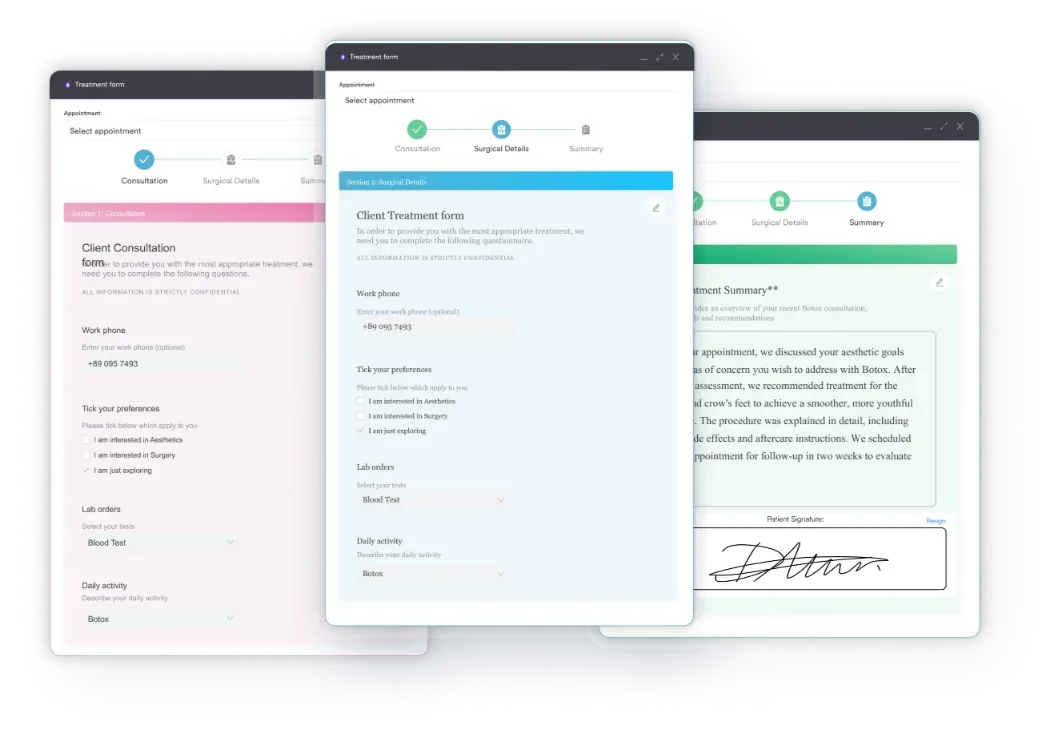
Capturing the procedure note and consent on structured digital forms reduces the risk of a missing field at claim submission. A template with required fields for bloods, consent and core count stops an incomplete note from being saved.
Imaging guidance is not part of the M0813 descriptor, which reads only “percutaneous biopsy of renal transplant.” Under standard CCSD bundling convention, guidance is separately codeable when the descriptor does not include it. Insurer fee schedules and bundling rules vary, though, and this is a frequent unbundling error in nephrology billing.
Before reporting a separate ultrasound guidance code alongside M0813, verify the following with the specific insurer:
Never report an imaging guidance code simply because ultrasound was used. Bundling rules exist to prevent double-claiming for imaging that is integral to performing the biopsy safely. Whether guidance is included depends on the current CCSD schedule version and the insurer’s policy, and the two can differ.
Before submitting any M0813 claim with a separate imaging guidance code, request the insurer’s current unbundling rules in writing. Policies differ between Bupa, AXA Health, Aviva, and Vitality, and verbal assurances from pre-authorisation teams are not binding on claims adjudication teams.
The key distinction in kidney biopsy coding is transplant versus native kidney. Coding a native kidney biopsy for a renal allograft, or the reverse, is a common reason claims are queried in transplant units.
Open biopsy of a native kidney is M0814. For M0813, the clinical record must confirm the patient has a functioning renal transplant. A transplant letter, the original transplant operation note, or a nephrology clinic letter confirming allograft function all serve as evidence. Where any doubt exists about code boundaries, refer to the current CCSD technical guide (October 2025) for the definitive descriptor wording.
Most UK private insurers require pre-authorisation before a renal transplant biopsy under M0813. Retrospective authorisation is rarely granted, and a refusal means the claim is written off. The table below outlines typical requirements across the main payers. Requirements change, so confirm current policy with each insurer before the procedure date.
For Bupa specifically, the Bupa CCSD coding guide on pabau.com covers how Bupa applies CCSD codes and the general pre-authorisation process for interventional procedures. Check Bupa’s live portal for M0813 approval requirements, as its clinical policies change.
M0813 denials cluster around a predictable set of documentation and coding errors. Catching them before submission costs less than appealing afterwards.
Each of these denials maps to a step in the claim path, and the first two steps have to happen before the procedure date.
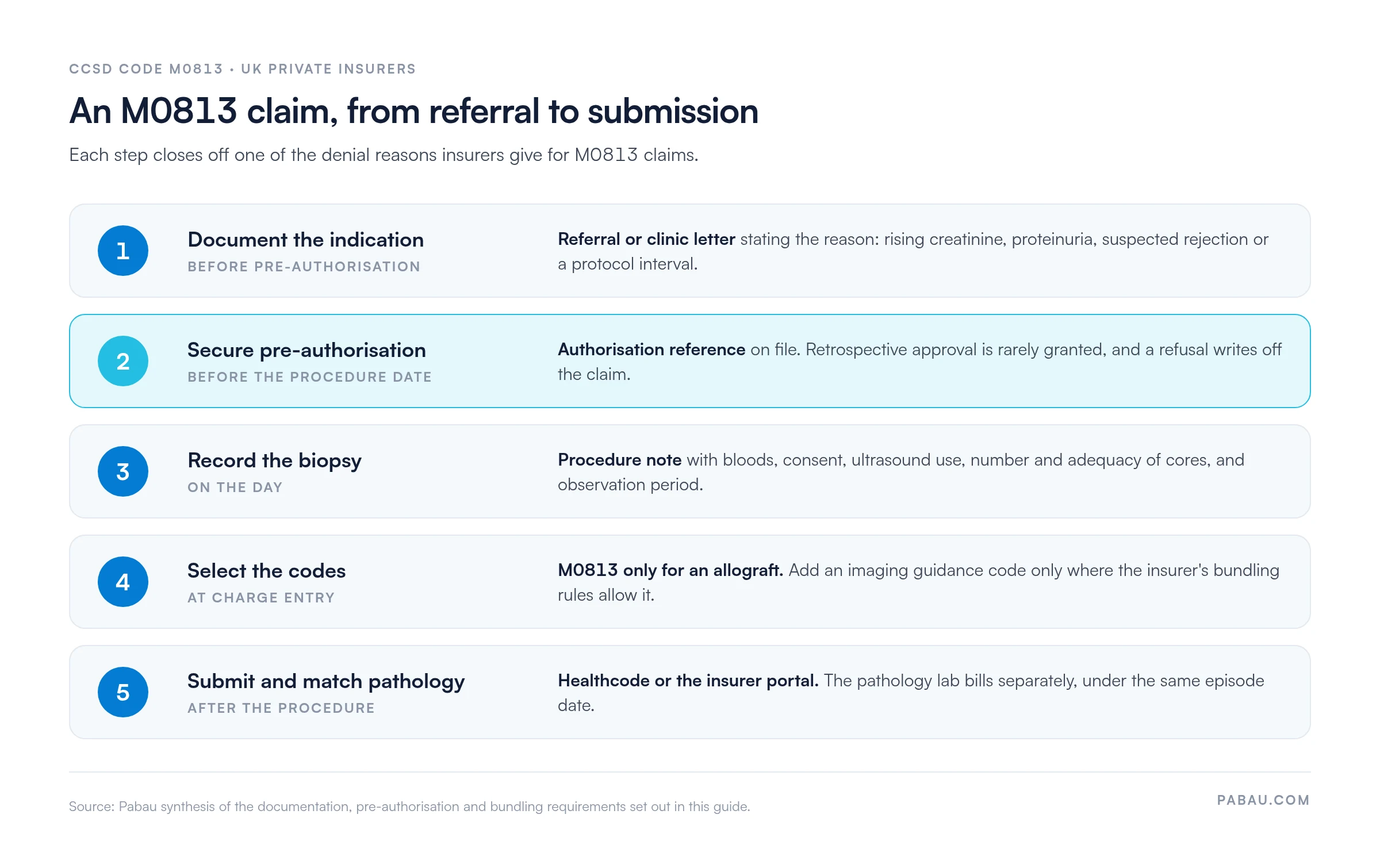
Protocol surveillance biopsies and clinically indicated biopsies both use CCSD Code M0813. They differ in documentation requirements and in how insurers cover them. The code itself does not change; what changes is the justification needed to support the claim.
A clinically indicated biopsy is triggered by an acute or subacute change, such as rising creatinine, new proteinuria or suspected rejection. Medical necessity is usually straightforward to document because the clinical trigger is objective and time-stamped.
A surveillance (protocol) biopsy is scheduled at fixed post-transplant intervals regardless of symptoms, typically at three months and twelve months post-transplant under BTS protocols. These biopsies aim to detect subclinical rejection before it becomes clinically apparent. Some UK private insurers exclude or restrict cover for protocol biopsies, classing them as preventive rather than therapeutic. Where cover is uncertain, the billing team should:
A renal transplant biopsy episode often involves services beyond the core M0813 procedure. Billing them correctly, without over-claiming or mis-bundling, depends on knowing which services sit outside the biopsy itself.
Before submitting an M0813 claim, confirm the pathology laboratory has used the same episode date on its own claim. Insurers cross-reference procedure and pathology dates, and a mismatch can trigger a query on both claims.
Many M0813 coding errors happen at charge entry, when a biller codes from memory instead of the patient record. Pabau’s claims management supports insurance billing in the UK. It sends claims through Healthcode to insurers such as Bupa, AXA Health, WPA, Vitality and Aviva.
Each pre-authorisation is stored as a case. Attach the case when booking, and the authorisation code follows the appointment through to the claim. The private practice billing software then tracks each claim from submission to payment, so a queried M0813 claim surfaces early. The key steps in the billing workflow are:
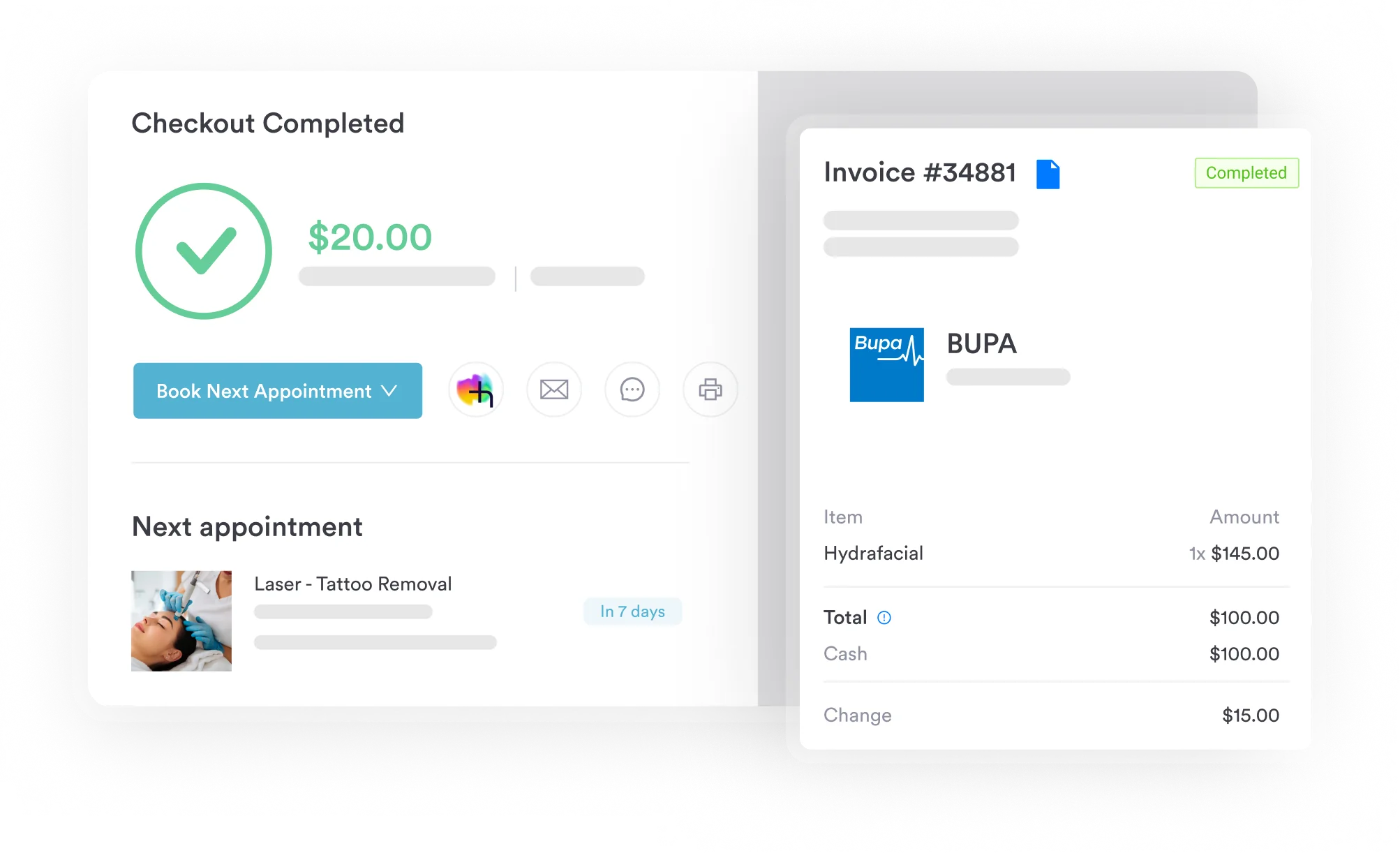

Pabau sends UK insurance claims through Healthcode and carries each pre-authorisation code from booking to claim. See how it works for your practice.

Code M0813 only when the record proves the kidney is a graft, and have the authorisation reference in hand before the biopsy is booked. Those two checks decide most M0813 claims before a pathologist sees a core.
Treat imaging guidance as an open question on every claim. Each insurer’s current bundling rules settle it, so check them payer by payer rather than carrying one answer across your list.
Pabau keeps the pre-authorisation code attached from booking to claim and submits through Healthcode, which guards against two common M0813 denial triggers. Book a demo to see the claim workflow for UK private nephrology billing.

Need to understand how Bupa processes CCSD codes? Bupa CCSD codes guide covers Bupa’s procedure code structure and how to submit claims correctly.
Billing an open biopsy of a native kidney instead? CCSD Code M0814 explains the open native kidney biopsy code and how it differs from percutaneous approaches.
Coding open kidney surgery with no specific code? CCSD Code M0800 covers other open operations on the kidney or renal pelvis.
Draining a perinephric abscess? CCSD Code M0880 sets out the open drainage code and the ICD-10 code claims usually pair with it.
M0813 is the UK private-insurer billing code for percutaneous needle biopsy of a renal transplant (allograft kidney). It does not cover native kidney biopsies, open surgical biopsy, or histopathology on the retrieved cores, which are coded separately.
M0813 applies only when the biopsy targets a transplanted kidney. A native kidney code applies when the patient’s own kidney is biopsied. Open biopsy of a native kidney is M0814, and the percutaneous native code should be checked in the current CCSD schedule.
The M0813 descriptor does not include imaging guidance, so ultrasound guidance may need a separate CCSD radiology code. Insurer bundling rules differ, so check the insurer’s current fee schedule before adding one, as incorrect unbundling is a common denial trigger.
The most frequent M0813 denial reasons are missing pre-authorisation and a native kidney code used in place of M0813. Others are imaging guidance unbundled against the insurer’s rules, thin medical necessity documentation, and a wrong consultant specialty code.



