CCSD Code C7920: Pars plana vitrectomy with tamponade, buckling and retinopexy
CCSD Code C7920: Definition and official descriptor CCSD Code C7920 is the CCSD ...

Last Updated: Nov 11, 2026
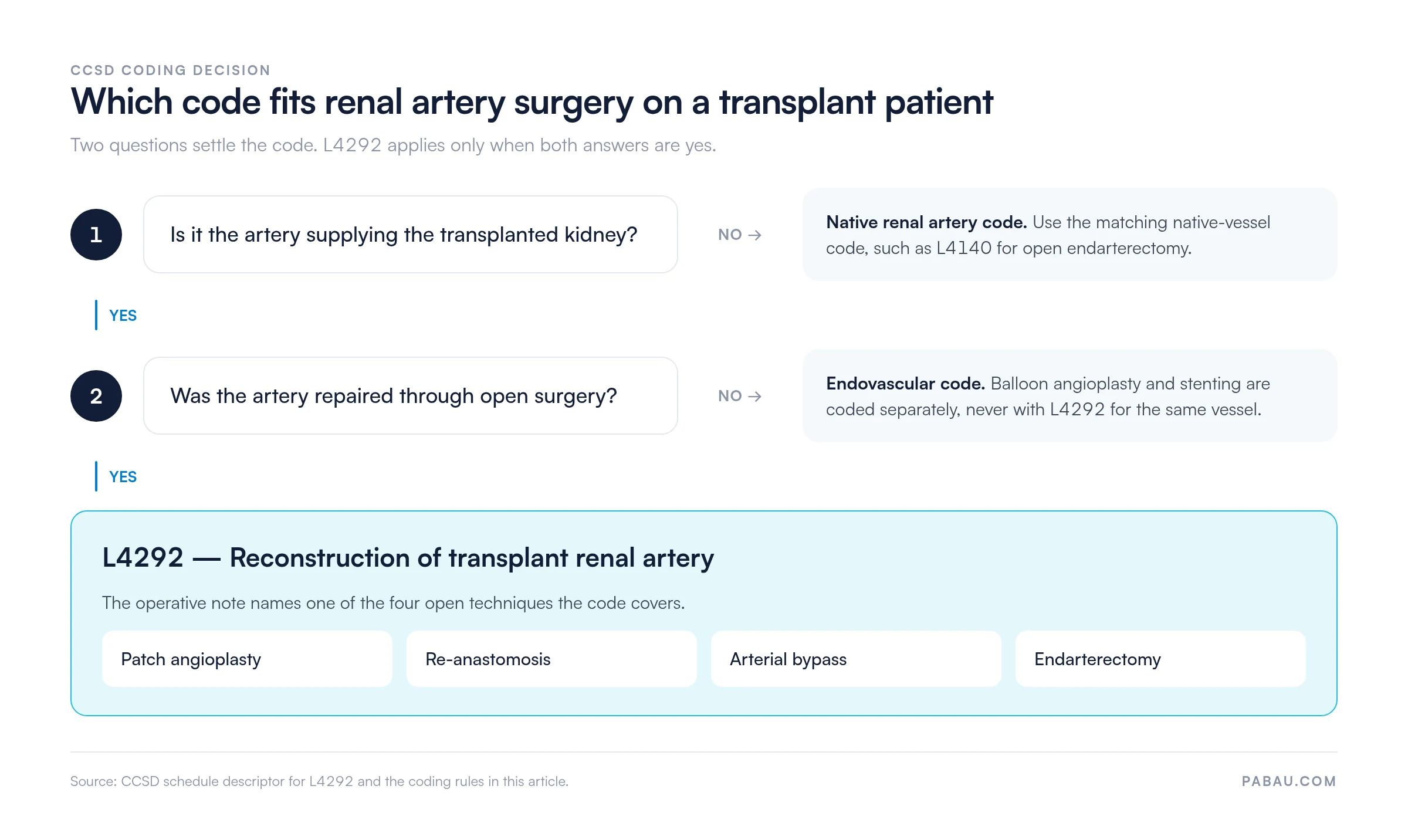
L4292 is the CCSD code for reconstruction of transplant renal artery. It covers open surgery on the artery supplying a transplanted kidney, by patch angioplasty, re-anastomosis, arterial bypass or endarterectomy.
Coders report it most often for transplant renal artery stenosis that angioplasty or stenting couldn't resolve. Endovascular repair of the same artery, and surgery on a native kidney artery, take different codes.
Let Pabau's smart automation suggest the right codes, reduce claim denials, and keep your practice compliant—effortlessly.
Automate repetitive tasks and focus on what matters most—your patients.
Reduce coding errors and ensure compliance with the latest regulations.
Clean claims, fewer denials, and faster reimbursements.
Powerful insights and reporting to help your practice thrive.
HIPAA compliant SOC 2 certified GDPR-compliant Trusted by 4,000+ clinics worldwide

CCSD code L4292 covers open reconstruction of the renal artery supplying a transplanted kidney, never surgery on a native kidney artery.
Transplant renal artery stenosis (TRAS) that angioplasty or stenting can’t fix is the most common reason surgeons perform L4292.
The operative note must name the technique (patch angioplasty, re-anastomosis, bypass or endarterectomy) and confirm the transplant artery was the vessel treated.
Pabau, the practice management platform we build, keeps CCSD code entry, pre-authorization and the operative record together. L4292 claims then carry the evidence insurers ask for.
CCSD code L4292 is defined by the official CCSD schedule descriptor as “Reconstruction of transplant renal artery.” It covers open surgery to repair the artery that supplies a transplanted kidney. The code sits in chapter 9.3.0 Renal of the CCSD schedule, within the 9.0.0 Vascular System section, which covers arterial reconstruction, bypass and repair.
Codes in this part of the schedule separate surgery on native vessels from surgery on transplanted organ vasculature. Whether the kidney was transplanted is therefore part of the code choice itself. Our full CCSD code reference covers the rest of the schedule, chapter by chapter.
L4292 applies only to open surgical reconstruction, usually as an inpatient procedure under general or regional anesthesia. Percutaneous procedures on the same vessel, such as balloon angioplasty or stenting, carry separate CCSD codes. Never bill them as L4292.
UK private medical insurers (PMIs) use CCSD codes across England, Scotland, Wales and Northern Ireland. The NHS classifies procedures with OPCS-4 instead. CCSD doesn’t apply to NHS billing, and OPCS-4 doesn’t apply to private insurer claims. Coders who work across both sectors need to keep the two systems apart.
Renal artery reconstruction in a transplanted kidney means exposing the allograft’s artery and correcting whatever restricts blood flow into the graft. A transplant or vascular surgeon performs it, usually in a specialist transplant unit under general anesthesia. Operating time typically runs two to four hours, depending on the reconstruction needed.
Four open techniques fall within L4292. The choice depends on what pre-operative imaging and the surgeon’s findings during the operation show.
All four are open approaches, and L4292 covers each one on the transplant renal artery. Endovascular approaches such as percutaneous transluminal angioplasty (PTA) or stenting are coded separately. That holds even when they happen in the same episode as an open procedure for a different problem.
L4292 is performed when the transplant renal artery needs open repair because endovascular treatment isn’t feasible, has failed, or is riskier for that anatomy. Transplant renal artery stenosis (TRAS) is the main indication.
Published transplant surgery literature puts TRAS at about 2% to 10% of kidney transplants. Surgical reconstruction is reserved for the subset where angioplasty and stenting are unsuitable or haven’t worked.
Balloon angioplasty and stenting remain first-line treatment for TRAS in most centers, consistent with British Transplantation Society guidance. L4292 therefore usually follows endovascular options that were exhausted or contraindicated. It’s an infrequent, high-acuity episode, and insurers expect the documentation to match.
A valid L4292 claim needs a clinical record that shows how the team decided open reconstruction was necessary. Insurers check it to confirm that less invasive options were considered, and either tried or ruled out for a stated reason.
These results form the clinical backbone of the claim. Reference each report in the operative note, and hold it in the patient record when the claim goes in.
Document the diagnostic sequence in date order in the patient record before submitting an L4292 claim. Insurers reviewing complex vascular claims expect the duplex ultrasound, confirmatory angiography and decision rationale to be linked to the operative episode. Records added after the fact weaken the claim.
The most common coding error here is choosing a native renal artery code instead of the transplant-specific L4292. Adjacent CCSD codes cover similar procedures on non-transplant vessels, so the descriptor must match exactly. Open endarterectomy of a native renal artery, for example, is L4140. Two questions separate L4292 from its neighbors, as the diagram shows.
The table below contrasts L4292 with the codes most likely to be confused with it. For insurer context, our guide to CCSD codes Bupa accepts covers the most commonly billed codes across the schedule.
Sometimes an endovascular procedure and an open reconstruction happen in one session, on different complications or vessels. Get specific CCSD coding guidance before submitting both codes on one claim. Unbundling rules vary between PMIs, and incorrect multiple coding is a leading denial trigger.
A valid L4292 claim depends on a clinical record that maps onto the CCSD descriptor. Insurers auditing complex vascular claims look for the elements below. Capture each one at the point of care, linked to a single surgical episode, because records rebuilt at billing time tend to lose detail. Good medical billing compliance means every element is in place before the claim goes in.
Major UK private medical insurers require pre-authorization for elective inpatient surgery, and planned L4292 cases fall in that category. The Bupa procedure fee schedule sets out which procedure categories need pre-approval. Emergency reconstruction without prior authorization is handled differently. Insurers still expect retrospective notification, within the timeframe in the insurer’s current provider guidance.
Here’s how pre-authorization typically works across the major UK insurers for a procedure of this complexity.
Insurer pre-authorization policies can change every year. Check requirements against the insurer’s current provider portal or policy documents before submission. A previous authorization for a related procedure never covers L4292 for a new episode.
An L4292 claim follows the standard structure for an inpatient surgical episode in UK private healthcare. It has several fee components, and each one must be recorded and submitted correctly to avoid partial or full rejection.
Concurrent procedures in the same session, such as a renal biopsy or ureteric intervention, each carry their own CCSD code. Confirm the insurer’s unbundling rules before submitting several codes for one session on the same kidney.
L4292 denials cluster around a few avoidable errors. Knowing where claims fail lets billing teams build documentation habits that stop rejections before they reach appeal. Tracking denial reasons by code is central to managing claim denials across the revenue cycle.
Follow-up care after L4292 brings its own coding work. Surveillance imaging and outpatient reviews each carry their own codes. Link each one back to the original surgical admission so the insurer sees continuity of care.
Build a follow-up documentation template for L4292 episodes that pulls in the original admission details. Surveillance Doppler findings and creatinine trends at three and six months show insurers whether the reconstruction worked. They also support cover for ongoing monitoring.
In many private surgical practices, the evidence for an L4292 claim lives in several places. The Doppler report sits in one system, the operative note in another, and the pre-authorization number in an email. Someone at the billing desk then rebuilds the episode, often weeks after surgery.
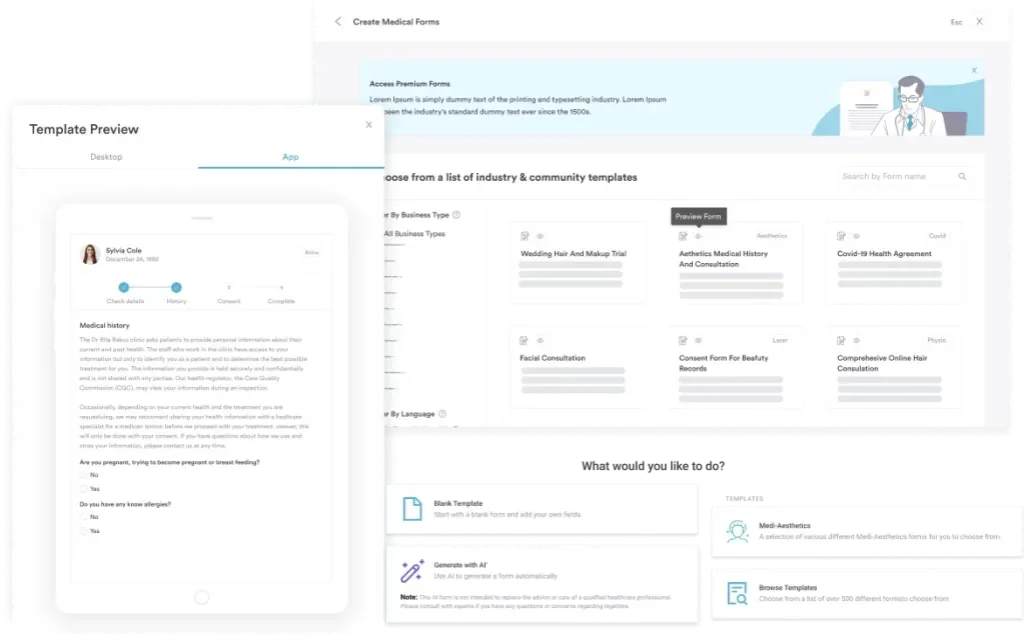
Pabau, the practice management platform we build, keeps those pieces on one patient record. Digital forms capture the imaging findings and the reconstruction technique at the point of care. The pre-authorization code, dates and sessions sit on the insurance case, with a warning when one is missing.
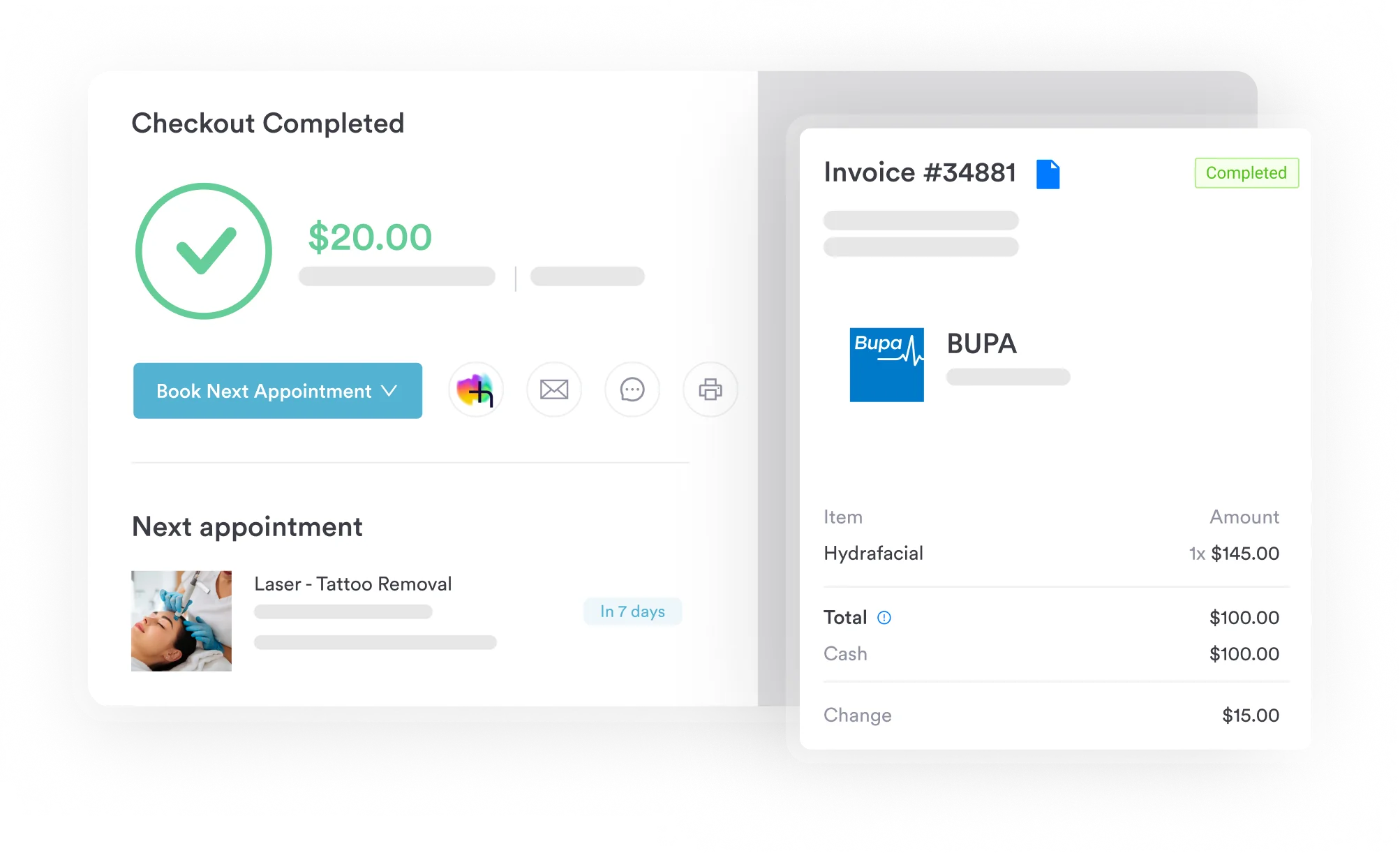
Pabau’s audit-ready claims management then submits the claim to UK insurers through Healthcode and Bupa. Your billing team spends less time chasing paperwork, and fewer L4292 claims come back for missing evidence.

Pabau links CCSD code entry, pre-authorization tracking and Healthcode claim submission to one patient record. Your billing team spends less time chasing paperwork for complex surgical claims.

L4292 rewards precision more than speed. Before a claim goes in, confirm from the record that the kidney was transplanted, the repair was open and the operative note names the technique.
If any of those facts is missing, query the surgeon before coding instead of after a denial. A short delay on submission costs far less than an appeal. Planned cases also need a live pre-authorization reference on the claim.
Book a demo to see how Pabau keeps the operative record, the pre-authorization and the CCSD claim in one place.

Coding surgery on a native renal artery? CCSD code L4140 covers open endarterectomy of a native renal artery and how to tell it apart from transplant work.
Need a full reference for Bupa procedure codes? CCSD codes accepted by Bupa covers the CCSD billing framework for UK private healthcare providers.
Looking to reduce claim errors across your practice? Medical billing compliance guidance outlines documentation standards that support clean claim submission.
Managing denials across multiple procedures? Denial management in healthcare covers how to build a systematic approach to tracking and appealing rejected claims.
CCSD code L4292 covers open surgical reconstruction of the renal artery in a transplanted kidney. It includes patch angioplasty, re-anastomosis, arterial bypass and endarterectomy on the transplant artery. Surgery on a native, non-transplanted renal artery takes a different code.
No. L4292 covers open surgical reconstruction only. Balloon angioplasty or stenting of the transplant renal artery is coded separately. Never submit it as L4292, even in the same operative episode as an open procedure for a different problem.
A valid L4292 claim needs an imaging report confirming transplant renal artery disease, from duplex ultrasound or angiography. The operative note must name the reconstruction technique and confirm the transplant vessel was treated. Add the anesthetic record, the hospital admission details and any pre-authorization reference the insurer required.
The most common reasons are a native renal artery code used in place of L4292 and an operative note that doesn’t name the technique. Missing pre-authorization and a mismatched ICD-10 code also cause denials. So do late submission and endovascular codes billed with L4292 for the same vessel in one session.
UK private medical insurers that use the CCSD schedule, such as Bupa, AXA Health and Aviva, can be billed L4292. Confirm each insurer’s current fee schedule and coverage before submitting. Reimbursement and pre-authorization rules vary by insurer and policy type.
Yes. The anesthetist bills separately, using the CCSD anesthetic code for the procedure’s duration and complexity. L4292 covers the surgeon’s reconstruction only. Anesthetic and surgical assistant fees go in under their own CCSD codes for the same episode.